By Sam Laikin
March 6, 2026
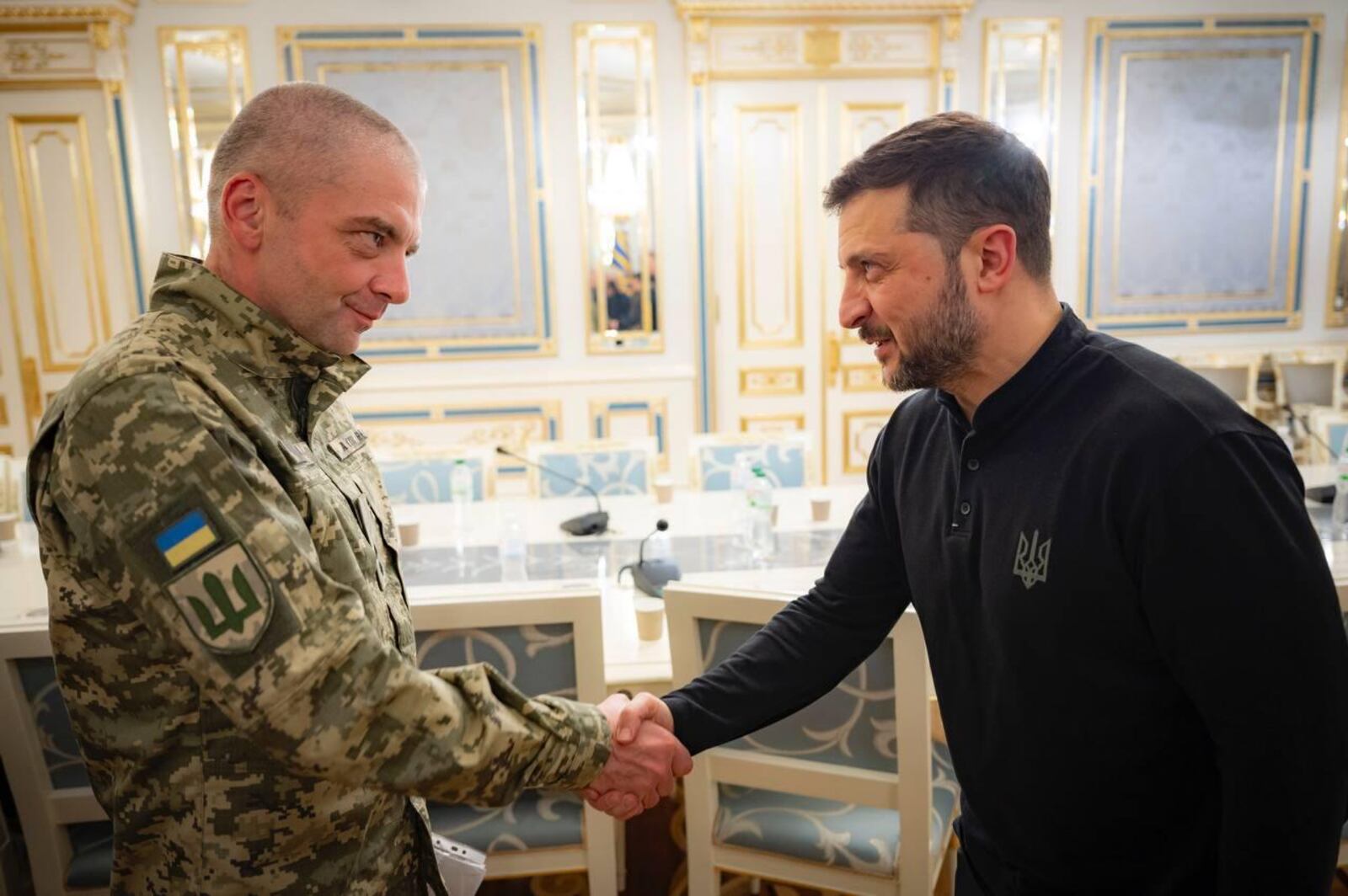
I was on my way to class on February 2, stressing about a quiz when I stopped and shook hands with a man the Russian state has declared a war criminal. My professor Dr. Norris had spotted me walking and stopped to introduce me to a man with an average build, round face, and deep-set eyes. “This is Maksym Butkevych, he’s our guest speaker tonight,” Norris remarked. I happily shook hands with the man who greeted me with a friendly Ukrainian accent. I welcomed him to campus and told him I was excited to hear him speak. Then a wave of anxiety hit as I remembered the quiz I had coming up. I quickly wished him well and headed on my way.
After surviving my quiz, I found a seat a few hours later in a crowded classroom on the third floor of Harrison Hall to listen to Maksym Butkevych speak. Even after he started speaking the room continued to fill up with students. Some, unable to find seats, stood by the door, or in the very back leaning up against the windows. I think we all came into the lecture thinking we knew Butkevych’s story. He was a Ukrainian Human Rights activist turned soldier, who was captured by Russian forces, held as a POW and then prisoner for months, before being freed in a prisoner exchange about a year ago. Now, Butkevych was here, in a small college town in the corner of Ohio, talking to a bunch of college students who could hardly fathom what he had been through.
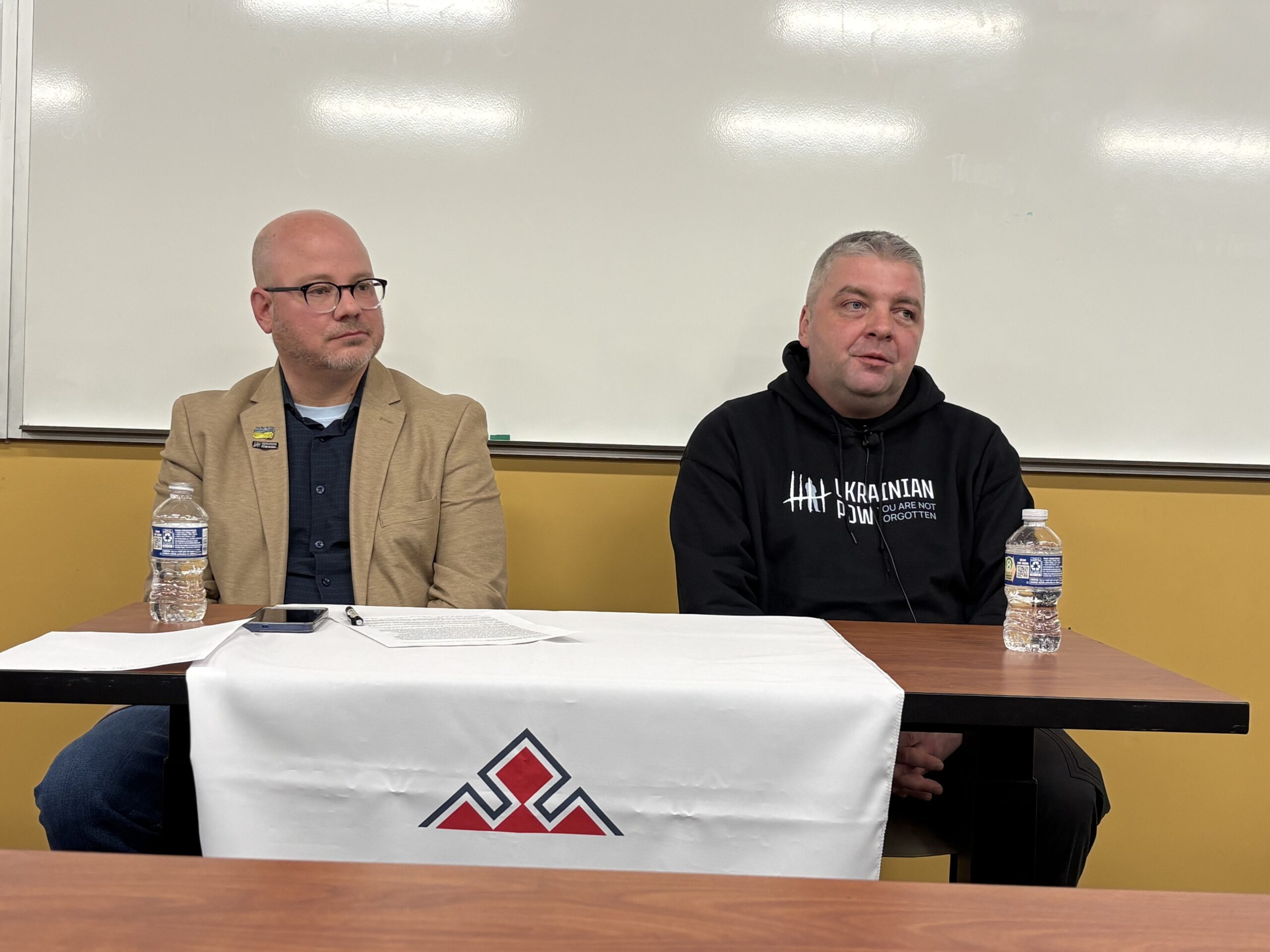
Butkevych talked about the tough decision he made to take up arms. He talked about the friends he lost in the war. He told us about how he was convicted of war crimes and sentenced to 13 years in prison on trumped up charges. He told us stories of the violence he faced in the POW camp. With each question we asked he met our eyes and gave us his genuine, unfiltered thoughts about the war, about Putin, and about whether he still had hope.
As I sat listening to Butkevych speak, I thought about the twenty-year olds in this story. While I sit worrying about quizzes and the Spanish project that’s due in a few days, those on the battlefields that are the same age as me are wondering if they will even be alive in a few days. My generation, my classmates here in the United States, have never seen war. And though we watch blockbuster war movies, play the bestselling video games, and we scroll and scroll through post after post, we will never truly understand war. Yet in the age of fake news, AI, and conflicts halfway across the world, visits from the likes of Maksym Butkevych are something valuable for us. They give us a chance to meet the real people in these distant wars, to see their reality and their humanity.
I know many students who would stay home from these lectures. After all, even though professors will advertise them, they are still pretty much always optional. The fact that the room was packed with college students on a Monday night, however, shows something about my generation. We yearn to hear the truth. We seek it out. Despite the distractions, the desensitization, and the ever-growing feeling of despair, we lean in to learn more. Our lives might look very different from those in Ukraine but that is no barrier for our curiosity and empathy. I found it ironic that Butkevych titled his talk “The Principle of Hope”. What hope could a man who is watching his homeland be destroyed possibly have? Butkevych said that hope is what kept him alive in the POW camps. He had hope in his friends, in his country, and in all those who believe in good, that they would free him. To him hope was a necessity, something to cling to when everything else is crumbling.
My generation has been accused of hopelessness. Statistics show that we are the most depressed, anxious, and worried generation in decades, despite the fact we live in a country of peace and prosperity, thousands of miles away from war. Our brand-new iPhones that pummel us with news of global tragedies only make the feelings of despair worse. Yet on that Monday night something special happened. Dozens of us set down our phones and leaned in to learn from a man who has lost everything.
If he can have hope, then maybe so can we.
Sam Laikin is a Social Studies Education and History Double Major and a Presidential Fellow at Miami University