
By Anastasija Mladenovska, Havighurst Junior Fellow
The 29th United Nations Climate Change Conference (COP29), held in November 2024 in Baku, Azerbaijan, laid bare the vulnerabilities of global climate governance. Themes of corruption, corporate capture, and the suppression of civil society emerged as central concerns during a seminar hosted by the Central Asia Program at George Washington University. These challenges are not confined to Baku—they resonate in other climate-sensitive regions, particularly the Arctic.
The Arctic, often considered the “ground zero” of climate change, exemplifies the global stakes of balancing environmental urgency, geopolitical interests, and the rights of local communities. Drawing lessons from COP29 and its critiques, particularly from experts such as Kate Watters, Emin Bayramli, and David Szakonyi, reveals a critical need to reassess governance frameworks in both contexts.
Corporate Capture and the Risk of Fossil Fuel Dominance
At COP29, corporate influence was a defining issue, with Azerbaijan’s state oil company, SOCAR, wielding outsized power as both a sponsor and organizer. The seminar highlighted how this arrangement skewed the summit’s agenda toward fossil fuel interests. Kate Watters noted, “BP, the largest foreign investor in Azerbaijan, has invested $85 billion in the oil and gas sector. Little has been directed toward renewables.” These figures reveal the entrenched dependency of Azerbaijan—and its foreign investors—on fossil fuels.
This reality undermines the very purpose of COP, which is to foster global cooperation on reducing greenhouse gas emissions. The Arctic faces a similar dynamic; while there is evidence that Arctic resource extraction exacerbates climate change, the balance between economic incentives and environmental concerns remains uncertain. In 2016 for example, Arctic states accounted for 21% of global carbon emissions.
The corporate capture of global climate forums like COP29 raises a critical question: How can meaningful climate action occur when those perpetuating the problem dominate the conversation? David Szakonyi, Associate Professor of Political Science at George Washington University, pointed out the systemic failures that allow such dynamics to persist: “SOCAR’s influence at COP29 highlights the need for transparency in sponsor selection and involvement.” His critique underscores a broader problem in international climate governance—a lack of enforceable standards to prevent conflicts of interest and prioritize accountability.
In the Arctic, similar concerns emerge regarding the lack of regulatory oversight for resource extraction. Without robust mechanisms to ensure corporate accountability, both COP and Arctic governance face the challenge of potentially being influenced by economic interests in ways that could overshadow environmental sustainability and community resilience.
Marginalization of Civil Society and Grassroots Perspectives
The exclusion of civil society was a dominant theme at the seminar, where speakers underscored the Azerbaijani government’s repressive tactics. Emin Bayramli shared a deeply personal account of his father, Dr. Gubad Ibadoghlu, a political prisoner arrested for advocating transparency and good governance. “My dad was kept in a six-person, 20-square-meter room with nonexistent hygiene,” Bayramli explained. “The Azerbaijani government systematically silences those who push for accountability.”
This exclusion weakens the legitimacy of global climate governance. Civil society organizations, often the frontline responders to climate crises, are instrumental in holding governments and corporations accountable. Without their input, policies risk becoming disconnected from the realities faced by those most affected by climate change.
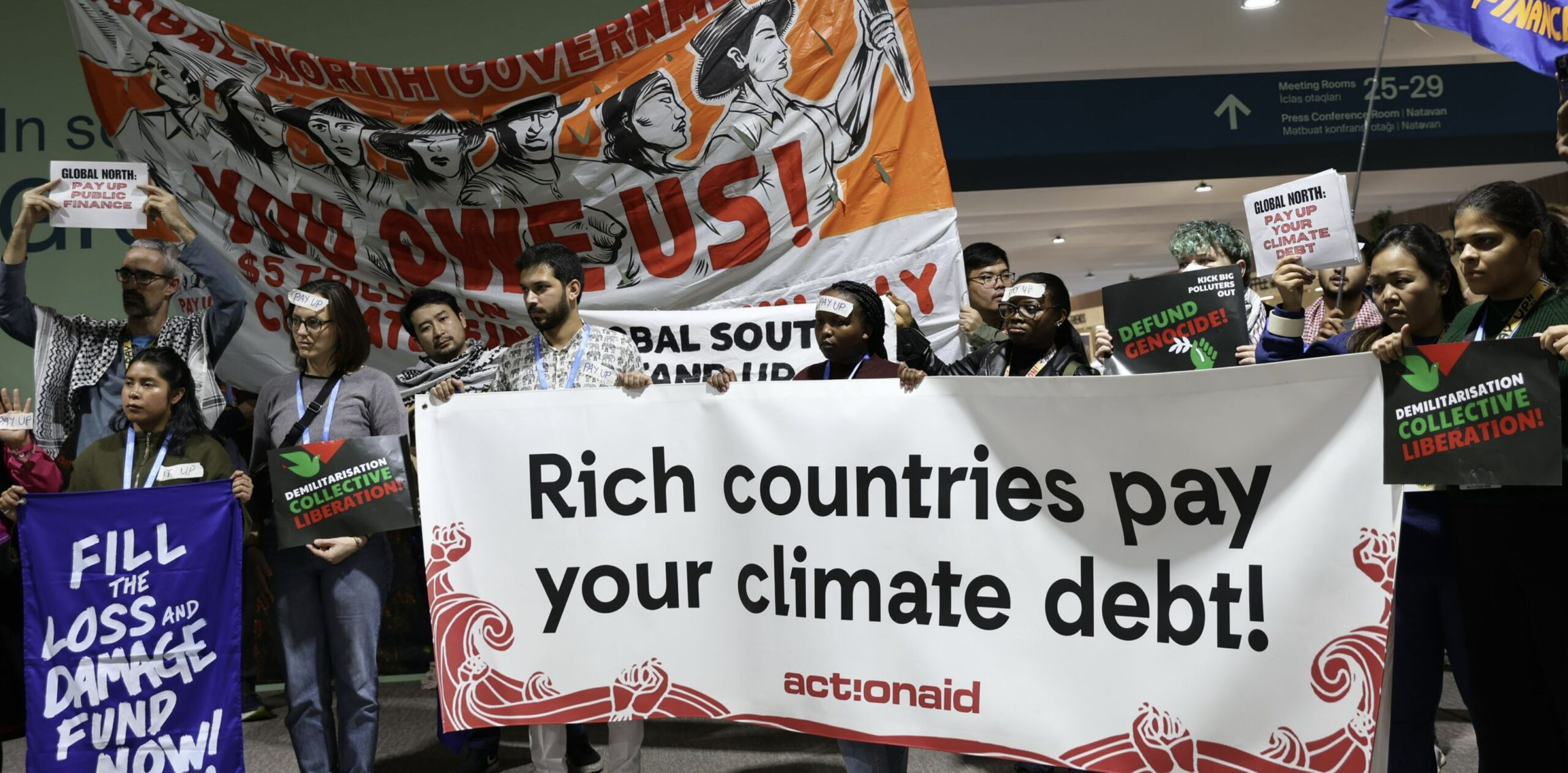
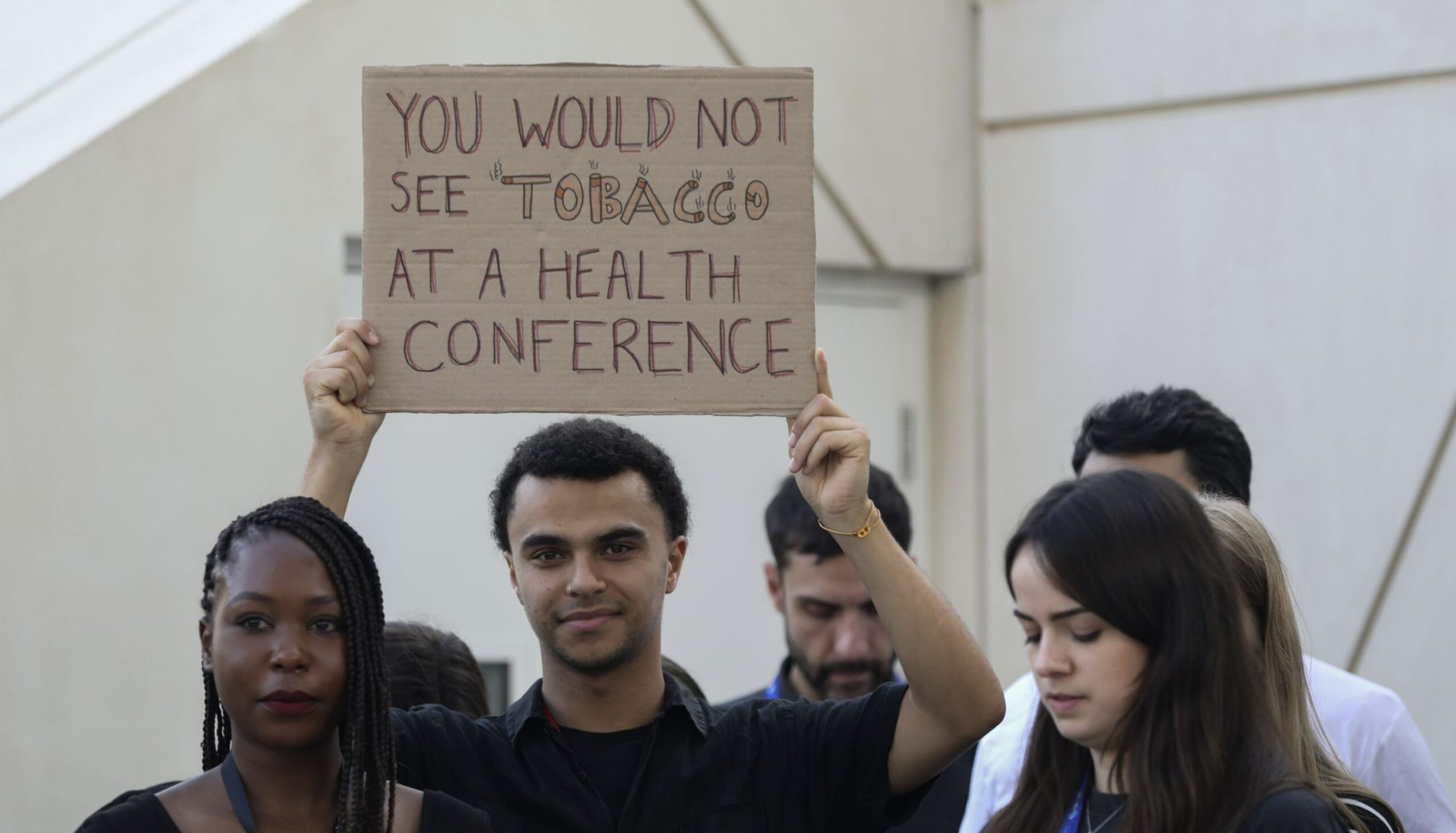
In the Arctic, Indigenous communities face similar marginalization despite their inclusion in forums like the Arctic Council. Indigenous voices must often navigate competing geopolitical and economic priorities from member states. For example, rapid environmental changes such as permafrost thaw, wildland fires, and pollution disproportionately affect Indigenous communities, but solutions to these issues require navigating the complexities of Arctic resource extraction and geopolitical interests. The Council’s consensus-based decision-making model and its emphasis on cross-boundary cooperation aim to address these challenges, but balancing diverse priorities remains an ongoing task.
Kate Watters, Co-founder and Executive Director of the advocacy group Crude Accountability, spoke about the broader implications of such exclusion: “This is a captured COP. The exclusion of civil society weakens its legitimacy and fails to account for the voices of those most affected.” This critique highlights a systemic flaw in global governance—without meaningful participation from local and grassroots organizations, climate policies risk perpetuating inequities and exacerbating vulnerabilities.
Additionally, resource-driven priorities emerged as critical issues at COP29. Azerbaijan leveraged its role as host to advance state-centric agendas, with President Ilham Aliyev using the summit as a platform for assertive rhetoric. As Emin Bayramli noted during the seminar, “Aliyev has blatantly stated that oil and gas are a gift from God,” underscoring Azerbaijan’s commitment to fossil fuel expansion even as the world gathers to discuss reducing emissions. “This is not a regime interested in diplomatically finding solutions,” Kate Watters emphasized, reflecting the broader challenges of hosting global climate discussions in such a political environment. These dynamics raise fundamental questions about the nature of international cooperation in addressing the climate crisis. As the Arctic and global climate summits increasingly face overlapping challenges, what lessons can be shared to build frameworks that balance power, amplify marginalized voices, and prioritize long-term environmental resilience?
Reframing Climate Governance: Shared Lessons for COP and the Arctic
The seminar revealed several critical reforms needed to address the shared challenges of COP29 and Arctic governance:
- Empowering Civil Society: Grassroots organizations and Indigenous communities must be central to climate policymaking. Watters emphasized that “the exclusion of civil society, whether in Baku or the Arctic, weakens the legitimacy of climate governance.” Creating platforms for these voices is essential for crafting effective, equitable policies.
- Implementing Transparency Standards: Conflict-of-interest and disclosure requirements must be strengthened to prevent corporate capture. Szakonyi called for “robust transparency measures” to ensure sponsors and organizers do not compromise the integrity of climate forums.
- Redefining Security and Resilience: Security frameworks must move beyond militaristic and resource-centric approaches to include environmental sustainability, gender equity, and community well-being. Watters argued that true security involves “sustaining ecosystems and empowering communities—not just protecting borders.”
- Ensuring Inclusive Host Country Selection: Future COP hosts must adhere to minimum standards for human rights, transparency, and environmental protection. Szakonyi criticized Azerbaijan’s suitability as a host, noting that “authoritarian regimes like Azerbaijan should never host summits meant to foster global cooperation.”
Conclusion: Building a More Inclusive and Accountable Future
The failures of COP29 in Baku and the challenges facing the Arctic are interconnected manifestations of systemic flaws in global climate governance. Both highlight how corporate capture, geopolitical competition, and the exclusion of civil society undermine efforts to address the climate crisis.
As the world looks to COP30 in Brazil and continues to navigate the complexities of Arctic governance, these lessons offer a roadmap for reform. Kate Watters concluded with a powerful reminder: “We cannot address climate goals in isolation. Human rights, transparency, and community resilience must be central to climate action.”
Anastasija Mladenovska is a junior majoring in Political Science and Russian, East European, and Eurasian Studies