
Anastasija Mladenovska, Havighurst Center Junior Fellow
As climate change transforms the Arctic at an unprecedented pace, the region has quickly become one of the most strategically significant—and vulnerable—places on the planet. This type of discourse around the Arctic began to gain prominence in the early 2000s due to the scientific evidence of rapid Arctic warming, resource potential and shipping lanes, political and military clashes as well as the increasing sociocultural and environmental awareness about the region.
The combination of these factors has led to a broader and more complex view of the Arctic, recognizing that the region’s future hinges not only on geopolitics and resource extraction but also on environmental sustainability, Indigenous rights, and local resilience. Consequently, the Arctic is now framed as a region where diverse interests—military, economic, environmental, and cultural—converge, creating both opportunities and vulnerabilities that require multifaceted governance approaches.
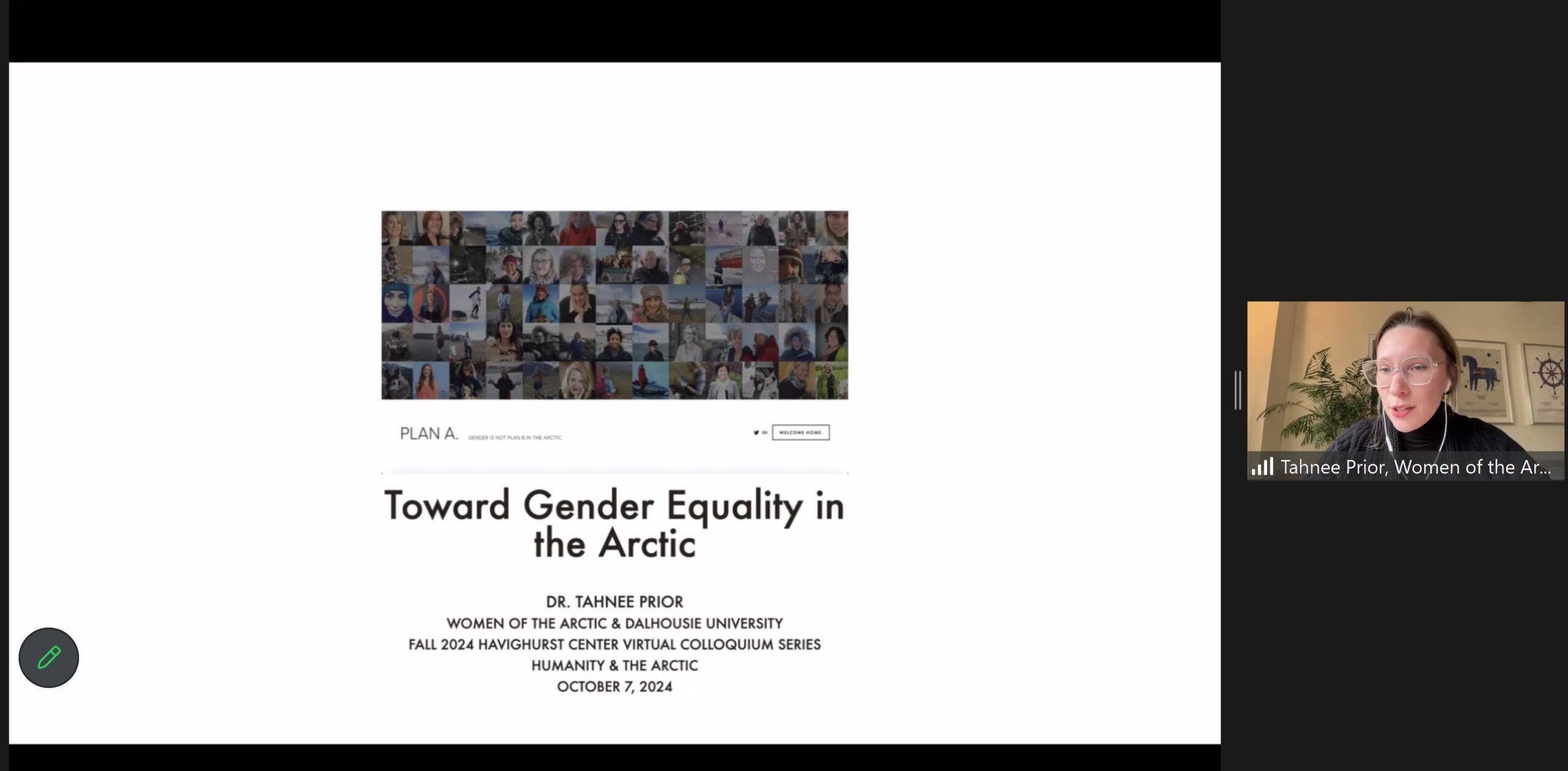
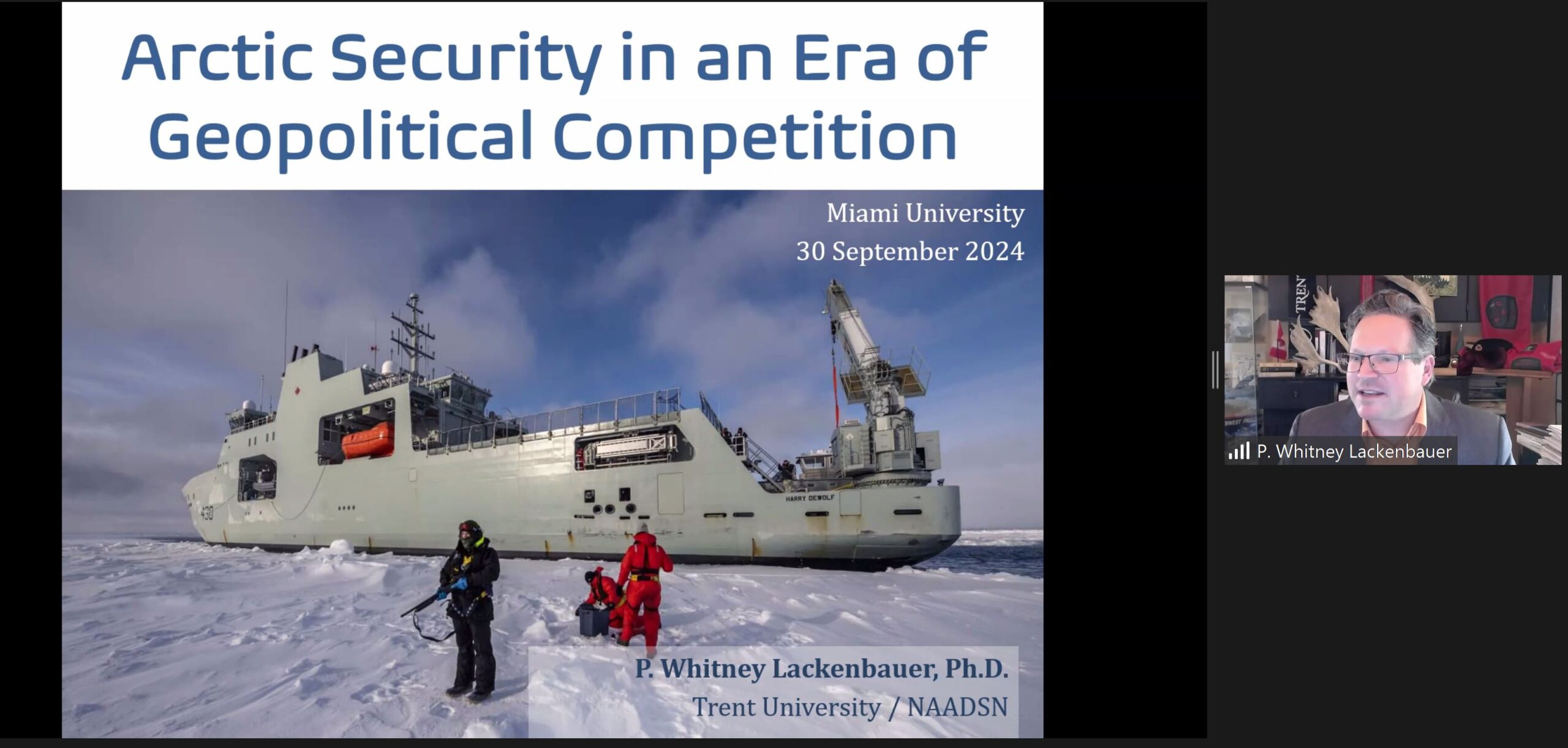
On October 7, 2024, Dr. Tahnee Prior, a leading scholar on Arctic governance and gender dynamics, presented “Toward Gender Equality in the Arctic” as part of the Havighurst Center for East European, Russian, and Eurasian Studies’s Fall Colloquium series. Dr. P. Whitney Lackenbauer, one of North America’s foremost experts on Arctic defense, spoke in the on Arctic geopolitics and security a week prior. Following Lackenbauer’s presentation, Prior’s talk provided a thought-provoking counterpoint to the more traditional security-focused approach that often dominates discussions on the Arctic. Together, their insights underscored a crucial need for a more inclusive understanding of security in the Arctic—one that recognizes the interdependence of gender equity, environmental resilience, and geopolitical stability.
Gender and Security: A Strategic Necessity, Not Just a Moral Imperative
In most public discourse, Arctic security has been framed as a military or economic concern, with a focus on defending borders, monitoring new shipping lanes, and managing resource extraction. However, Dr. Prior argued that this traditional security framework misses a critical dimension: the social and gender dynamics that profoundly impact Arctic resilience. Women, who play essential roles in maintaining community resilience and local governance, have historically been marginalized in decision-making processes that shape Arctic policy. This exclusion not only diminishes the voices of half the population but also weakens the region’s overall security by ignoring the realities of those who bear the brunt of social and environmental disruptions.
A closer look at gender dynamics in the Arctic reveals that while women are highly active in sustaining community structures, they face specific challenges that are often overlooked. For instance, due to limited economic opportunities that match their skills and education levels, many Arctic women migrate to pursue higher education or more diverse career options, leaving behind male-dominated local economies centered around resource extraction and commercial jobs. This migration pattern affects local resilience and community demographics, often leading to a disproportionate male presence in the labor market and an undervaluing of women’s contributions in both policy and economic structures.
Moreover, while Arctic countries such as Iceland consistently score high in global gender equality indices, these scores can mask significant social issues, such as high domestic violence rates. The seeming paradox of high gender equality alongside high rates of domestic violence reflects an underlying gap in policy that fails to address the social complexities Arctic women face. Prior’s argument suggests that without addressing such social issues, any vision of Arctic security remains incomplete. Gender-sensitive policies that recognize these disparities and incorporate the perspectives of Arctic women could help create a more resilient and inclusive Arctic community, bolstering the region’s ability to withstand external pressures.
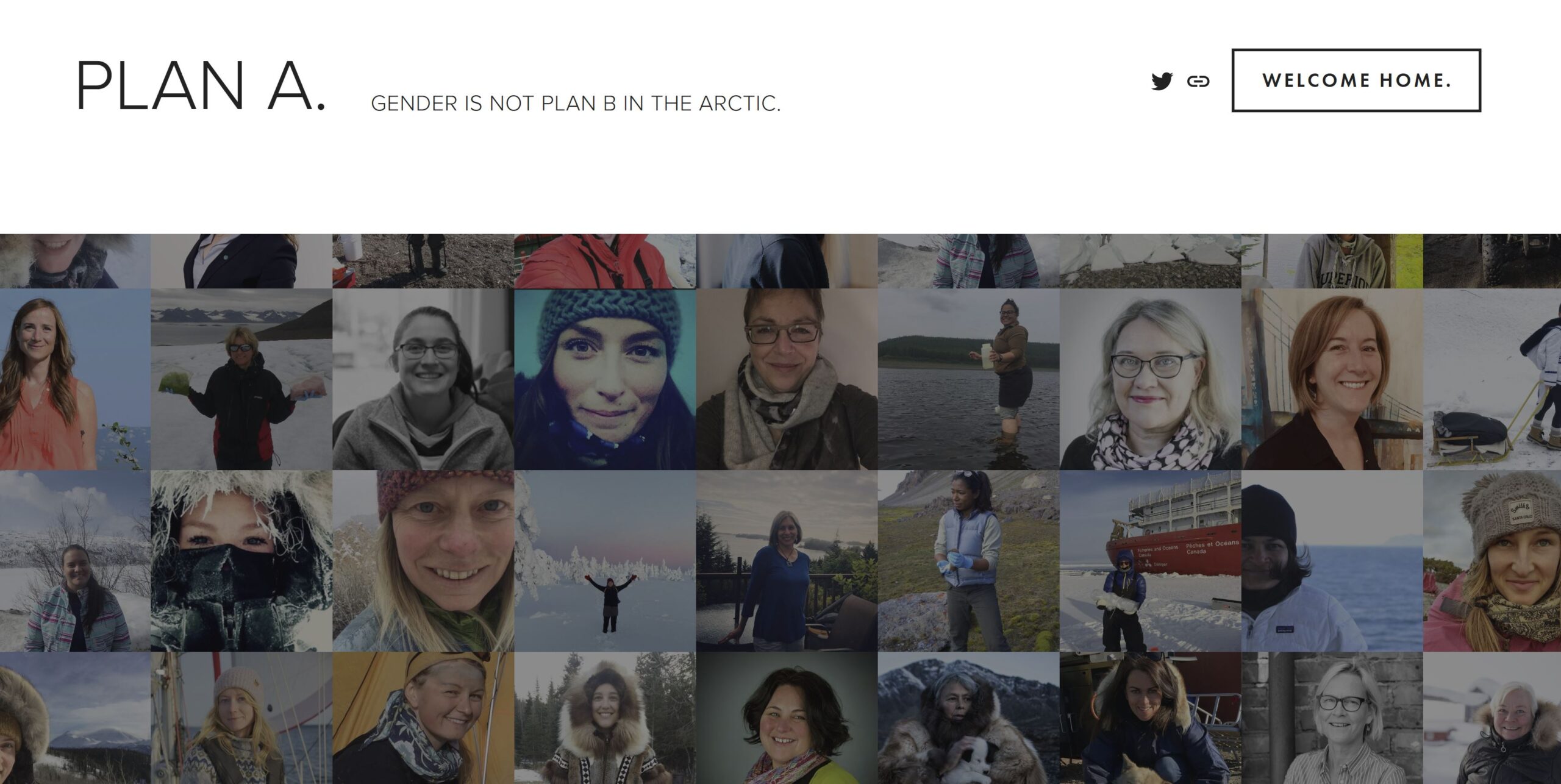
Prior’s argument finds support in broader research on gender and security, which suggests that societies with greater gender equality tend to be more resilient and less prone to conflict. In the Arctic context, achieving gender equality is not just about meeting moral standards but about enhancing the region’s capacity to withstand geopolitical and environmental pressures. Gender-sensitive policies can help build more cohesive communities, which is essential in a region facing rapid environmental transformation and escalating global interest. By broadening our understanding of security to include social cohesion and community well-being, policymakers could foster a more stable Arctic that is resilient against both external threats and internal divides.
The Environmental Imperative: Gender-Responsive Adaptation in the Arctic
Environmental change in the Arctic is one of the most pressing issues in the world today. As sea ice melts and permafrost thaws, Arctic communities face significant threats to their livelihoods, housing, and cultural heritage. This disruption is disproportionately felt by women, who often assume primary roles in maintaining family and community stability amidst these crises. As Prior noted, gender-responsive adaptation policies are essential in this context, as they recognize the unique burdens and contributions of women in facing these environmental challenges.
Research by Smieszek and Prior in Gender and Environment sheds light on the intersection of environmental issues and gender roles in the Arctic. Climate change policies that do not consider gender disparities risk failing to address the specific needs of Arctic communities and, consequently, may fall short of creating long-term resilience. For example, policies aimed at climate adaptation and resource management must incorporate the perspectives of women, who often lead grassroots environmental efforts in Arctic communities. By empowering women as agents of change in these efforts, gender-responsive policies can foster more sustainable, community-centered solutions to environmental problems.
Reframing Arctic Security
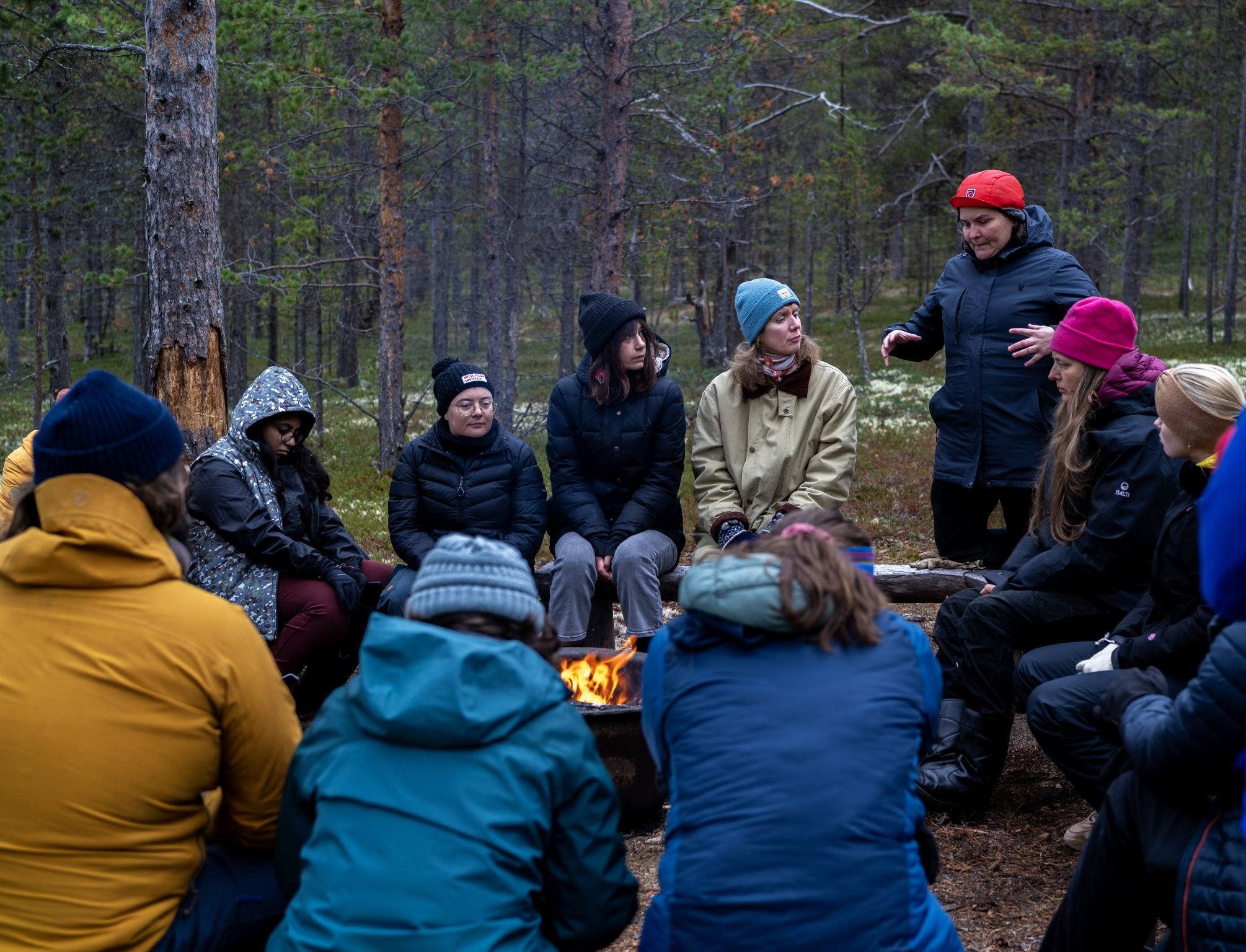
The strategic competition among Arctic nations adds another layer of complexity. In his presentation, Dr. Lackenbauer emphasized the need for a robust security framework to protect national interests in the Arctic. However, as Prior’s research illustrates, this framework must also include the voices of Arctic residents, particularly women, whose insights are vital to understanding and addressing on-the-ground realities. Security in the Arctic cannot rely solely on militaristic or economic models; it must also account for the social and environmental stability of local communities, which ultimately serve as the frontline of defense against any external or internal threat.
In the Arctic, traditional security measures alone cannot mitigate the region’s unique vulnerabilities. As global interest in the Arctic continues to rise, a security framework that balances defense with social and environmental considerations could provide a more sustainable path forward. Canada’s framework as emphasized by Lackenbauer aspires to do this. Both Prior and Lackenbauer suggested that policymakers need to rethink Arctic security through a lens of social inclusivity and environmental stewardship. Only by integrating these dimensions can we hope to achieve a balanced security approach that truly benefits both the region and the world.
Toward a Holistic Arctic Security Strategy
Achieving a security equilibrium in the Arctic requires a redefinition of what “security” truly means in the region—a definition that can vary significantly depending on which state or organization is framing it. As Lackenbauer puts it “the traditional view of Arctic security focuses on military defense…but alternative understandings of security emphasize economic, social, cultural and environmental concerns…”
For some stakeholders, Arctic security is predominantly a matter of defending territorial claims and monitoring new economic opportunities, especially with the opening of shipping lanes and access to natural resources. For others, particularly those with Indigenous populations, security may prioritize the preservation of local ways of life, environmental sustainability, and cultural resilience over military or economic dominance.
Documents from international bodies, such as the United Nations and the Arctic Council, a leading intergovernmental forum promoting cooperation in the Arctic, highlight these diverse perspectives. For example, the UN’s Sustainable Development Goals (SDGs), which emphasize gender equality, climate action, and sustainable communities, provide a framework for viewing Arctic security through a social and environmental lens rather than a purely geopolitical one. Achieving gender equity and reducing social inequalities (as advocated by SDG 5 and SDG 10) are essential components of resilient Arctic communities. This aligns with Prior’s argument that true security in the Arctic must incorporate gender-sensitive policies and local perspectives to build cohesive societies capable of weathering external pressures.
Similarly, the Arctic Council’s Agreement on Enhancing International Arctic Scientific Cooperation underscores the importance of collaboration in monitoring environmental changes and addressing regional challenges. While the Arctic Council does not have a military mandate, its documents emphasize sustainable development, environmental protection, and the well-being of Arctic inhabitants as core elements of security. The Council’s 2013 Kiruna Declaration reflects this non-militaristic approach, affirming the commitment of member states to prioritize climate resilience and sustainable resource management while respecting Indigenous rights. This approach contrasts with more militarized perspectives from non-Arctic states that view the region primarily as a zone of geopolitical competition.
The insights of Dr. Prior and Dr. Lackenbauer at the Havighurst Colloquium serve as a reminder that Arctic security is not simply a matter of military might or territorial claims. It is about the well-being of communities, the preservation of ecosystems, and the resilience of societies in the face of rapid change. As the Arctic continues to draw global attention, these perspectives provide a blueprint for a security strategy that truly supports the long-term stability and sustainability of the region. By considering gender equity, environmental sustainability, and local perspectives alongside traditional geopolitical concerns, we can create a more resilient and inclusive Arctic—one that aligns more closely with the ideals promoted by both the UN and the Arctic Council.
Anastasija Mladenovska is a junior majoring in Political Science and Russian, East European, and Eurasian Studies