
By: Olivia Rush
A Home Away From Home
There’s an age-old superstition that a city will miss you if it rains on the day of your departure. On May 9th this past spring, Almaty, Kazakhstan was covered in a melancholic, humid drizzle.
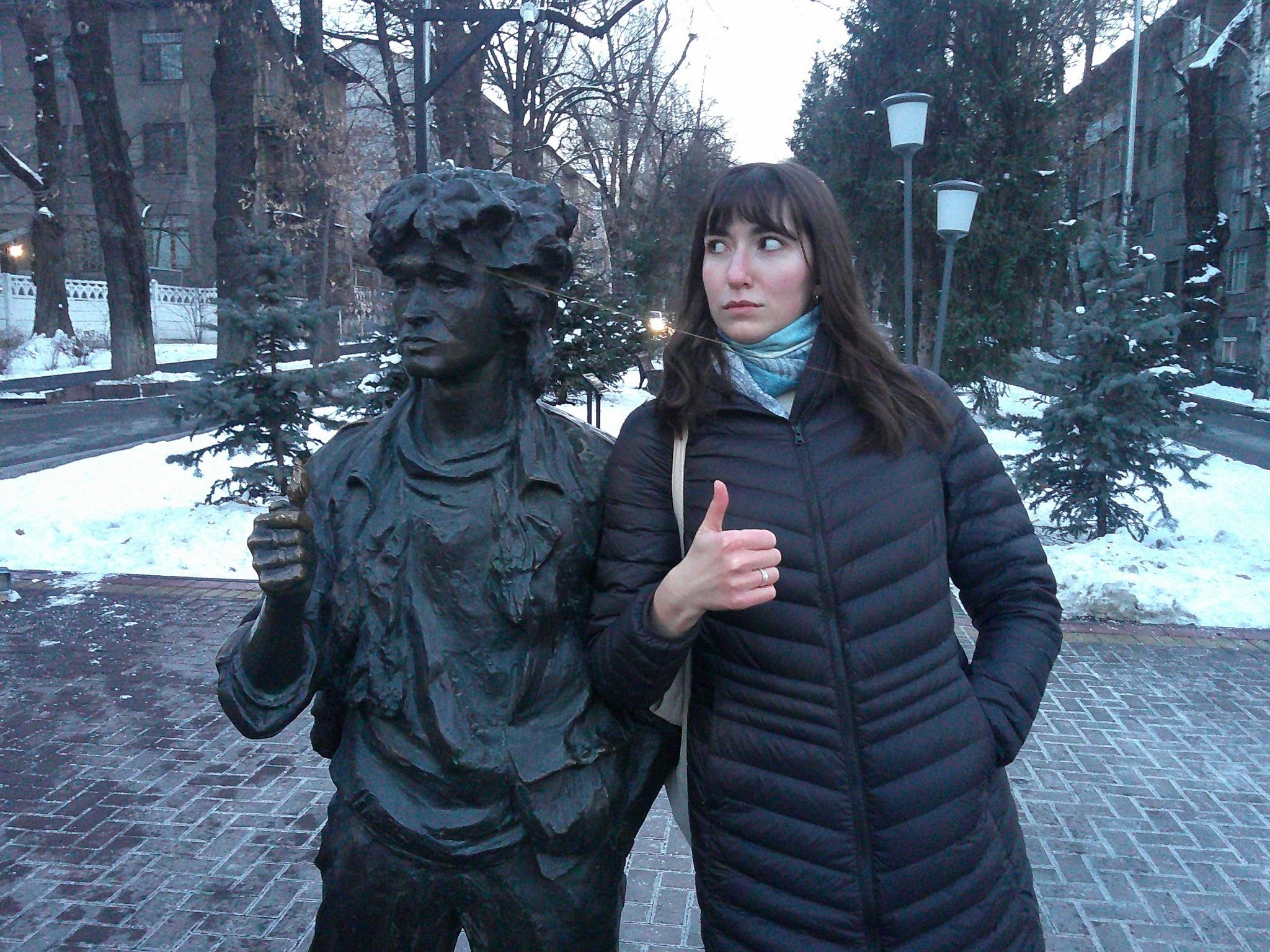
I never knew I could miss a city so much before spending an eye-opening semester in Almaty. Growing up as a child in an Army family, I never spent enough time in one home to truly appreciate the interconnectedness of a long-term community. In my view, home is where the heart is, and my heart is with the people I cherish and value the most – not necessarily a place. Now, with an adult perspective, I realized just how much a place can mean to me after spending just shy of four months in the mountain-valley town of Almaty. Whether I walked the snow-crusted streets to go to my favorite cafes, grasped a handle on the single line metro, or stared out of the rainy window of a trolleybus, I felt connected to the life I had built there through my environment for the first time. I had grown my community there, and I saw that community reflected throughout the city through scattered memories and nostalgia.
So, even though the city rained for me the day of my departure flight, I was filled with a strong feeling that it wouldn’t be my last visit to Almaty.
Language of Love
My main mission was simple: study Russian language and culture to improve my skills for my future career. Along with about a dozen other Americans, I embarked on American Council’s Advanced Russian Language and Area Studies (RLASP) program for my study abroad with that exact mission in mind. I achieved my goal, launching past my anticipated milestones in all testing categories of reading, speaking, listening, and phonetics. Yet, I accomplished these feats in a much different way than I had anticipated. Kazakh friends and acquaintances I met during my time abroad have touched my heart in unexpected ways. Even though the city commonly jumps between Russian, Kazakh and English, I found that hospitality was the most important language to people in Almaty. In such a multicultural, liberal city like Almaty, people were raised to practice kindness to strangers, and help if they can. One day early on in the program I struggled to communicate with a coffee bar barista, I had tried to ask for an extra cup. Suddenly, a girl my age spoke with me in English, saying she’ll ask in Kazakh for my extra cup. I thanked her, and upon handing me my cup, the girl looked at me and said “No problem, welcome to Kazakhstan” with the most sincere smile – and then she walked away. Following this incident, I came to learn that most Kazakh people are happy to help foreigners understand their beautiful city and culture.

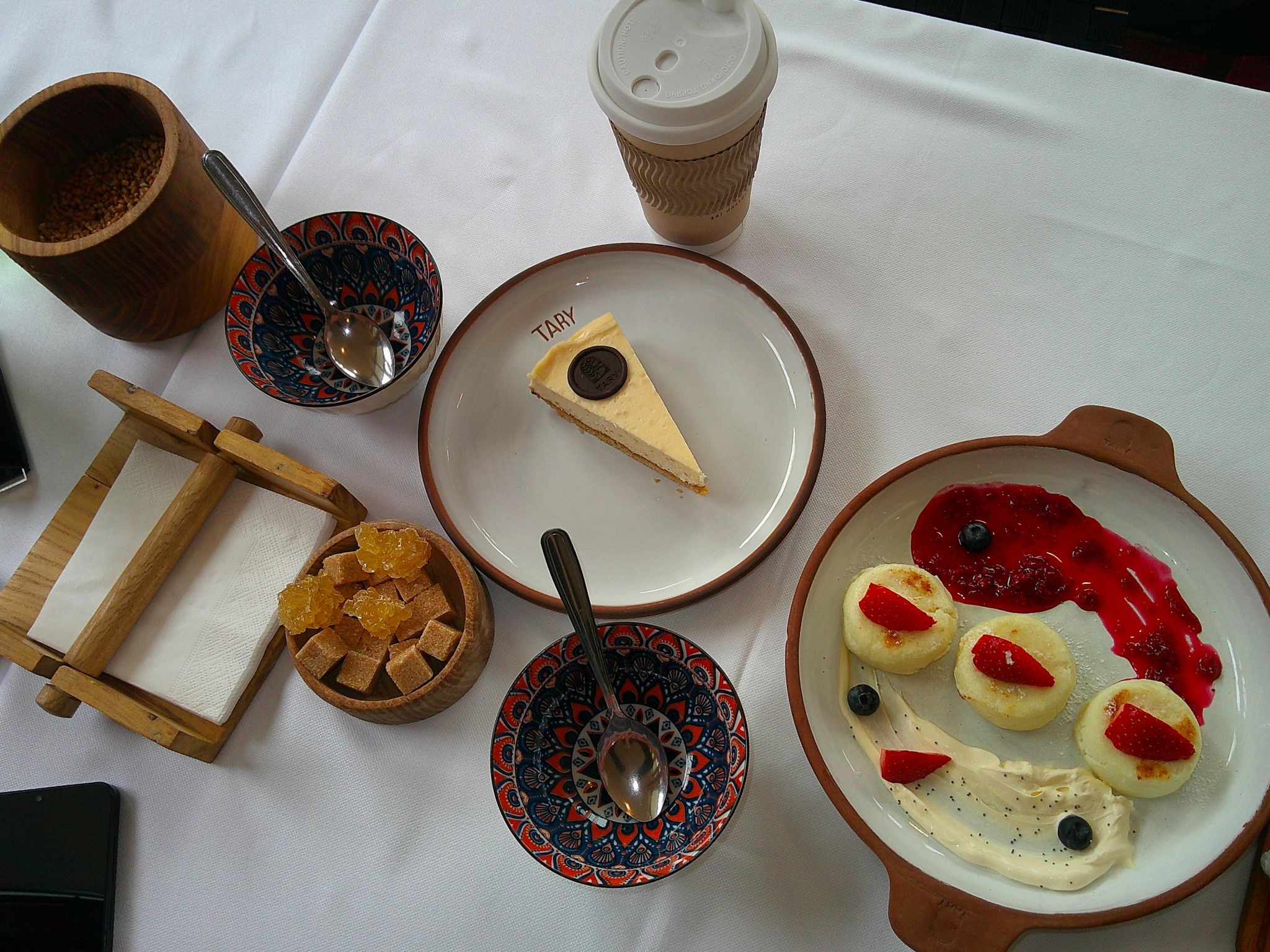
One extraordinary act of hospitality was shown by my friend’s mother, Indaliya. Here at Miami, I made a friend natively from Almaty, and she was overjoyed that I would be experiencing her home town. Once I got settled in, I reached out to that friend’s mother, and the two of us spent a lovely morning together. Indaliya led me through a wonderful snowy hiking path, bought me a Kazakh breakfast, and sponsored a small photoshoot with Kazakhstan’s national clothing. It was one of the most peaceful mornings during my time at Almaty, and I loved connecting with her and practicing my Russian with such a remarkable and caring soul. After my morning with Indaliya, it sparked inspiration within me to show the same kindness to foreigners in my own country upon returning home.
Conversations Over Late Night Chai
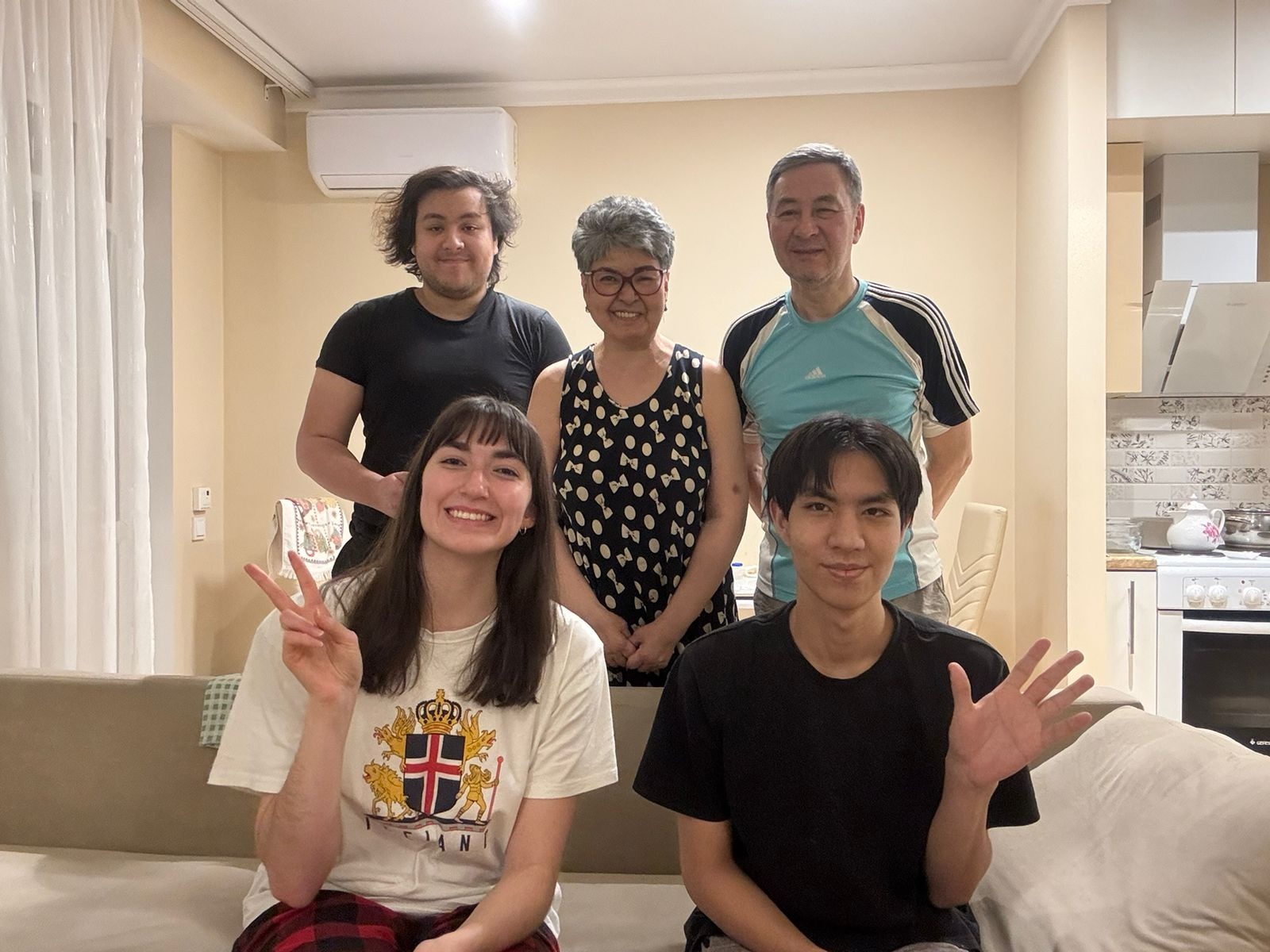
Of course, one of the greatest acts of hospitality I had witnessed was the continued endeavours of my host parents and family. I had the privilege of staying in the home of a lively host family with two parents and two brothers. Everyone was very welcoming when I arrived jetlagged and confused at 1:00am. My host brothers greeted me at the airport with a sign that read “Olivia”, which they were waving enthusiastically. I didn’t even know what time of night it was, but upon seeing their joy I knew instantly that I would be well-taken care of.
The first month or so, I was understandably struggling to communicate, as my Russian wasn’t as strong in the beginning as it was at the end of the program. That’s where my incredible host mom, Almagool (Алмагуль), stepped in. Immersive language practice can be quite fatiguing, especially when you’re constantly surrounded by an environment and culture you aren’t fully aware about. Having had many previous host students from different countries, Almagool knew this quite well. Every night that I was home, we would eat dinner together and drink chai with chocolates, talking about any and everything. Sometimes, I would only have the capacity to listen to her after a long day of university immersion. Still, even listening practice helped me to pick up certain phrasings or constructions. Almagool was very invested in my growth and progress, and I seriously doubt that I would have achieved the Russian level I am at today had it not been for her care and attention. She truly became a second mother to me, and I text her to this day with updates and my happenings back here in Oxford. It’s strange really, the thought that half way across the world I connected with my host parents so deeply that I felt like I gained a second family. I like to think of it as another reminder for me, that love knows no boundaries of language or culture, and it can take many forms – such as music for example.
The Universal Language of Music
One day I was speaking with my host dad, Sanjar (Санжар), and I discovered that he had a passion for music, particularly old rock songs. He would play several songs on his phone, sing along, and we would both listen in the company of one another. As he pressed play on “House of the Rising Sun” by The Animals, my eyes widened and I sat straight up. I told him it was my favorite, and then it was his turn for his eyes to widen. “House of the Rising Sun” was his favorite song as well. I vividly remember him turning up the volume and signing the lyrics in Russian, while I sang in English. Hearing the two languages mix together was beautifully unique, and I couldn’t quite believe we knew and loved the same song in a different language. At Sanjar’s birthday karaoke two months later, he grabbed my hand, looked intensely into my eyes, and said to me: “You know what to sing”. I became rather well known in the family as the American singer at this point. Every other verse or so, I would look over at Sanjar, and he had the biggest grin on his face. I was so happy and proud that I could make his birthday special by bringing a song from my own language to him and his family members at such a celebratory event.
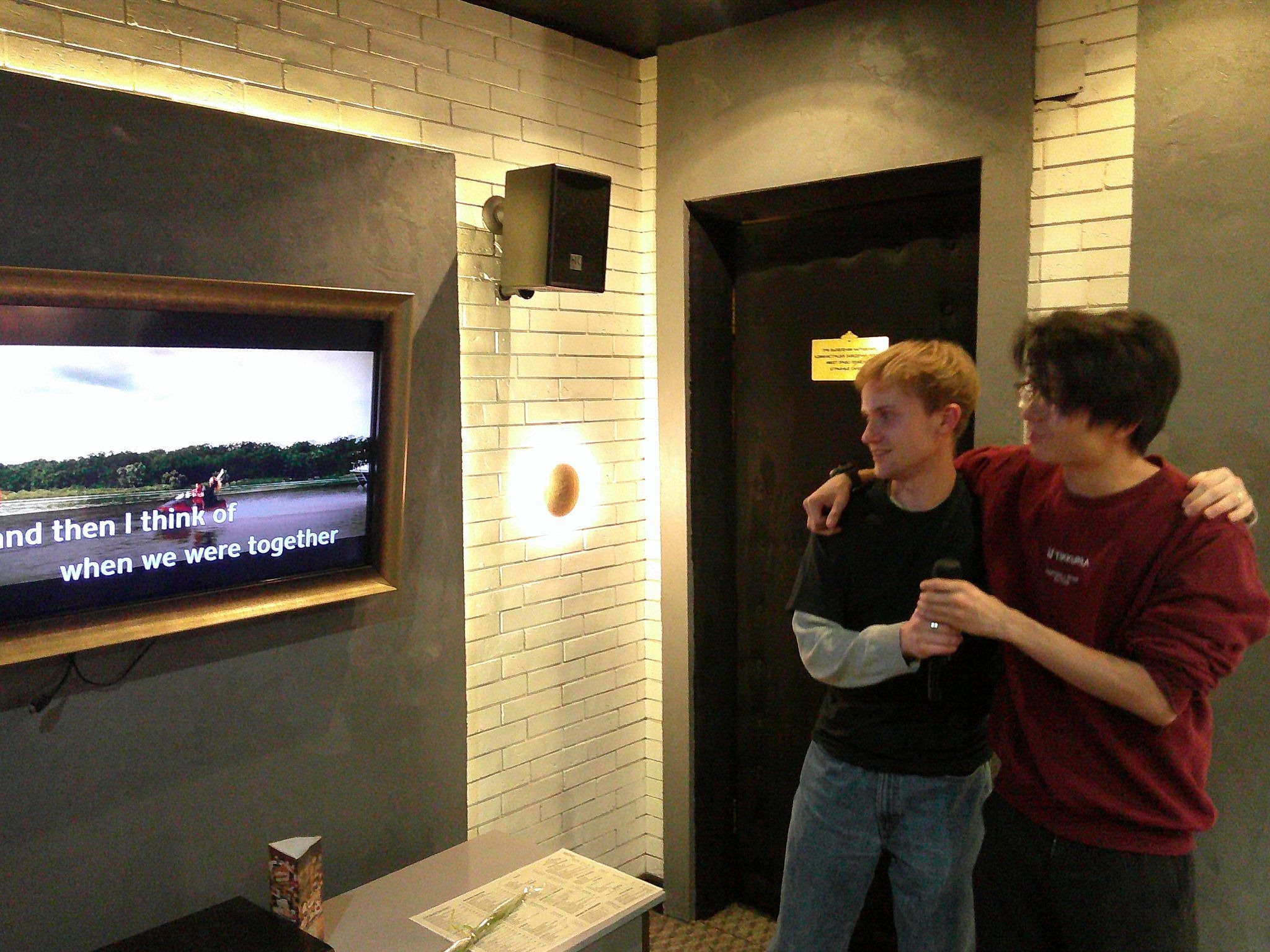
Even with native friends and language partners our age, karaoke nights were a big hit in bringing people together. Sometimes we sang in Kazakh (to the best of our ability), sometimes in Russian, and sometimes in English. Music was an exploratory medium to learn more about language and culture, as some native friends learned more about American culture through our American song picks. Dancing and singing with friends quickly became one of my favorite activities after school hours.
Escapades through Tian Shan
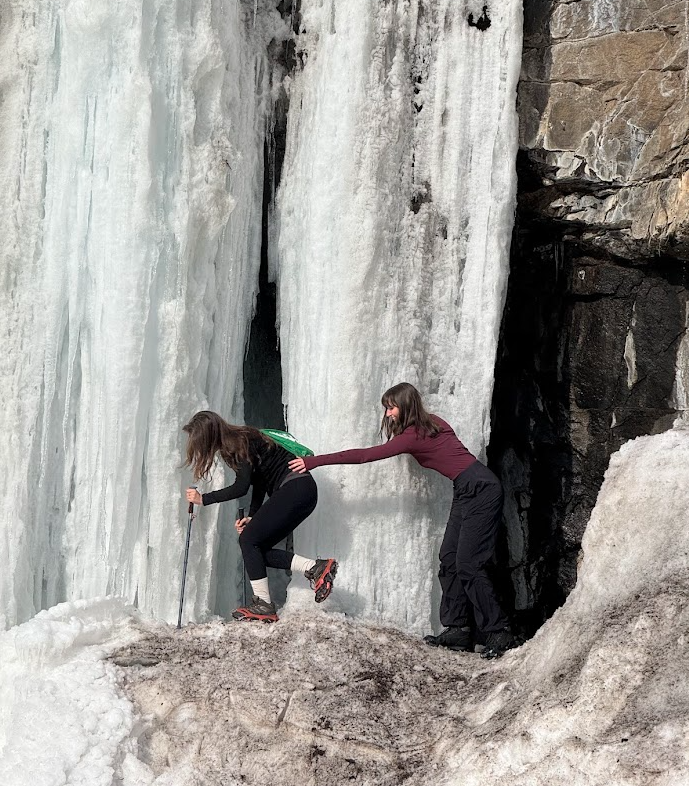
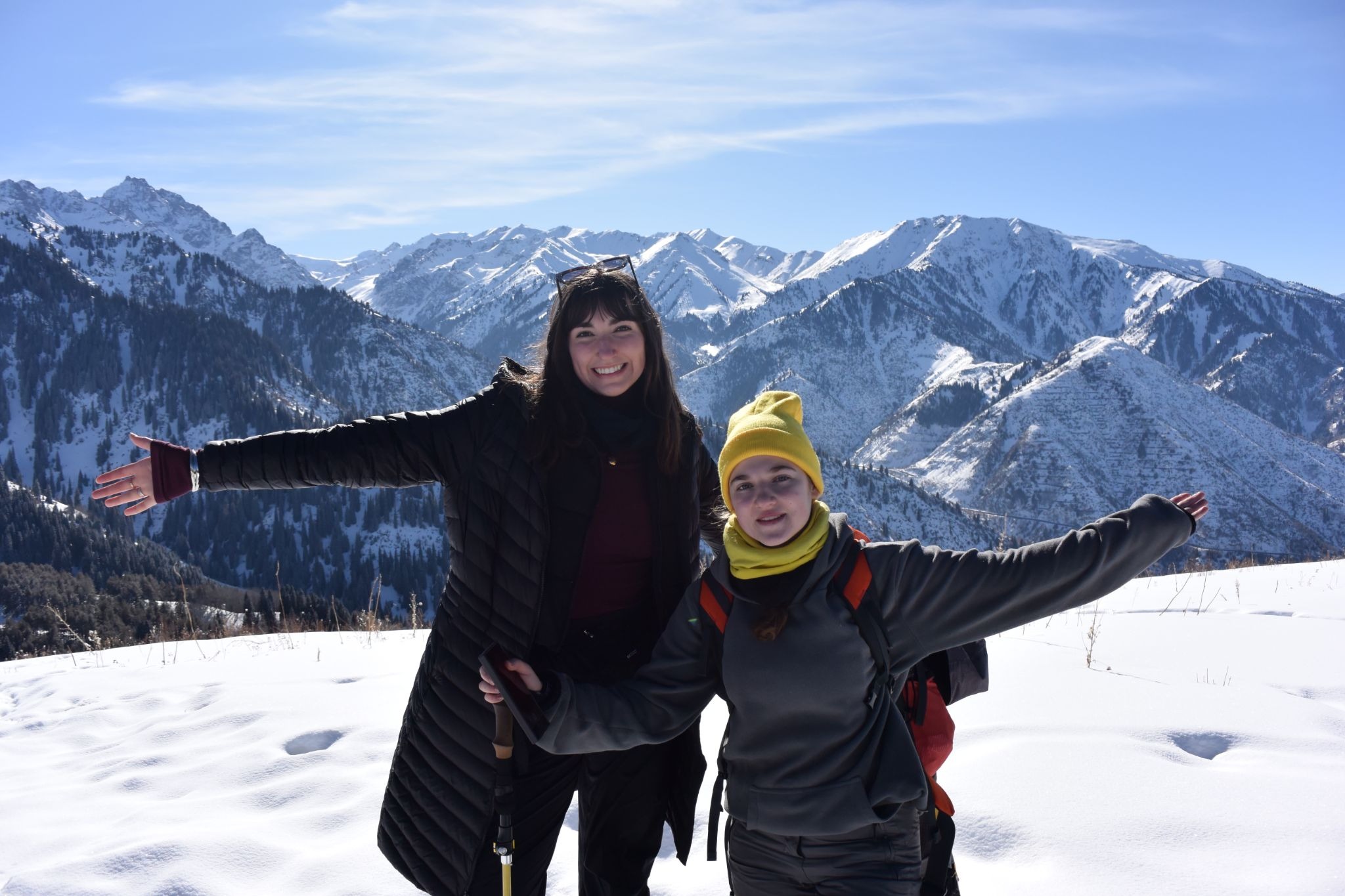
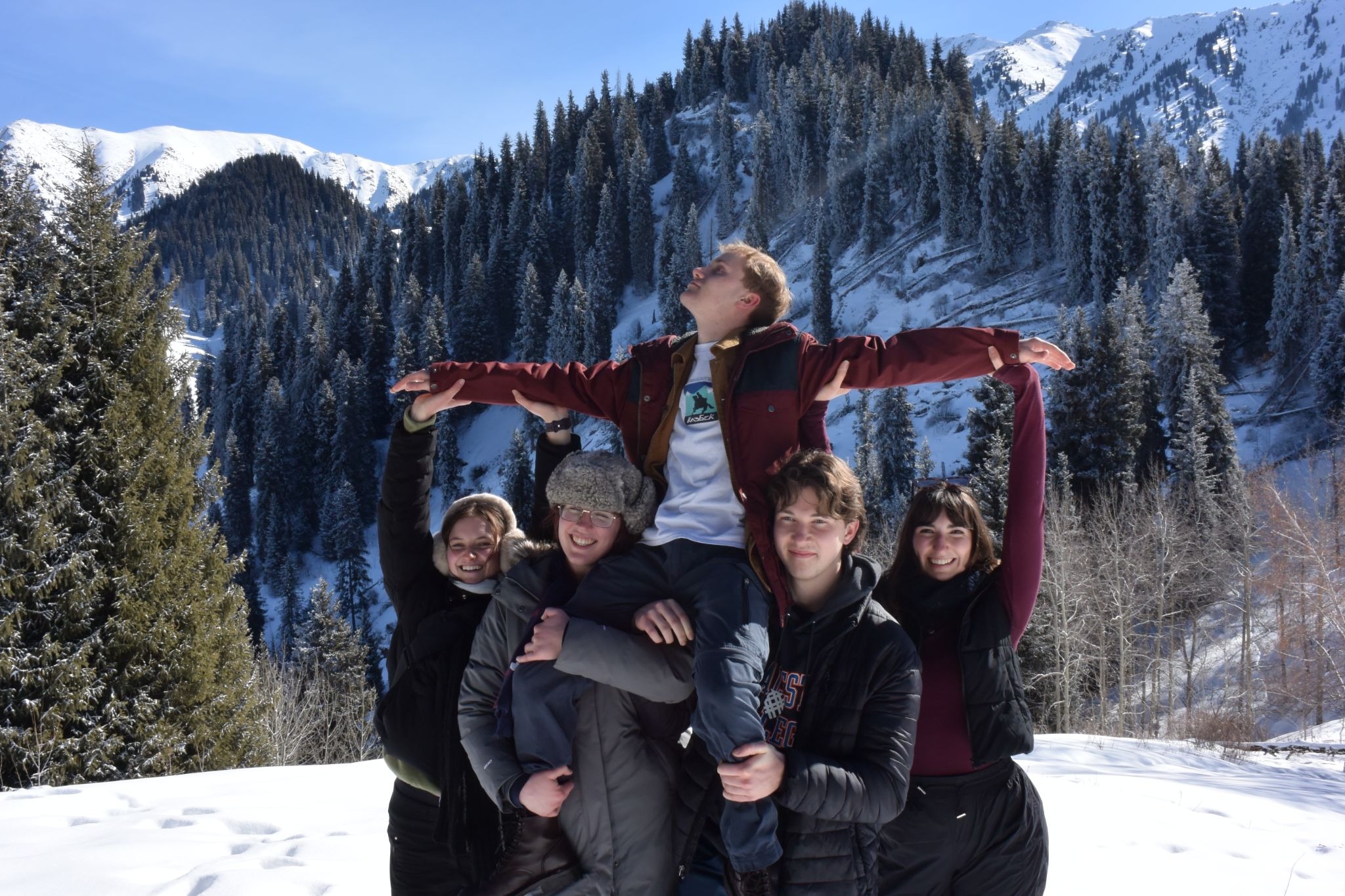
Speaking of after school activities, I fervently enjoyed spending time in the snow capped mountains of Almaty’s Tian Shan range. Sometimes I would hike with strangers, sometimes with my American friends, and sometimes with my foreign friends. Like music, hiking was a medium for us all to connect regardless of our language fluency. One day, I spent six hours in the mountains with no service, speaking only Russian with my Bulgarian and Tadjik friends. Another time, I enjoyed slipping and sliding down hilly snow fields with my American friends. The mountains served as a safe place to exercise, get to know each other better, and breathe in fresh, clean air. Almaty is one of the world’s top 25 air polluted cities in the world, so the mountain air became a refreshing respite for all of us on the program.
Probably one of my favorite days in the mountainside was when I met my friend Aliona. She had offered to take my picture, and we ended up talking for at least an hour while my friends had a mini snowball fight. Throughout my time in Almaty, I ended up meeting up with her several times for walks, dinner, karaoke and more. We learned from each other, and it was so rewarding to understand her more and more each day as my language improved.
Why study Russian abroad?
Other than this program being the single coolest experience of my entire life, there are definite, concrete reasons to study abroad and learn Russian. In the job market today, candidates with a non-native language proficiency find employability fifty percent more likely. This is due to their heightened understanding of the world and its thousands of differing cultures, perspectives, and traditions. Literacy across culture is extremely important the more globalized our world becomes everyday. Studying abroad has exposed me firsthand to the struggles of reconciling differences, and working to find compromises or common understandings. Additionally, studying Russian in particular allowed me to connect organically with an entirely different group of people that have been historically chastised in the Western political sphere. Studying critical languages is essential in learning the niches and backgrounds of people’s identities. With these foundations of understanding, trust and diplomacy can be built – and real friendship can begin.
Skills Applied
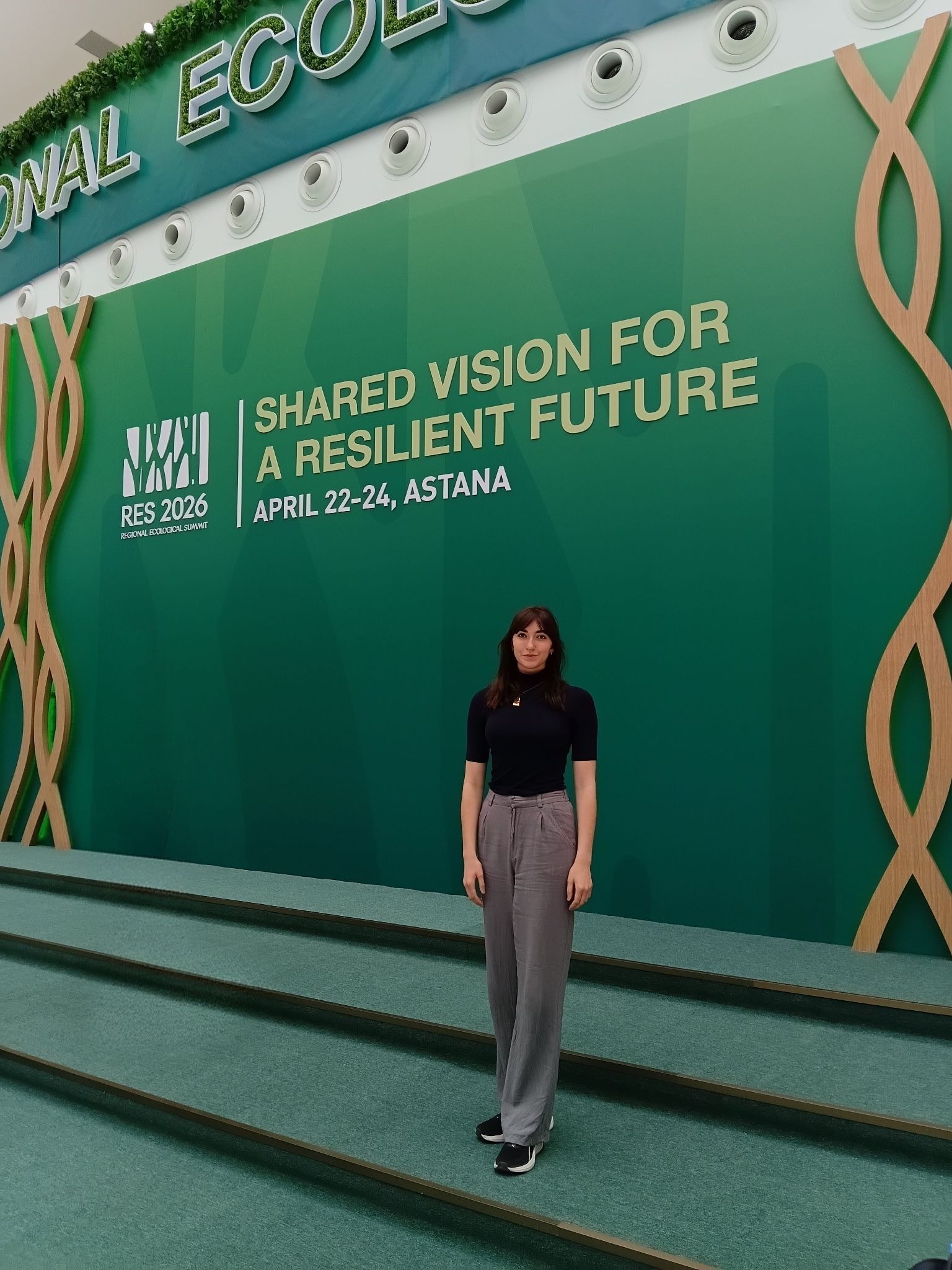
Perhaps my proudest moments during my spring study abroad experience came from my solo traveling. I had planned to do independent research during my time abroad, and this desire led me to attending the Regional Ecological Summit (RES) 2026, in Kazakhstan’s futuristic capital city Astana. The RES is a UN-sponsored event where governmental, non-governmental, non-profit, consulting, and foreign powers come together to discuss sustainability in the continued development of Central Asia. I have been interested in sustainable development and renewable energy for a while now, and thought it was the perfect opportunity to explore these issues during my time abroad.
Thanks to Miami University’s Havighurst Center for Russian, East European and Eurasian studies, I was able to secure a travel grant for airfare and lodging in Astana during the time of the conference. I felt like a fly on the wall attending such a monumental gathering of domestic and international powers collaborating as one. Discussions were held in three languages: Russian, Kazakh, and English. Many people, including myself, walked around with headphones for live translation as a courtesy to foreigners. The entire experience opened my eyes to see what it was like to attend a complex policy summit. I marveled at the amount of contributing careers, ideas, and organizations that all held hope for the betterment of Central Asia’s future. On the plane ride back to Almaty after the three day summit, I knew I had chosen the right career pathway.
Not goodbye, see you later
Out of all the fantastic opportunities that I’ve pursued studying abroad, I’ll cherish the people I’ve met most of all. I learned to face the discomforts of immersion based learning through hard work and determination, and as a result met some truly amazing people in the process. My teachers hold a special place in my heart as well, as they never gave up on me and encouraged me every step of the way! I hope to return to Kazakhstan one day and reunite with everyone that had impacted me there – hopefully over some warm chai on a snowy winter’s night.