

Side Quests You Can Put On Your Resume
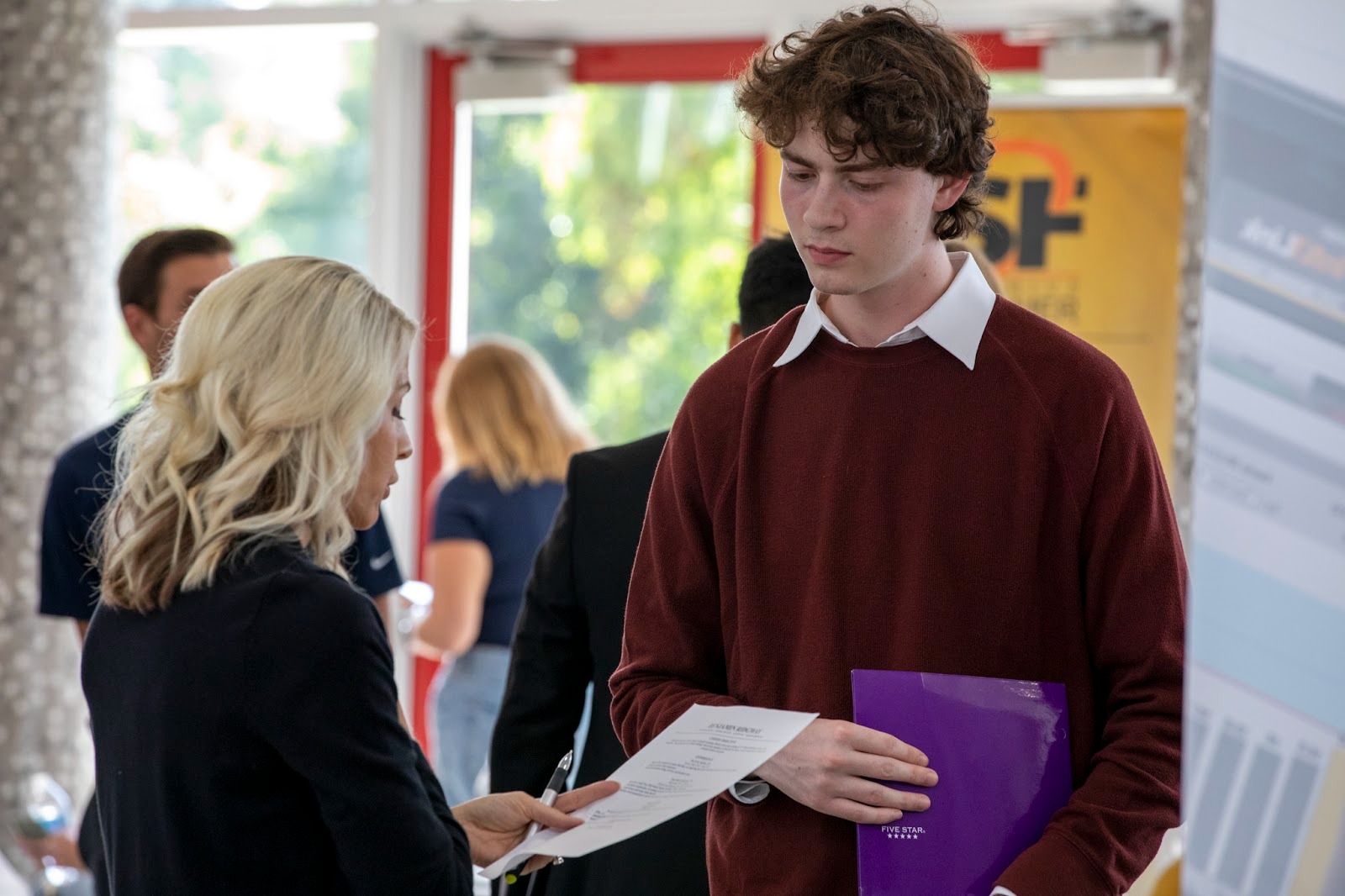
The career fair is this week. If your resume is looking a little light, or you simply want to diversify your resume by framing the right experiences, here are some side quests that you can include in your resume!
Class Projects (The Ones You Carried)
If you led a semester-long consulting project, built a policy brief, ran data analysis, coded an app, or presented to actual professionals, that’s project execution, not just a class.
Therefore, instead of the classic “Relevant Coursework: International Marketing,” you can try to reframe it into “Led four-person team to develop a 30-page international market entry strategy; presented to industry professionals, and earned highest evaluation in class.”
This shift highlights your experience-building journey.
Conferences (Where You Actually Had a Role)
Did you present? Organize? Represent your org? Moderate discussions?
That’s leadership and professional engagement.
Whether it was a campus summit or something like the National Model United Nations, what matters is what you did there.
Include your role and its impact: Represented Model UN for Miami University, facilitating cross-cultural negotiations with 200+ delegates.
Competitions (Pressure Builds Skill)
This practice is especially useful for STEM-related majors.
Experiences such as case competitions, Startup Weekend, Hackathon, and debate tournaments allow you to analyze and work on real problems. You might have even built solutions. Regardless of the fact that you did or did not win the competition, participating in competitions signals initiative and resilience. Not everyone signs up to be evaluated publicly.
Coding Projects (Self-Initiated = Powerful)
Another classic for STEM majors.
Did you:
- Build something for fun?
- Automate a workflow?
- Create a dashboard?
- Publish on GitHub?
These all show initiative, something many employers greatly value.
Shadowing Experiences
This is somewhat of a newer strategy, but apparently it works pretty well.
Shadowing is exposure. If you observed professionals closely and asked good questions, you gained insight into decision-making, operations, and leadership dynamics.
Put “Shadowed executive director; observed strategic planning meetings and analyzed program evaluation metrics” to show your engagement, skill, and curiosity.
Research Projects
Research projects typically demand self-motivation, commitment, and independent thinking. They can be great examples of your personality and capabilities. Whether it’s for a class or a fellowship, especially if you eventually presented the project at conferences or published it, include that in your resume.
Don’t downplay your accomplishments. Not everyone does research.
Study Abroad Experiences
For many people, study abroad experiences are very transformative. And please do not reduce this to: Studied abroad in Spain, May 2025.
If you navigated academic systems in another country, engaged in intercultural dialogue, conducted field research, or operated in another language, that’s adaptability and global competence.
Final Pep Talk
You probably have more than enough experiences to put on your resume. Not everything has to be in the traditional professional experience box. “Side” experiences that are highly challenging and allow you to grow and develop professionally deserve the spotlight too. You just have to frame them in the right language.
Good luck!
Chi Truong | Class of 2026