

Rating Common Student Worker Jobs On Campus
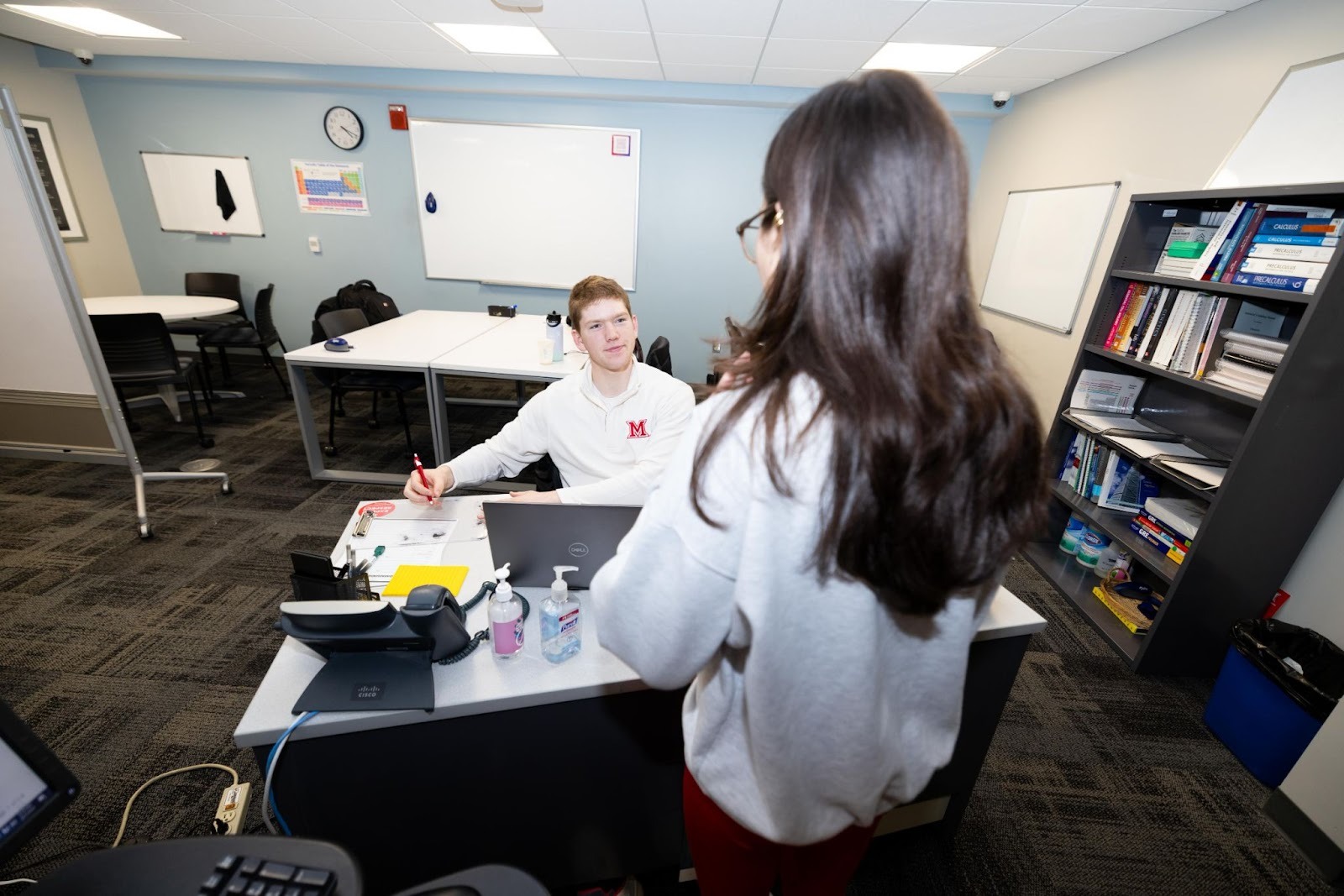
Many of us overlook the most obvious resume builders sitting right on campus: student jobs.
Not all campus jobs are created equal, and they each teach you different things. Some help you survive financially. Some build real professional skills. Some do both.
After trying a few myself and watching friends go through many others, here is my very unscientific take on the most common student jobs on campus.
Dining Halls: The Financially Smart Starter Job
Dining jobs usually pay some of the highest hourly wages on campus. If your goal is to make money quickly, this is one of the most reliable options.
The tradeoff is the work itself. It can be physically tiring, repetitive, and not always the most glamorous. Also, the skills you gain may not directly connect to the field you plan to eventually enter.
That said, I actually think dining jobs are perfect for first or second year students. They teach time management, responsibility, and work ethic. You also get comfortable balancing work and classes early on. Those habits matter more than you might think.
Short version: great for stability and income, especially when you are just starting college.
Resident Assistant: Big Benefits, Big Responsibility
The most obvious benefit of being an RA is the housing. Free or heavily subsidized housing is a massive financial advantage during college.
But the job goes far beyond that. You build leadership skills, conflict resolution abilities, and a deep understanding of community building. You become the person students come to when things go wrong or when they simply need support. It’s also a job that speaks for itself on a resume. Everyone has a pretty good idea of what the job entails.
The difficult part is that residence life does not operate on a nine-to-five schedule. Situations can happen late at night. Your sleep schedule can suffer. And sometimes you carry emotional responsibilities that can be challenging.
Still, if you want to grow as a leader and learn how to support others, this role shapes you in ways few campus jobs can.
Orientation Leaders: High Impact, High Energy
Orientation jobs come with some of the best compensation packages on campus. Pay is solid. Meals are often covered. And you usually get extra perks along the way.
But make no mistake. This is not an easy job.
The hours are long, the schedule can be chaotic, and expectations are high. You are responsible for helping new students navigate one of the biggest transitions of their lives. That takes energy, patience, and emotional awareness.
What you gain, though, is huge. Public speaking, leadership, crisis management, teamwork, adaptability. These are skills employers love to see.
It is the kind of job that pushes you to grow quickly. Exhausting at times, but incredibly rewarding.
Armstrong Student Center Jobs: Leadership You Can Grow Into
If you spend time in Armstrong, you have probably seen students setting up events, helping visitors at the desk, or running around solving last-minute problems. That is the Armstrong student staff team.
What makes these jobs interesting is the clear promotion structure. Many students start as event services specialists, helping with event setups and logistics. From there, you can move up to assistant building and event managers, and eventually building managers, the top student leadership role that oversees building operations, event tech, high level problem solving, and manages all other student staff during shifts.
There are also roles like information services specialists, who help visitors navigate campus, and student engagement specialists, who support marketing and programming.
The biggest perk? The team culture looks genuinely fun, and unlike many campus jobs, Armstrong has a system where students can move up, gain leadership experience, and sometimes earn bonuses along the way.
Rinella Learning Center: A Resume Goldmine
If you enjoy academics or helping others learn, the Rinella Learning Center offers some of the strongest resume-building jobs on campus.
Students can work as tutors or Supplemental Instruction (SI) Leaders, helping classmates review course material, build study strategies, and prepare for exams. SI Leaders even attend the class they support and run two collaborative review sessions each week.
There is also a short training course on tutoring methods, which makes the role feel more like a professional learning experience than a typical student job.
The hours are manageable (usually 6–10 per week), and the experience looks great to employers and graduate schools because it shows communication, leadership, and mentoring skills.
Student Assistants in Campus Offices: My Personal Favorite
This category includes jobs like student associates, front desks, communications assistants, and similar roles across campus offices.
In my opinion, these are some of the most valuable positions students can get.
The work is usually manageable but still challenging. You might handle communications, help organize events, assist with research, manage digital platforms, or support major campus initiatives. The tasks often feel closer to real professional work than some other campus jobs.
Another huge advantage is flexibility. Many offices allow you to choose your own hours, which makes balancing school much easier.
Also, the connections are incredible. You work directly with staff and administrators who have long careers in higher education and beyond. Those relationships often last well past graduation.
The only downside is that the experience can depend on the office itself. Some places give students creative freedom and meaningful responsibilities. Others are more administrative.
When you find the right office, though, it becomes one of the best professional learning experiences you can have in college.
My Personal Experiences
After a few years on campus, here is where my own experiences land.
SOUL (Student Orientation Undergraduate Leader): This was one of the most intense and rewarding things I have done in college. The hours were long, the expectations were high, but the growth was real.
Student Associate roles in campus offices: These positions helped me mature professionally. The expectations were real, and that pushed me to grow into someone who could operate in a professional environment. I learned how organizations function, how to communicate across teams, and how to handle responsibility.
Scholar Leaders community advisor: Not technically a paid job, but the scholarship, mentorship, and experiences were incredible. The connections and leadership opportunities shaped a big part of my college journey.
The Real Takeaway
A campus job is not just a way to make extra money. It can also become an important training ground for your future career.
The key is choosing the one that matches where you are in your college journey. Early on, you might just need stability and income. Later, you might want something that pushes you intellectually and professionally.
Either way, do not underestimate what you can learn from working on campus. Those experiences add up faster than you think.
And when the next career fair rolls around, you might realize your campus job already gave you more stories to tell than you expected.
Chi Truong | Class of 2026