

Latest Posts
-
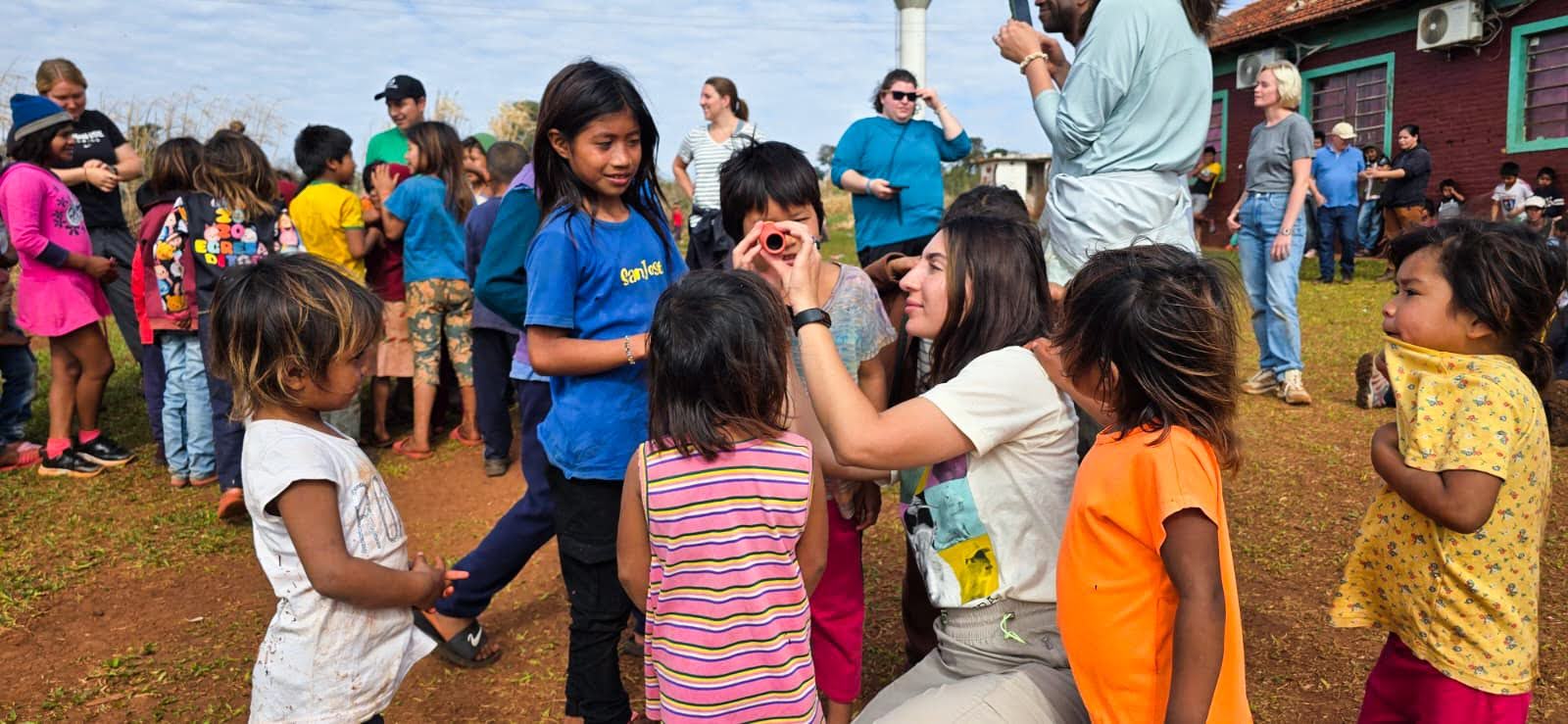
Conservation, Community, and Resilience: Reflections from Earth Expeditions Paraguay
By: Giulia Manca Below, please watch Giulia’s heartfelt video reflection of her transformative experience in her Earth Expeditions Paraguay course: https://youtube.com/shorts/0a0cnyIY21A?si=r4EEv-gjpZ25t0TR Through my Earth Expeditions Paraguay experience, my idea of conservation completely transformed. Learning from different cultures and Indigenous communities opened my eyes to how deeply environmental injustice is tied to social injustice. This journey…
-
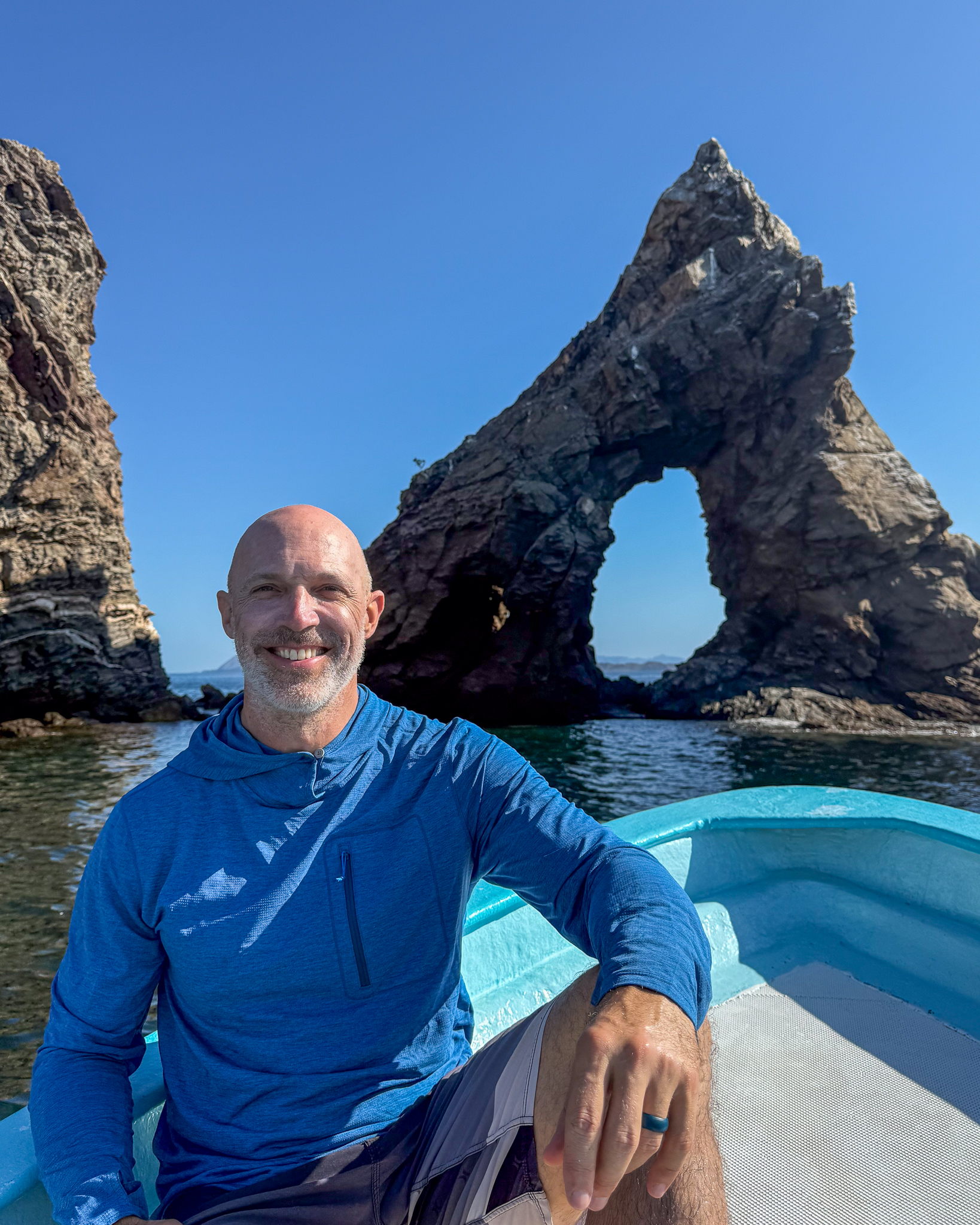
The Wild and Beautiful Adventure: Reflections from Earth Expeditions Baja
By: David Madden “Some of the things I will always remember… start with immense gratitude. Gratitude for all of you and the wild and beautiful adventure.” (excerpt from David’s reflection video) Please see his heartfelt video below: “It really was that sense of place that stood out for me. Even going to bed at night…
-
Become a Dragonfly Ambassador! (with 2026-27 Updates!)
Help Us Find the Next Generation of Conservation Leaders Word-of-mouth is our most powerful recruitment tool! Thank you for helping us get the word out about Project Dragonfly. We are confident there are people in your circle for whom this program would be truly life-changing. To start, go here and request to join our Dragonfly…
-
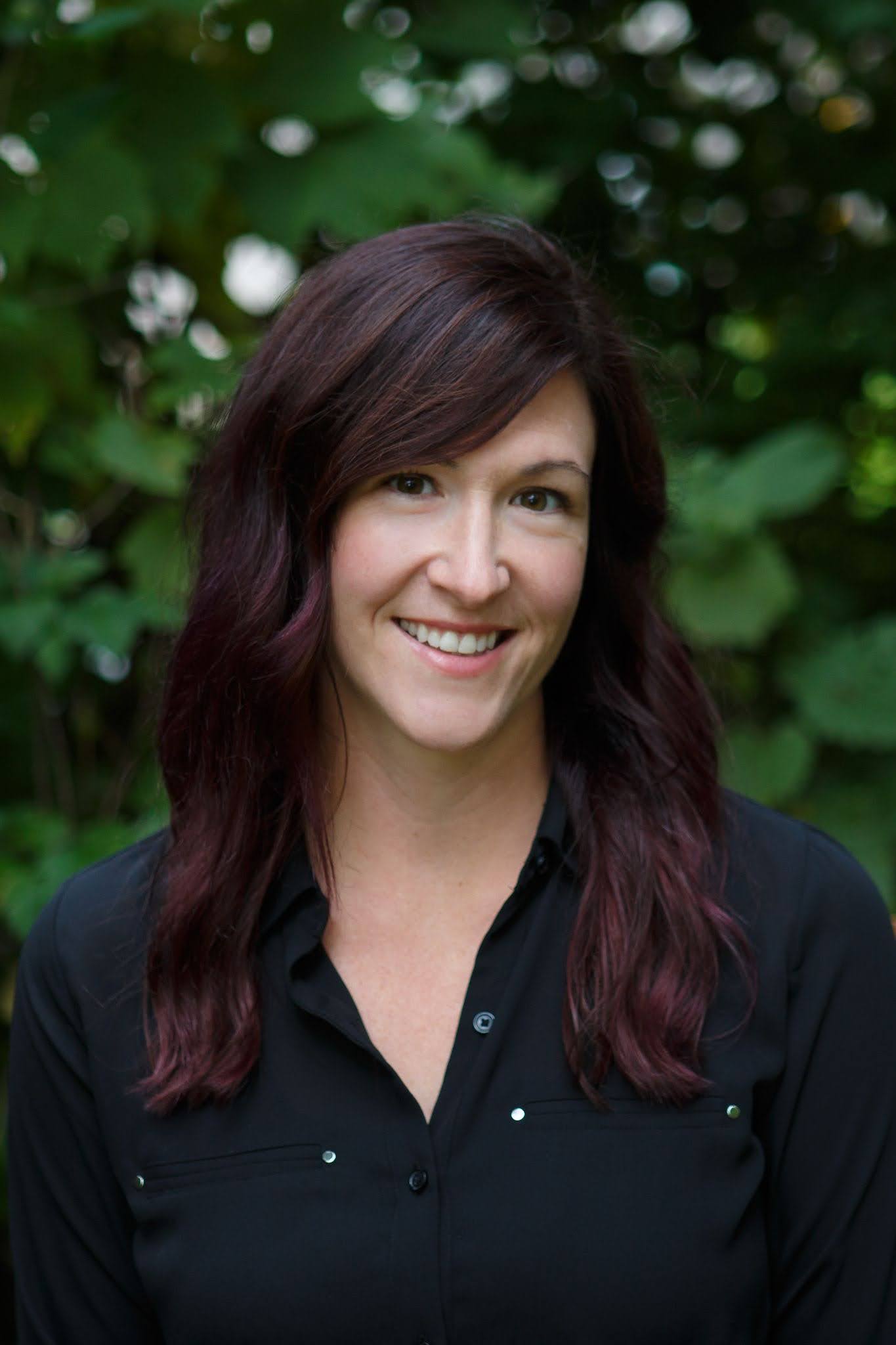
How to Capture Powerful Local Conservation Stories
In this episode, host Kevin Matteson talks with conservation photographer, filmmaker, and 2024 Global Field Program graduate Christy Frank. From navigating the complex agricultural tensions surrounding Lake Erie’s algal blooms to locking eyes with a wild orangutan in the canopy of Sumatra, Christy has dedicated her career to bearing witness to the natural world. But…
-

The Nuts and Bolts of Nuts and Bolts
By Elynn Severson’s Fifth-Grade Class, Lincoln Elementary, Fargo, North Dakota Editor’s Note: This post is a vintage treasure from the Dragonfly Magazine archives, originally published in the November/December 1997 issue. Featured below, the story of how a class of inquisitive fifth-graders turned everyday classroom hardware into an engaging investigation of physical science and machinery. The…
-

How NASA and Biology Collide: Insights from Barbra Sobhani
From the Great Sand Dunes of Colorado to the craters of the moon, Barbra Sobhani is proof that conservation leadership knows no atmospheric bounds. In this episode, host Kevin Matteson sits down with Barbra—a Project Dragonfly AIP graduate, State Director for the NASA Colorado Space Grant Consortium, and a Master Birder—to discuss how studying life…
-
Seeking the Past: Building the Athabascan Environmental Physics Trail in Alaska
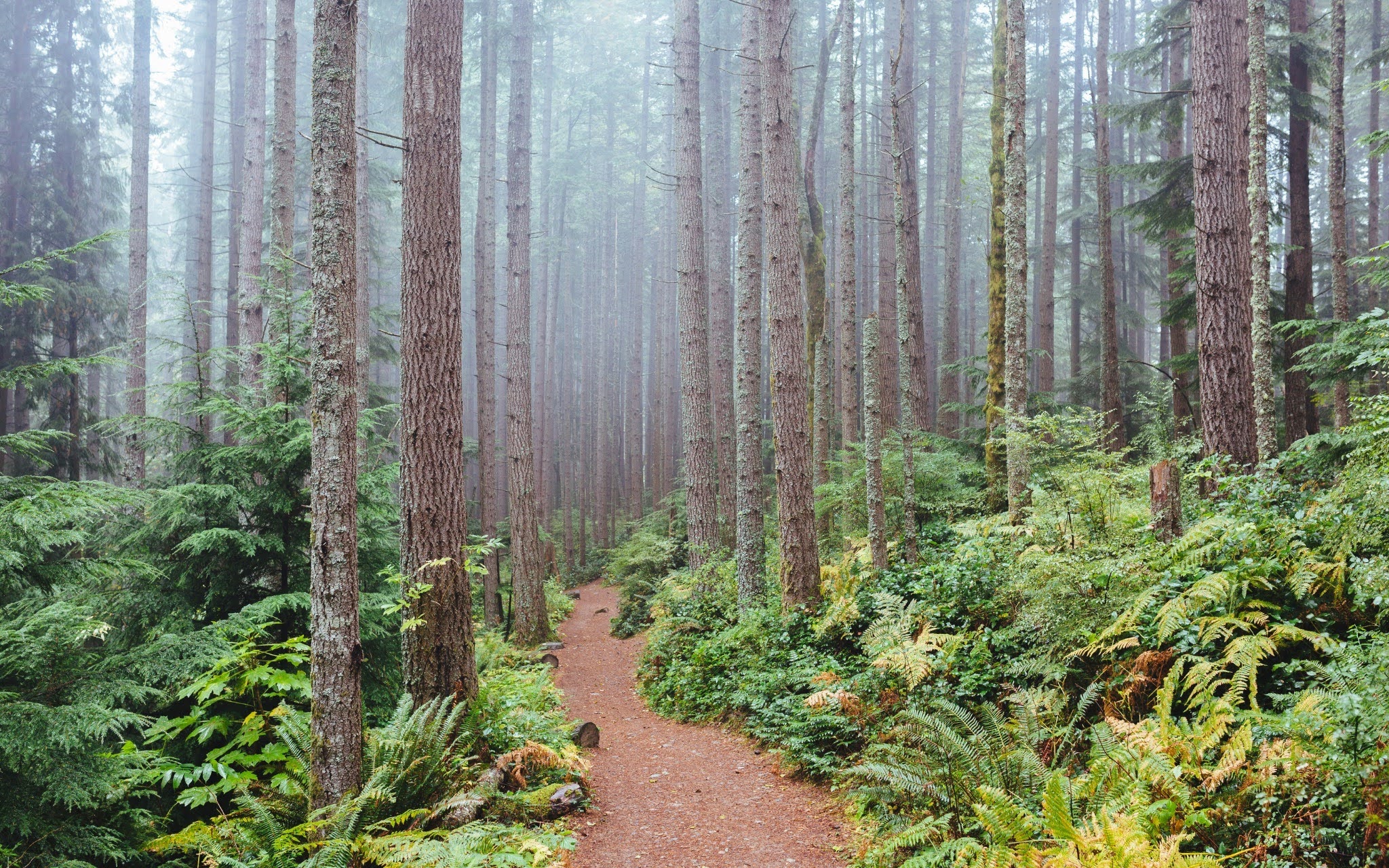
By the Elementary and Junior High Classes of Judith Onslow, Kathleen Fariday, and Mary Klopfer Girdwood Elementary Junior High School, Girdwood, Alaska Editor’s Note: This post is a vintage treasure from the Project Dragonfly archives, originally published in Dragonfly Magazine in the late 1990s. It highlights the incredible ways students can connect local history, indigenous…
-
Any Job Can Be a Conservation Job
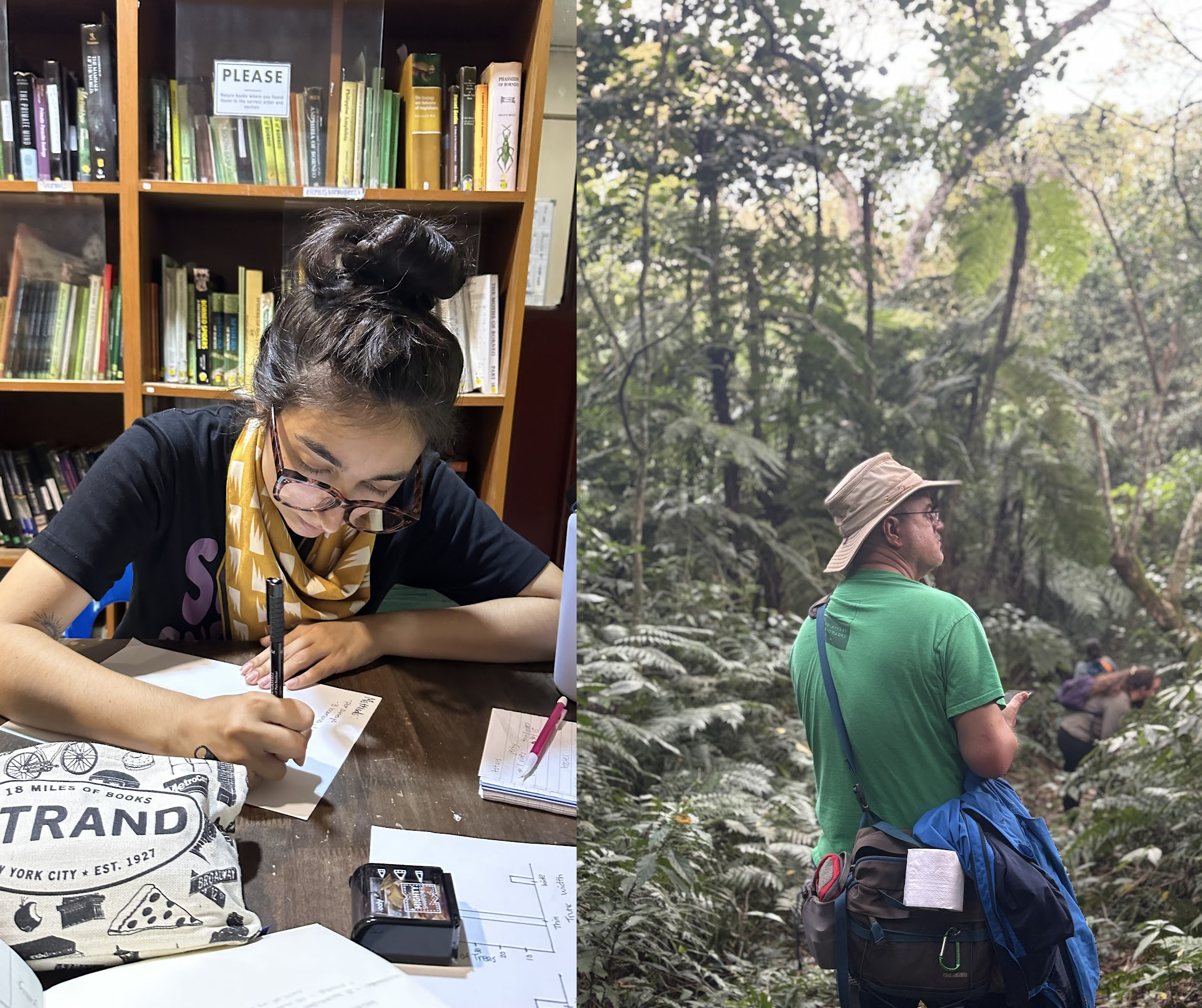
The Problem: The Myth of the “Perfect” Conservation Job By Kevin Matteson The environmental and conservation world seems so alluring to so many people. When we picture a “conservationist,” the image that comes to mind is almost always the same: a field biologist in khaki waders trekking through pristine, exotic landscapes, directly contributing to saving…
-
Rain-culture: Personal Transformation in the Western Ghats
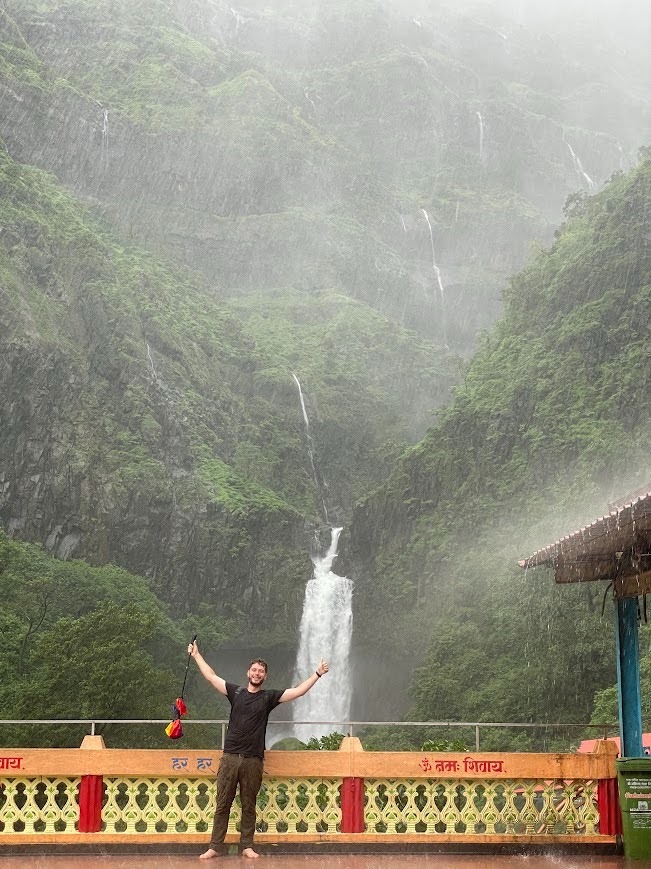
By Jack Schaefer An obvious theme that linked the whole India experience was rain. It is something that everybody manages in their life all around the world, but to be in the Western Ghats during the monsoon season gave me a new appreciation and understanding of rain. Here in Cincinnati, the common perception of rain…