

By Devlyn Stubbs
My name is Devlyn Stubbs. I am a 46-year-old father of two and a graduate student at Miami University, Ohio. In December of 2024, I embarked on a study abroad course with Miami University’s Project Dragonfly in Oxford, Ohio. Project Dragonfly, in collaboration with the University of The Bahamas, facilitated a study abroad course that brings students from around the world to the islands of The Bahamas for an immersive educational experience. The programme engages environmentally focused students pursuing postgraduate degrees to gain hands-on experience in biodiverse countries.
Currently, I am a partner at Pat’s Nature Garden, a training institution recently receiving national accreditation by the NAECOB in 2026. Our focus is providing “grassroots” or community-based extracurricular programmes. As a dog trainer with over 20 years of experience, our mission is to create platforms for future trainers and environmentally conscious youth.
“The experience thus far has been beyond enlightening, providing training that has enhanced my knowledge, awareness, and life’s path.”
Empowering Youth and Community
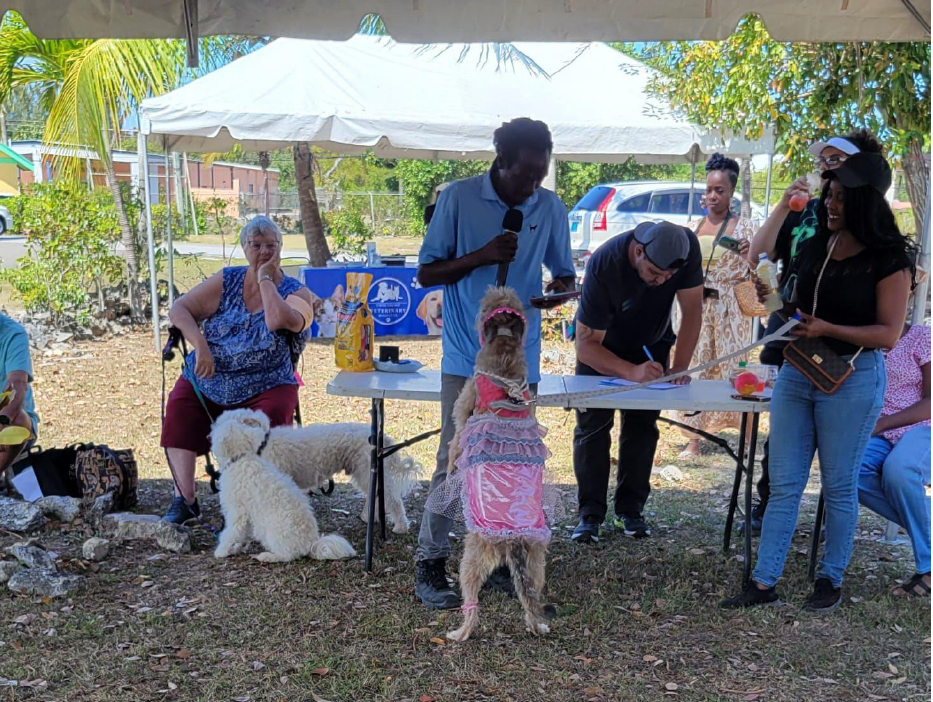
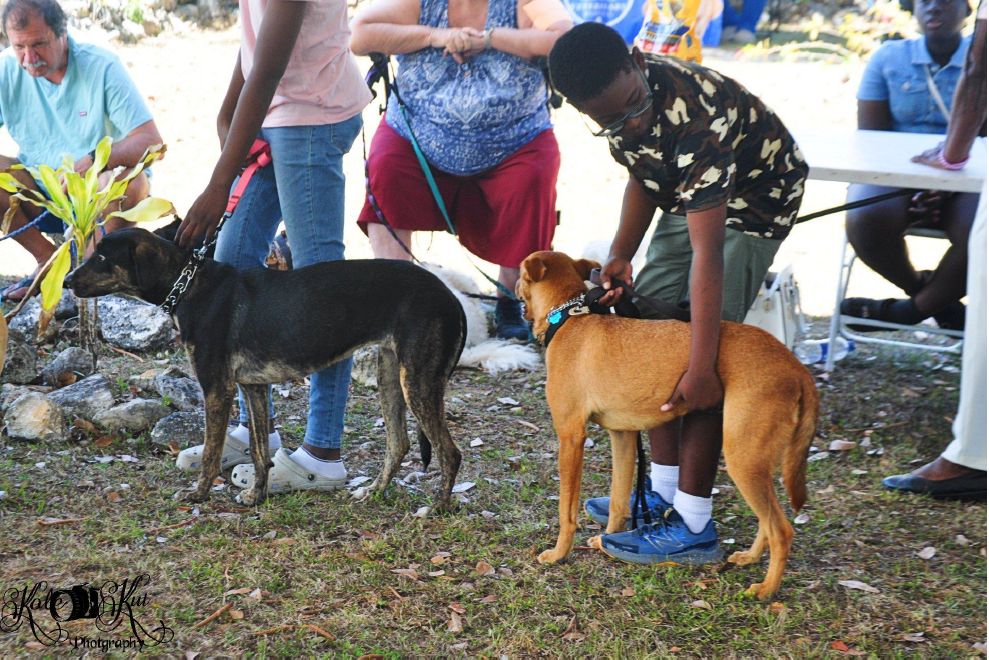
Our community efforts are diverse. Pat’s Nature Garden hosts an annual dog show called the Potcake Awards, which is dedicated to supporting rescue organizations and raising national awareness about dog welfare. Potcakes are beloved Bahamaian mixed-breed street dogs, sometimes referred to as “island mutts” that are free-roaming throughout the island. They got their name because locals traditionally fed them the leftover rice and peas caked onto the bottom of cooking pots. While admired for their intelligence and ability to survive in a semi-feral state, increased care and awareness about overpopulation is needed.
The first Potcake Awards event was launched in March of 2025, transforming the Dolphin Drive campus into a vibrant celebration of Bahamian dog culture where pampered pups, spirited potcake dogs, and devoted families gathered for a day filled with fun.
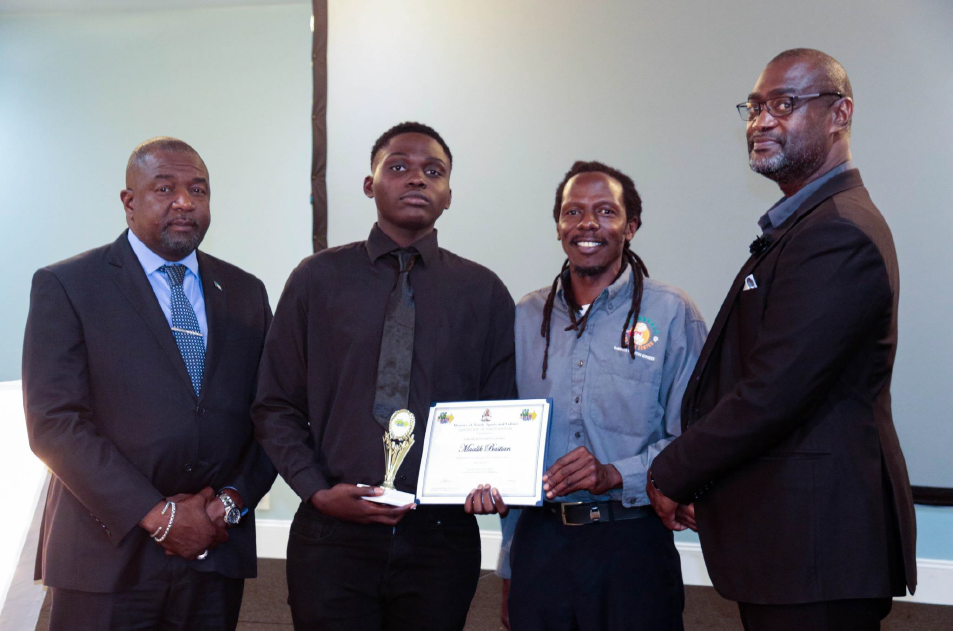
Furthermore, the Dog Star Job Training Programme recently celebrated the graduation of five dedicated students from the Job Ready Program on May 14th, 2026, at The Courtyard Marriott, Junkanoo Beach. This specialized curriculum, conducted at the Stapledon School therapy and service dog training room alongside our own facilities, provided students with a rigorous introduction to animal behavioral psychology and professional care.
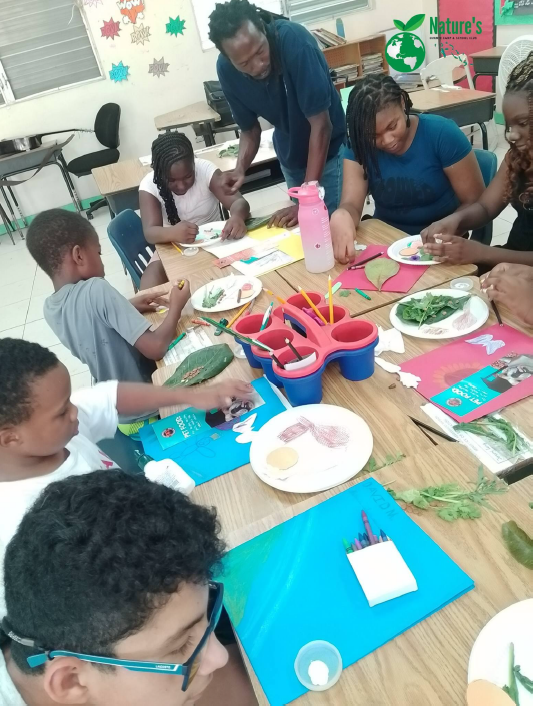
We also coordinate Jr.’s Nature Summer Camp, which partners yearly with the Ministry of Youth and has been held at multiple schools from Nassau, New Providence to Harbour Island, Eleuthera Bahamas. Initially launched in 2003 with a focus on dog training and animal care, we also have broadened our scope to include backyard farming and environmental stewardship.
“Embracing our ‘camp on the go’ theme, students are exposed to in-field learning of indigenous knowledge practices such as herbal or ‘bush tea’ processing & packaging, farm, and national park tours.”
Building a Regenerative Future
I am currently working toward establishing an Agroforest-Silvopasture “stray dog sanctuary” that will grow edible, non-edible, and medicinal plants. Pat’s Nature Garden is partnering with Bay Teas Ltd. with the long-term goal to establish a ‘regenerative food forest’. The site will incorporate the training of rescue, conservation, therapy, and service dogs, while providing wildlife corridors connected to the adjacent Perpall Tract National Park. The silvopasture approach will convert manure to fertilizer for non-edible plants, creating an ecological approach that combines both human and dog-related needs into what I describe as the human-dog interface.
The Research Path: Dog Ecology and Food Security
In a human-dog ecosystem, both human and non-human needs are valued. The Ministry of Agriculture oversees both sectors: dog ownership as well as food security. Because as much as 90% of food is imported into The Bahamas, this dual oversight by the Ministry points to an understudied nexus between stray dog population management and food security.
Through Project Dragonfly’s community leadership challenge, I aim to organize facilitated discussions that encourage stakeholder collaboration between regulatory government agencies, NGOs, and the community. I seek to determine the reasons for dog abandonment and uncontrolled breeding from a community-based perspective, and investigate how the Department of Agriculture’s fiscal allocation impacts the animal control unit’s efforts to lower stray and roaming dog populations. Ultimately, my goal is to fill data gaps at the intersection of stray dog population management and conservation as they relate to dog ecology in The Bahamas.