

By Jack Schaefer
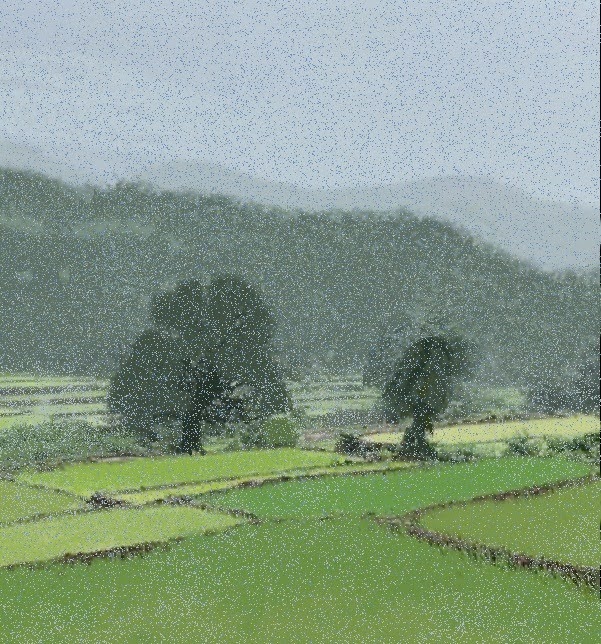
An obvious theme that linked the whole India experience was rain. It is something that everybody manages in their life all around the world, but to be in the Western Ghats during the monsoon season gave me a new appreciation and understanding of rain.
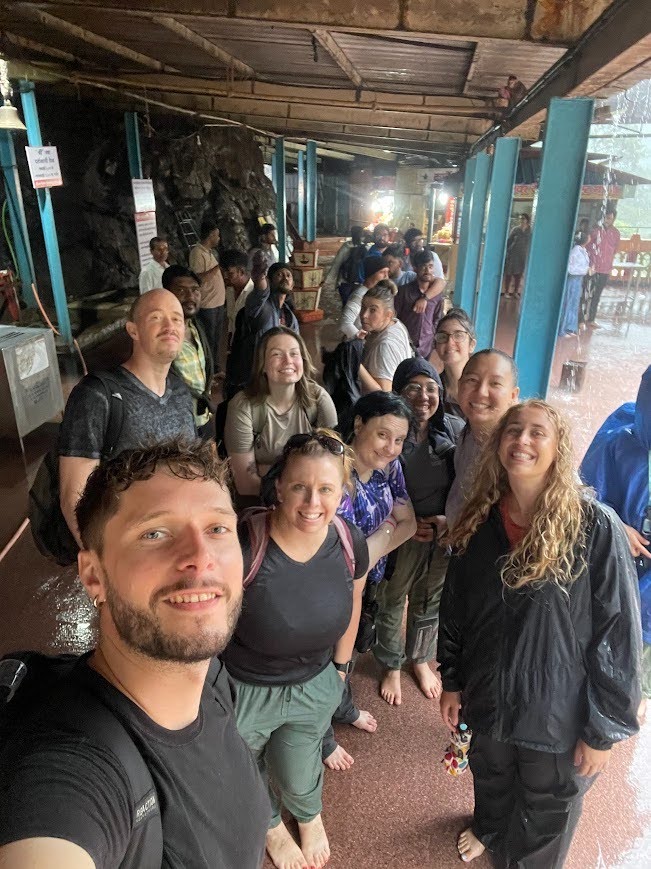
Here in Cincinnati, the common perception of rain seems to be as an enemy. People greet each other in the store with a statement, “It looks like it’s going to rain today. What a shame”. When it starts to rain, people will run to avoid it. Events are cancelled when the prediction of rain is at the level of “possible”.
In my field, working as a professional gardener, rain is usually a blessing. Sure, there are times throughout the year where my team wants to plant something, and the soil is too muddy to dig. But generally, rain is a sign that the garden will be nourished, and we can spend the day calmly preparing for the next day.
The rain-culture I saw in India was almost the complete opposite of what I know in my hometown of Cincinnati. I know that being together with a group of naturalists was perhaps not the typical sample of Western Indian culture, but the rain seemed to bring smiles and conversation. Akshay and Omkar were thrilled to go snake hunting in the downpour. After our field experiences, it was a pleasant pastime to sit on the porch and watch the rain while chatting. We spoke to the AERF team about what the rainy season meant to the villagers: that they were done with planting, and they could wait for the rice to grow on for a few months. Omkar told me he loved the rainy season because it wasn’t so hot.
Perhaps the most telling example of the difference in rain-culture was that people either prepared to be wet or they didn’t, but they didn’t seem to be upset when the rain started. Our colleagues would either open an umbrella, put on a hood, or calmly accept the rain.
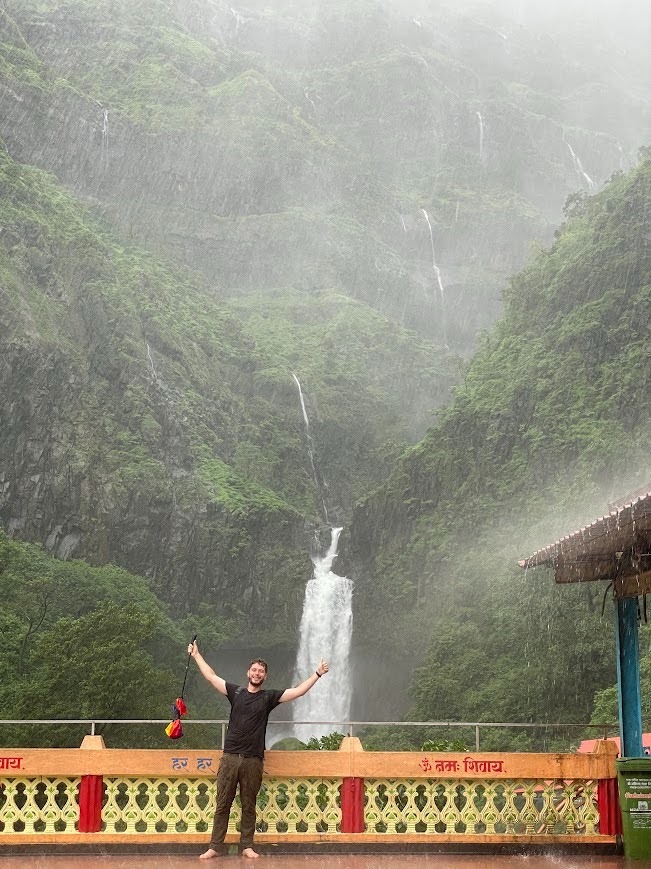
Seeing how a different culture responds to rain seems simple, but I think it is a beautiful example of how life is all about perspective. Rain is, to some, an annoyance and a ruiner of experiences. To others, it brings balance, calm, and life to the earth.
Author Biography:
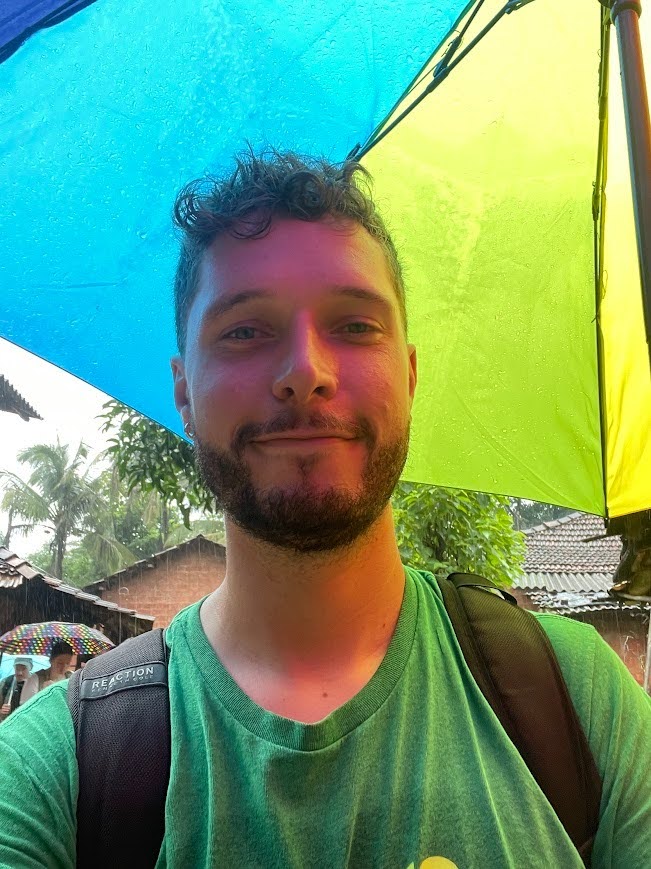
Jack Schaefer works at the Cincinnati Zoo and Botanical Garden. He found Project Dragonfly when a coworker told him how much the program had helped her achieve her goals of improving her community and progressing in her career. When he found out that she was able to achieve an advanced degree without leaving her current role at CZBG, he knew that he had found the perfect fit. He is currently enrolled in the Advanced Inquiry Program, and has already found that Project Dragonfly has supported his goals to become an engaged citizen of his local community and an active member in the global conservation community.