
Latest Posts
-
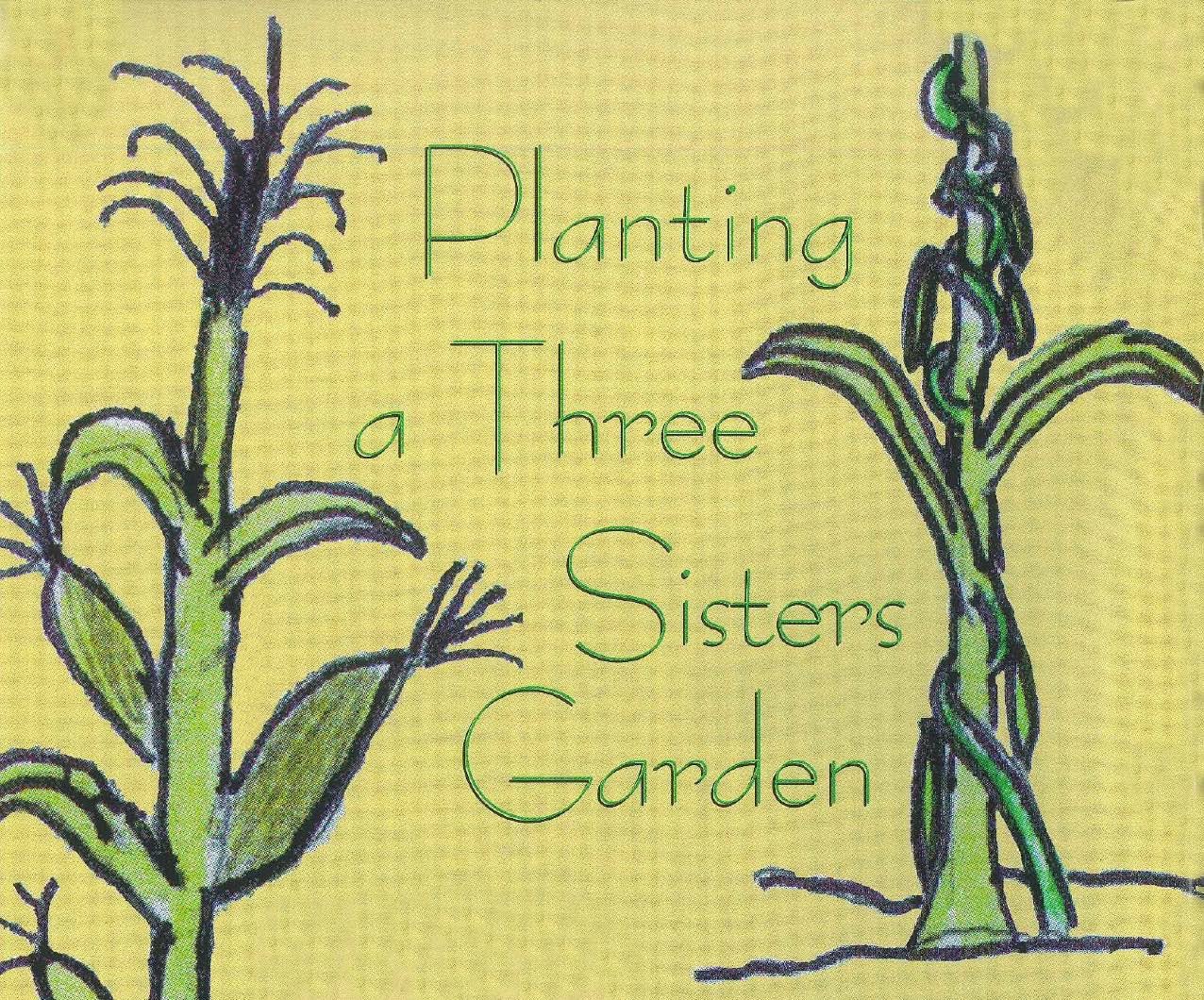
Planting a Three Sisters Garden: A Lesson in Symbiosis from the Archives
By Linda Kulas’s Fourth- and Fifth-Grade Class, Guilford Central School, Brattleboro, Vermont Editor’s Note: Originally published in Dragonfly Magazine in May/June 1997, this vintage treasure showcases how a classic Native American agricultural tradition can bring science, history, and community together in a schoolyard garden. The Spark What did people who lived on this continent five…
-
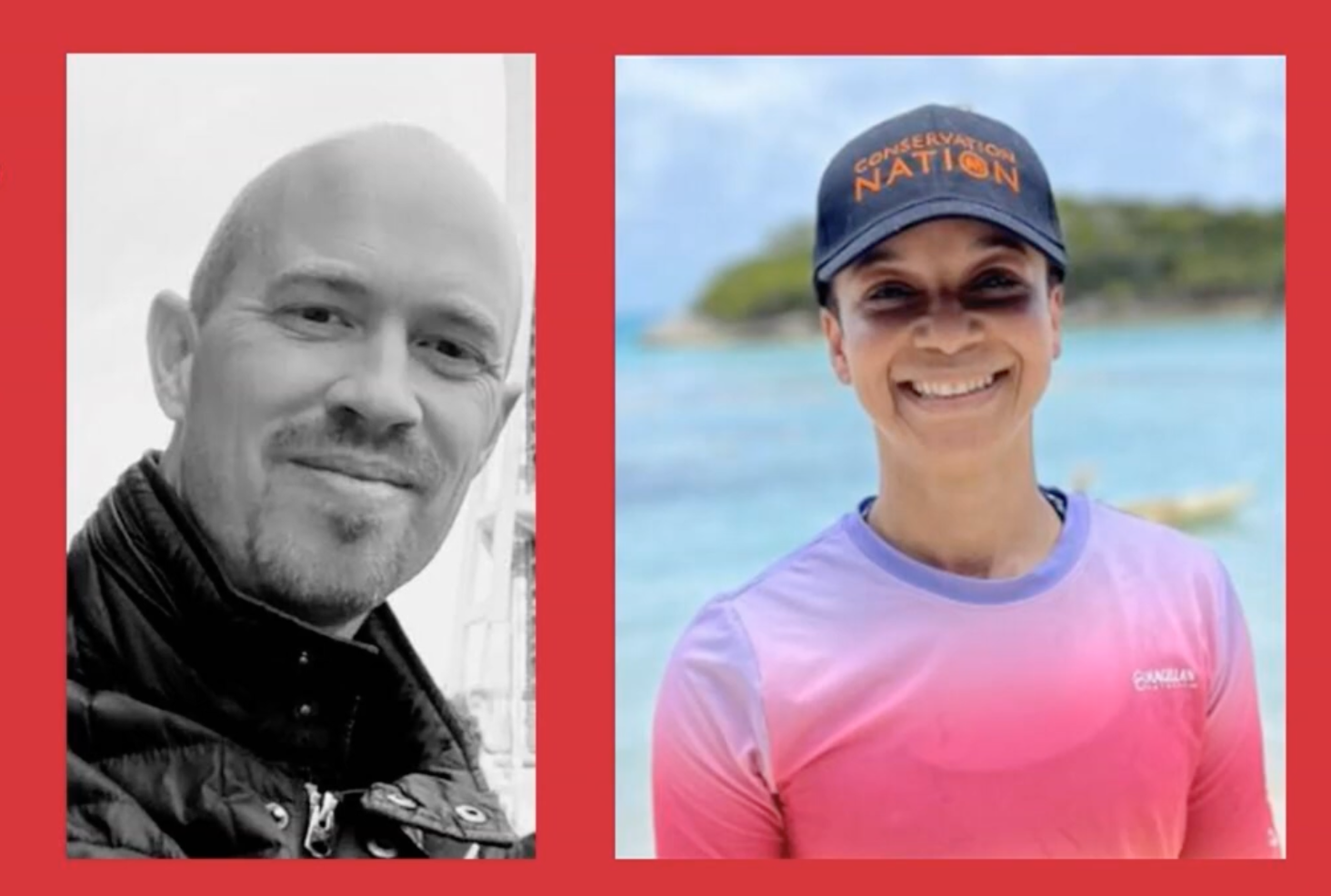
Leadership in the Tides: T’Noya Thompson on Conservation & Culture
From the vibrant reefs of the Bahamas to the desert landscapes of Baja, T’Noya Thompson has transformed her lifelong love for the ocean into a career of deep impact. In this episode, host Kevin Matteson explores T’Noya’s journey from a zookeeper at Moody Gardens to becoming a PhD candidate, the owner of Wild Spark Consulting, and the first Wildlife…
-

Bridging a Language Barrier: How the Internet Helped Us Make a Friend
By the Multi-Level Elementary Class of Donna L. Clovis, Riverside School, Princeton, New Jersey Editor’s Note: This “vintage” treasure from the Dragonfly Magazine archives (March/April 1997) reminds us that even in the early days of the web, technology’s greatest power was its ability to connect human hearts across vast distances. The Spark We attend an…
-
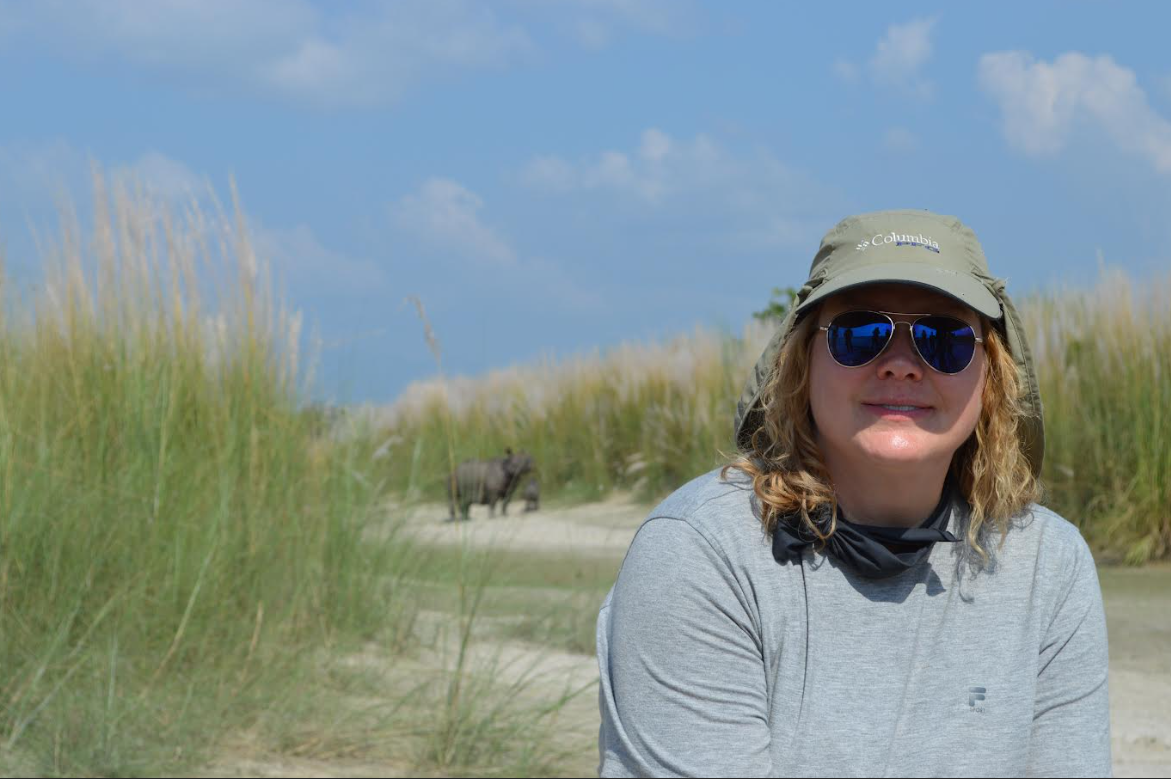
Why Conservation Needs a Human Touch: Lessons from Elephant Welfare
In this episode, host Kevin Matteson talks with Dr. Michelle Szydlowski to explore the complex, often misunderstood world of elephant conservation in Nepal. They discuss “anthrozoology” and why saving animals isn’t just about biology—it’s about understanding the multiple species we share this world with. 3 Key Takeaways The Hidden Gem Near the end, Michelle discusses…
-
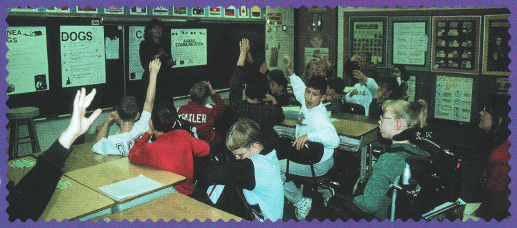
Does the Nose Know? Exploring the Secrets of Scent Communication
By Joyce Arnold’s Fifth-Grade Class, Fairfield North Elementary School, Indian Springs, Ohio Original Title: Does the Nose Know? Editor’s Note: This inquiry is a creative treasure from our Dragonfly Magazine articles (1997) that captures the timeless curiosity of students as they bridge the gap between animal behavior and human biology. It serves as a wonderful…
-
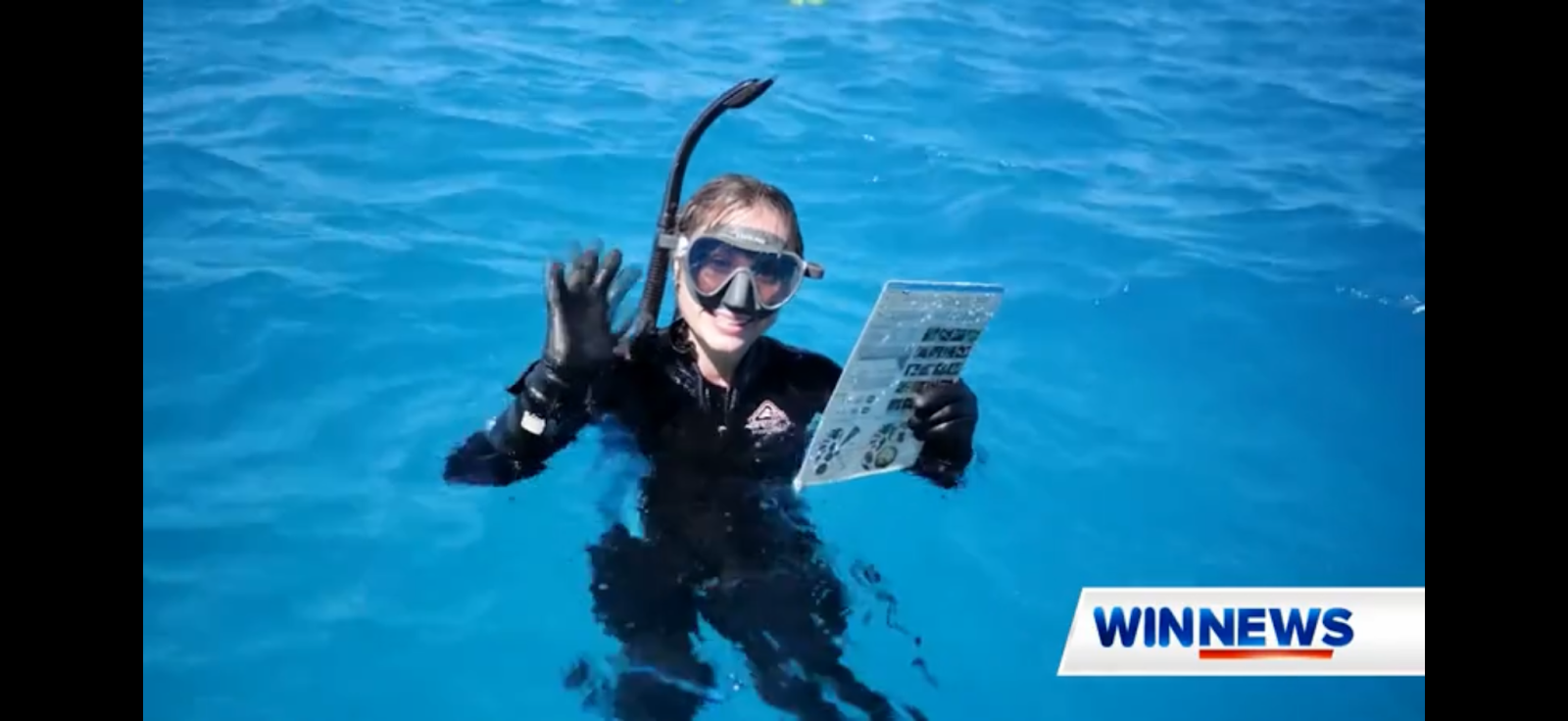
My Triadic Framework: Nature, Belief Systems, and Communities
By: Tate Penny (Vangellow) Reflections from Earth Expeditions Australia As I sit here, 9,277 miles away from Townsville, it is easy to feel distant from the novelties in experience and learning that happened this summer during our Earth Expedition. However, this final trip as a part of my Master’s journey with Project Dragonfly helped illuminate…
-
Skeletons from Scratch: The 24 Pipe-Cleaner Challenge
By the Fifth-Grade Class of Sue LeBeau, West End School, Long Branch, New Jersey Editor’s Note: This article showcases a classic inquiry from the Dragonfly Magazine archives, originally published in the November/December 1996 issue. It highlights the timeless power of student-led engineering and the “trial and error” of the scientific method. The Spark How many…
-
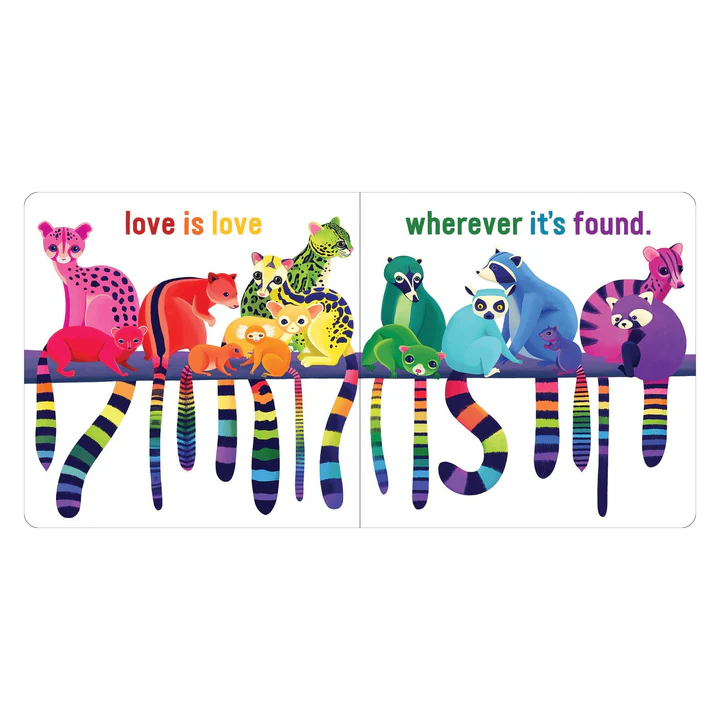
Bridging Art and Conservation: From Digital Design to Diverse Disclosures
How can a background in fashion and computer science lead to a career as a leading conservation illustrator? In this episode, Kevin Matteson sits down with Katy Tanis, an alumna of the Advanced Inquiry Program (AIP) and the creative force behind the Love in the Wild children’s book series. Katy shares her journey of “sneaking”…
-
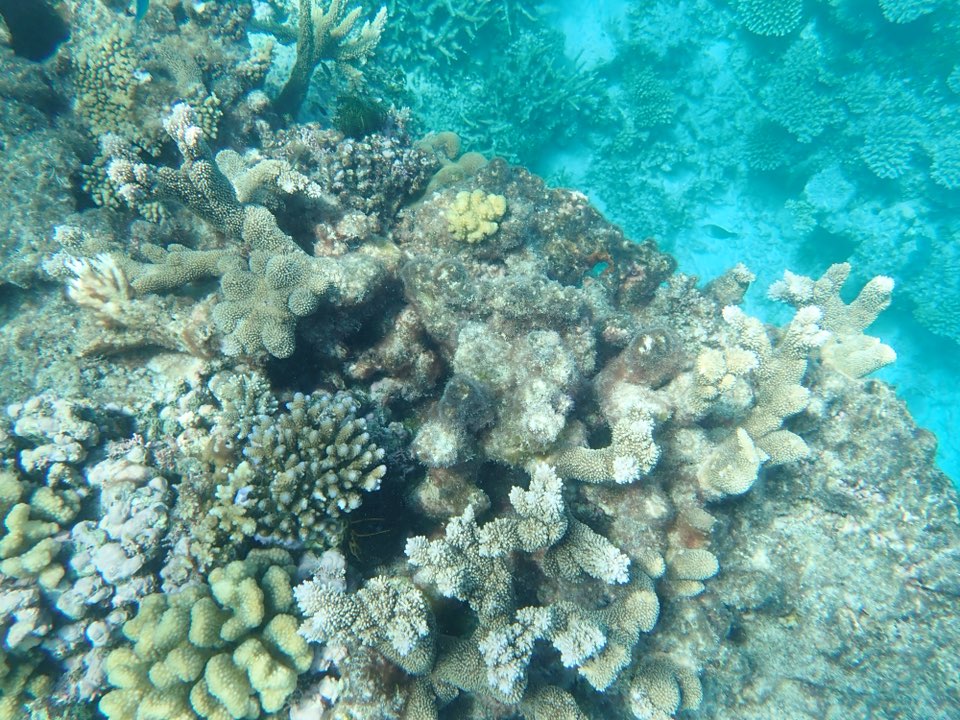
Outside Inn: A Study of Skeletal Homes
By the Fourth-Grade Class of Linda Slager, Stewart Elementary School, Oxford, Ohio Editor’s Note: Originally published in Dragonfly Magazine in the late 1990s, this student inquiry explores the engineering marvels of the ocean. After seeing how corals live side-by-side in shared skeletons, these fourth graders decided to test the limits of structural design themselves. The…