![The Miami Student. (2024, March). [Photograph of plant specimens at Miami’s herbarium]. In Miami’s herbarium preserves campus plant history. The Miami Student.](https://sites.miamioh.edu/museums-and-society/files/2025/10/077c5ad0-c92d-4c23-9dd7-39b495f049dc.original-1.jpg)
As a senior, I thought I had already found everything Miami had to offer. That is, until I heard about the Willard Herman Shurrell Herbarium tucked in the basement of Upham Hall. As I walked up to the largest herbarium in Ohio, I had the pleasure of meeting with the curator, Gretchen Meier, as she revealed this hidden gem of an archive I had been naive to.
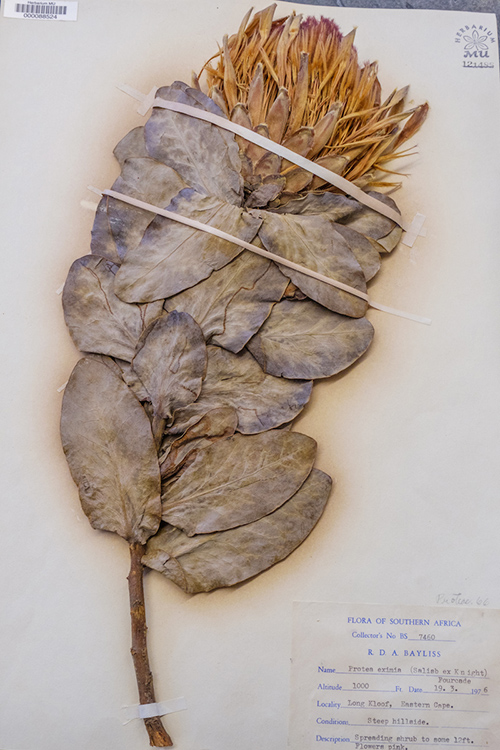
For those unaware, an herbarium is a collection of dried plants. As the curator, Gretchen oversees the collection, day-to-day operations, and outside involvement from students and other herbaria. However, she did not always see herself in this position. Starting as a field botanist enforcing the conservation of endangered plant species, she had a passion for the beauty of the natural world. When she moved away from parks and was homebound with her children, she began volunteering in the herbarium where she could better find her work-life balance. As she continued with the herbarium, she worked her way up the ranks and is now leading how the herbarium impacts the undergraduate experience at Miami.
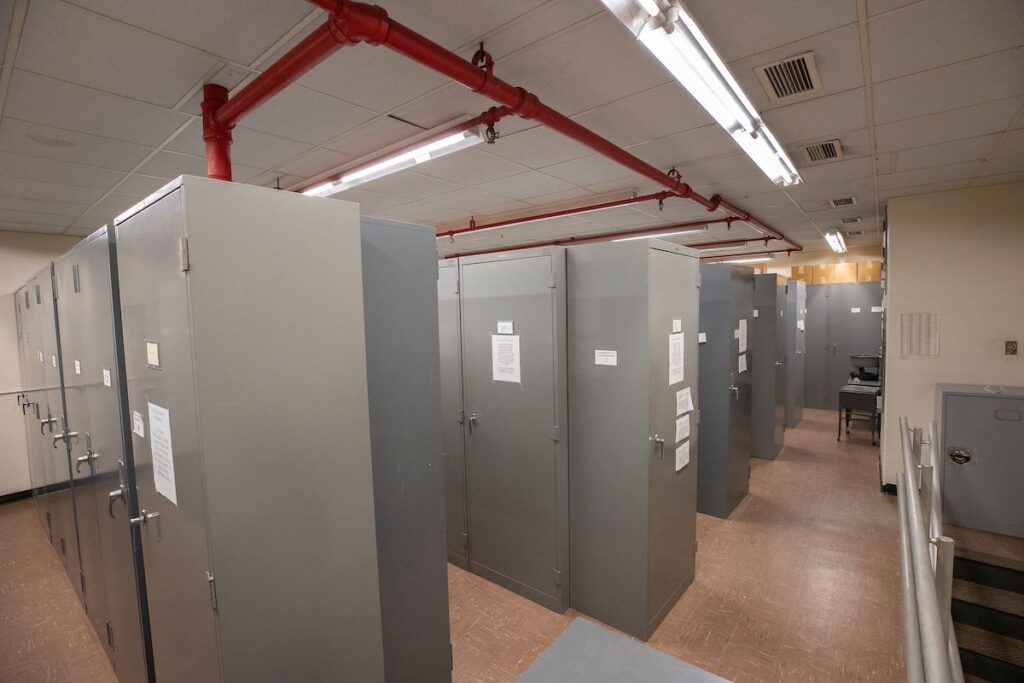
With a collection of over 500,000 species, and an estimated 100,000 waiting to be added, Gretchen has a massive responsibility to care for this interactive encyclopedia of plant life. She hopes to expand the reach of the archive to more students at Miami who have an interest in botany. One of the student workers, Megan, mentioned how she felt the space was only meant for people who had “a purpose” for being there. However, after talking with her and Gretchen, it is clear that is anything but the truth. As Miami students, we are encouraged to utilize this space to expand our understanding of the world around us. Thanks to Gretchen, the herbarium offers so much more than just some dried plants. Her insight provides us with stories that teach us about history, the biodiversity of the plant kingdom, and what we can expect in the natural world going into the future.
One inspiring story she told me was of 19th century female botanist, Caroline Lord Bingham, who changed the way we understand algae today. Since algae was considered a lesser plant species, it was assigned to the women to investigate while the men did the “real plants.” Despite this overt discrimination, Bingham used her lemons to make lemonade. She traveled along the California coast, documenting vast amounts of algae and became one of the most influential botanists we know today. To me, this tells an inspiring story about how nature fosters growth not only in the botanical sense, but in societal expectations.
As for biodiversity we may be unaware of, Gretchen highlighted the upcoming event on Oct. 30 from 2 – 4 PM, Halloween in the Herbarium. This is an opportunity for community members to get acquainted with the space while they learn about the strange ways plants have adapted to survive. Parasitic, cannibalistic, and noxious plants will all be on display while you enjoy an herbal witch’s brew. We don’t often think of plants as having such refined social interactions with their peers, but this will accentuate the extent plants will go for the sake of survival.
Looking over these plants, past and present, can serve as a baseline for comparative studies. This is essential as we track how the environment changes with human interaction and global warming. As Gretchen puts it, “What we have is what we know, but what we know is going to change.” Furthermore, the herbarium helps us draw a more complete tree of life, tracking how plants are related to each other and their evolution over time.
The herbarium, despite its massive collection, is always taking donations. If you would like to contribute to its continued growth, you can provide them with plants that have been thoroughly pressed and dried. Gretchen suggests using a plant press to ensure they are properly flattened, especially for woody plants. They will take these specimens, mount them on archival paper, and digitize them before adding them to the collection.
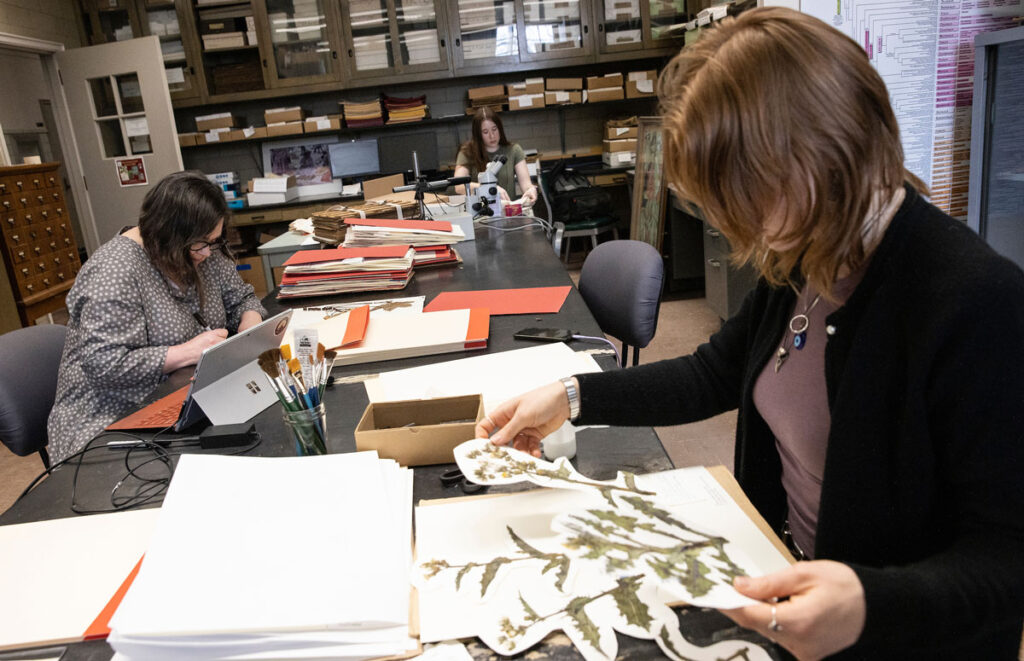
To support the herbarium, you can work or volunteer in the space. Gretchen oversees student workers, who get paid to interact with this impressive archive. You can apply for a paid position through Student Employment. Otherwise, you can Volunteer to show your support. Gretchen is always looking for help, as only about 20% of the archive has been properly documented. To contact the Herbarium, you can email Gretchen or just walk in. They are happy to take the extra set of hands. If time doesn’t allow, you can support by Donating or Buying T-shirts. As a student, I understand we don’t always have time or money to spare. However, if you are interested, just go in during their hours of operation (Weekdays 8 AM–5 PM) and talk plants with Gretchen. This engagement with the students not only supports their mission, but proves their importance to us as students and inhabitants of the planet Earth.
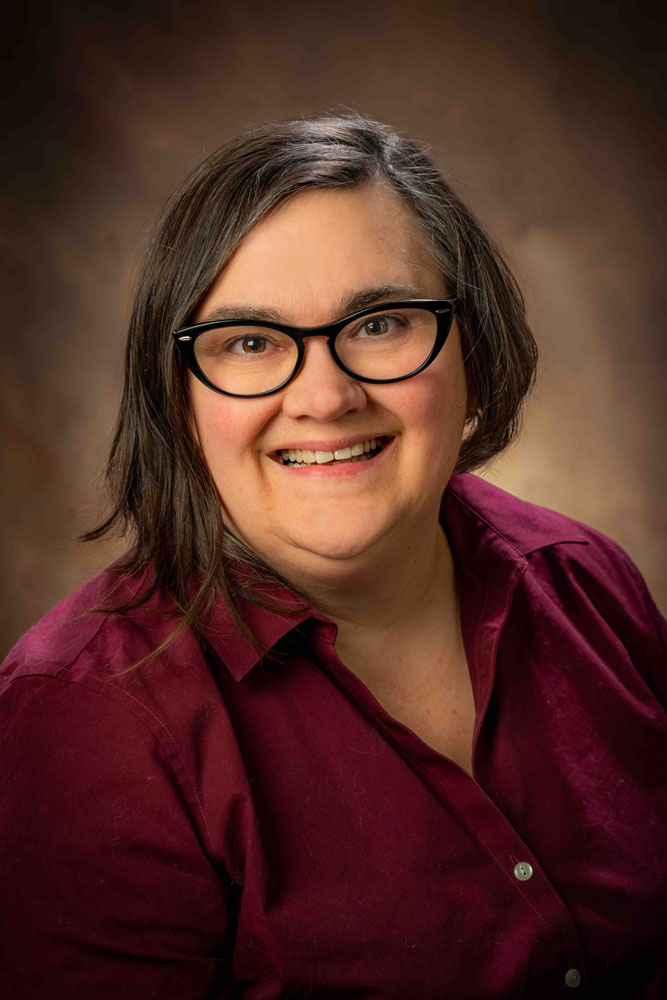
- Gretchen Meier
- Role: Curator
- Contact: [email protected]