

By: Pachancia Knowles
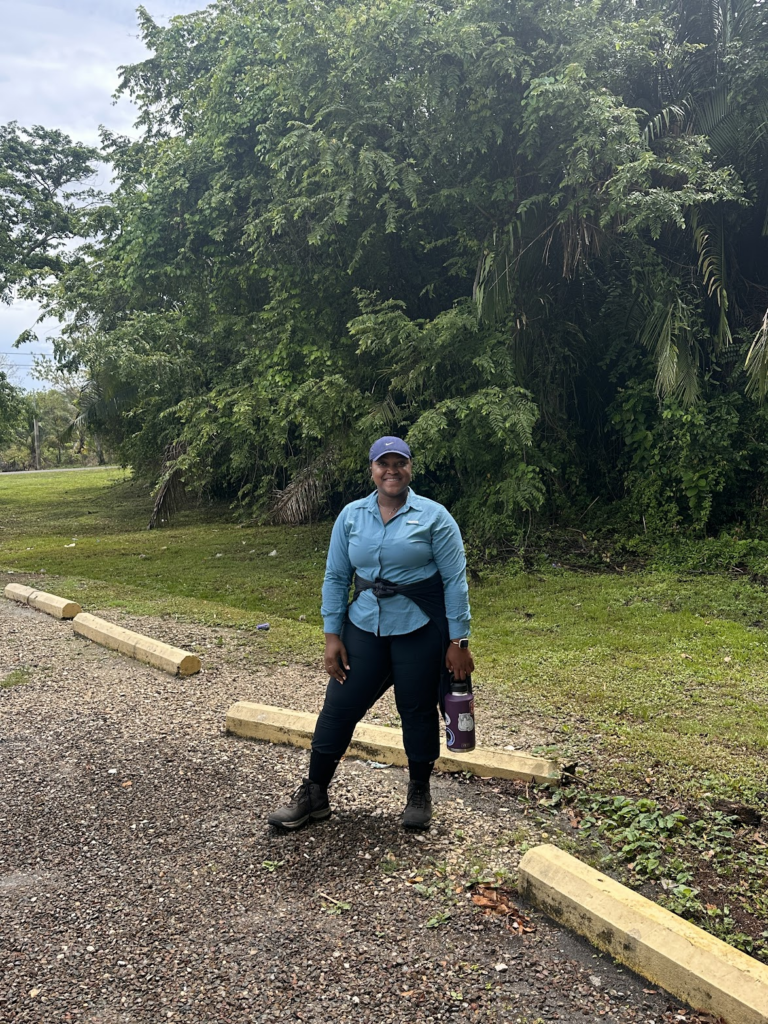
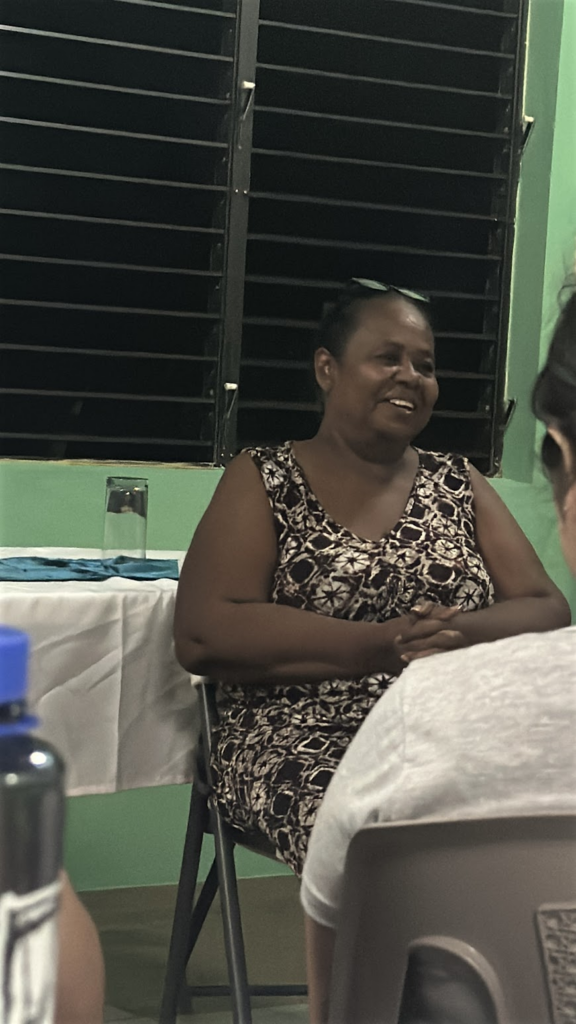
During my first Earth Expedition experience, one message that stayed with me was the strength of women in leadership and how powerful true community-led conservation can be. Spending time at the Community Baboon Sanctuary in Belize, I saw how women like Miss Jessie continue to drive conservation forward through teamwork, care, and a deep love for their environment. When I asked Miss Jessie how she stays encouraged through the challenges, she smiled and said, “We cannot stop. We have to keep going.” Those words have echoed in my mind ever since. They reminded me that conservation is not just about protecting species or habitats, but about perseverance and community spirit. It’s about believing that even small actions, done consistently, can make a big difference over time.
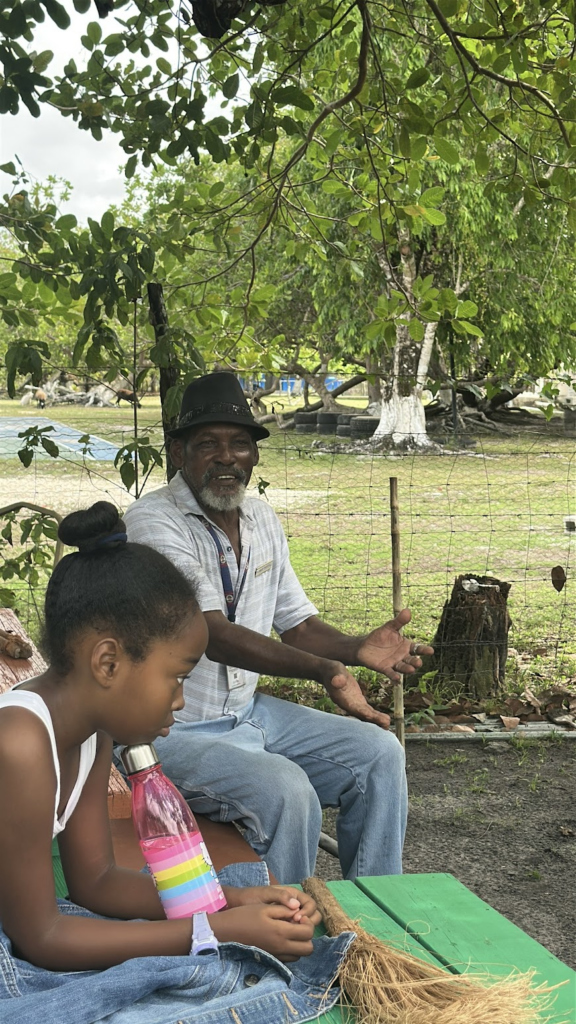
During my time in Belize, I realized that real conservation begins with people of all ages. To see Conwe’s daughter guide us with excitement as we walked the nature trail near the Baboon sanctuary to Mr. Robert, providing a wealth of knowledge about the history of the place he’s called home for decades. They carry traditional knowledge, teach younger generations, and remind everyone of the importance of working together. Their leadership style is grounded in relationships, trust, and mutual respect. Seeing this made me think deeply about how similar values can strengthen conservation efforts in The Bahamas, where I live and work.
Stepping Beyond Comfort
Being in a new place and connecting with a different community pushed me out of my comfort zone in the best way. I learned to listen more, observe quietly, and understand that leadership doesn’t always mean standing at the front. Sometimes it means standing beside others, lifting them, and helping them find their own voice. As a Bahamian woman in conservation, this experience helped me see how women’s leadership can look different depending on our culture and community, but the heart of it is always the same care, strength, and connection. This journey taught me that inquiry is not only about collecting data or asking scientific questions. It’s also about understanding people’s stories and motivations. The more I listened, the more I realized that conservation works best when communities lead the process and make decisions that reflect their own needs and values.
A Lasting Image
When I think back, I see Miss Jessie. A strong and powerful woman standing tall among the trees, surrounded by other women, her voice calm but firm and mighty. The forest seemed to respond to her words, as if reminding us that both people and nature share the same resilience, the same will to keep going.
Rooted in Resilience
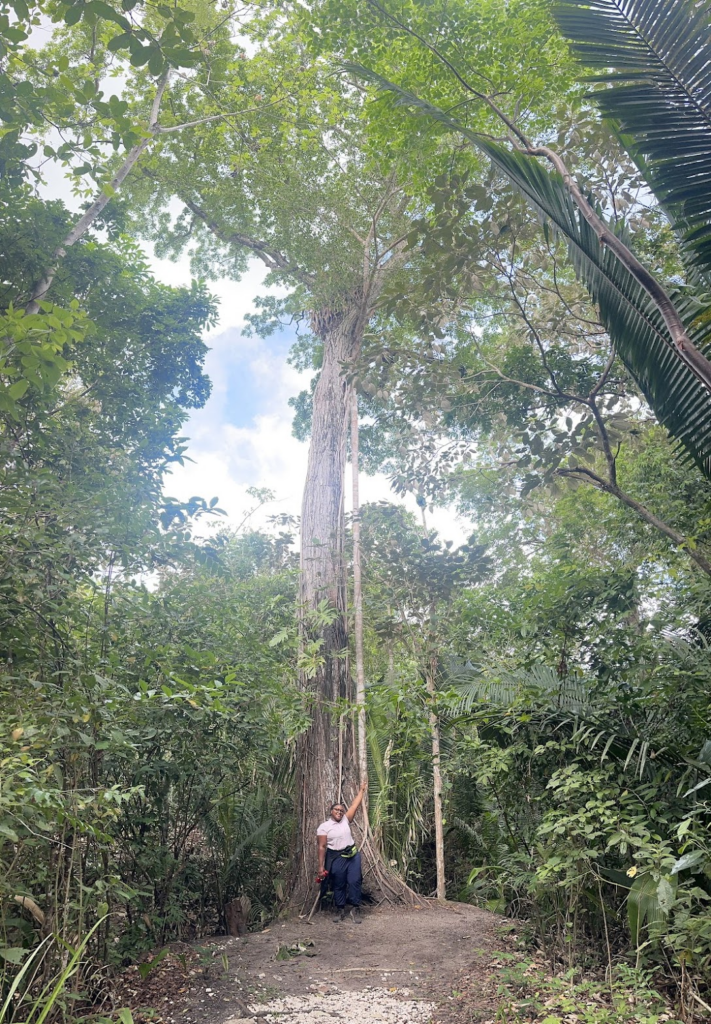
Under the canopy where the howlers call,
women gather with hands that have shaped the land.
Their laughter blends with the rustle of leaves,
their strength rooted deep in the soil.
They do not wait for change to come,
they create it, one step at a time.
“We cannot stop,” she says,
and the forest, the people,
and the world listens.
Author Biography:
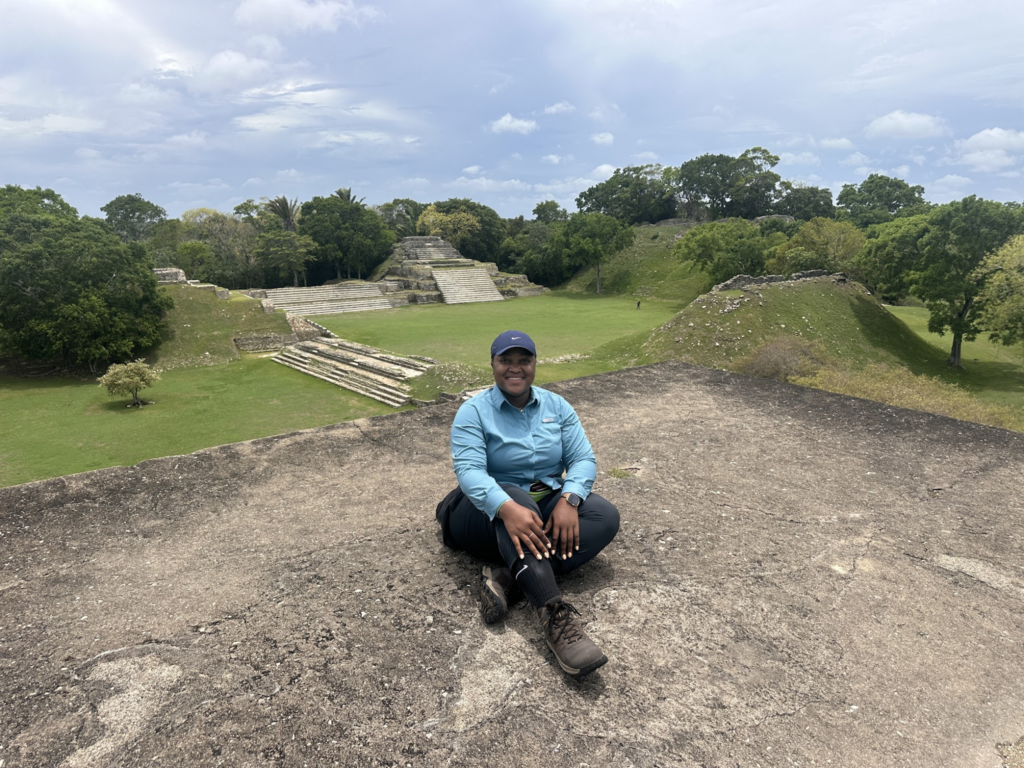
Pachancia Knowles was born and raised in New Providence, one of the islands of The Bahamas. She currently lives and works on the island of Eleuthera, where she serves as the Conservation Programs Manager at Disney Lookout Cay at Lighthouse Point.
She first learned about Project Dragonfly about 10 years ago from another Bahamian who had earned their master’s degree through the program while she was searching for ways to further her education. At the time, she needed a program that would allow her to study online so she could continue working and support herself financially while pursuing her goals. Although it took her nearly a decade to finally take the leap and begin the program, she is very happy that she did. She is currently enrolled in the Global Field Program.