

The “guru” of the native plant movement, Dr. Doug Tallamy, joins host Aimee Kemp to discuss a revolutionary idea: your backyard is the next great frontier for conservation. As a founder of Homegrown National Park, Tallamy argues that we can no longer rely solely on parks and preserves to save biodiversity; we must enlist the 78% of the U.S. that is privately owned.


3 Key Takeaways
- Conservation is a Social Responsibility: Owning a piece of the Earth comes with the responsibility of stewardship. Because ecosystems are interconnected (the “anti-Vegas” effect), what you plant in your yard directly impacts the health of your local watershed and global biodiversity.
- The 50% Rule for Lawns: With 44 million acres of lawn in the U.S. (an area larger than New England), Tallamy challenges homeowners to “cut your lawn in half.” Replacing dead ecological space with native plants creates a functional food web that supports birds and pollinators.
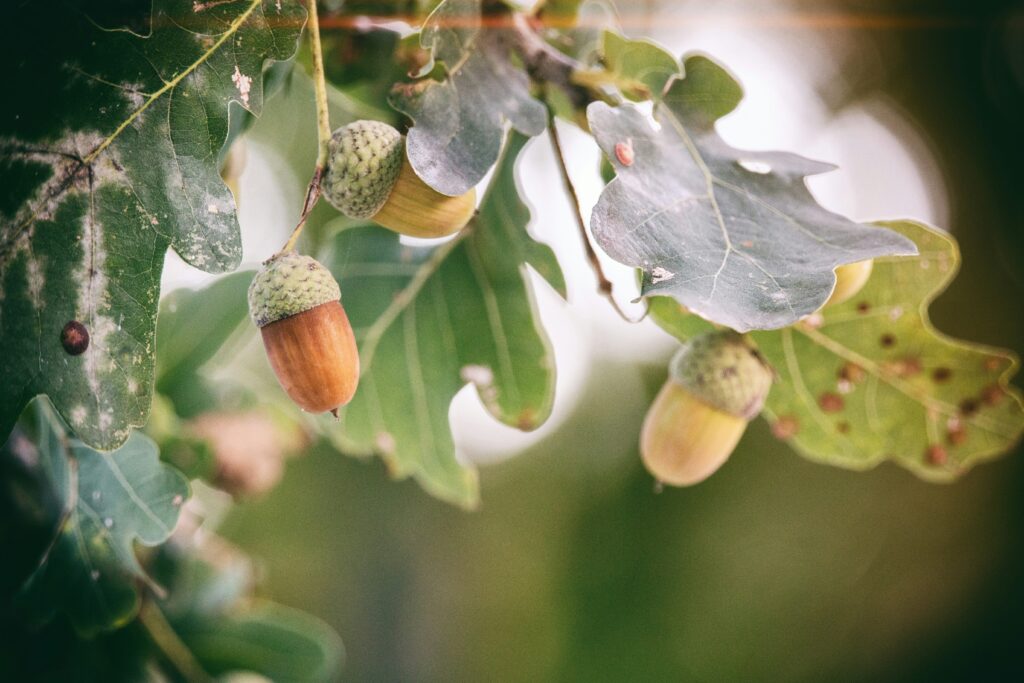
- Keystone Plants are Essential: Not all plants are created equal. “Keystone” species, like Oaks, support hundreds of caterpillar species—the “meat and potatoes” of the terrestrial food web. Without caterpillars, bird populations cannot survive, as a single clutch of chickadees requires thousands of caterpillars to fledge.
The “Hidden Gem” Teaser
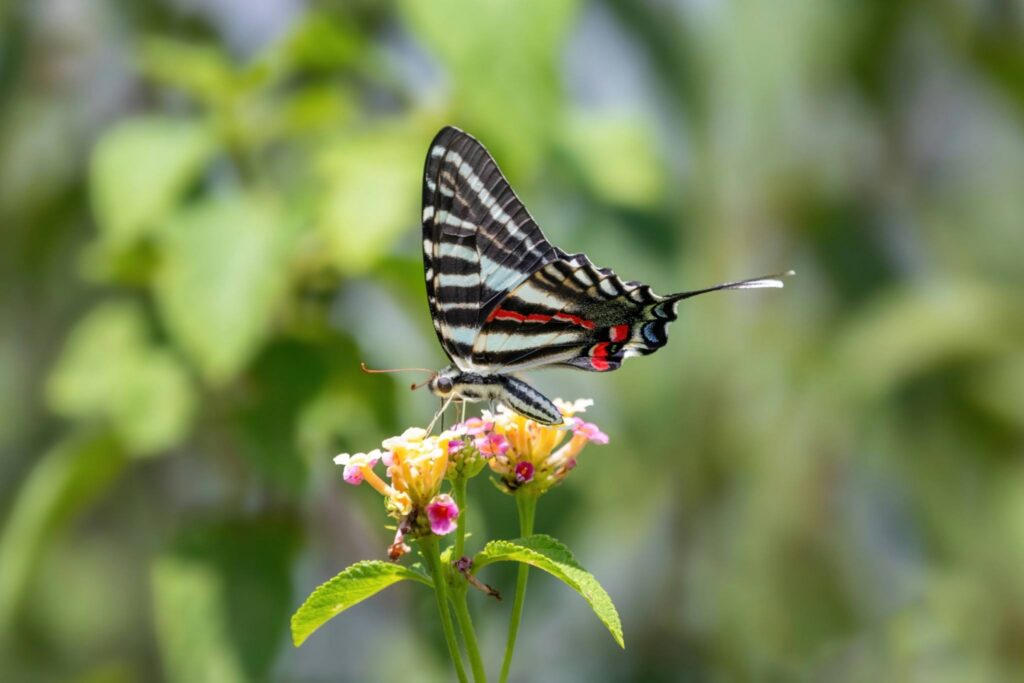
Listen for Doug’s fascinating story about the Zebra Swallowtail butterfly. It took nine years of patience after planting a specific “host plant” for them to finally appear—proving that if you build the right habitat, nature is incredibly resilient and will find you.
Listen to the episode on Apple Podcasts, Spotify, YouTube, or on your favorite podcast platform.
Check out the full list of podcasts on our Dragonfly Conversations page.