

By Kevin Matteson
The Problem: The “All or Nothing” Conservation Myth
You likely chose teaching for all the right reasons: you love kids, you enjoy being an active part of your community, and you possess a deep desire to give back. Because altruistic people naturally gravitate toward education, it’s no surprise that so many teachers also care deeply about the environment.
It is rare to see a teacher who isn’t at least a little bit burnt out. Day in and day out, it is easy to feel frustrated. You might feel handcuffed by “teaching to the test,” bogged down by bureaucratic nonsense, and restricted in your ability to actually get your kids out into nature.
When that frustration hits, many educators feel a profound pull toward environmental conservation. I talk to teachers who dream of a job where they can just be out in nature, making a direct impact—maybe clearing trails, tracking wildlife, or maintaining a specific forest ecosystem. They often assume a “conservation career” requires quitting a stable job, sacrificing a hard-earned pension, and moving across the country to work as a seasonal ranger.
For years, the narrative has been that if you want to make a real impact in conservation, you have to leave the classroom behind. This “all or nothing” myth forces incredible educators to choose between the students they love and the environmental action they crave.
The “Stay-in-the-Classroom” Pivot: Building the Hybrid Teacher-Conservationist
You don’t have to choose. Enter the “Teacher-Conservationist” path.
In my role with Project Dragonfly, I often remind our graduate students that teachers are already community leaders. I look at people who have been classroom teachers for a decade or more and realize they have a great deal of good things going for them.
If you leave your career to clear trails, your impact is localized to that one ecosystem. But if you stay in the classroom, your impact is magnified exponentially. You can directly affect the next generation of kids, their parents, your fellow teachers, the school board, and your wider community. If you can foster just a few future conservationists, you will magnify your impact well beyond what you could achieve in many ecological or conservation field positions.
There is also a very practical side to this. Teaching is often a more secure job than many environmental positions. It generally pays better, offers stronger retirement and advancement options, and—crucially—gives you your summers off. That is time you can use to travel, volunteer, publish papers, and get your hands dirty in the field.
Obviously, if you are completely done with teaching, you’re done. But if you can hold on, re-motivate, and find a way to build a hybrid “teacher-conservationist” role, it can be incredibly powerful. It empowers you to do creative things: get kids out into nature, run citizen-science birding projects, test local water and air quality, and change your community from the inside out.
Here is how the traditional mindset compares to the Teacher-Conservationist approach:
| Feature | Traditional Career Pivot | The “Stay-in-the-Classroom” Pivot |
| The Move | Resign to seek an entry- or mid-level NGO, zoo, or park role. | Keep your teaching position and leverage your classroom as a community science lab. |
| The Pay | Starting over with entry-level salaries, risking lost benefits. | Retain your current salary scale, union protections, and pension track. |
| The Impact | Executing a specific organization’s environmental goals. | Empowering dozens of students every year to become the next generation of environmental stewards. |
| The Role | Field tech, seasonal ranger, or non-profit assistant. | School Sustainability Coordinator, Grant Director, or District STEM Leader. |
The Project Dragonfly Perspective: Empowering the Teacher-Conservationist
In our graduate programs at Project Dragonfly, it has been really cool for me to see teachers rediscover their spark. We’ve seen firsthand how our master’s degrees elevate an educator’s current role rather than forcing an exit. You don’t just learn about the environment; you learn how to mobilize communities and secure grants.
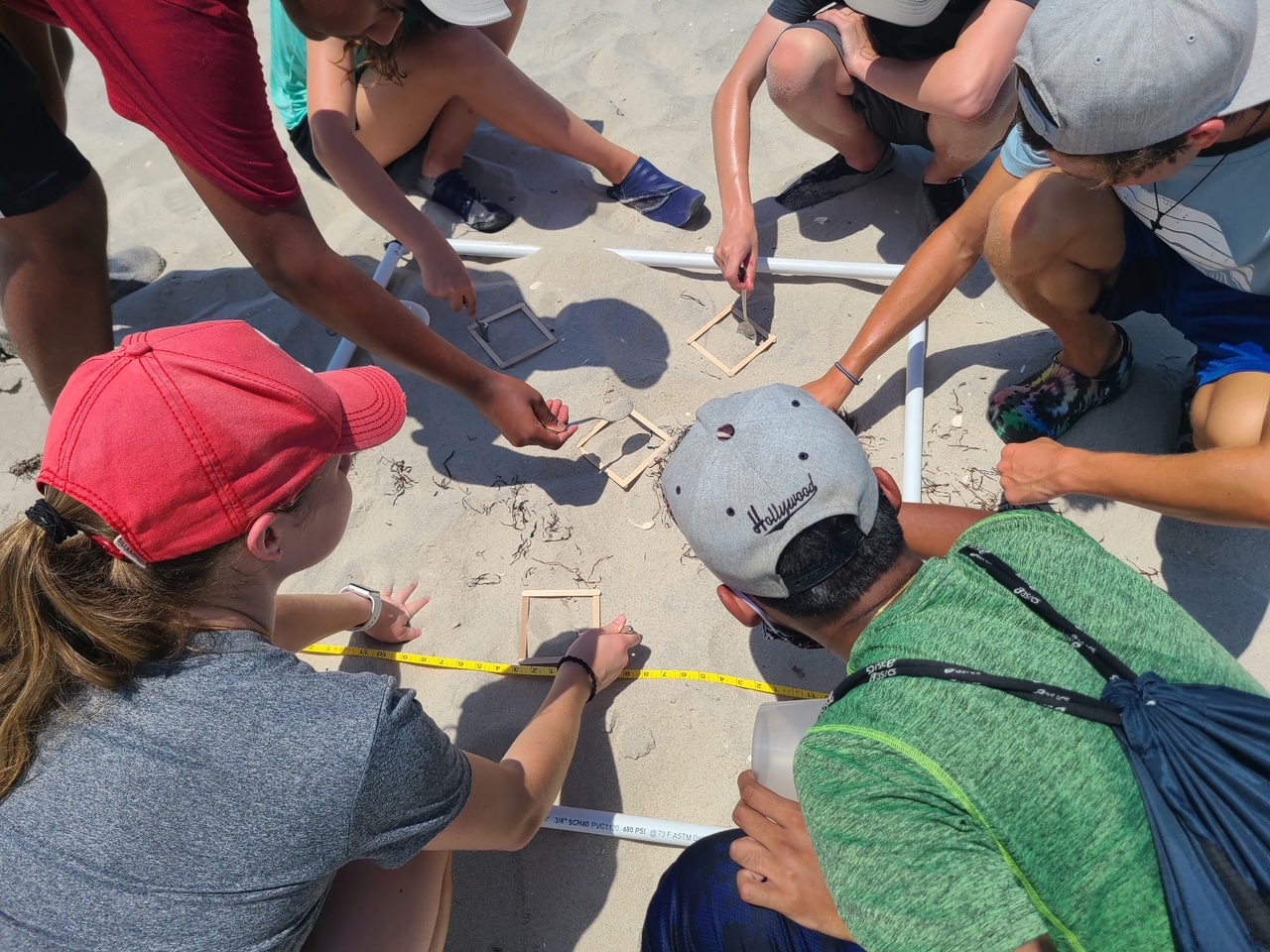
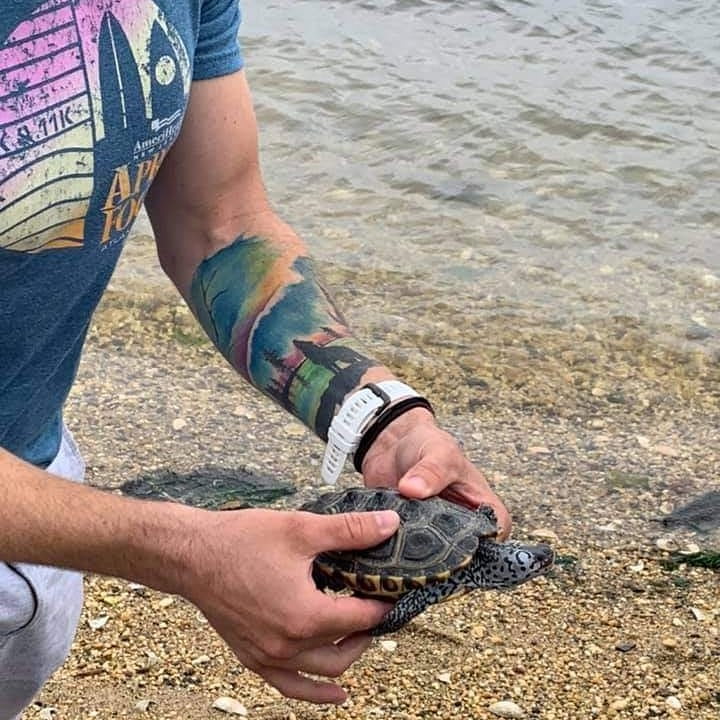
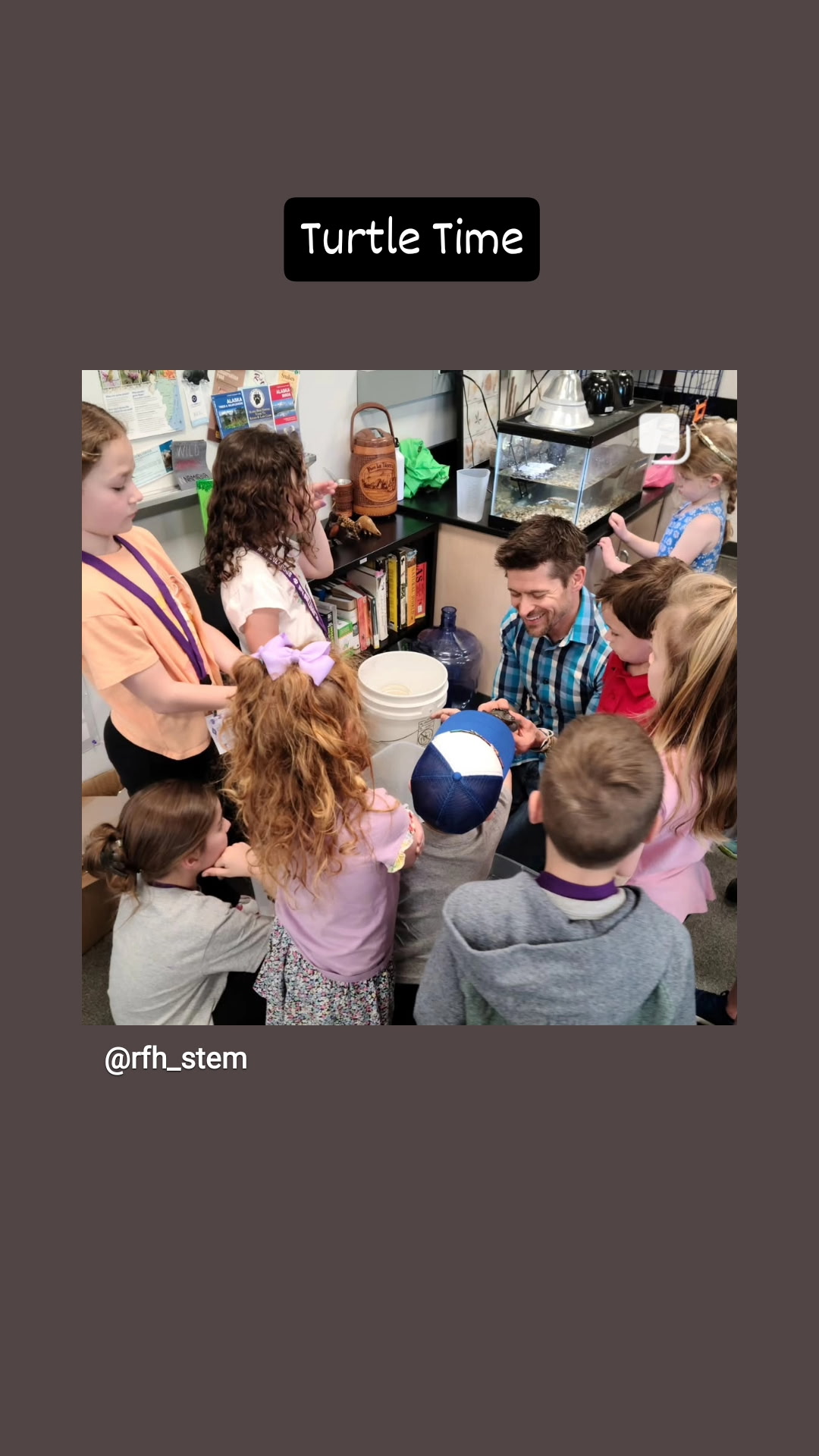
Take Mike Haughwout, a veteran Biology and AP Environmental Science teacher in New Jersey. After pursuing his master’s degree through the Global Field Program, Mike continually transformed his approach to education. Not only does he lead local diamondback terrapin conservation efforts with his students, but he also serves as the Stars to Sea Coordinator for the Vermilion Sea Institute in Baja, Mexico. He successfully integrated his passion directly into his life, keeping his classroom while exploring the globe as an Earth Expeditions Community Learning Leader.
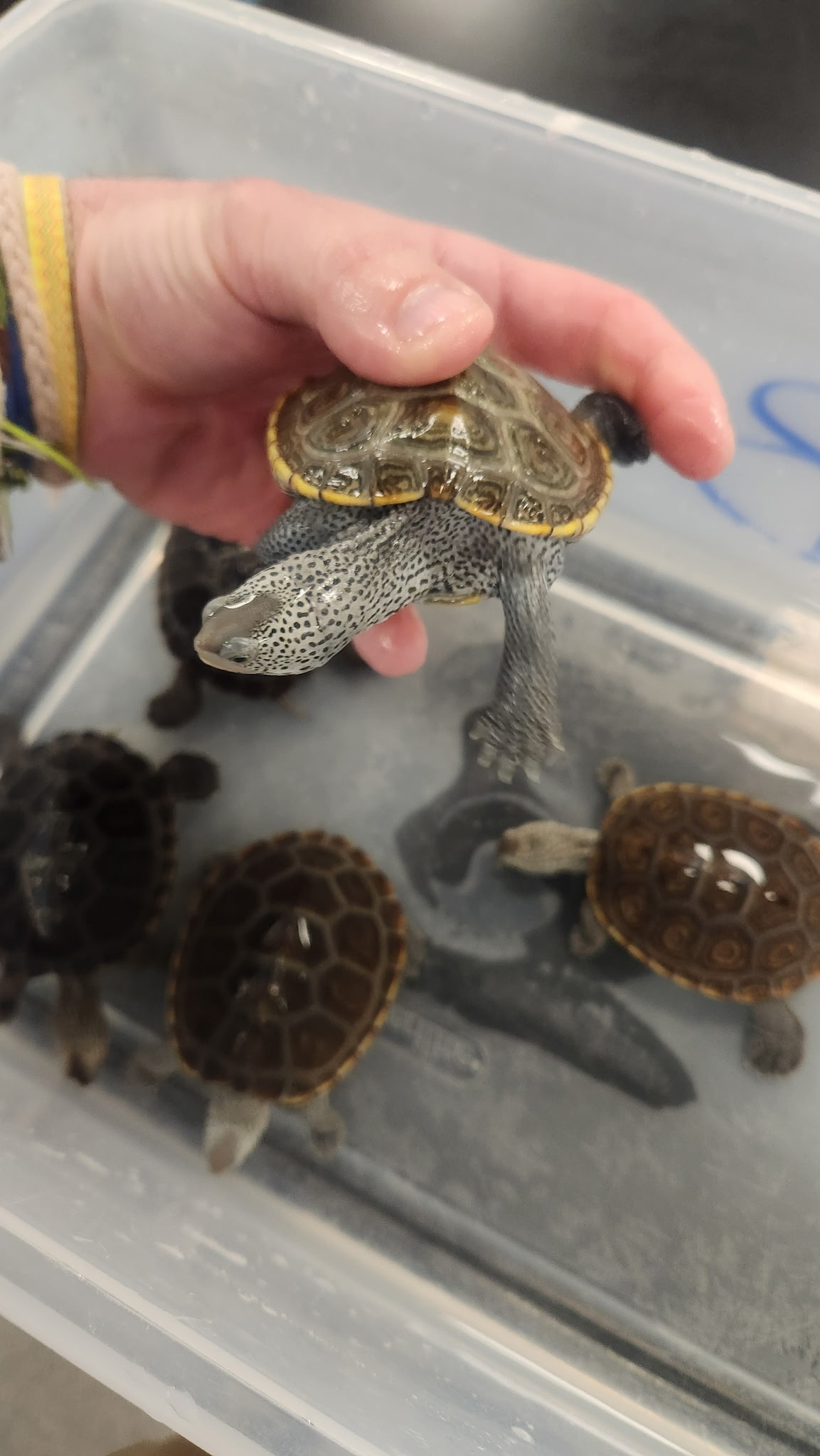
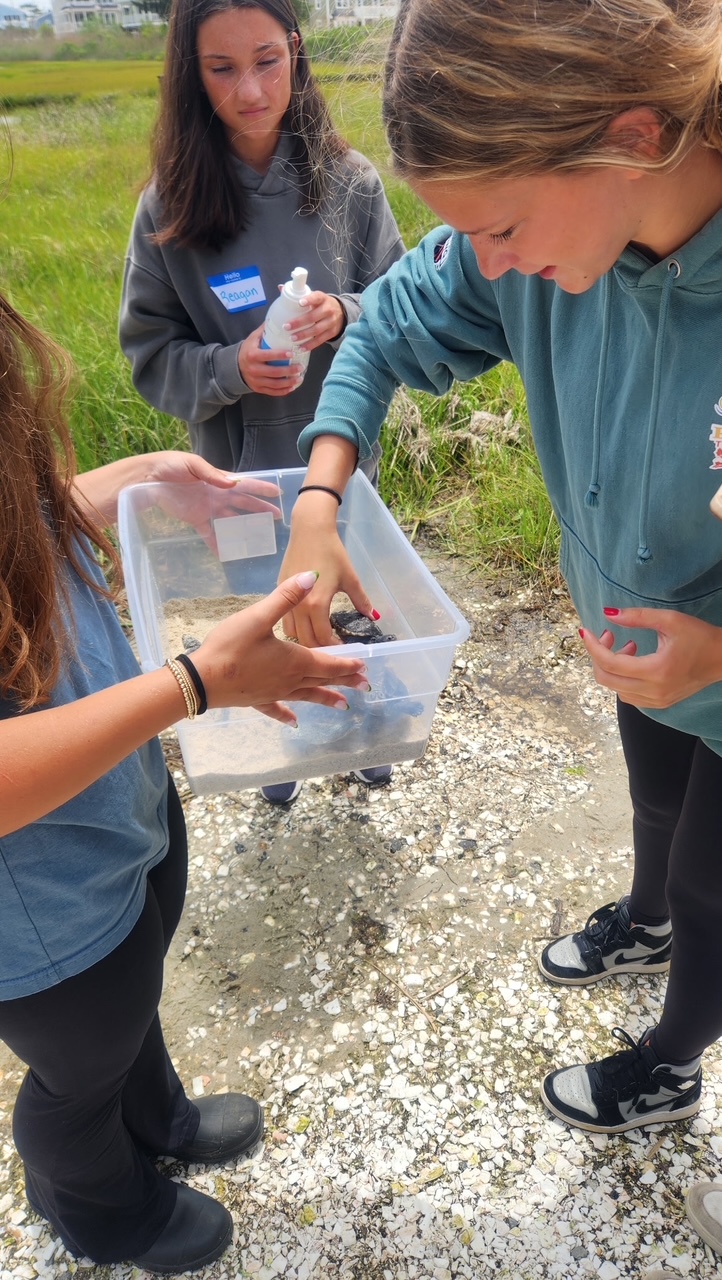
Or consider Elisa Spano, who leveraged her Project Dragonfly experience to become a vocal conservation advocate and a Dragonfly Ambassador. She actively builds networks within her own district, inspiring her colleagues and community to engage in local environmental action. She proves that conservation leadership often starts right in the teacher’s lounge.
The Teacher-Conservationist in Action: Real Community Leadership Challenges
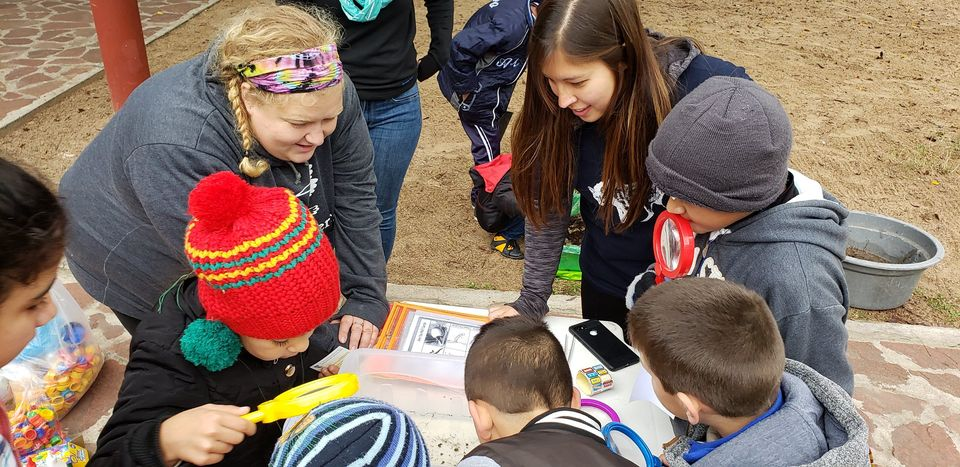
What does the “Stay-in-the-Classroom Pivot” look like in practice? As part of their Project Dragonfly master’s degrees, students complete a Community Leadership Challenge (CLC) that requires them to step outside their comfort zones and mobilize their communities.
For K-12 educators, this often means pushing past the bureaucratic hurdles to transform their school grounds into living laboratories or leading professional development for their peers. Here is what some of our K-12 Teacher-Leaders have accomplished without ever leaving their jobs:
- Bringing Barn Owl Conservation (and Live-Streaming) to Campus: Caleb Austin, a 6-12 educator, focused on increasing biodiversity by installing barn owl boxes at his school building. He took it a step further by equipping the boxes with cameras for live-streaming to engage both students and the wider community.
- Empowering Students to Pitch Climate Gardens to Admin: High School Teacher Karen Aleman didn’t just teach the science of carbon storage and stormwater control; she had her students design empty school beds and pitch their native garden presentations directly to the school administration. “Initially, I had a definite plan for how to clump [the plant plugs], but as students grabbed plugs and enthusiastically planted them, I just let it go. The gardens are now blooming and glorious.”
- Facilitating Place-Based Professional Development for Peers: Kimberly Adkins targeted her leadership challenge at other science teachers in Arizona. She co-hosted a professional development workshop encouraging educators to incorporate place-based phenomena in the classroom. “I had been hesitant to lead or facilitate professional development,” Kimberly admitted. “I have become more comfortable with my role and my voice in the conversation.”
Taking It to the Press: The Authorship Leadership Challenge
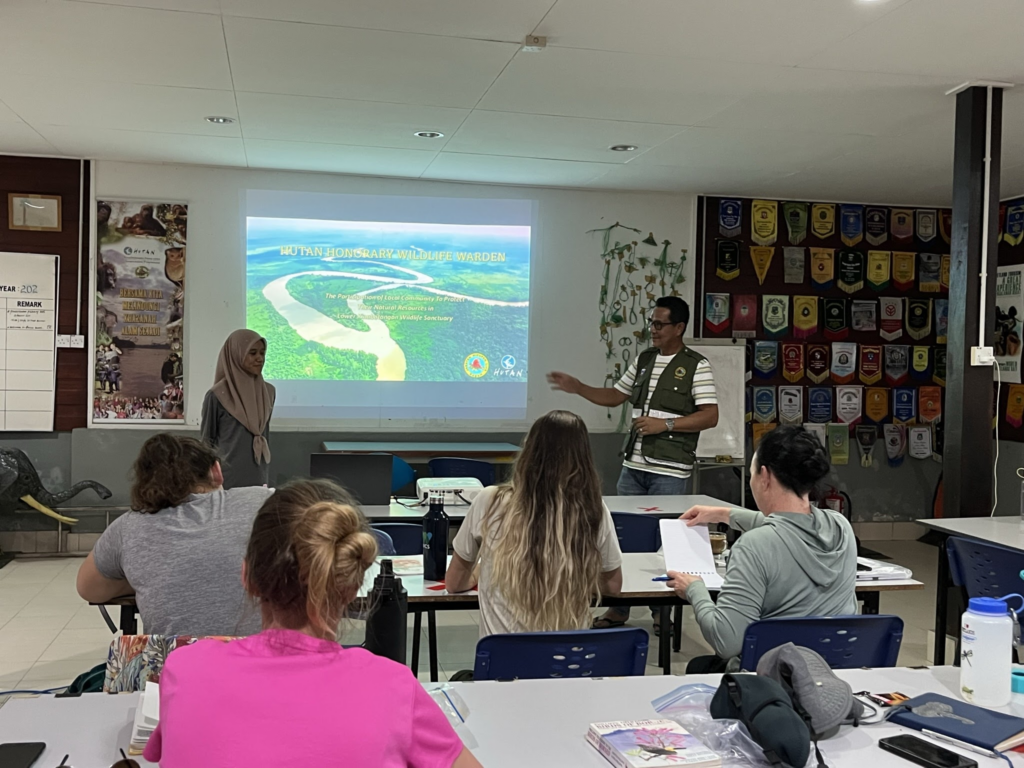
The “Stay-in-the-Classroom” pivot isn’t just about local, on-the-ground projects—it’s also about elevating your voice on a national or global stage. Through Project Dragonfly’s Authorship Leadership Challenge (ALC), teachers submit original manuscripts or educational pitches to professional publications. They become thought leaders, shaping the way environmental science is taught far beyond their own school districts.
- Publishing “Pond Scooping” Pedagogy for Global Educators – Rebecca Zurek, a 4th-grade teacher, wrote an article for Green Teacher Magazine to teach other educators how to integrate macroinvertebrate identification into math, science, and literacy. “The best way for people to care about [wetlands] is for them to experience them,” she shared, empowering educators worldwide to replicate her success.
- Amplifying High School Science Identity and Conservation Research – Gabriela Acciari leveraged her time in the program to bridge high school education with high-level ecological research. She submitted a manuscript titled “Conservation Priorities: Identifying Potential At-Risk Tree Species in Poços de Caldas, Brazil,” proving that you don’t need a university lab to do meaningful conservation research.
The Take-Home Message
If you are a teacher, you are already a community leader. You don’t need to hand in your resignation, sacrifice your retirement, or relocate to a national park to have a major impact on conservation.
By pivoting into a hybrid “Teacher-Conservationist”—securing outdoor education grants, running district-wide community science initiatives, or publishing your classroom’s success in educational journals—you multiply your impact exponentially through the next generation.
Stay in the classroom. Publish your findings. Empower your students. Lead from exactly where you are.