Our lab studies population and community dynamics, including those in human-dominated landscapes. Much of our current research investigates positive species interactions.
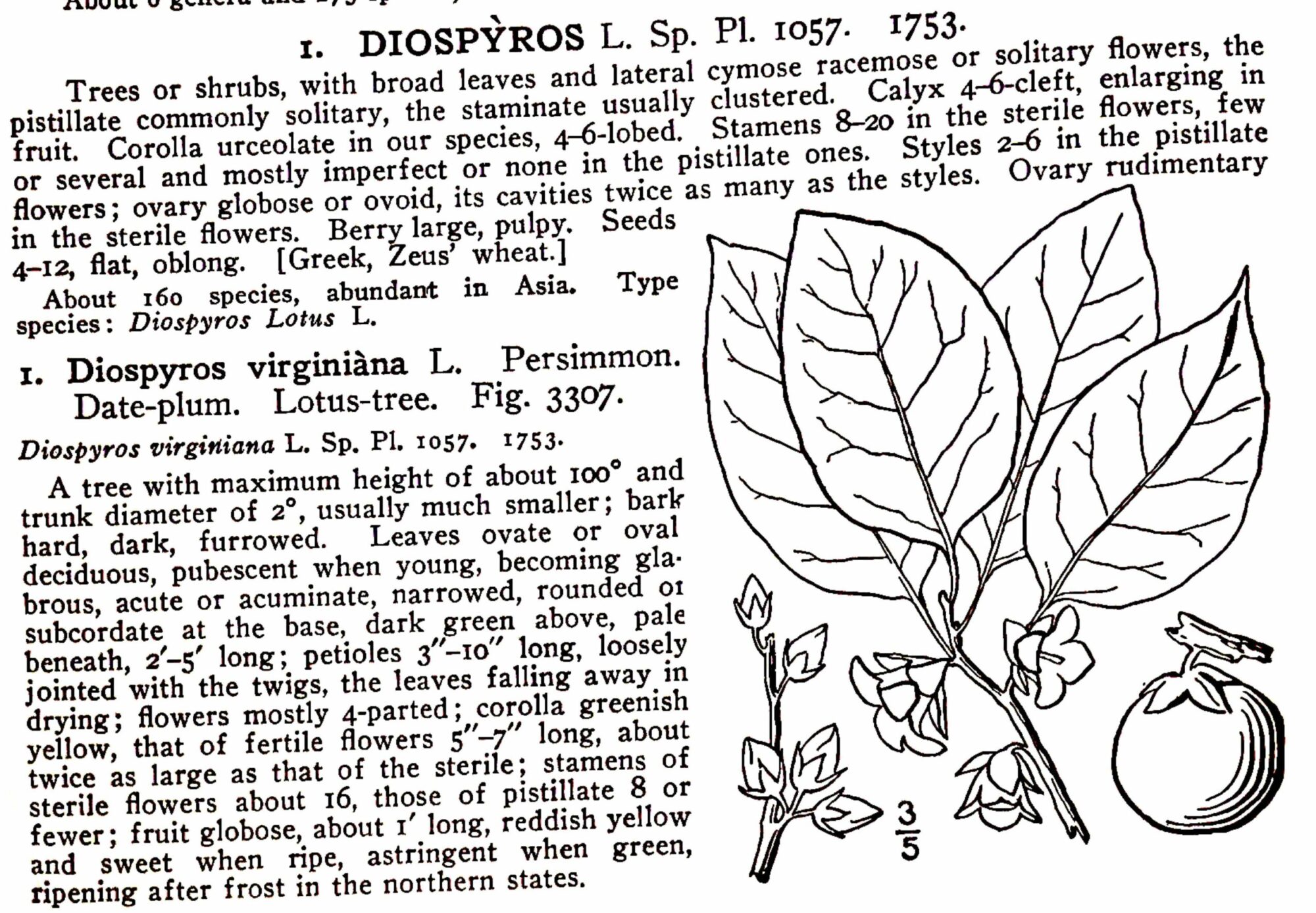
Long before European contact, Native American peoples were managing and shaping the American landscape and its plants. Our research program asks what those ancient relationships left behind, tracing their signatures in the ecology and reproduction of American persimmon, a historically important, but largely forgotten wild fruit. We use American persimmon as a model for uncovering the biogeographic legacies of Indigenous land stewardship in plant chemical, genetic, and morphological diversity, with implications for understanding domestication and developing sustainable native crop systems (Ross and Stevens 2019 AJB, Ross-et-al-2014).
Our lab is also addressing other questions, including,
How do mutualism networks generate multiple basins of attraction and alternative stable states? We are testing how mutualistic feedbacks and indirect interactions may contribute to long-term persistence of garden forests of the ancient Maya (Ross 2011, Ross and Rangel 2011). Here is a recent presentation on the project.
How do mutualisms influence plant fitness and population dynamics? Laura Fehling (former M.S. Botany) is investigating how diverse and complementary mutualisms influence the fitness of one herbaceous annual plant species. Here is her lightning talk from the 2021 annual meeting of the Botanical Society of America
Please see our lab members page for more interesting projects.