Dr. Hank Stevens
Ph.D. 1999, Biological Sciences, Univ. of Pittsburgh
ORCID ID: 0000-0003-3397-8796
Author, A Primer of Ecology with R
I use a variety of quantitative methods to address a wide variety of questions in population and community dynamics. Causal models, structured population models, compartment models, stochastic simulation, and Bayesian inference allow me and my collaborators to get more insight per datum.
Current Students

Morgan Ritzi - Purdue University
M.S. Forest and Natural Resources
     (conc. Forest Ecology).
B.S. Plant Sciences
(minors Environmental Sciences, Plant Pathology)
My research investigates how North American eastern deciduous forests change and assemble across space and time. My previous work evaluated patterns of long-term succession at the Ross Biological Reserve, a 70-year successional experiment in western Indiana, and on American chestnut competition with other native hardwoods. My current study explores how forest communities assemble across spatial scales, comparing large-scale forest maps to actual species patterns to better understand forest structure and process.
Jacob Woodard - University of Central Florida
B.S. Biological Science, Anthropology (minor, Chemistry)
Selini Ranatunga
Undergraduate researcher (working toward B.S. Botany)
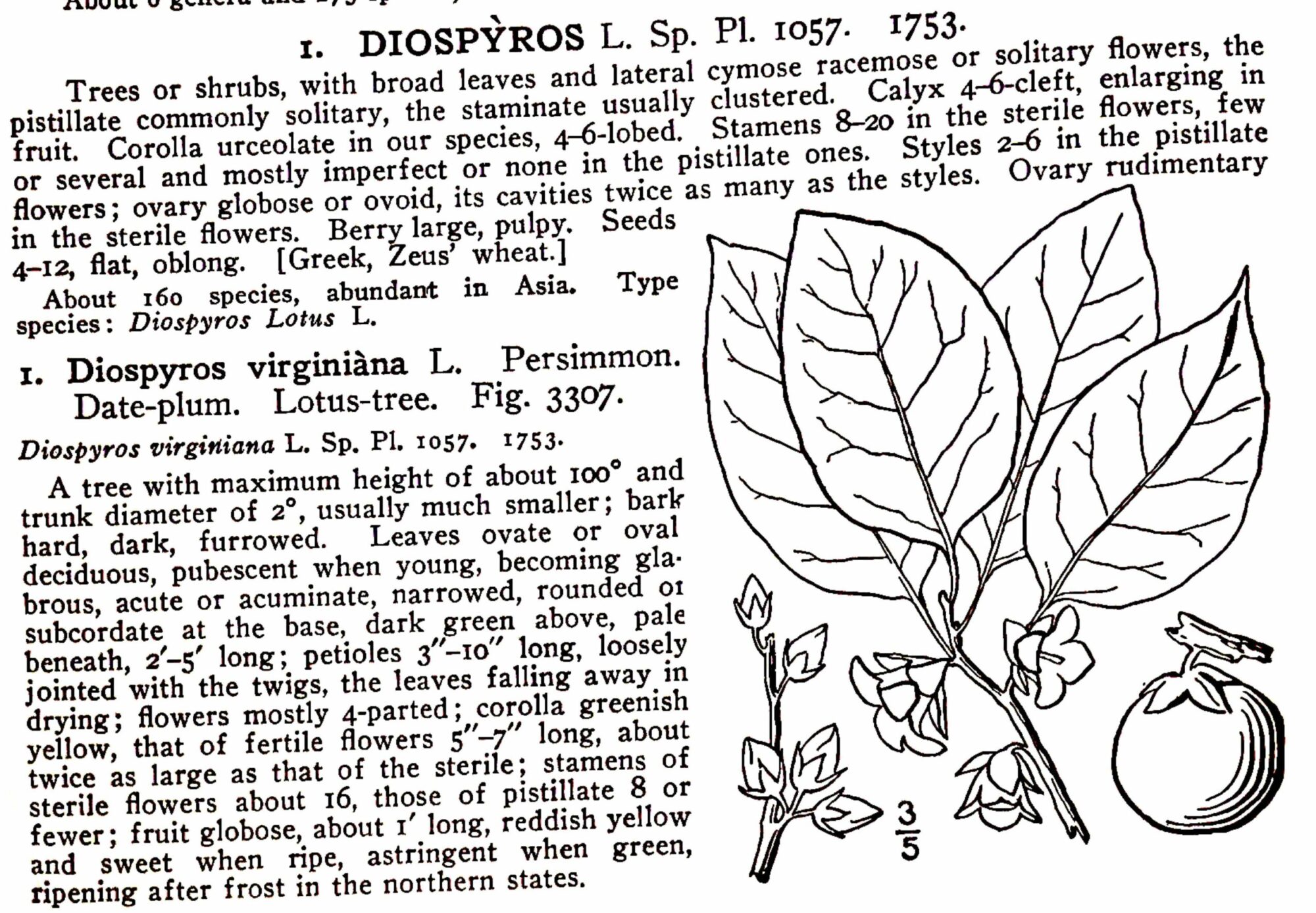
I am currently assisting in the research and observation of fruit ripening phenology based on fruit color expression and sugar content of the American persimmon. This research has implications on climate change, vegetation dynamics, and the past ecological impact of Indigenous individuals’ crop domestication behaviors. We are currently studying an American persimmon tree on the Oxford campus, but our goal is to eventually test fruits of persimmon trees in different regions throughout Midwest America. My research interests include plant ecology, eco-evolutionary dynamics, and conservation.
Collaborators / Visiting Faculty
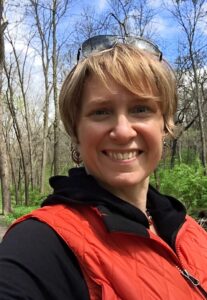
Dr. Nanci J. Ross
Biology Department
Drake University
Ancient cultures had sophisticated knowledge and interactions with their environments, and this is often overlooked or misunderstood. The central goal of my research is to understand how ancient management practices may haved influenced the ecology and evolution of the complex reproductive biology of American persimmon (Diospyros virginiana). This work integrates genome assembly to provide a foundation for studying epigenetic and biogeographic effects, identification of sex expression genes (such as MeGI and OGI), floral morphology, leaky dioecy, and functional studies of reproductive structures such as staminodes in female flowers that may play crucial roles in pollinator attraction. Samples across gradients of ancient Native American land use intensity are allowing us to investigate molecular and morphological variability through an interdisciplinary lens of evolutionary biology, archaeology, and cultural history. This work will also provide a foundation for developing the economic potential of this once widely used—and enjoyed—species. In short, we seek to reveal the American persimmon in all its glory: its past, its present, and its future.
Past Members
image
Isabel Smith
M.S. Biology
Understanding the past influence of human land use on ecosystems is critical to understand our current ecosystem and it will change in the future. Human landscape legacies provide an avenue for which to analyze how ancient civilizations impacted ecosystems. My Master’s thesis, (Investigating Mesoamerican Landscape Legacies: Strongly contrasting spatial clustering of tree functional types in Maya garden forests) investigated the legacy of ancient Maya garden forests on the spatial patterns of tree communities in present day Belize and Guatemala, testing the hypothesis that these legacies contain increased spatial clustering of garden species.
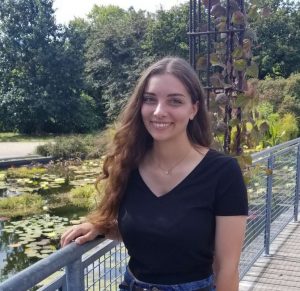
Laura Fehling, M.S.
Current position: Purdue University
I came to Miami University to earn a Master’s in Botany after graduating from the University of Wisconsin at Green Bay with a Bachelor’s degree in Environmental Science. My research interests are in plant ecology, community dynamics, and conservation. As a graduate student, I am interested in working locally to study the effects of changing environmental conditions and human activity on ecological communities’ populations and interactions.
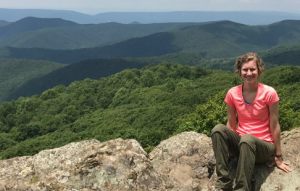
Anna Bowen, Ph.D.
M.S. 2015, Botany, Miami University
Ph.D. 2020, Ecology, Evolution, and Environmental Biology
Current position:
Assistant Professor, Biology and Environmental Science
Whittier College
I received my Masters in Botany at Miami in 2015 while studying the future structure and composition of hardwood swamps affected by emerald ash borer. For my Ph.D., I evaluated the effects and distribution of wavyleaf basketgrass (Oplismenus undulatifolius) that is currently invading shaded understories across Maryland and Virginia.

Dr. Meimei Lin, M.S. Botany, Miami University; Ph.D. Geography, Miami University
Current position:
School of Earth, Environment, and Sustainability
College of Science and Mathematics
Georgia Southern University
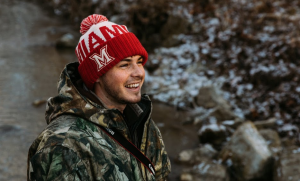
Eli Aubhil, M.S. Botany
First position: Green Roofing Specialist, Tecta America Zero Commercial Roofing, Cincinnati, OH
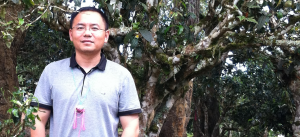
Dr. Wei Li, Ph.D. Ecology, Evolution, and Environmental Biology
Current position: Professor, Yunnan Academy of Biodiversity
My current research focuses on testing the impact of anthropogenic disturbances, such as ecotourism-related trampling disturbance, on alpine meadows in southwestern Yunnan province. Also, we are studying the biology and ecology of some endangered alpine plants endemic to Yunnan, such as Paeonia delavayi. We also conduct lab-based microcosm study, with the aim of testing the relationship between algal diversity, community stability and ecosystem multifunctionality.
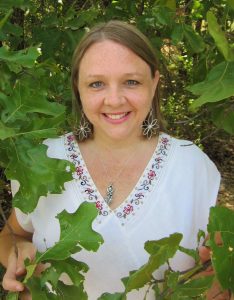
Dana Thomas, M.S. Botany
Executive Director
Institute of Botanical Training, LLC
1530 E. Farm Road 96 | Springfield, MO  65803
www.botanytraining.com
Dana is the Executive Director of the Institute of Botanical Training, a consulting firm based out of Missouri that conducts a variety of botanical work, mostly for government agencies and NGOs. At IBT, she also teaches field plant identification classes to natural resource professionals. Dana also serves as the President and co-founder of NatureCITE, a non-profit organization that conducts ecological and taxonomic research throughout the Midwestern United States. In addition to research, NatureCITE also implements a variety of strategies to bring botanical and ecological knowledge into the hands of landowners and the public, in an effort to help create a more ecologically literate society.