
By Clare Sherman —
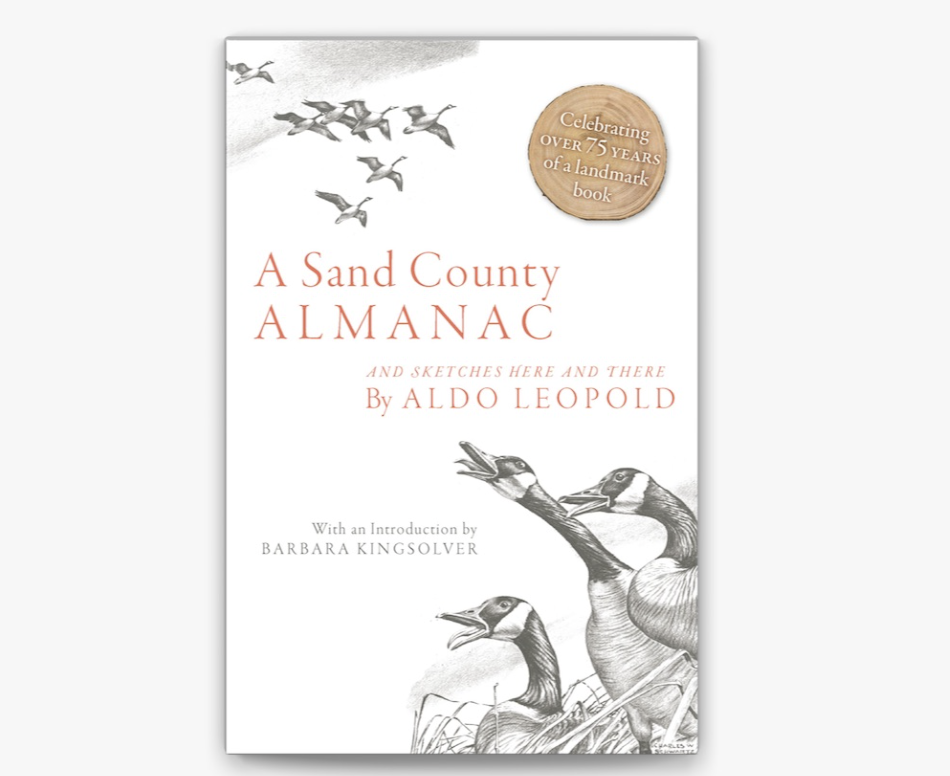
Community members and Miami faculty recently met at Middletown’s Gardner-Harvey Library to discuss “A Sand County Almanac” by Aldo Leopold. Participants pondered Leopold’s ideas of nature and conservationism in a lively discussion.
While Miami Middletown’s book discussion group reads and reviews books every month, this event was a particularly special gathering. In collaboration with the Language, Literatures, and Writing department at Miami Regionals, the event honored Aldo Leopold’s legacy as a part of Leopold week—a country-wide program run by the Aldo Leopold foundation. Dr. Marianne Cotugno, a professor of English at Miami University and the event’s facilitator, explained that our institution was one of a small number of sites in Ohio that received grant funding from the foundation to host Aldo Leopold events.
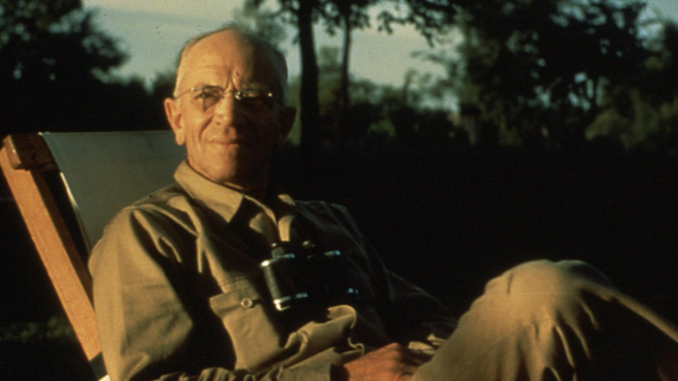
Aldo Leopold was an American ecologist, forester, and professor who is widely considered to be the “Father of wildlife ecology and modern conservation.” His revolutionary book, “A Sand County Almanac,” is a mix of Leopold’s personal observations of nature, discussions of conservation practices in North America, and philosophical essays. An overarching theme throughout Leopold’s work, “land ethic,” is a way of thinking that calls humans to recognize their place as members of nature, not conquerors of it.
Beginning the discussion, Dr. Cotugno prompted the group to speak about their personal relationships with nature. One by one, participants recalled childhood memories of running in the creek, visiting the beach, and attending summer camps. Despite the group coming from varying backgrounds and experiences, common themes of wonder, childhood, and belonging were woven through each account. For the participants who frequently moved throughout childhood, nature was a consistent home. While many thanked their childhood relationship with nature for their current hiking or camp counseling hobbies, others admitted they don’t often spend time in nature as adults.
A common topic of conversation was Leopold’s excellent writing abilities. Participants frequently compared his writing to poetry, with one person saying the beautiful descriptions inspired her to spend more time outdoors. Leopold was praised for talking about complex ideas in an accessible way, and he was also compared to writer Robert Frost for his observant writing style.
In other conversations about Leopold’s ideas, one participant appreciated that he was “both a naturalist and a provocateur.” The duality in his approaches resonated with her, she explained, because she sees this approach needed for current societal issues. “The provocateur wakes up and gets things done,” she said. Another participant echoed the book’s relevance to today, saying she couldn’t believe it was published as far back as 1949.
After thanking everyone in attendance, Dr. Cotugno finished the event with a group picture to send to the Aldo Leopold Foundation. To learn more about the foundation, click here, and to stay updated with MUM’s Book Discussion Group and other Gardner-Harvey Library events, please visit their events calendar.
Leave a Reply