
By Tricia Cherry —
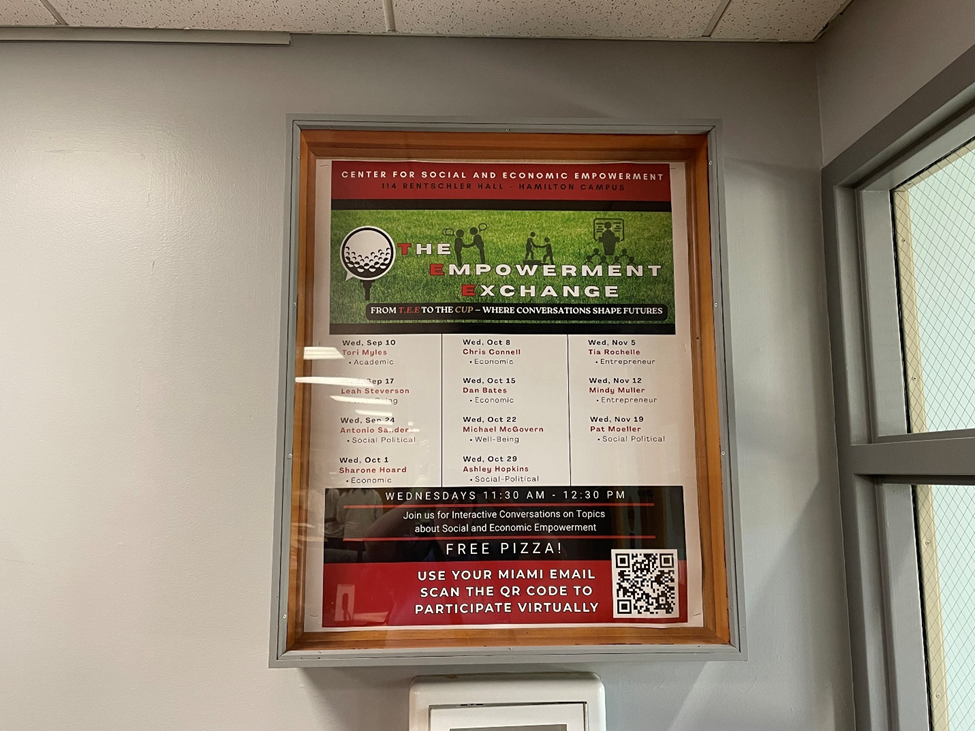
This week at TEE (The Empowerment Exchange) Time, the topic was credit scores, with speaker Sharone Hoard, licensed
mortgage officer and long-time friend of Dr. Hamilton.
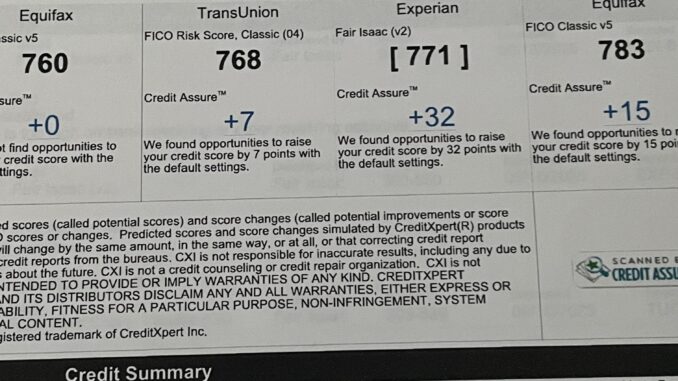
Typically, one’s credit score is a three-digit number ranging from 300 to 850. Often, those who
are in the business of lending money—banks, credit card issuers, car dealerships, department
stores, etc.—will use this score to determine how “credit-worthy” someone is, and how likely
that person is to make payments on time. The longer you’ve got your score and the fewer late or
skipped payments, the better your score will be, and the easier it will be to make big purchases,
such as a home or a car, using your credit.

The talk began with Ms. Hoard telling the students that just a few decades ago, there were no
computers to keep track of who was a reliable client and who was frequently late with payments,
so a single missed debt repayment was what she called “the kiss of death” for one’s credit score.
The nation has three bureaus that typically report or keep track of one’s credit scores: Equifax,
Experian, and TransUnion. Issues or updates related to credit are to be reported to one of these
three, or sometimes all of them.

Hoard then told those in attendance of a story of a sixty-something year-old widow who went to
her bank for a loan and was denied, based on her supposed lack of credit. During a time like the
pandemic of the early 2020s, banks will do what is called “scrubbing”—the deletion of the
deceased individuals’ Social Security numbers.
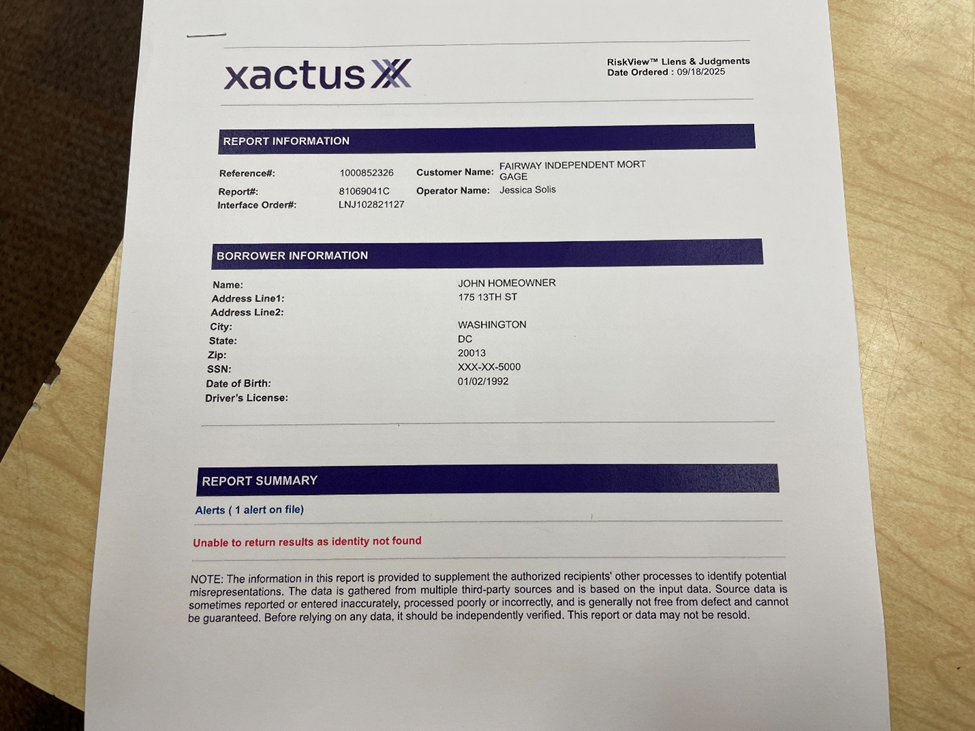
In this case, the bank slipped up and deleted the widow’s number instead of her husband’s. It
took bringing in an expert to clear this up, but a lesson was learned: Banks and credit reports, for
all their careful measures, can still make mistakes, so it is very important to keep meticulous
track of your own records, and monitor your credit—and credit scores—frequently.
A common grievance about our current system of credit is that one has to first have credit before
even receiving credit, certainly a confusing paradox. However, an easy and common way to
begin earning credit without having your own is for a parent, guardian, or someone else to add a
new credit user to the parent’s account. This is how most people these days start developing their
credit history.
Next, the subject of student loans came up (pertinent to many of those in attendance). Ms. Hoard
warned that while a student might receive a loan as a lump sum, the funds might be released in
smaller amounts or paid back as such. FAFSA and other grants are unaffected by one’s credit
score.
When she was asked about her reasons for going into the credit business, Ms. Hoard said,
“People get taken advantage of; they don’t know about credit scores.” Her advice to those just
starting out was to take the time to learn how credit works, and for those who do know, that they
“teach credit” when an opportunity arises.