By Jeffry Catalano —
One of the best parts about taking an English course like ENG 293: Contemporary American Fiction is that you’ll probably be introduced to a book or author you’ve never heard of or read before. Sometimes, a new book you read in class becomes one of your favorites. There are far more books in existence than any one person can read, so it can be a little daunting to consider what to pick up next from the bookstore or library. The benefit of taking an English class like Contemporary American Fiction is that it has a narrow focus and introduces students to books by modern American authors.
For an entire semester, students read and study the work of contemporary and up-and-coming writers. The course, taught by Dr. Cotugno in past iterations, has exposed students to writers with truly original voices like Anthony Veasna So, Karen Russel, and Torrey Peters. The genres and categories of novels on the syllabus for ENG 293 is wide-ranging and fresh. Each novel addresses contemporary issues and concerns and reflects the world we’re living in today. American Contemporary Fiction serves as a reminder to readers that it’s just as important to stay up to date on new literature as it is to devour the classics.
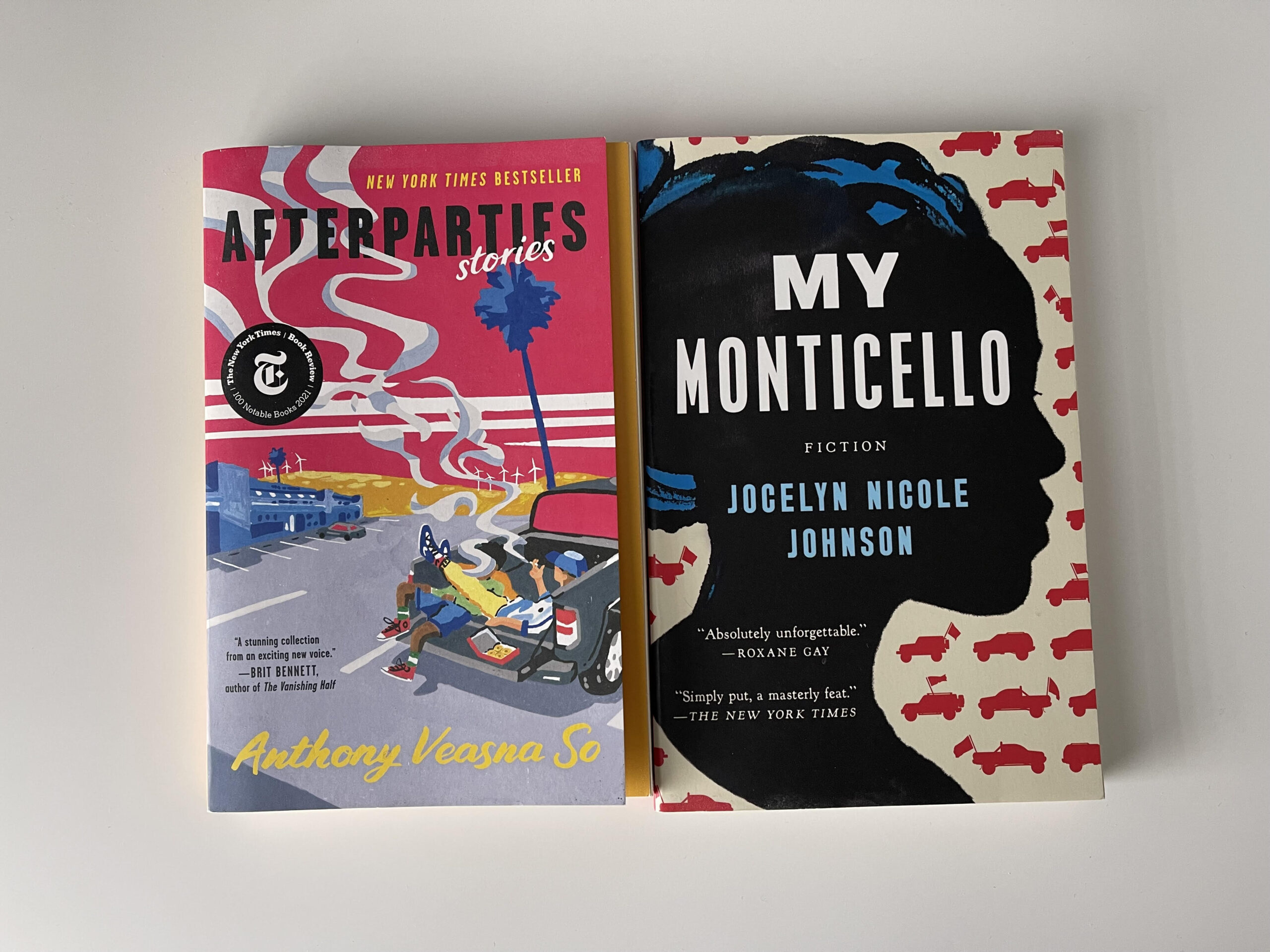
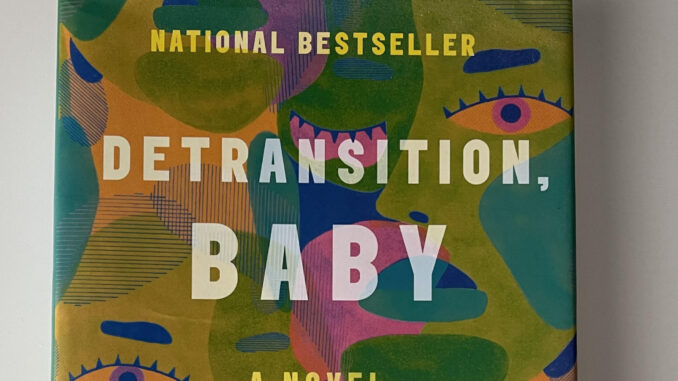
Dr. Cotugno is fascinated with how fiction evolves over time and how authors capture the state of the world in their work. Books like Anthony Veasna So’s Afterparties, Torrey Peters’ Detransition Baby, and Jocelyn Nicole Johnson’s My Monticello tackle issues and subject matter many readers are more aware of and engaged with today than they were years before. Afterparties details the Asian-American experience from a primarily Cambodian perspective. The Cambodian Genocide haunts many of the characters in the book, shedding light on a terrible genocide many Americans probably aren’t too familiar with. Detransition Baby has a cast of trans characters, one of whom detransitioned. Both Afterparties and Detransition Baby are works of LGBTQ literature, and were written by a gay man and trans woman respectively. My Monticello details the African-American experience in several very different short stories, including the dystopian story Johnson’s book shares its name with.
One of Dr. Cotugno’s goals for ENG 293 is to introduce students to stories they might have never read before. She said, “Personally, I hope that students are introduced to authors and texts that perhaps they have not known before, or perhaps they become curious to read more.” This course strongly encourages students to seek out contemporary literature outside of the classroom. For example, a writer like Torrey Peters may inspire other students to find more authors like her.
What each student brings to the books Dr. Cotugno selects for ENG 293 varies significantly. As she reminded me, everyone’s perspective is unique. She said, “My experiences are limited, just like everyone’s, and so I appreciate the perspectives brought to bear on our readings by students.” Over the years, Dr. Cotugno has continually been surprised by the reactions students have had to books and readings she’s assigned, in ENG 293 and in other classes. In an anecdote she shared with me, she related how many of her students’ enthusiastic response to Amy Lowell’s poem, “Patterns,” made her appreciate it in a way she hadn’t before. The poem was never a favorite of hers, but her students’ love for it made her see it in a new light. The books students are assigned in ENG 293 help them see the world from multiple different perspectives, many of which will be different from their own.
Students who’ve taken a number of English classes at Miami or students who like to read in their spare time are probably familiar with the idea of how reading fiction can increase one’s capacity for empathy. Dr. Cotugno is very aware of how reading can help a person develop their mental and emotional intelligence. The books she selects for ENG 293 are filled with characters readers can empathize with.
While Dr. Cotugno is a proponent for fiction’s ability to increase a person’s empathy, she also made the point of how there are some limits to this. She said, “For example, I’ve read many books that depict the events of the Holocaust, but I would never, ever suggest that I can truly empathize with the experiences of those who lived that event (as well as the generations impacted by those events).” As someone who’s read Elie Wisel’s Night and a number of other nonfiction books about one of the darkest events in human history, I knew what she meant.
Still, fiction has the profound ability to make many readers feel seen and feel less alone. The books one reads in ENG 293 cover so many different variations of the American experience. Contemporary American Literature helps expand students’ definition of what the American experience is.
A number of the books students read in ENG 293 are short story collections. Books like Afterparties and My Monticello offer one fascinating, isolated story after the next. If Contemporary American Fiction is any indication, short stories are as popular as they ever were. As someone who knows next to nothing about short stories, besides the work of masters of the genre like Flannery O’Connor, I asked Dr. Cotugno for her thoughts on this. She said, “I love short stories, and it’s a fascinating genre. I think short stories can be more appealing to readers who have less time to spend reading. It can also be less intimidating to a student to be asked to read a short story versus a novel.” In the fast-paced world we live in, maybe people are drawn to short stories because they can finish them in one sitting. Two of Dr. Cotugno’s favorite short story authors are Flannery O’Connor and Vladimir Nabokov.
With such a rich variety of texts covered in ENG 293, it seems like American fiction has made a great deal of progress. There also seems to be more of a market for books that might not have found critical and commercial success years ago. I know I’m hardly alone in my gratitude for the many books and authors I’ve been introduced to over the years at Miami. Through ENG 293, I read about communities of Americans, like Cambodian Americans, that I didn’t know that much about before. The primary lesson I took away from the class was to read as many different types of contemporary fiction authors as I could when I got the urge to read new fiction. I would like to think that, before taking Contemporary American Literature, I would’ve picked up a book like Afterparties at the bookstore if I found plot synopsis on the back intriguing, but I can’t be sure.
English 293 taught me not to limit myself and to take chances on what I read. The different points of view I encountered through the books Dr. Cotugno chose for class has broadened my horizons in ways I could never have expected. Dr. Cotungo believes that fiction’s ability to open one’s mind is one of its greatest benefits. She said, “Being able to see multiple perspectives rather than view things in binary ways is important to me. If students develop some skills that they can use in their daily lives, I’m happy.”
Afterparties, Detransition Baby, and My Monticello were taught while I was a student in Contemporary American Fiction. In previous interactions of the class, the following were also on the syllabus: Sleep Donation by Karen Russell, The UnAmericans: Stories by Molly Antopol; Bark: Stories by Lorrie Moore; Family Life: A Novel by Akhil Sharma.