

The Problem: The Myth of the “Perfect” Conservation Job
By Kevin Matteson
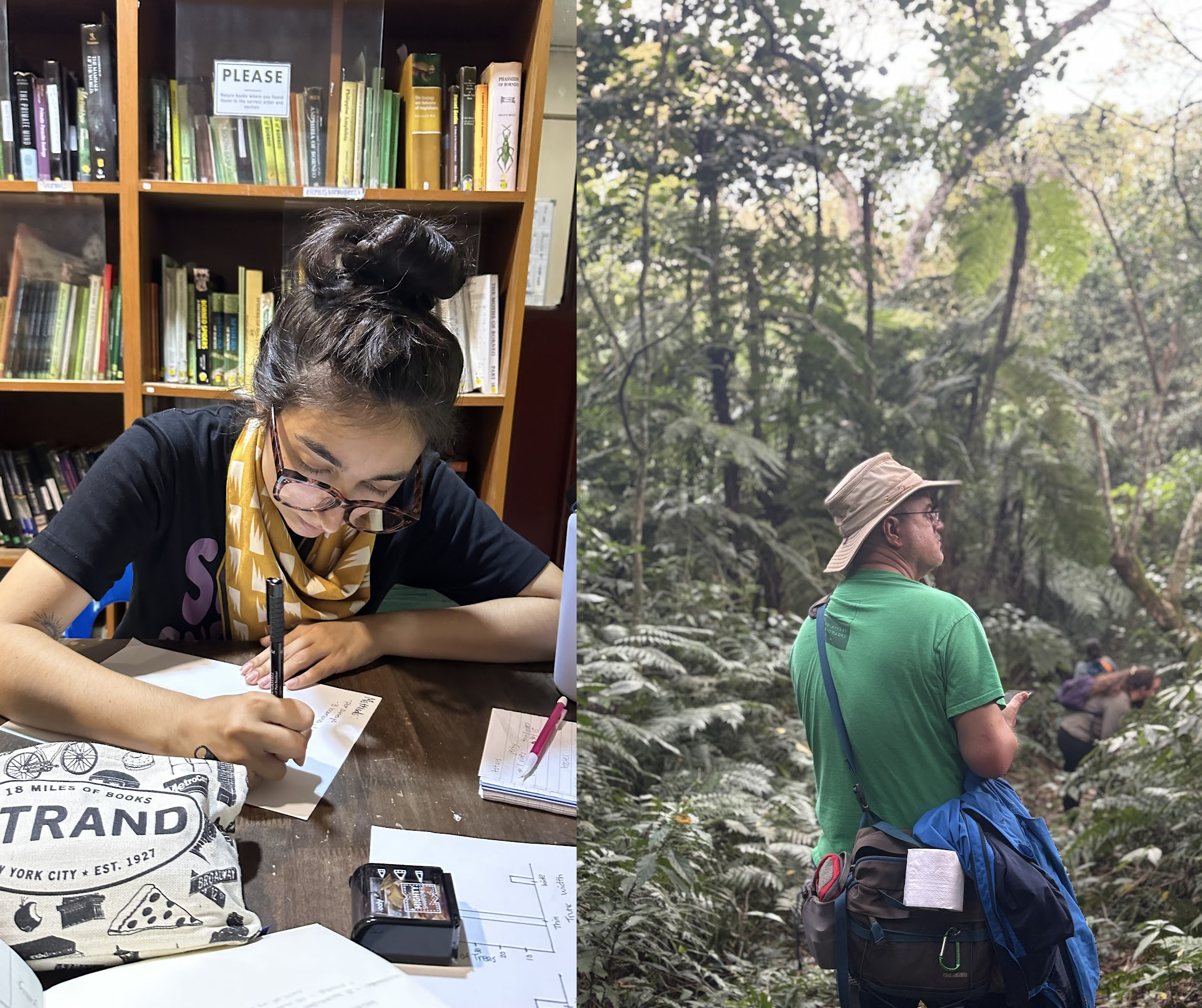
The environmental and conservation world seems so alluring to so many people. When we picture a “conservationist,” the image that comes to mind is almost always the same: a field biologist in khaki waders trekking through pristine, exotic landscapes, directly contributing to saving species and making a difference.
Because of this stereotype, countless professionals with a deep passion for the environment suffer from massive “Imposter Syndrome.” If your resume is filled with terms like project management, payroll, grant writing, graphic design, or corporate communications, you might think you have no place in the wildlife sector. You tell yourself, “I am not a real conservationist, so I can’t really help.”
But here is the reality of the conservation field that I often share with prospective students: it is a lot of time behind a computer. It is a lot of time grinding on grants that often aren’t funded, or writing publications that take immense effort but sometimes end up not getting read much or having the sweeping impact you hoped for. Day in and day out, you watch the world continue to go in the direction it’s going. It is not easy work, no matter where you are.
If you absolutely love it and want to dedicate all of your waking hours to it in a very competitive market, by all means, do it. We have had plenty of people go on to get PhDs and work for conservation organizations in all different careers. If that’s the dream, you should go all in. But jumping ship to go on the environmental job search often means stepping into a less stable position with fewer options overall.
For a lot of people, there is another path.
The “Hybrid” Lifestyle: Leveraging Your Vocation
If you have a vocation where you are talented and have built up skills—whether it’s being an artist, building communities, managing events, running social media, practicing law, or owning a business—there are so many ways that you can contribute to conservation just by integrating it into your current position.
Saving species isn’t just about fieldwork; it is a global “business” that desperately needs the exact skills you already possess. To keep an environmental nonprofit, zoo, or NGO afloat, organizations need immense structural support. Science tells us what needs to be saved, but it’s the operational team that actually figures out how to do it.
Here is how traditional “science” roles map onto the “hidden” conservation jobs that keep the movement alive:
| The Skillset | Traditional Science Role | The “Hidden” Conservation Role | The Real-World Impact |
| Finance & Funding | Research Scientist (Writing papers) | Grant Writer / Accountant | Secures and manages the multi-million dollar budgets required to buy protected land and fund field teams. |
| Operations & HR | Lead Biologist (Managing wildlife) | Corporate Leader / HR Director | Builds sustainable business models, recruits top talent, and ensures equitable, green working conditions for staff. |
| Messaging & PR | Ecologist (Publishing data) | Marketing Strategist | Translates dense scientific data into targeted public campaigns that drive community action and policy change. |
| Design & Media | Taxonomist (Classifying species) | Visual Storyteller / Artist | Creates visually engaging content that makes the public fall in love with—and donate to save—threatened species. |
The Project Dragonfly Perspective: Subtly Influencing the World
In my role, I actively encourage our graduate students to validate their skills and unique contributions to conservation. Our master’s degree programs don’t just train scientists; they empower career-switchers to point their existing expertise toward the environment, doing the absolute best with the roles they already have.
Here are some of the incredible professionals changing the field by leveraging their “non-science” backgrounds:
- The Financial Expert: Adam Bernstein – Nonprofits and conservation NGOs cannot survive without financial literacy and funding. Adam created a climate finance education presentation to help employees in environmental organizations gain a better understanding of climate finance practices. His work proves that understanding “conservation capital” is just as critical to saving the planet as understanding ecology.
- The Legal Professional: Patricia Jones – If you think working at a law firm means you can’t work in conservation, think again. Patricia used her Community Leadership Challenge to create a Sustainability Committee at her law firm. She pitched her initiative directly to Chief Officers and Board Members, executing green initiatives to make the firm more environmentally friendly and exploring membership in the Law Firm Sustainability Network.
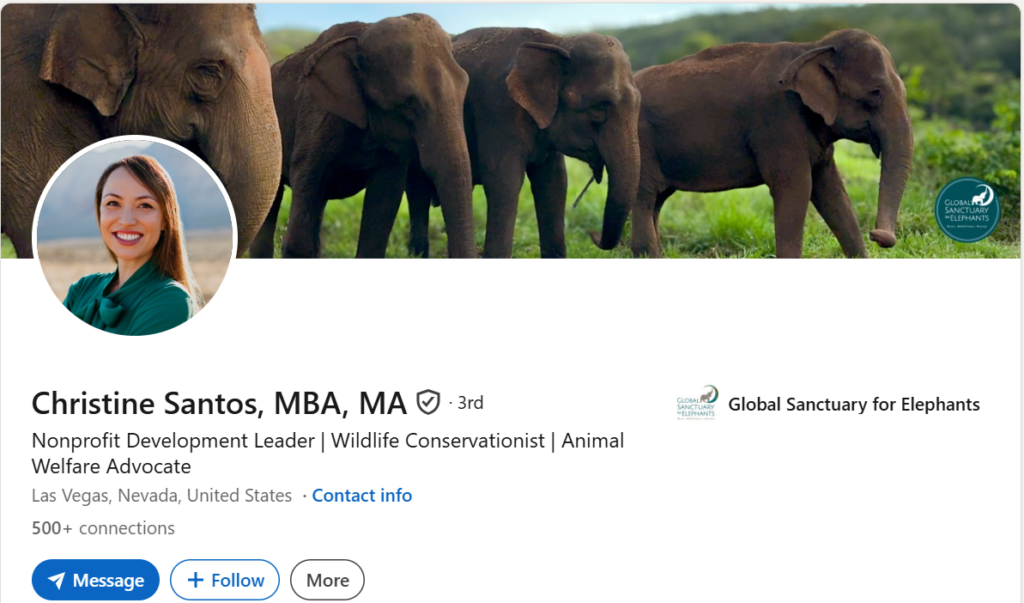
- The Marketing Strategist: Christine Santos – Effective conservation doesn’t happen without effective communication. Christine utilized her skills to tackle a massive hurdle for small environmental nonprofits: reaching new audiences on a tight budget through strategic social media marketing—and, teaching NGOs how to tailor their messaging to motivate different demographics.
- The Corporate Liaison & Event Manager: Daniel DiMarino – Executing massive conservation events requires strategic project management and corporate networking. Daniel planned a 400-person community volunteer Earth Day event on Governors Island in NYC. To pull it off, he utilized his corporate networking skills to engage key partners like Bloomberg, Citi, and McKinsey to secure funding and a reliable volunteer base, successfully organizing the removal of 10 truckloads of invasive species.
- The Business Executive: Emma Cotter – You don’t have to leave the corporate sector to be a conservationist; you can transform it from the inside. Emma is the leader of a restaurant group that pushed to become a Certified B Corp. Through her publication in Modern Restaurant Management, Emma added a vital perspective on the challenges and value of authentic sustainability in the hospitality industry, proving that corporate operations and environmental stewardship can, and should, go hand-in-hand.
- The Performance Artist: Courtney Adams – Art doesn’t just mean painting or drawing. Courtney merged the arts and sciences by creating “Conservation Cirque”—an aerial cirque performance art event designed to educate her local community about the illegal wildlife trade and the plight of endangered primates. By using an innovative, highly visual method, she engaged a diverse audience that might have otherwise bypassed a traditional science lecture.
- The Visual Storyteller: Kendra Aldrich – Kendra formerly felt “tethered to a desk as a graphic designer,” but realized her artistic talents were a powerful tool for the planet. She pivoted her career to focus on wildlife fine art. Through her narrative piece published in Wild Hope Magazine, she explores how visual arts can bridge the disconnect humans have developed with the natural world, cultivating a sense of wonder and urgency for habitat protection.
- The Social Media Coordinator: Brittany Ash
- Brittany realized that helping animals in shelters doesn’t just mean cleaning cages—it means getting them seen. She spearheaded a digital marketing campaign to help facilitate adoptions for dogs that were often overlooked due to behavioral or medical issues. By leveraging social media as an outreach tool and highlighting each animal’s story, she successfully secured adoptions for all her target dogs.
The Take-Home Message
The planet doesn’t just need more field biologists. The conservation movement is desperate for organized accountants to balance the books, strategic operations directors to build sustainable business models, persuasive marketers to secure funding, and visionary artists to tell the story of the wild.
Your existing resume isn’t a roadblock; it may be exactly what the environmental sector is looking for. Don’t be afraid to find a way to build a hybrid lifestyle. You don’t necessarily have to abandon your current career path. You just need to bring your unique, “hidden” skills to the table and find ways to subtly influence conservation in your own unique way.
