
For a step further, Acrylonitrile Butadiene Styrene (or ABS plastic) is one of the most widely used thermoplastic materials worldwide. It is also used in consumer electronics, automobile parts, and household products due to its strong and versatile character, which enhances our day-to-day life products. But why is it so well-known in multiple industries? Well, it can withstand impacts. Other factors like flexibility and strength also make it shine in modern manufacturing. In this article, we will help curious makers, business professionals, or anyone passionate about technology understand the innovation paradigm that’s happening. If you’re looking for more information about ABS plastic, go there right away.
What is ABS Plastic?

ABS, also known as Acrylonitrile Butadiene Styrene, is one of the most widely used thermoplastic polymers in today’s age, used in vehicle parts, everyday electronic devices, and even household products. It is cost-effective because it is easy to mold and shape, which is also one reason it is commonly used for 3D printing. Not only that, it is light-weight, can bear a hefty amount of stress without breaking, and can have reliable outcomes no matter what conditions it is put through.”
Introduction to Acrylonitrile Butadiene Styrene
The proportional mix and attributes of Acrylonitrile Butadiene Styrene (ABS) make it appropriate for many industrial and consumer uses. In general, ABS can be recognized for its astounding impact strength, which ranges from 200 to 250 kJ/m². The grade and formulation, however, determine its exact value. It’s shock-absorbing, which prevents materials from cracking under stress, a necessary characteristic for heavy-duty applications. Additionally, like most polymers, it has good tensile strength, which in the case of ABS is around 40 MPa, proving its reliability across multiple domains once again.
Thermally, ABS performs within a broad spectrum of temperatures. Its normal limits are set at -20 °C to 80 °C (-4°F to 176°F). Headway can be made towards improving its heat resistance, though it sustains structural integrity across various conditions. When it comes to heat, it has a glass transition temperature of 105 °C (221°F), making it stable when subjected to moderate thermal strain.
This polymer is quite resistant to chemical attacks by some oils, alkalis, and acids, but it is sensitive to solvents such as acetone. Its enhanced machinability makes it possible to alter the polymer’s traits to a desired formulation, especially when combined with numerous hinges. With its wide range of features, this polymer has become a central component in various sectors, including automotive, construction, healthcare, and consumer electronics. The environment is also a consideration for the progress being made on recycling ABS materials. Though not biodegradable, ABS can be repurposed through mechanical recycling processes. This, in turn, mitigates waste and supports sustainability in manufacturing.
How is ABS Material Manufactured?
ABS, or Acrylonitrile Butadiene Styrene, is created using the polymerization method, which involves three monomers: acrylonitrile, butadiene, and styrene. Emulsion or continuous mass polymerization is often employed. Each component is distinct in its contribution to the end material. Acrylonitrile provides chemical resistance and thermal stability. Butadiene adds additional toughness and impact strength, while styrene ensures rigidity along with a smooth finish.
During manufacturing, careful control of temperature, with reactions ranging from about 93 to 204 degrees Celsius, is crucial for accurately mixing and suspending materials. The initial phase involves ensuring that polybutadiene serves as a tensile bolster, then as a reinforcing agent, while acrylonitrile and styrene are suspended in the matrix. Specific devices and various techniques also dictate the heating temperatures. Further along the polymerization skip step, additives can be introduced to tailor specific features; for example, pigments, lubricants, or stabilizers may be added.
The most recent changes to ABS production focus on optimizing department processes and protecting the environment. The up-to-date energy-conserving methods utilize a closed-loop system, which helps minimize waste and emissions. The output of ABS resin has recently surpassed 10 million metric tons in annual production, highlighting the continued demand for the material. The production process outlined above demonstrates the need for both accuracy and creativity in producing materials used in various industries.
Comparing ABS with Other Plastic Materials
Unlike other plastics, ABS (Acrylonitrile Butadiene Styrene) has a unique combination of traits. From automobile components and electronics to everyday items, it is used where exceptional strength, impact resistance, and durability are needed. Unlike PVC, ABS does not use chlorides, resulting in a reduced rate of environmental degradation. While polycarbonate (PC) has higher optical clarity and heat resistance, it is more expensive; however, it surpasses ABS in both of these traits. In comparison to polypropylene (PP), ABS is more rigid and impact-resistant, while PP is cheaper, lighter, and more chemically resistant. The differences showcased allow ABS to be tailored-suited for numerous applications across various industries.
What are the Key Properties of ABS Plastic?
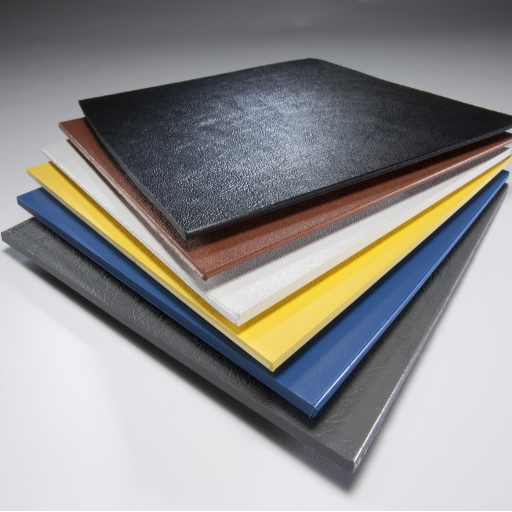
ABS plastic offers considerable properties that make it multi-purpose. It is well-known for having impact resistance, which allows it to bear significant levels of injury. The material is described as strong in rigidity, which gives structural strength to many types of applications. ABS is also known for exceptional toughness and durability, which ensures performance over a long period. In addition, it has moderate heat resistance along with deformation resistance at normal operating temperatures. In terms of weight, cost, and ease of molding, ABS plastics make a good option for various industrial applications.
Mechanical Properties and Impact Resistance
Details on the reputation of ABS plastic show that it offers a well-balanced set of mechanical properties, including strength, stiffness, and impact resistance. Its tensile strength is listed as about 40-50 MPa, while its flexural strength is usually around 70-90 MPa, showcasing both rigidity and structural competence. Infused into what makes ABS unique is its impact resistance, the ability to absorb shocks, and withstand sudden mechanical stress without cracking or breaking. Alongside this, ABS is known for demonstrating strong stability in dimension where it retains its shape under extreme load or temperature changes. Both properties, along with being reliable and durable, are factors that make ABS appropriate for increasingly dangerous applications within the automotive, electronics, and consumer goods industries.
Understanding the Chemical Resistance of ABS
While not being suitable for all applications, ABS does offer moderate chemical resistance. Its ability to withstand certain oils, diluted acids, and alkalis makes it reliable when coming into contact with some materials. However, strong acids and solvents do make ABS more vulnerable, especially when coupled with extended periods of UV light exposure, which can lead to degradation or discoloration. This balance of resistance offers practical applications for ABS in areas where mild chemicals are present, but not in places where severe chemicals are encountered. Always consider the specific chemical environment and application requirements for the best results when using ABS.
The Thermoplastic Nature of ABS
Acrylonitrile Butadiene Styrene (ABS) is a well-known thermoplastic polymer with favorable properties, including impact and heat resistance, as well as durability. Like many other thermoplastics, ABS is versatile and recyclable, as it can be melted and reshaped multiple times with minimal degradation. This is possible because of the linear or slightly branched molecular structure of ABS, which softens when heated and hardens when cooled. Approximately 212°F (100°C) is the maximum temperature ABS can withstand. Moreover, ABS offers ease in processing using various methods such as injection molding, extrusion, and 3D printing. The thermoplastic characteristics of ABS make it suitable for a variety of automotive parts and consumer goods that require dependability.
What are the Applications of ABS Plastic?

Strength, durability, and versatility are only a few of the traits that make ABS plastic so popular among different industries. It can be found in automotive parts, such as dashboards and wheel covers, as well as in consumer electronics like phone and laptop cases, and household goods like kitchen appliances and toys. Exact and high-quality 3D designs can be created using ABS plastic, as it is easily moldable and is therefore widely used in 3D printing.
Use of ABS Plastic in the Automotive Industry
Thanks to its impact strength and heat resistance, ABS plastic is extremely valuable to the automotive sector. The lighter components increase the vehicle’s efficiency, which is crucial to improving performance. From the interior, standard components are the dashboards, door panels, instrument panels, and even wheel covers. In addition, exterior components such as mirror housings and grilles are made from ABS since it is very malleable while still providing design freedom. These sustainable attributes improve the carbon footprint associated with manufacturing automobiles and contribute to enhanced sustainability practices within the industry.
ABS in Consumer Electronics and Appliances
Due to its lightweight, durability, and versatility, ABS plastic is essential for the consumer appliance and electronics market. Manufacturing printers, smartphones, laptops, and even televisions use ABS for their casings. This is because it provides protection from impact and dramatically improves its looks by having an aesthetically pleasing finish. It is also used in appliances, such as vacuum cleaner casings, refrigerator inner walls, and other kitchen appliances, because it can withstand a lot of damage and heat, and can be designed in many forms. Additionally, ABS has excellent electrical insulating properties, making it perfect for use in components. Furthermore, the low cost and recycling options available make it more compliant with modern sustainability goals. Because of this, ABS plastic will continue to be used for many years.
Applications in Medical Devices and Industrial Applications
The development of medical instruments relies critically on ABS due to its strength, light weight, and ease of sterilization. Nebulizers, drug delivery systems, and surgical instruments are used because ABS is biocompatible and can withstand harsh conditions. Also, ABS is amenable to modern manufacturing methods, such as injection molding, which is used to produce medical components with the required accuracy and grade at a low cost.
ABS is in high demand in the industry due to its chemical resistance, rigidity, resistance to rough handling, and ability to be molded into various shapes. It finds application in the production of car components, such as dashboards and fenders, fasteners, pipes, protective cases, and filaments for 3D printing. These properties, along with chemical and Heat resistance, make ABS a dominant material in these industries.
What are the Benefits of ABS Plastic?
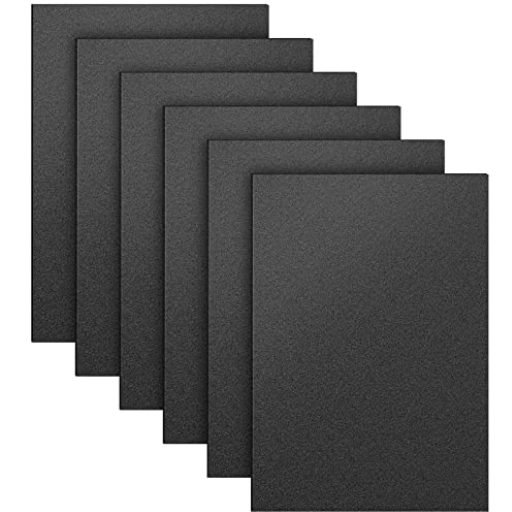
The development of medical instruments relies critically on ABS due to its strength, light weight, and ease of sterilization. Nebulizers, drug delivery systems, and surgical instruments are used because ABS is biocompatible and can withstand harsh conditions. Also, ABS is amenable to modern manufacturing methods, such as injection molding, which is used to produce medical components with the required accuracy and grade at a low cost.
The Durability and Toughness of ABS
ABS is in high demand in the industry due to its chemical resistance, rigidity, resistance to rough handling, and ability to be molded into various shapes. It finds application in the production of car components, such as dashboards and fenders, fasteners, pipes, protective cases, and filaments for 3D printing. These properties, along with chemical and Heat resistance, make ABS a dominant material in these industries.
Cost-Effective Manufacturing and Ease of Processing
In my view, ABS is one of the best materials on the market as it combines robustness with key features. Its thermoplastic nature means it can be easily processed and shaped, resulting in less time and lower costs. Because it can be processed using various techniques such as 3D printing or injection molding, ABS’s versatility makes it ideal for mass production. Most importantly, the recyclability of the material aligns with today’s flexible sustainability goals, which provides additional value from both economic and environmental perspectives.
ABS Surface Finish and Versatility
ABS is also well-known for its exceptional surface smoothness, as well as gloss or matte finishes, and even texture relief, depending on the application. Its natural ability to gather paints, coatings, and finishes makes it incredibly adaptable for both practical and aesthetic reasons. Whether it’s consumer goods, car parts, or industrial machinery, ABS can provide tailored solutions for different requirements while striking a balance between resilience and beauty.
What are the Disadvantages of ABS Plastic?

Although ABS plastic has many applications, it also has numerous shortcomings. Its resistance to UV light is limited, leading to degradation and discoloration over prolonged exposure to sunlight. In addition, compared to other plastics, ABS is weaker at high temperatures, which restricts its use in places with extreme heat. Furthermore, its resistance against chemicals is relatively weak, making it susceptible to some solvents and acids. Last but not least, failure to recycle or properly dispose of it would pose environmental concerns since it is not biodegradable.
Challenges in UV Radiation Exposure
UV radiation poses formidable challenges to materials like ABS because they lack good resistance to prolonged sunlight exposure. The most common and damaging of these effects is photodegradation, which manifests as chain scission, resulting in increased brittleness and a loss of mechanical properties. Research shows that in the absence of shielding, the impact strength of ABS could deteriorate by 20-50% over several months due to ultraviolet exposure of varying intensity and duration. Moreover, discoloration may occur wherein the material’s surface turns yellowish or chalky white as pigments and dyes undergo degradation.
To overcome these challenges, stabilizers and weatherable coatings are commonly integrated into ABS plastics to extend their outdoor application potential. Even so, these treatments do not fully resolve the problem. Protective measures, such as stronger outer layers, add to the costs of the primary material, while intense and prolonged sunlight may still cause some damage over the years. The need for frequent reapplication and replacement of materials in high-exposure areas greatly diminishes the product’s value. These constraints highlight the importance of foresight and planning when selecting materials for construction, where UV radiation is a critical design factor.
Environmental Concerns and Recycling
Materials exposed to UV radiation are known to cause environmental harm through degradation, which can lead to pollution and the production of microplastics. These effects can be curbed if recycling and disposal techniques are done correctly. Although many materials that undergo UV degradation can still be recycled and repurposed, proper processes are required, often in specialized facilities. Plastics affected by UV radiation face severe problems with recycling and are plagued by contamination and degraded material properties, making it impossible to produce quality recycled goods. To combat these problems, researchers are focusing on creating more sustainable materials, improving existing ones, and building better recycling infrastructure for managing materials exposed to UV radiation.
Limitations in High-Temperature Applications
Degradation of materials, thermal expansion, and loss of high-temperature mechanical properties all significantly challenge high-temperature applications. As a rule, conventional materials tend to fail when exposed to intense heat, resulting in loss of structural integrity, poor performance, and a shorter lifespan, while being greatly impacted on multiple levels. Because of this, my area of focus concentrates on advanced high-temperature ceramics, specialized alloys, and other composites designed to withstand high temperatures.
Frequently Asked Questions (FAQs)
Q: What are the key properties of ABS plastic?
A: ABS plastic is a thermoplastic polymer known for its excellent impact resistance, tensile strength, and thermal stability. It also has good electrical insulation properties, making it suitable for applications that require electrical insulation.
Q: How is ABS plastic used in the automotive industry?
A: ABS is widely used in the automotive industry due to its ability to withstand environmental conditions and maintain structural integrity. It is commonly used in the production of automotive parts such as dashboards, wheel covers, and other interior components.
Q: What are the common uses of ABS plastic sheets?
A: ABS plastic sheets offer a glossy finish and are used in applications like thermoforming, which includes making enclosures, automotive components, and consumer goods. ABS plastic sheets provide excellent impact resistance and are suitable for use in a wide range of industries.
Q: Why is ABS plastic popular for 3D printing?
A: ABS plastic is popular for 3D printing due to its recyclability and desirable properties, such as excellent impact resistance and thermal stability. It can be molded into detailed parts while maintaining a good balance of strength and flexibility.
Q: What is the role of ABS in household appliances?
A: ABS is used in household appliances because it offers a combination of durability, excellent impact resistance, and electrical insulation properties. It is often used to make housing components and parts that require a robust yet lightweight material.