

By the Elementary and Junior High Classes of Judith Onslow, Kathleen Fariday, and Mary Klopfer Girdwood Elementary Junior High School, Girdwood, Alaska
Editor’s Note: This post is a vintage treasure from the Project Dragonfly archives, originally published in Dragonfly Magazine in the late 1990s. It highlights the incredible ways students can connect local history, indigenous knowledge, and hands-on environmental science right in their own schoolyards.
The Spark
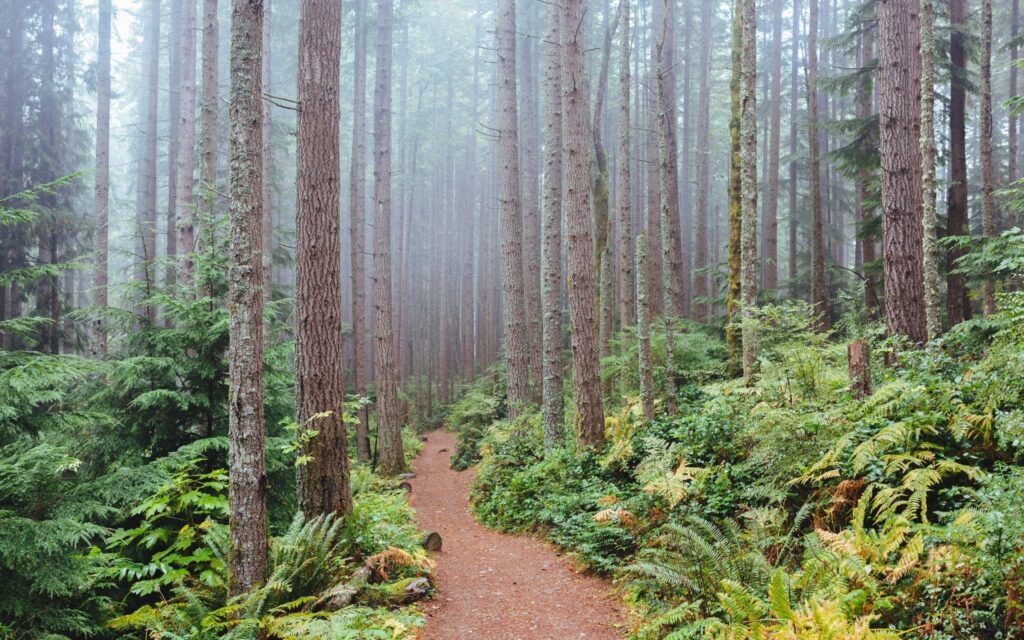
Every place has a history and a unique story to tell. We live in Alaska, nestled inside the northernmost coastal rainforest in the world. Long before our school was built, the Athabascan people lived on this very land. The forest provided them with everything they needed: shelter, tools, clothing, food, and medicine.
We realized we wanted to deeply understand the land we inherited from the Athabascans. We wondered: How did the native people in our area live and interact with this ecosystem? And more importantly, how could we bring that history to light for our community?
The Prediction
We believed that by exploring the dense woods directly behind our school, we would find hidden clues about the past—like natural trail formations, old resource zones, and animal habitats. We predicted that by researching Athabascan traditions, we could map out distinct “learning stations” that demonstrate how the indigenous population utilized local physics and engineering to survive and thrive in a harsh climate.
How We Investigated
From May 1996 through May of this year, we set out to create a one-mile trail behind our school called the Athabascan Environmental Physics Trail. We kicked off this massive project with the help of a grant from the Toyota/Tapestry Awards Program.
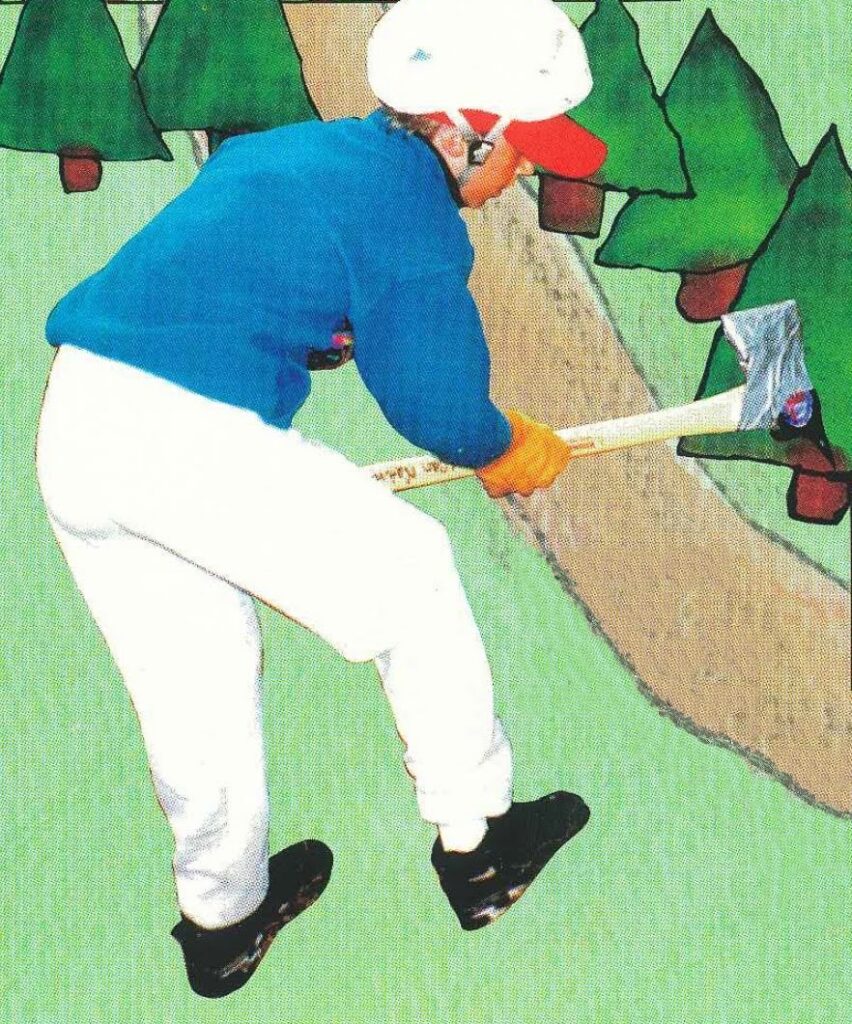
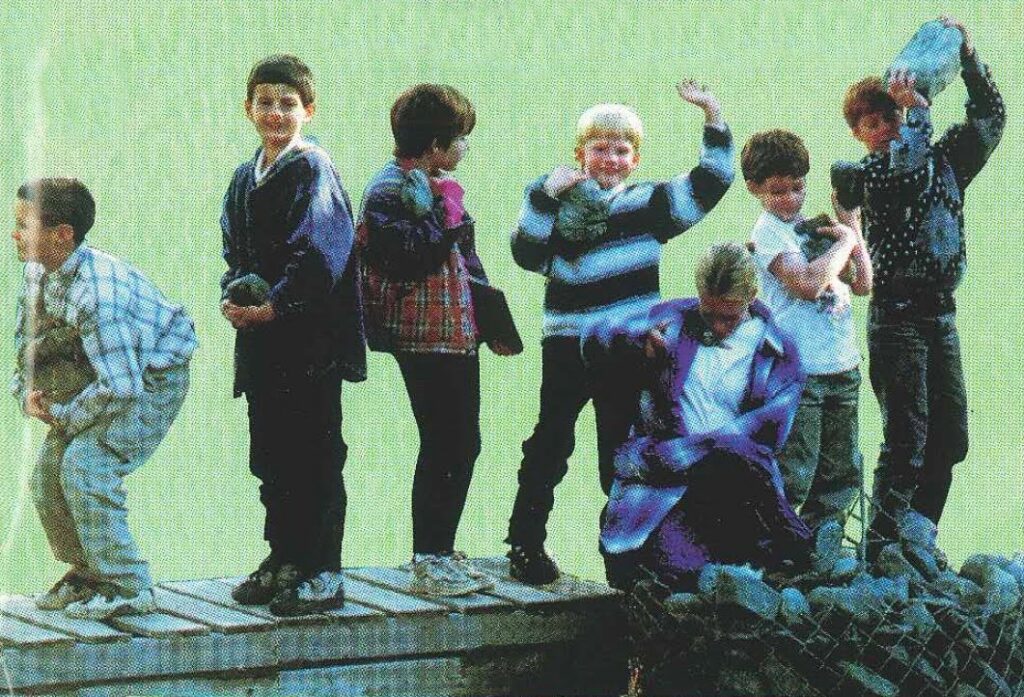
Our methodology wasn’t just about reading books; it was about physical labor and environmental engineering. We split into teams to clear brush, dig out the trail beds, and haul supplies. We even formed a dedicated “rock brigade” to carry heavy stones across the site to form sturdy piers for our new bridge supports.
To make our trail a true educational experience, we also designed and built custom signs to teach future hikers about the Athabascans and the local ecology. We mapped out six major points of interest along the path.
What We Found
Our outdoor investigation revealed amazing connection points between nature, history, and physics. Here is a tour of what we uncovered along our trail:
1. Deadfall & The Physics of Spruce Roots
We encountered sections of Deadfall—tangles of fallen trees and brush. We learned that the native people used spruce roots harvested from these areas to hold wooden boats together, weave berry bags, and craft hats.
The physics of these woven root hats is brilliant: when it rains, the roots absorb water and expand, which automatically tightens the weave and makes the hat completely waterproof! In warm, dry weather, the roots contract and the hat loosens up to breathe.
2. Tiny Creek & The Tree of Life
At Tiny Creek, we focused on the spruce tree, which was the Athabascans’ most vital resource. We mapped out how different densities of the wood served different mechanical purposes:
- ggek (hard/dark wood): Used for high-impact tools like hunting spears, lances, sleds, and splitting wedges.
- dehzila (soft/light wood): Used for resonant structures like drums, or light objects like dishes and arrows.
- ch’ik’eda (medium wood): Ideal for structural flexibility, such as boat ribs, paddles, and poles.
- Inner white bark, sap, and cones: Utilized for survival medicines, hot drinks, and emergency food.
3. The Squirrel Midden (Eco-Lessons)
We discovered a Squirrel Midden, an area where squirrels store food and live across generations. This discovery reminded us of the Athabascan philosophy that no human owned the land. Their legends state that throwing out garbage or discarding worn-out utensils carelessly was deeply offensive to nature. They were the original low-impact campers.
4. The Transition Zone & Beaver Pond
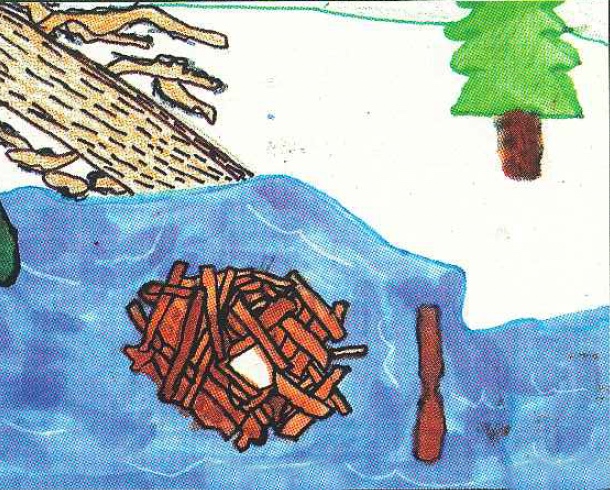
Further down the trail, we entered the hunting grounds. Athabascan hunters engineered traps like snares and deadfalls, alongside bows, arrows, and spears to hunt rabbit, bear, moose, beaver, porcupine, and forest birds. At the Beaver Pond, we explored legends showing how deeply the Athabascans respected animals. They believed beavers willingly gave their meat and fur for human well-being, and in return, humans treated them with the utmost honor.
Go Wild: Your Turn!
You don’t have to live in Alaska to look back in time. Every single neighborhood has an environmental history waiting to be uncovered. We challenge you to step outside your front door and try these two action items:
- Map Your Local Footprint: What was standing on the ground where your home or school is located 100 years ago? What about 1,000 years ago? Research the indigenous peoples of your region. What plants and natural materials did they rely on for engineering their daily tools?
- Practice Sound-Scaping: Athabascans listened intensely to survive; they could perfectly recognize, interpret, and imitate natural sounds. Sit on your porch or in a local park for ten minutes with your eyes closed. Try to map the sounds you hear. Can you identify three distinct animal or environmental sounds?
The Field Guide (Educator Resources)
- Subject/Grade Level: General Science, Environmental Science, and Social Studies / Grades 4–8
- Inquiry Focus: Community-Based Action Research, Indigenous Science (TEK – Traditional Ecological Knowledge), and Material Physics
- The Science Behind It: This project highlights the mechanical properties of natural materials (hygroscopy in spruce roots causing expansion/contraction) and demonstrates how indigenous populations applied physics principles to wood densities to select the perfect material for specific structural tasks (e.g., tensile strength vs. flexibility).
- Standards Connection:
- NGSS MS-ESS3-3: Apply scientific principles to design a method for monitoring and minimizing a human impact on the environment.
- NGSS MS-ETS1-1: Define the criteria and constraints of a design problem with sufficient precision to ensure a successful solution, taking into account relevant scientific principles and potential impacts on people and the natural environment that may limit possible solutions.
- Materials Needed:
- Local field guides (flora and fauna)
- Historical maps or regional indigenous heritage records
- Trail-clearing hand tools (pulaskis, shovels, gloves) for active trail projects overseen by adults
- Heavy wooden posts and outdoor-grade signboards for trail marking