

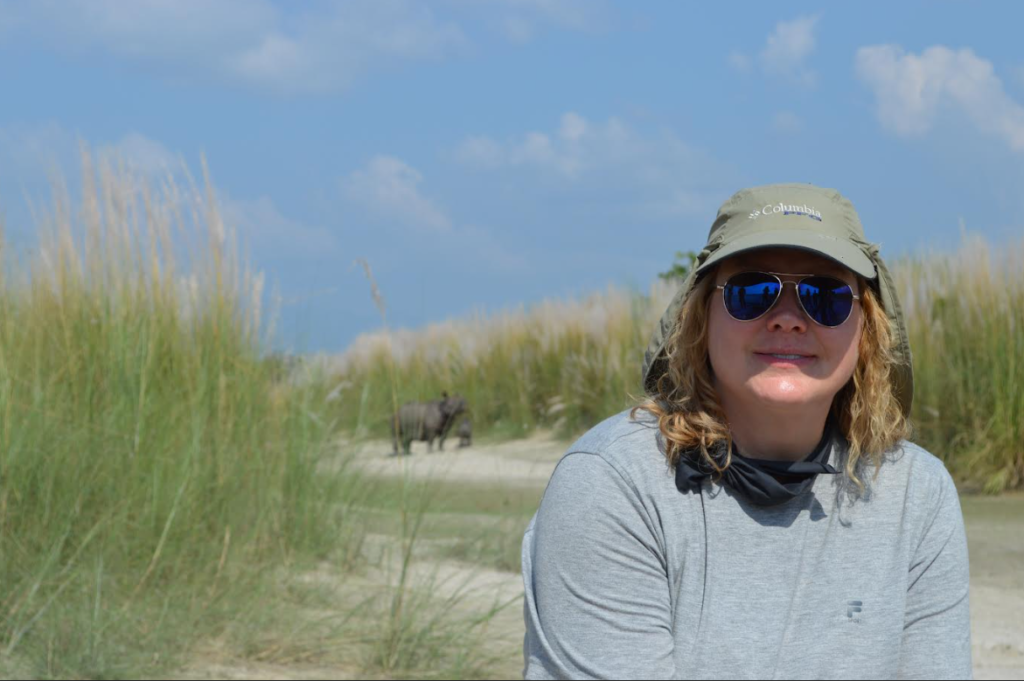
In this episode, host Kevin Matteson talks with Dr. Michelle Szydlowski to explore the complex, often misunderstood world of elephant conservation in Nepal. They discuss “anthrozoology” and why saving animals isn’t just about biology—it’s about understanding the multiple species we share this world with.


3 Key Takeaways
- Conservation is Inseparable from Culture: Michelle introduces us to anthrozoology—the study of the relationship between humans and animals. She argues that we cannot improve the lives of captive elephants without first supporting the livelihoods and traditions of the mahouts (handlers) who care for them.
- The Power of “Lived Experience”: True conservation isn’t just done by PhDs in labs; it’s done by people on the ground. Michelle emphasizes the importance of elevating the voices of local communities and recognizing their expertise as equal to academic data.
- Embracing “Messy” Solutions: There are rarely black-and-white answers in global conservation. Michelle discusses how to navigate the ethical tensions between Western ideals of animal rights and the economic realities of local communities in a way that respects both.
The Hidden Gem
Near the end, Michelle discusses her work in making conservation more inclusive for neurodivergent researchers. She shares her perspective on how “thinking differently” is actually a superpower when it comes to solving the world’s most pressing environmental challenges.
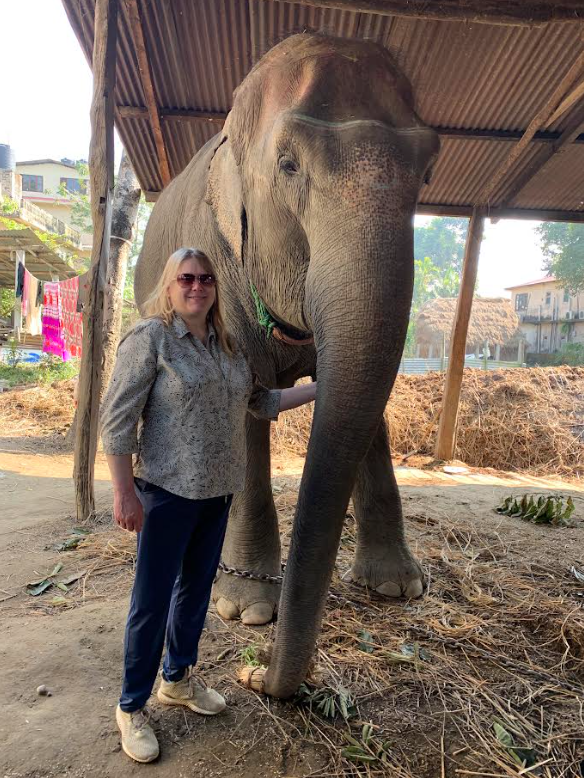
Listen to the episode on Apple Podcasts, Spotify, YouTube, or on your favorite podcast platform.
Check out the full list of podcasts on our Dragonfly Conversations page.