

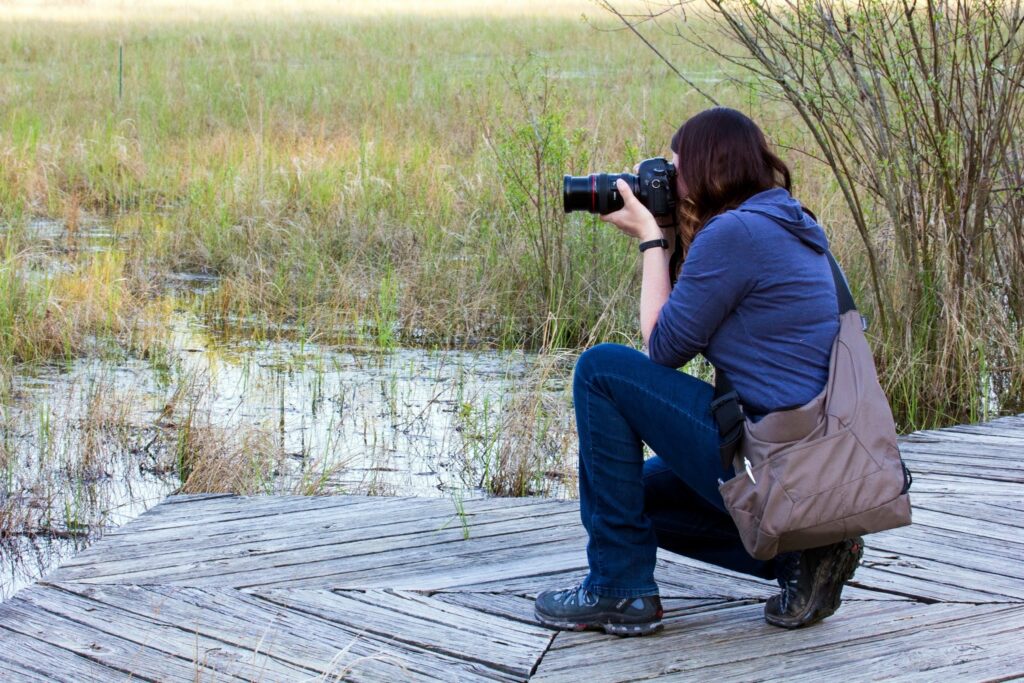
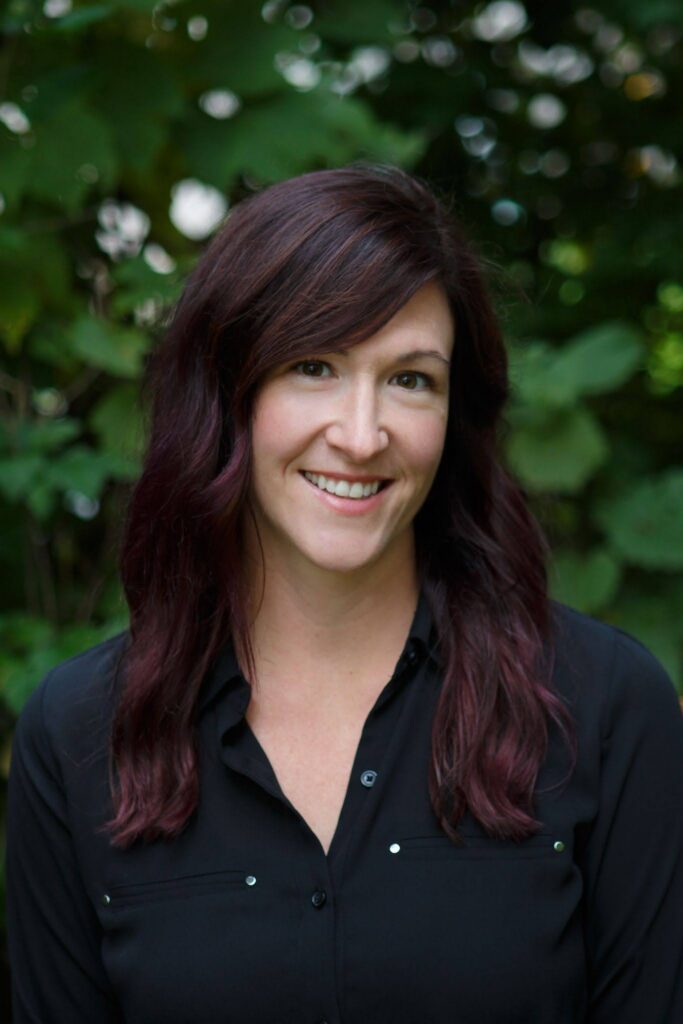
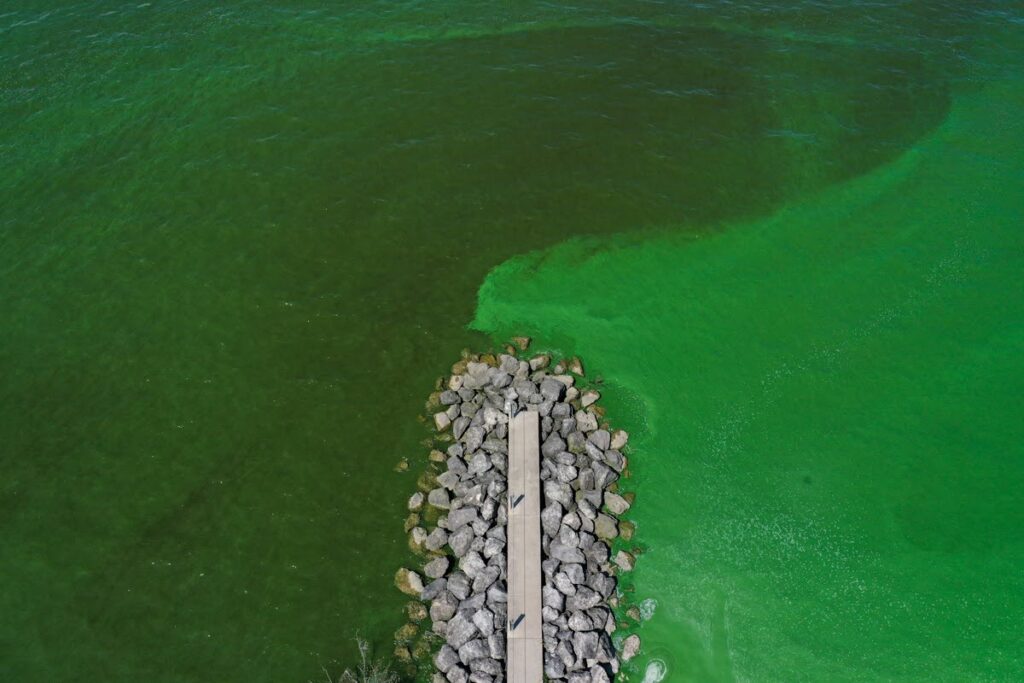
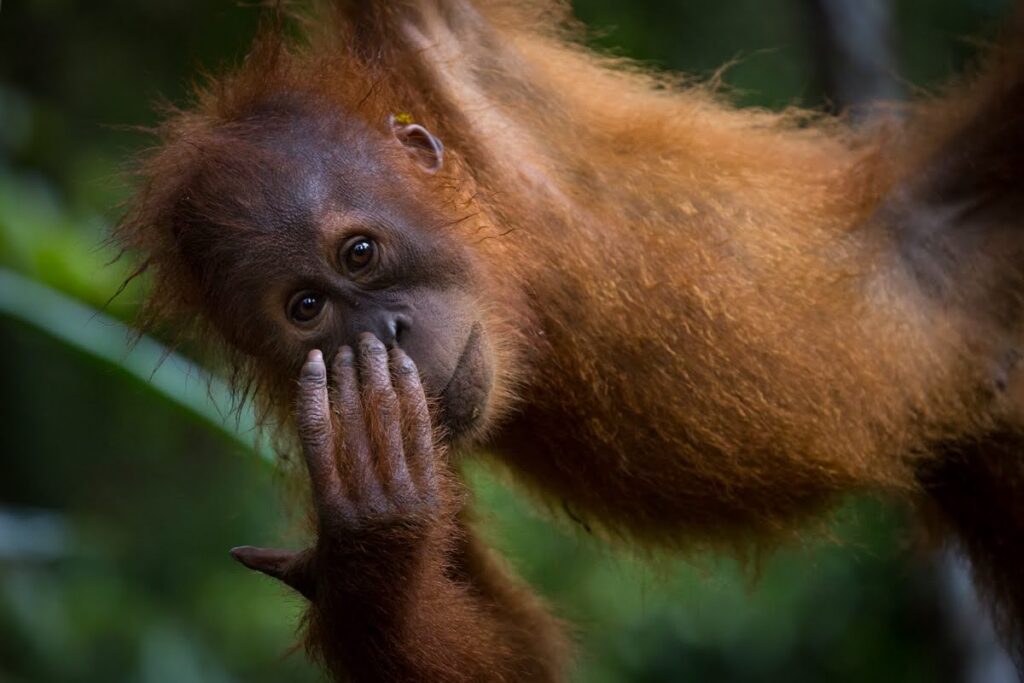
In this episode, host Kevin Matteson talks with conservation photographer, filmmaker, and 2024 Global Field Program graduate Christy Frank. From navigating the complex agricultural tensions surrounding Lake Erie’s algal blooms to locking eyes with a wild orangutan in the canopy of Sumatra, Christy has dedicated her career to bearing witness to the natural world. But her journey didn’t start with a high-end camera or global expeditions—it started with waitressing, an entry-level DSLR, and a deep, intrinsic drive to protect the environment.
Whether you are a budding wildlife photographer or an educator looking to inspire your students, Christy’s insights offer a hopeful, actionable roadmap for using visual storytelling to make a real difference.


3 Key Takeaways
- Look in Your Own Backyard: You don’t need to fly halfway around the world to find impactful conservation stories. Christy’s award-winning work often centers on local issues right in her Ohio community, such as the return of piping plovers to the Lake Erie shoreline after an 83-year absence. The most powerful narratives are often the ones unfolding right outside your front door.
- Embrace Complex Narratives Over “Villains”: When documenting environmental issues—like the nutrient runoff affecting Lake Erie—it is vital to approach the story without an agenda. Rather than painting farmers or government officials as bad guys, true ethical photography requires profound curiosity. By listening to all sides and capturing the nuance of human-nature interactions, you create a more honest and compelling story.
- Cultivate “Stubborn Joy” and Expect to Fail: Transitioning into conservation media is a journey paved with rejections. Christy stresses the importance of not being afraid to fail. You will face unanswered pitches and harsh critiques, but if you hold onto a sense of “stubborn joy,” you can push through the setbacks and focus on the small, daily actions that drive positive change.
Hidden Gem
Don’t miss the segment where Christy talks about overcoming her natural introversion to launch a transformative photography club for urban seventh and eighth graders. By having the students alternate weekly between the roles of “scientist” and “photographer,” they designed their own bird habitat studies and learned to weave hard data into compelling visual stories.
Listen to the episode on Apple Podcasts, Spotify, YouTube, or on your favorite podcast platform.
Check out the full list of podcasts on our Dragonfly Conversations page.