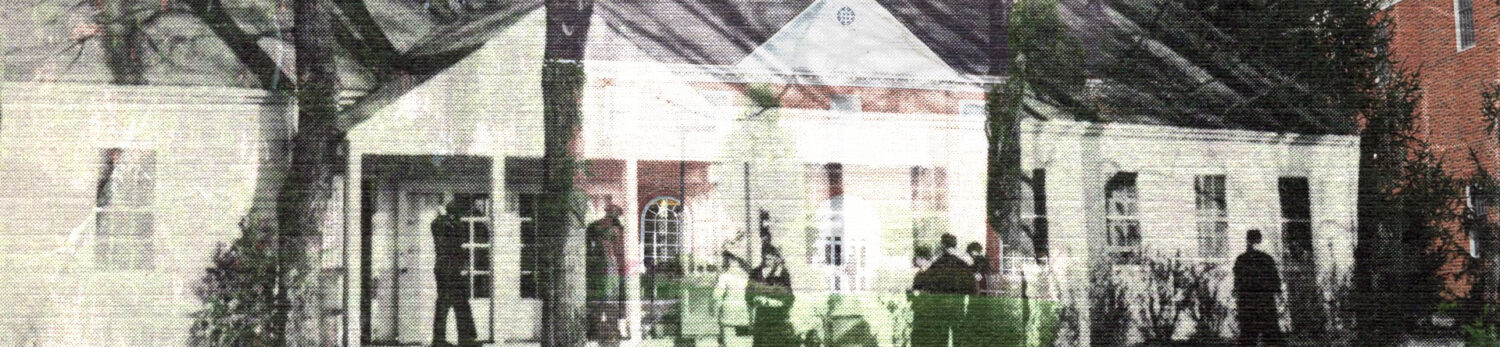
Convening Stories at the Crossroads follows a labyrinthine trail through local and personal histories. Originally projected onto the campus of Miami University, the work expands globally through its later exhibitions and themes. We seek to challenge the presumed “town/gown” separation between our institutions of higher education and the regions in which they are situated. Unraveling the story of Butler County, Ohio is, to artist Diane Fellows, less of a march through various stories of military and political conquest and more of a series of voices that emerge from unlikely spaces and collide at different moments of time and space. The nineteenth-century philosopher and engineer Charles Babbage (considered by many to the “father of the computer”) once theorized that every utterance humans make leaves an atomic trace on particles in the air, making our very atmosphere a vast archive of history that, with the right calculations and machinery, could be played back and analyzed. Through video and sound that spreads out through public space in the night, Convening Stories attempts to simulate such an experience of atmosphere and history.
It seems tiresome and somewhat obvious to state that we live at an inflection point–a moment where history feels as if it is being shaped, where tensions are heightened, where belonging takes on new parameters and encounters new hurdles. As we stand at this crossroads, we might do well to ground ourselves and stop to breathe in the stories of families and houses, of students and workers, of hope and loss that swirl in the air around us.
An incomplete glossary of these threads, all of which appear in image and sound projected into public space, are below. Follow your own path through them and breathe your story into the atmosphere.
–Annie Dell’Aria, Curator

Myaamia stories. Convening Stories opens and closes with words spoken in the Myaamia language. What we here is a winter story and the coming out story. This language was spoken in Butler County (as well as other parts of Ohio, Michigan, and Indiana) long before the arrival of European settlers, and its continued endurance lives on today. These stories are still in the air, and we honor them here.
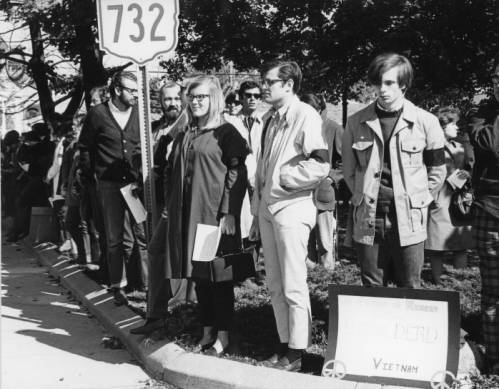
The Vietnam War and College Campuses. The increased activism of students around a host of issues accelerated in the years of the Vietnam War. Protests against U.S. involvement in the war were many, and male students also faced the possibility of the draft should they lose their deferment by ceasing to be a student in good standing. One of the most significant moments of student activism during the war at Miami was the occupation of Rowan Hall (present-day Armstrong) by students both opposed to the war and looking to fight racial inequality. Rowan Hall was the seat of Miami’s ROTC program, and on April 15, 1970, 200-300 students locked themselves inside before police deployed riot control measures and tear gas to disperse the crowd and arrest students en masse. Less than a month later, National Guardsmen killed four student protesters at Kent State.

Women about Women. Women about Women was a radio program on WMUB produced and hosted by Kathy McMahon-Klosterman in 1981. The program covered topics such as women’s health, family dynamics, violence, and women and politics. Using materials from her consciousness-raising activities as well as hours of weekly reading and preparation, McMahon-Klosterman hosted a panel of women guests and took calls from members of the community.
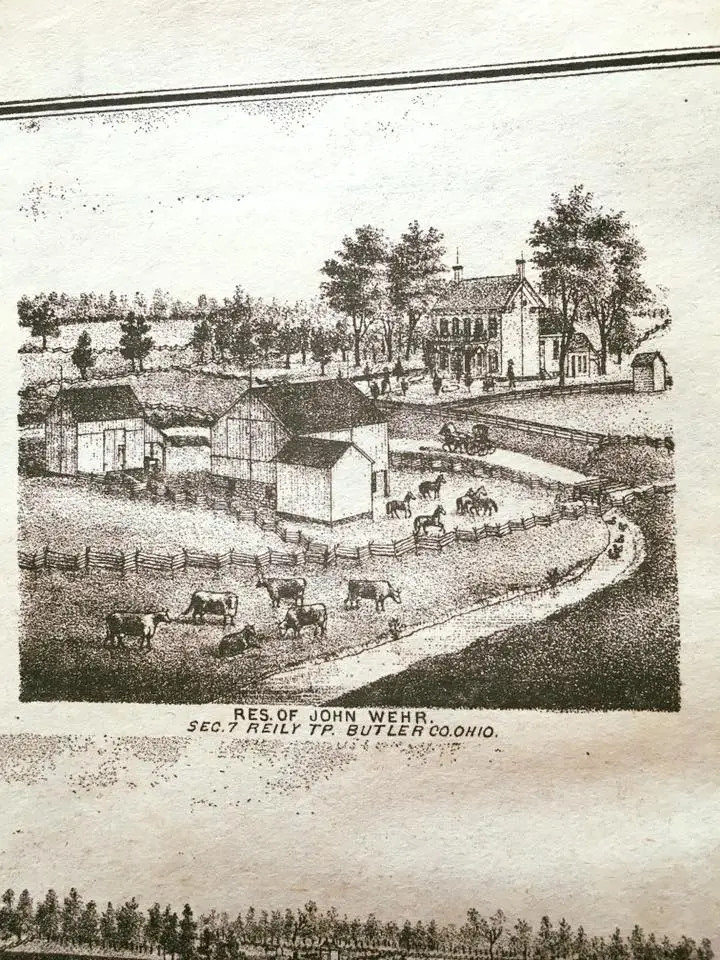
Wehr Homestead. In nearby Reily, a brick house nestled among farmland stands witness to two centuries of Ohio history. Built in 1837 on land deeded to John Wehr in 1819 by President Monroe, this building also served as a tavern for hog drivers heading to Cincinnati–a connection between the countryside and a burgeoning Porkopolis. The Homestead’s current steward, Danielle Foulk, who lives there with her family, has undertaken an ambitious research project to understand who might have come through this house. Mapping known activity points of the Underground Railroad in the area, she asks: what stories linger on her home’s worn staircase?
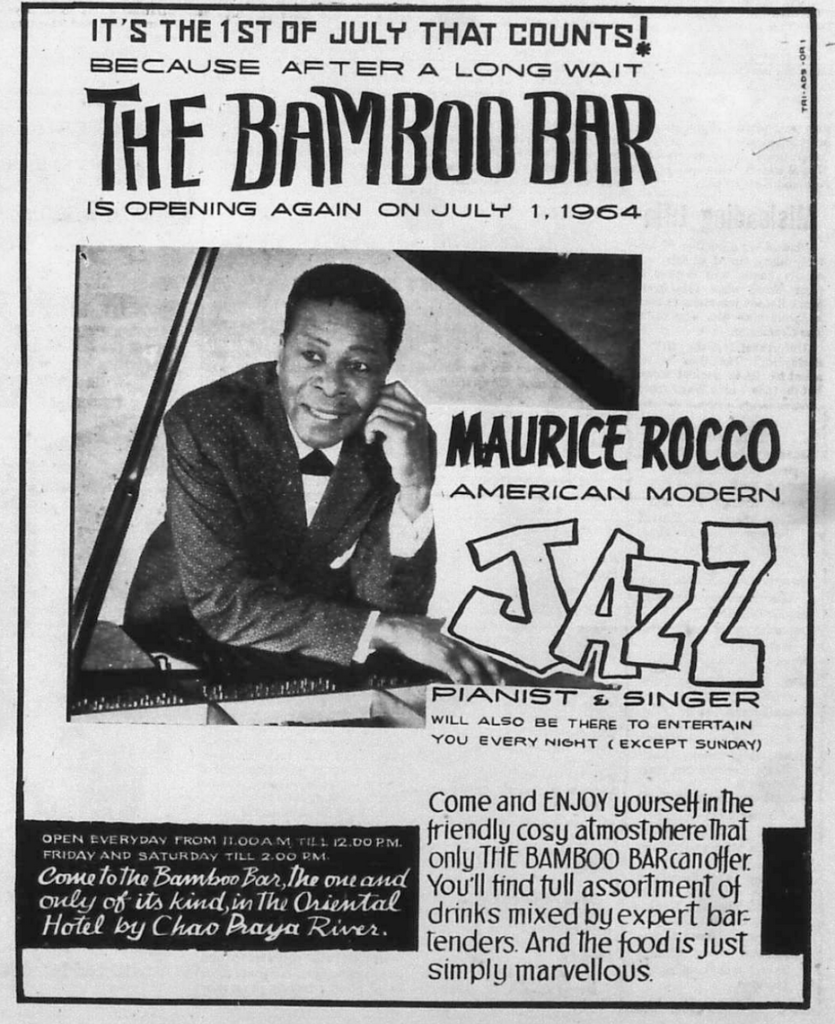
Maurice Rocco. Born in Oxford in 1915, Maurice Rocco made a name for himself with his iconic piano playing, which saw the musician standing and dancing at the keyboard. He saw success on the radio airwaves and the Hollywood screen in the 1940s before boogie woogie fell out of favor in the 1950s. Finding a new audience abroad, he moved to Bangkok, Thailand in the 1960s where he had both a long-term nightclub residency and (perhaps) a brief reprieve from the racism and homophobia of the postwar U.S. before his untimely and tragic death at age 60.
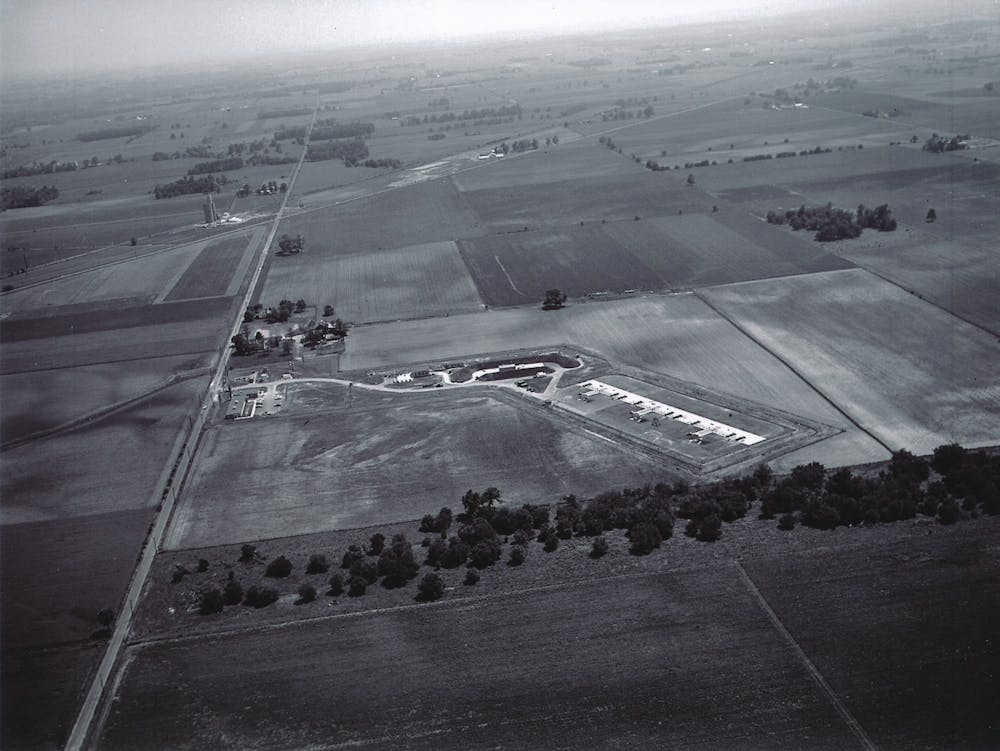
Nike Missile Base. In the immediate aftermath of World War II, the U.S. military put in motion a program to develop an anti-aircraft missile system. The Nike Hercules Missiles, produced by Bell Laboratories, were housed in bases placed strategically around the country. From 1960 to 1969 (what many consider the height of the Cold War), four of these long-range missiles were stationed in a base here in Oxford.
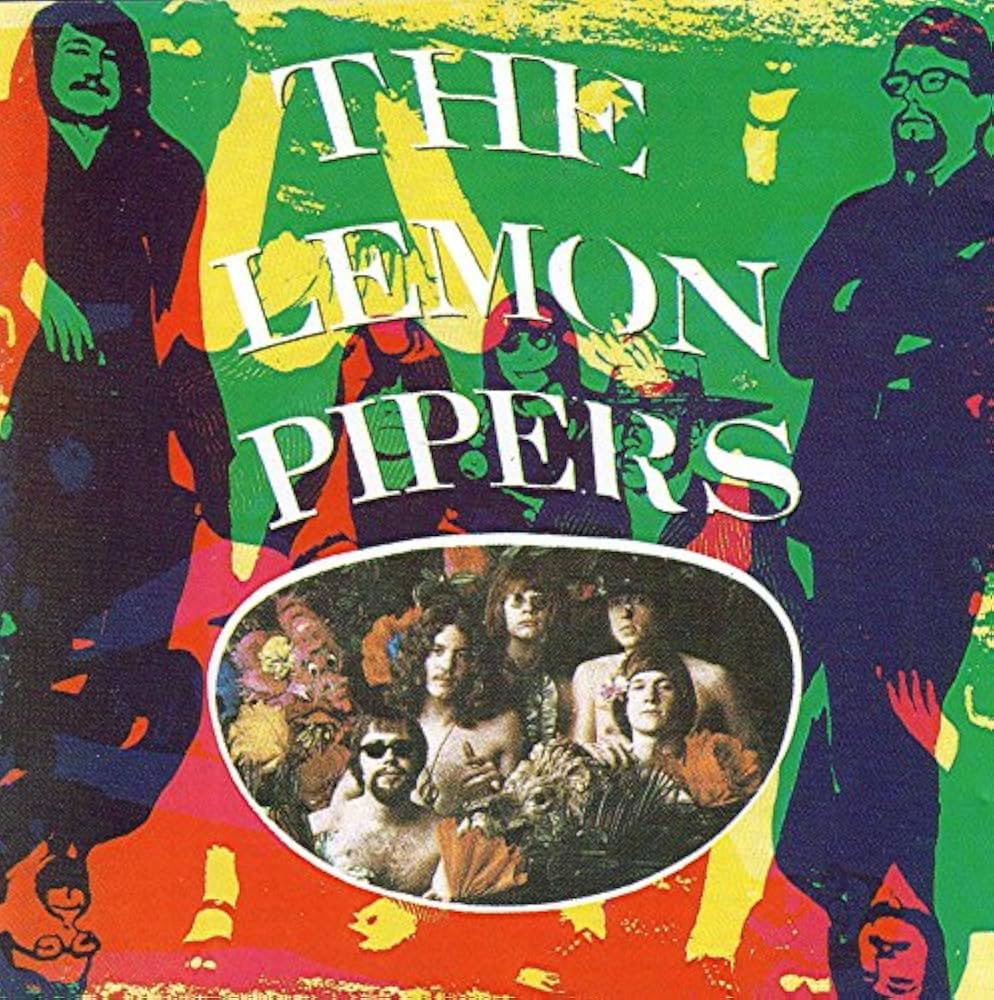
The Lemon Pipers. Founded in 1966 by a group of Miami students, The Lemon Pipers were a rock back who got their start playing in bars and clubs in Oxford and Cincinnati. They found commercial success in 1968 with “Green Tambourine,” a pop song written by record executives who wished to cash in on the psychedelic era…but a sound the band members themselves resented.
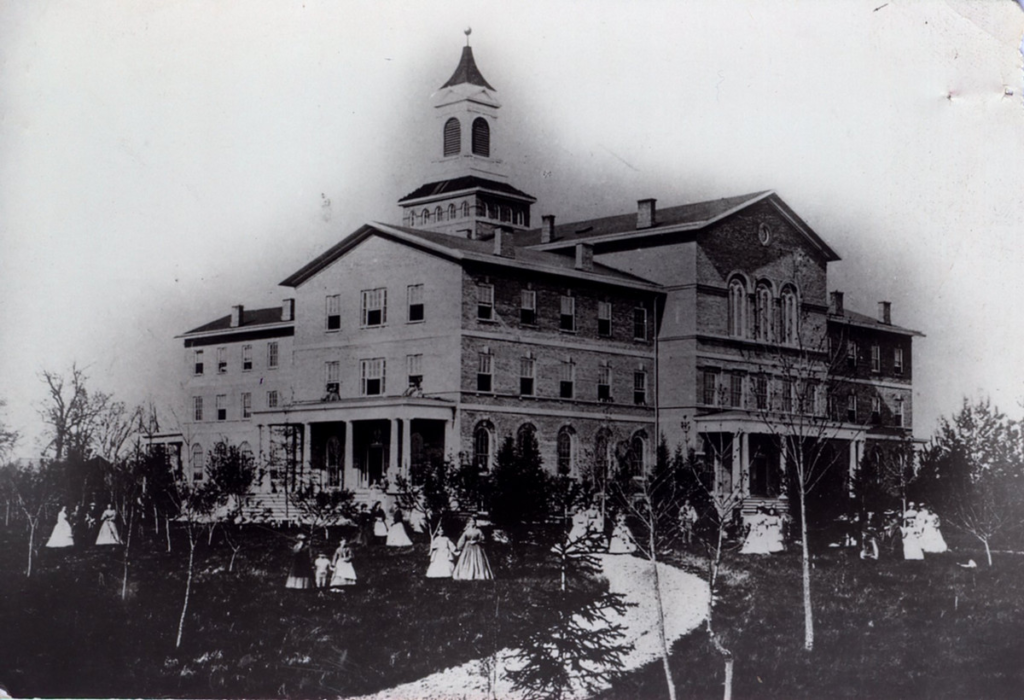
Fisher Hall. What is now the Marcum Conference Center was once the site of one of Oxford’s many women’s colleges. When the Oxford Female College closed, it was used as a Sanitarium until Miami purchased it in 1925. During World War II, it was used for training Naval radio operators. After the war, the building was again used as a dorm and was the site of the mysterious and unsolved disappearance of Ronald Tammen in 1958. When the building was razed in the late 1970s, the site was used for a temporary public artwork by visiting artist Nancy Holt.