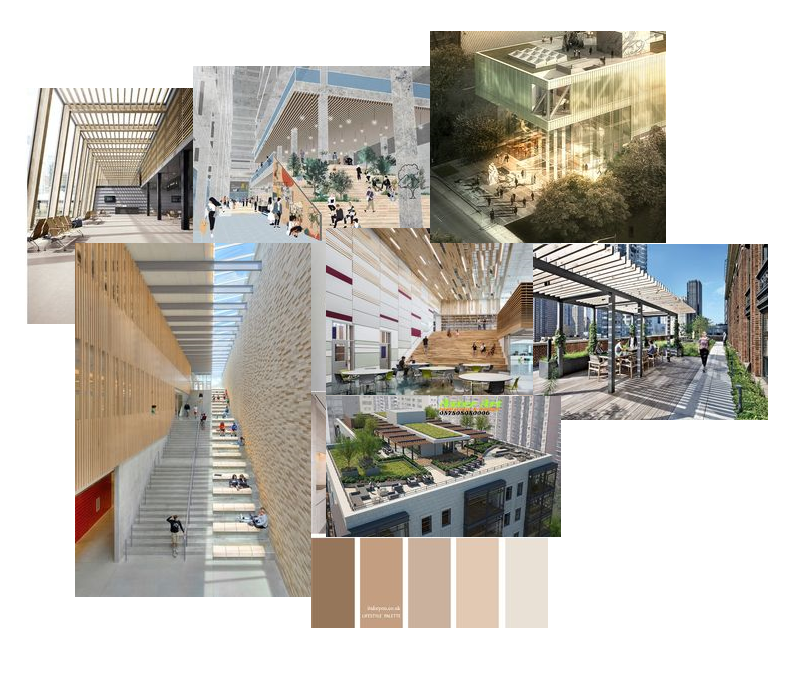
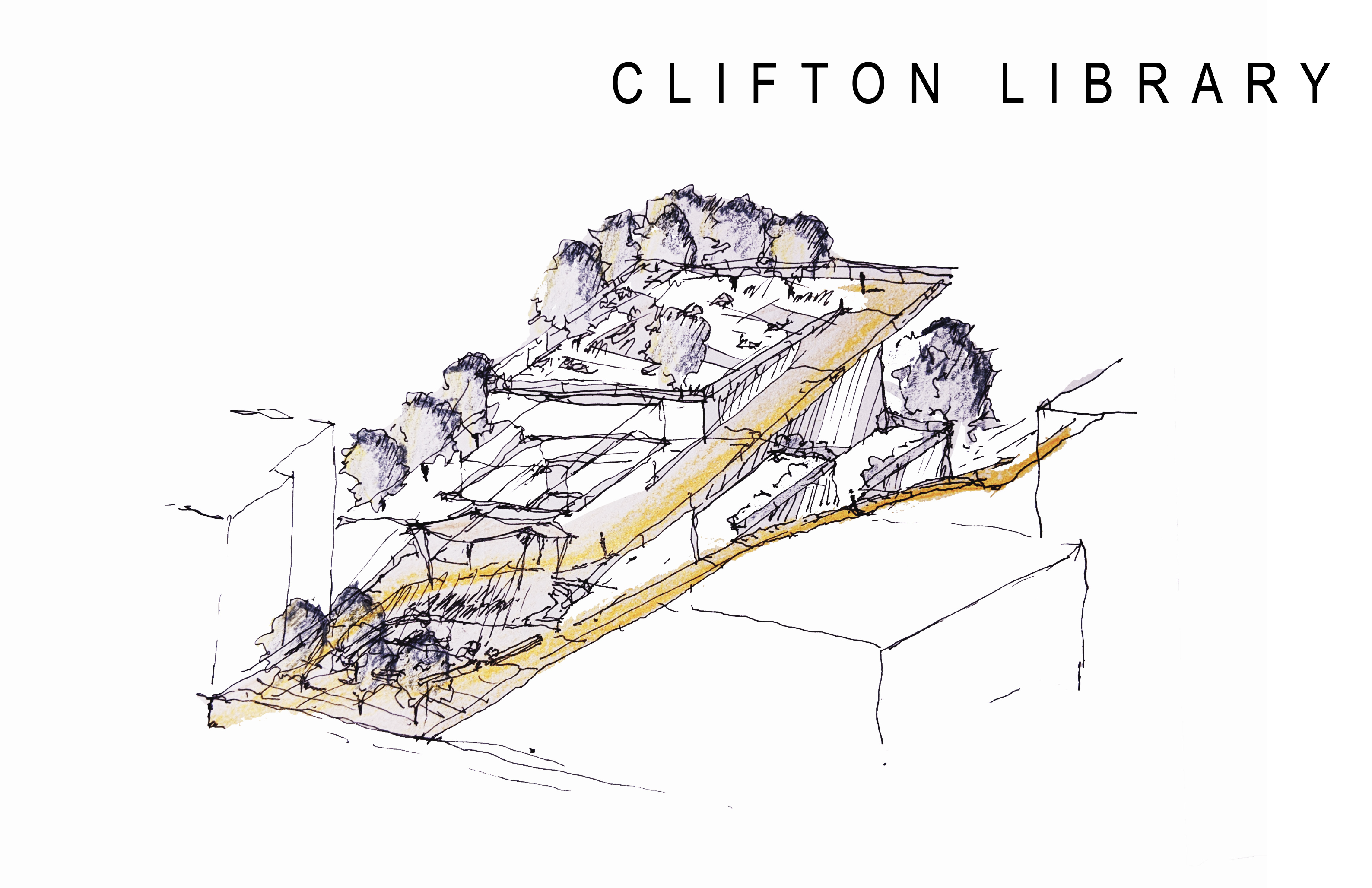
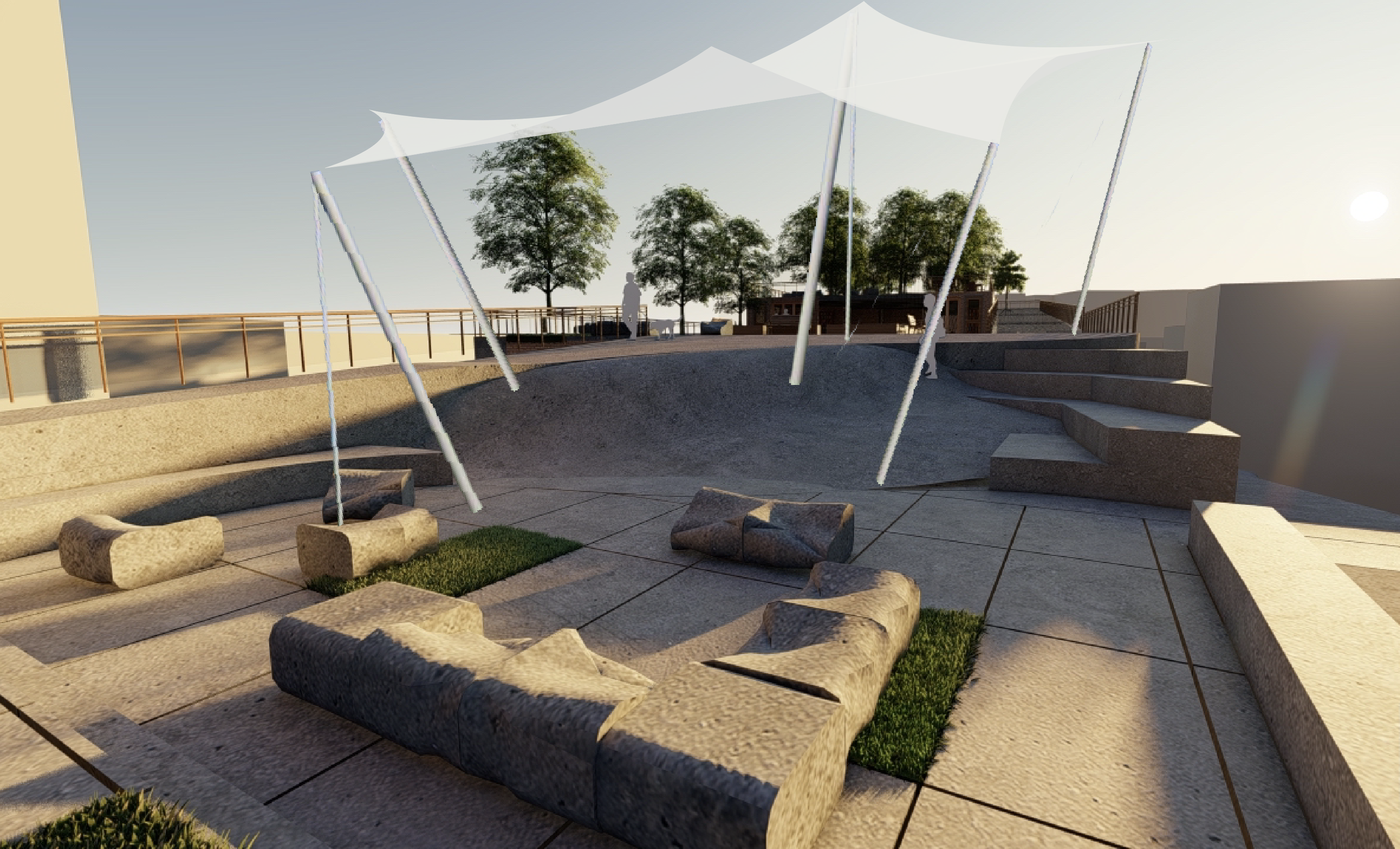
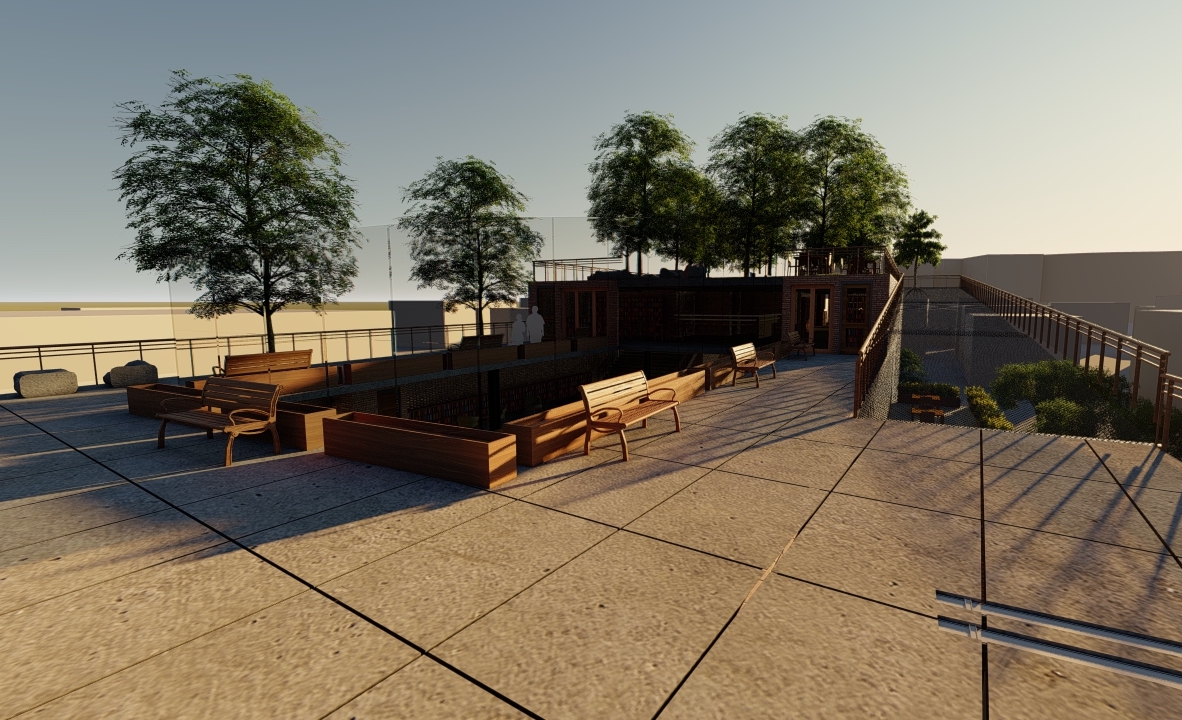
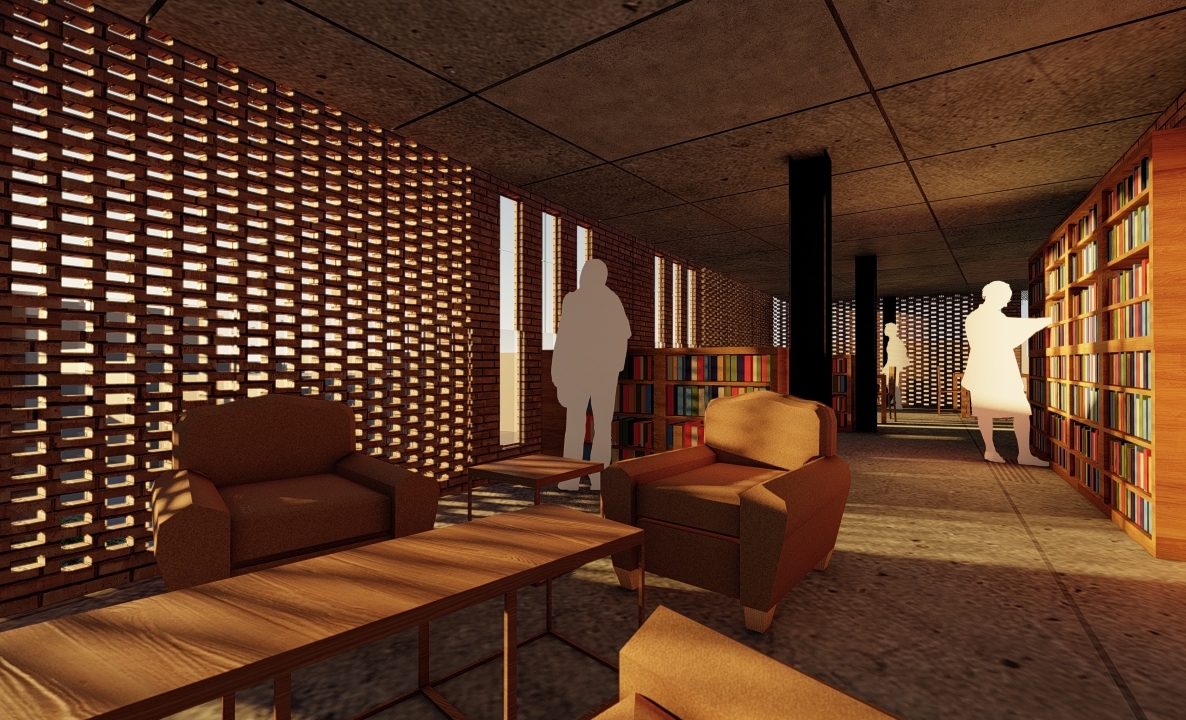
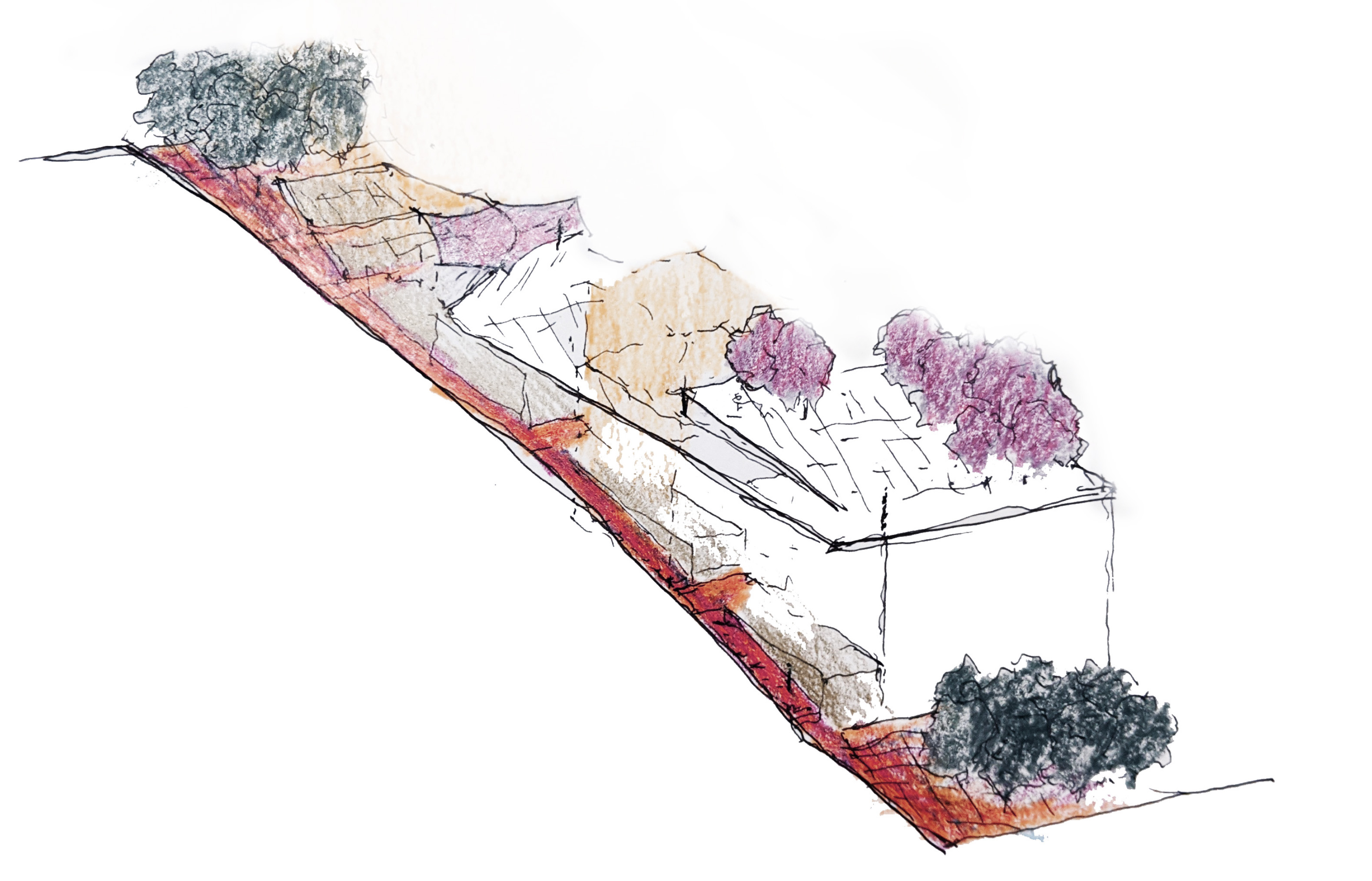
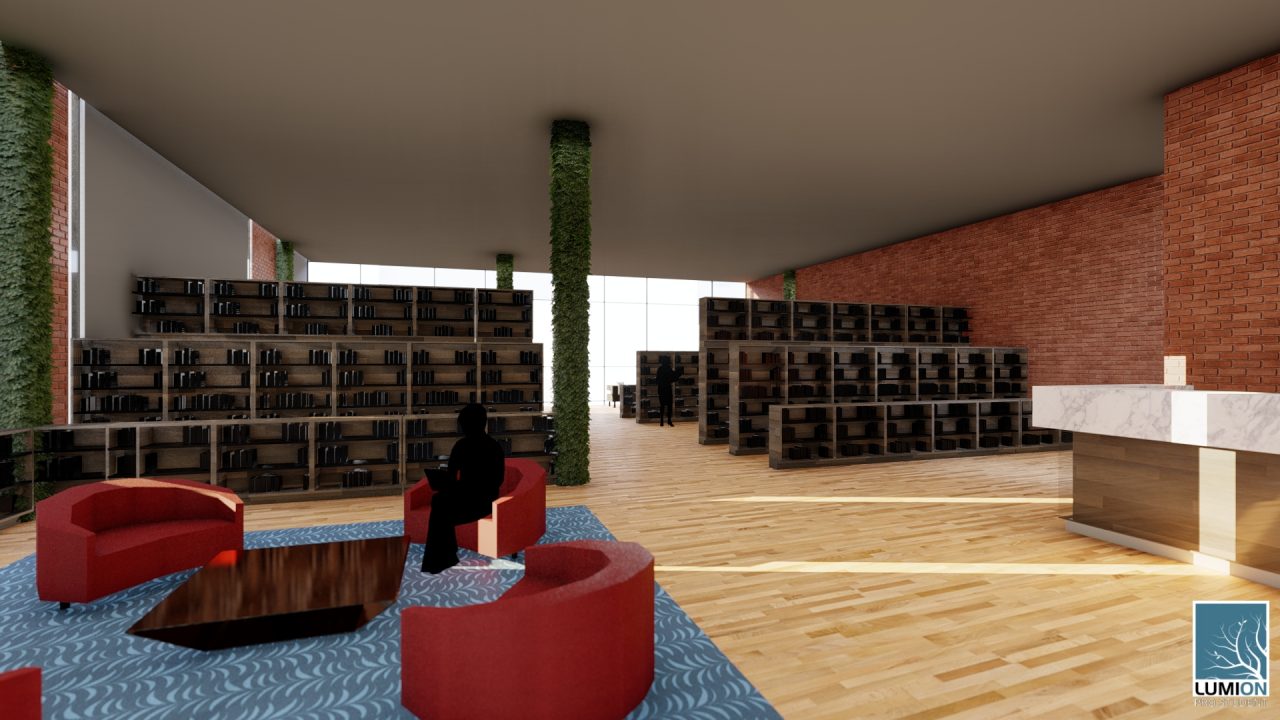
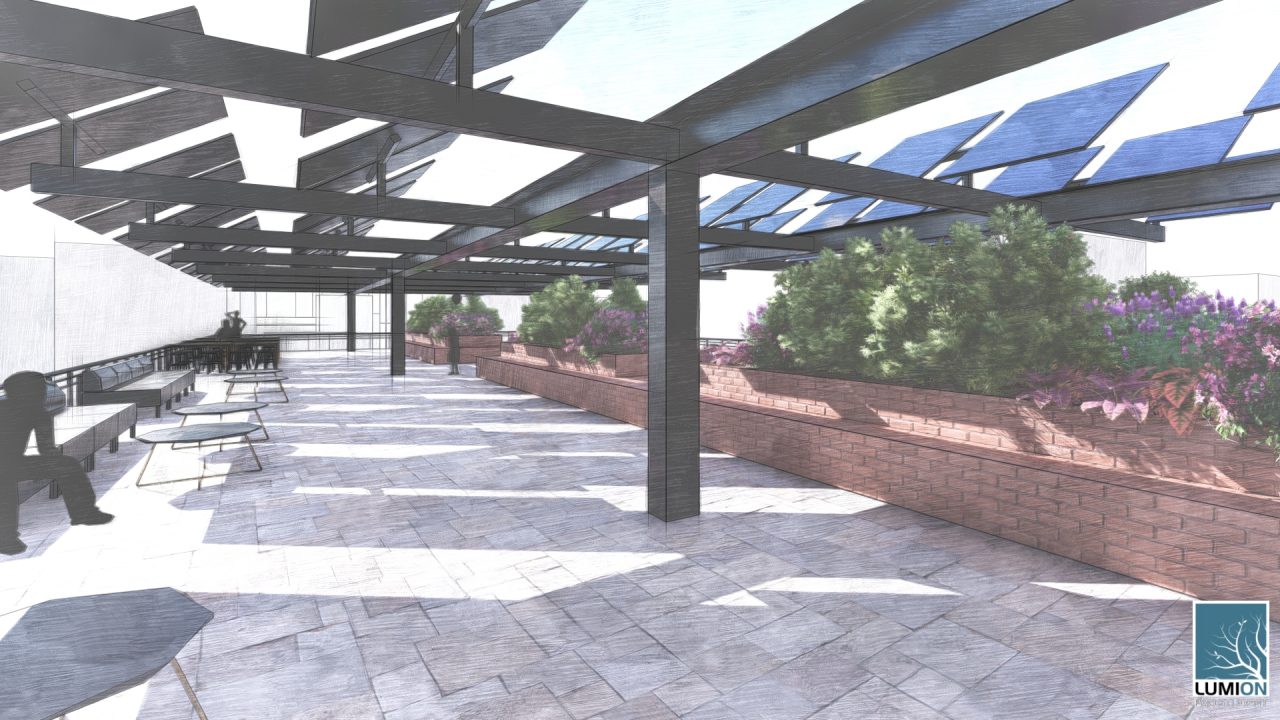
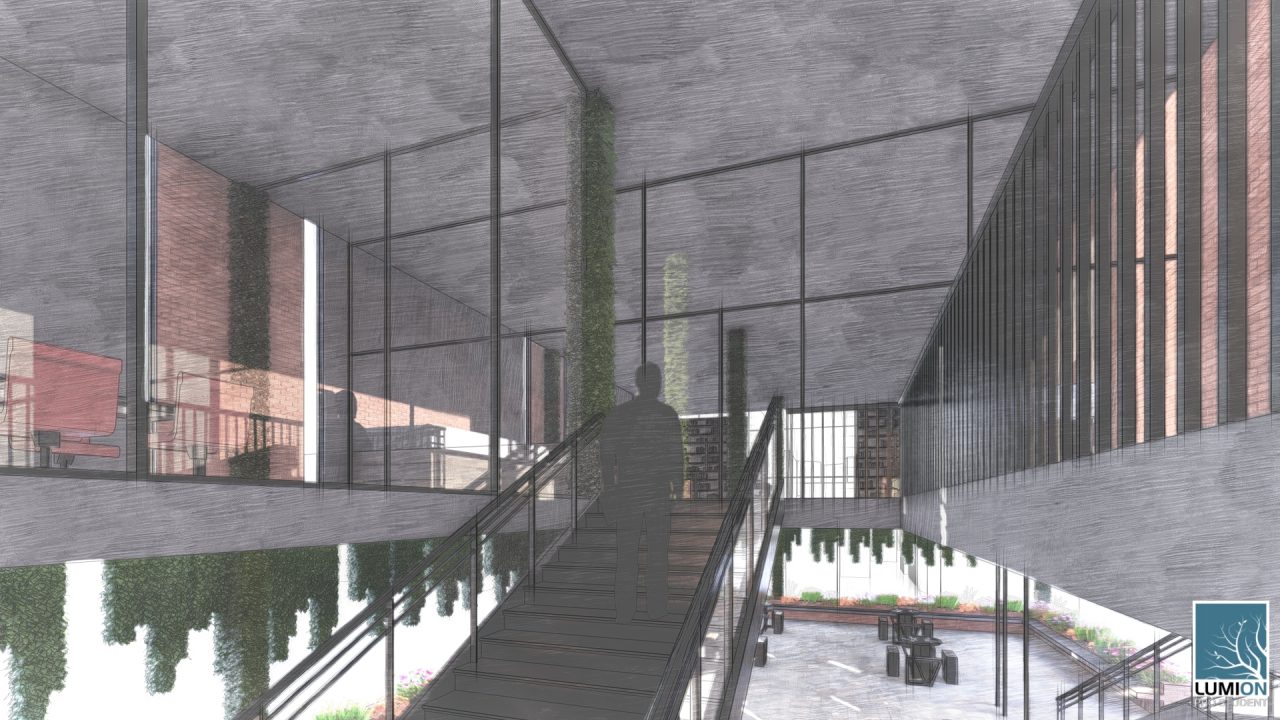
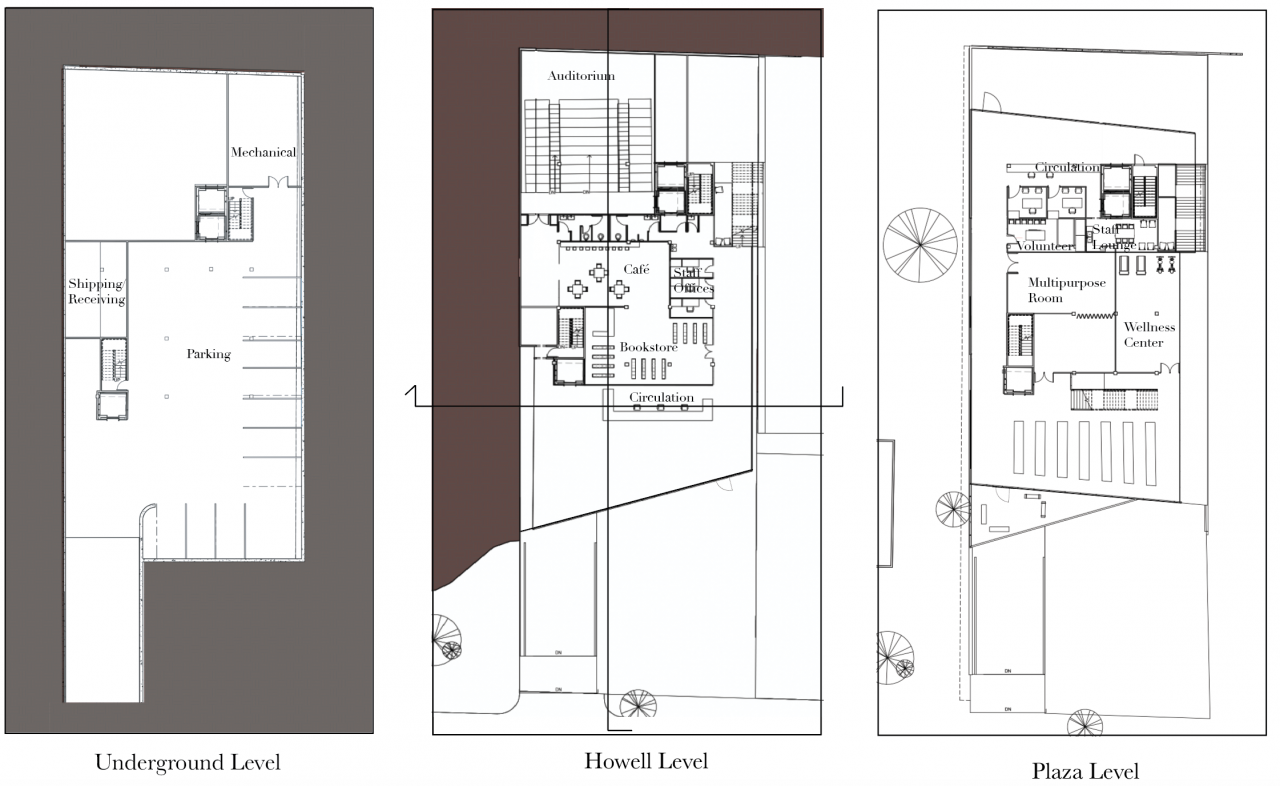
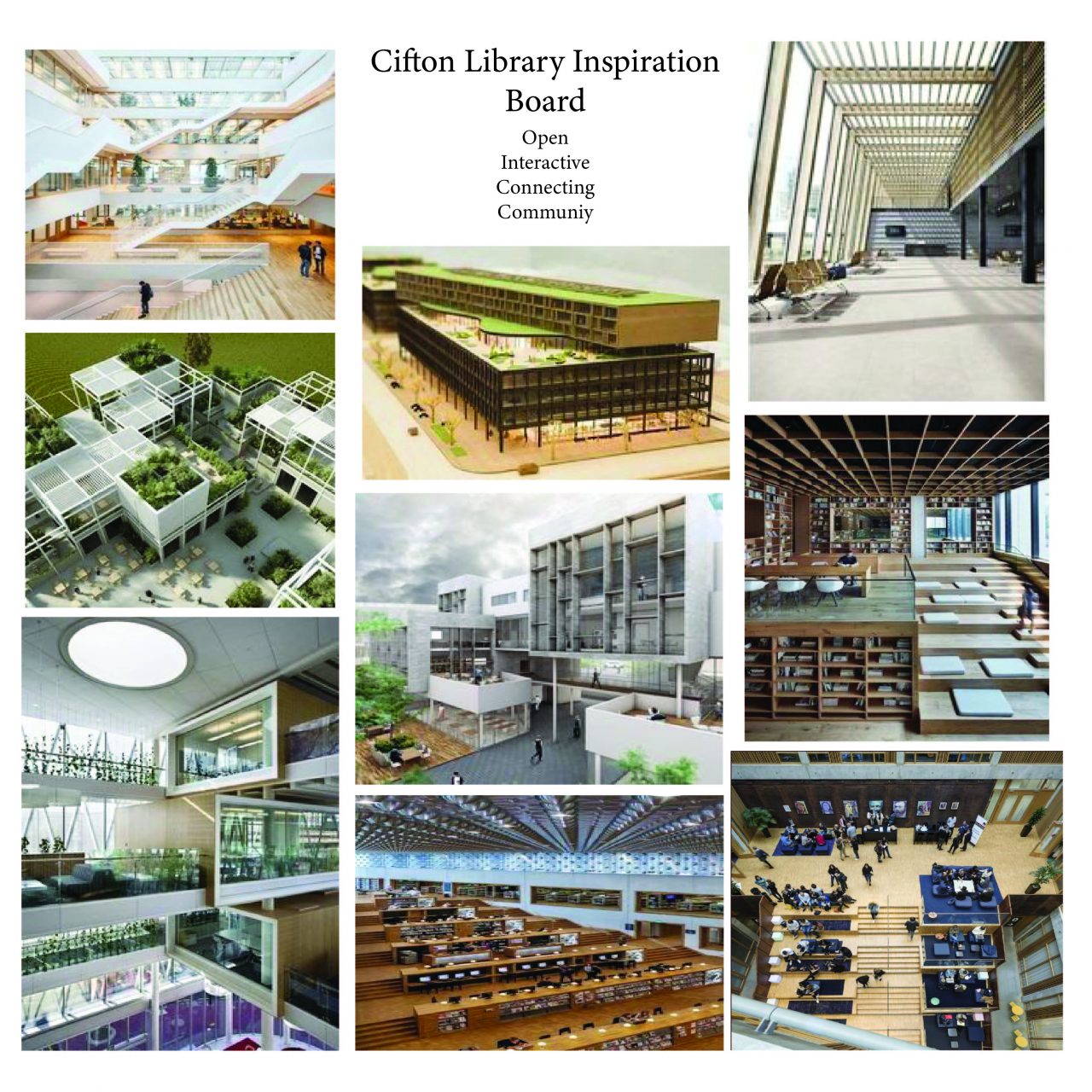
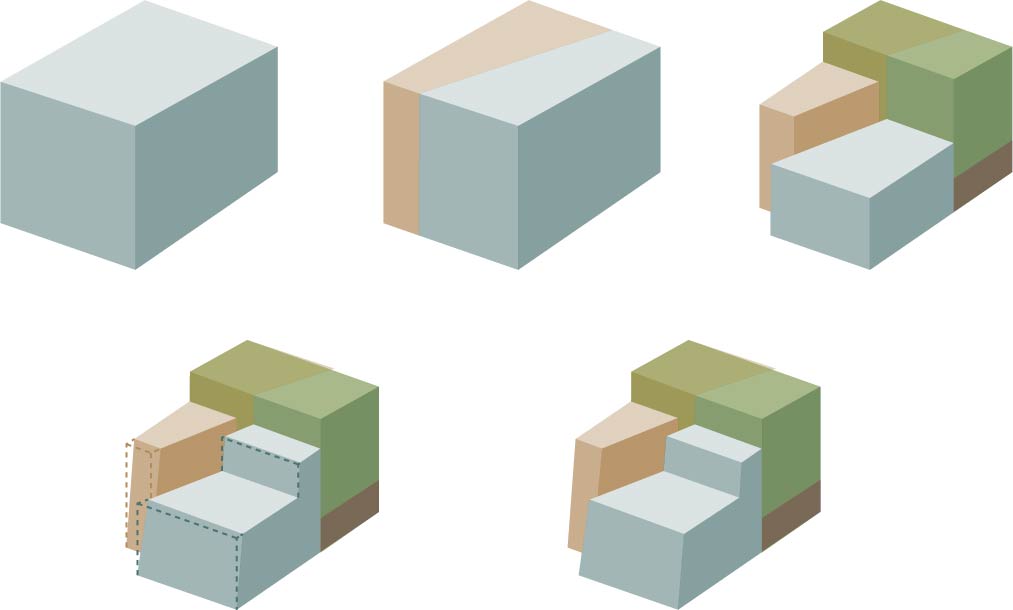
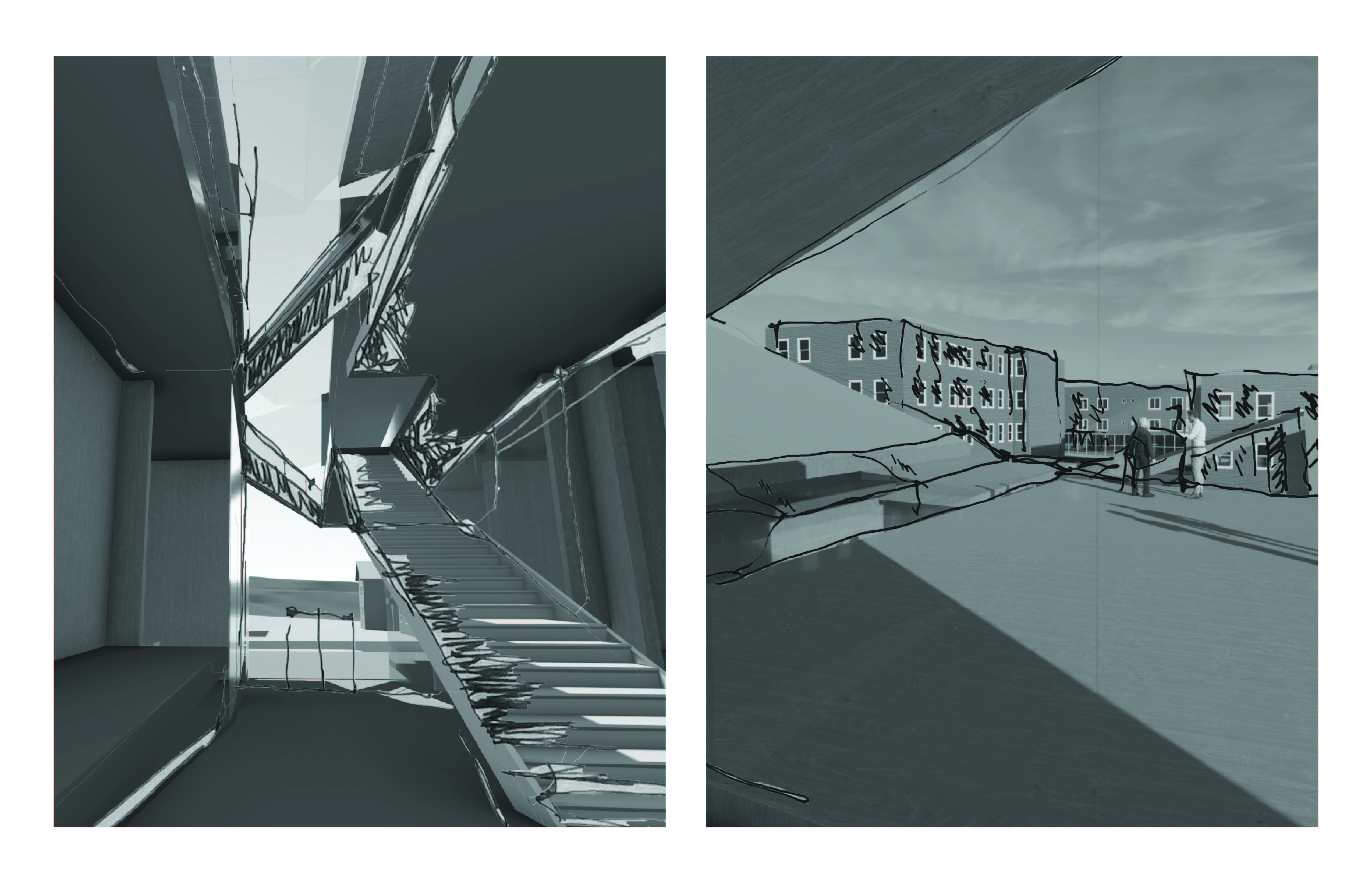
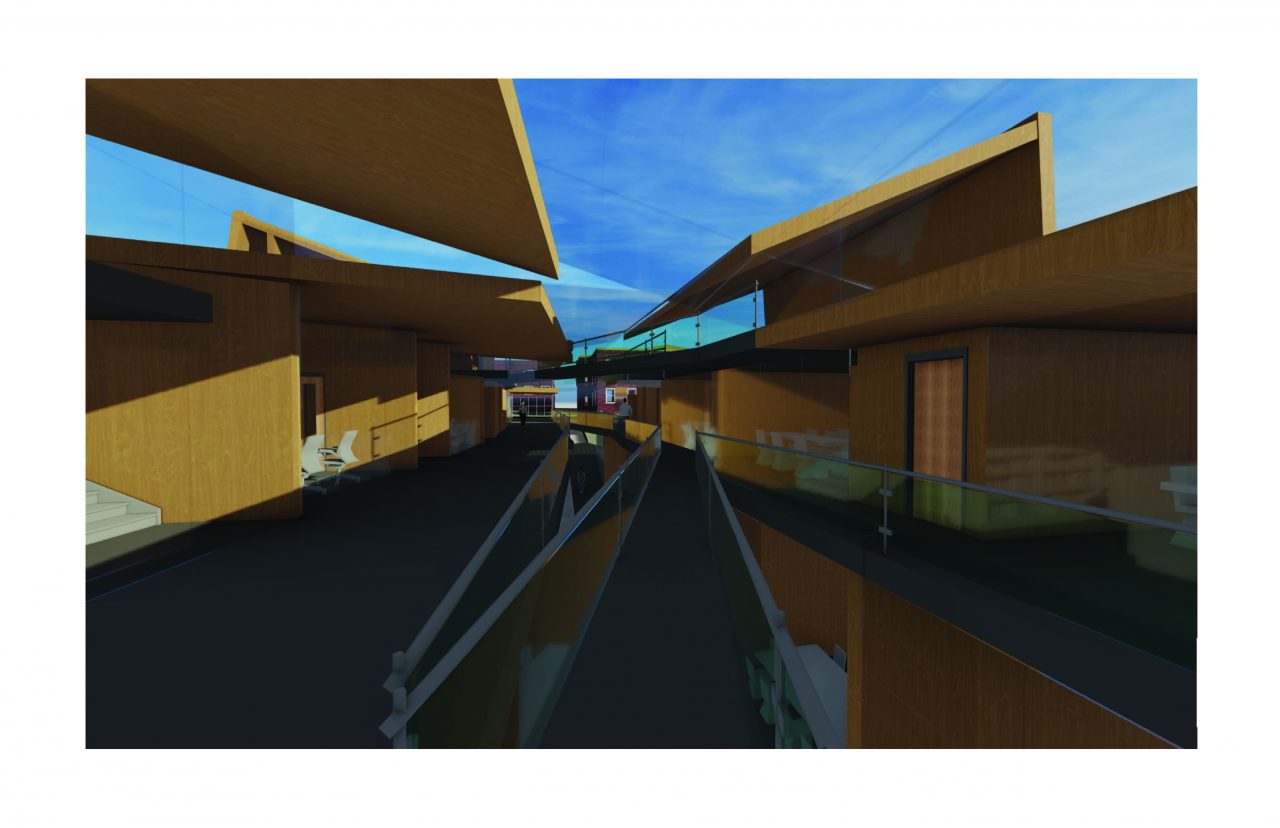
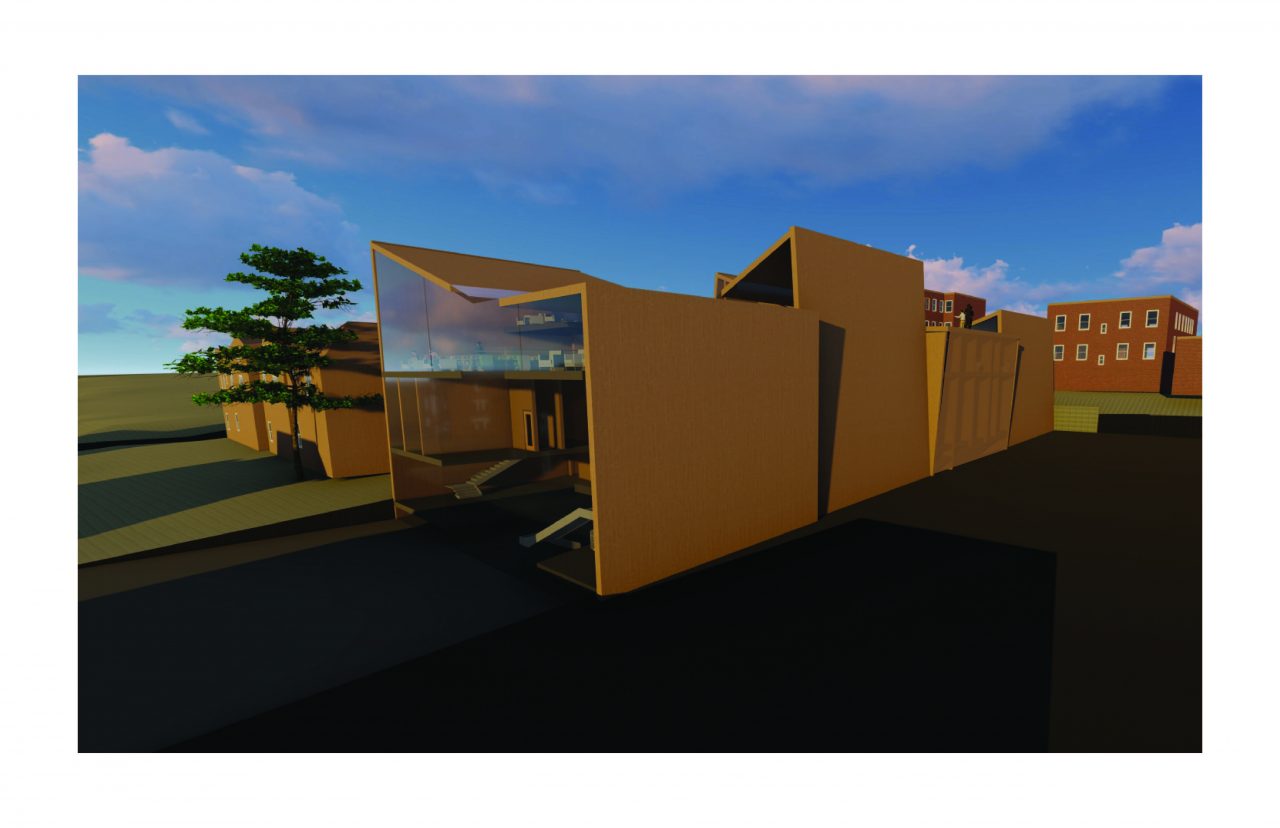
My concept is connection. There is a need for community and the need for interconnectedness with the natural and built environment. Architecture should create a link between people and the natural environment, an innate connection that has lost its potency in society. This library and any new constructions should minimize their impact on the ecosystem, for example by displacing rather than destroying nature through the use of green roofs and living walls, thus contributing to the environment rather than draining and dominating the environment. This is achieved through meeting the needs of people, among which is social interaction. These goals must be achieved through consideration of design at all scales, from a single detail to a city, for example the design should provide social opportunities through the integration of program, circulation space, and interior and exterior common areas. Interconnections between the community created by the building and landscape are of vital importance; however, connections to the community beyond the building are also important.
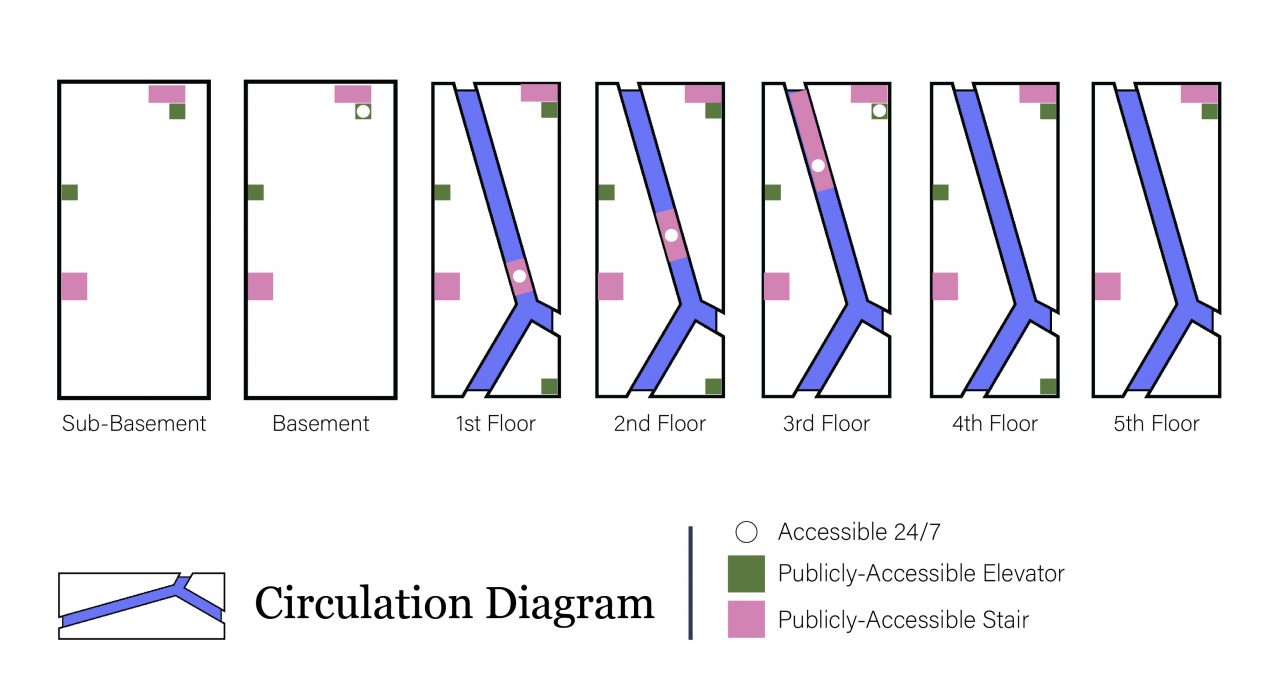
Thoroughfare diagramSite planCirculation diagramSectionsSunlight & Natural Ventilation diagramElevations: South & EastElevations: North & WestExterior perspective from Howell AvenueVignette of green roofInterior perspective of light wellExterior perspective from LudlowVignette of patioVignette of bookstore/ refreshment barInterior perspective from south side of libraryParti/Concept diagram
Disclaimer: The color on the images is dramatically different than the original images. The original images will be shown in the critique. I apologize for the inconvience.
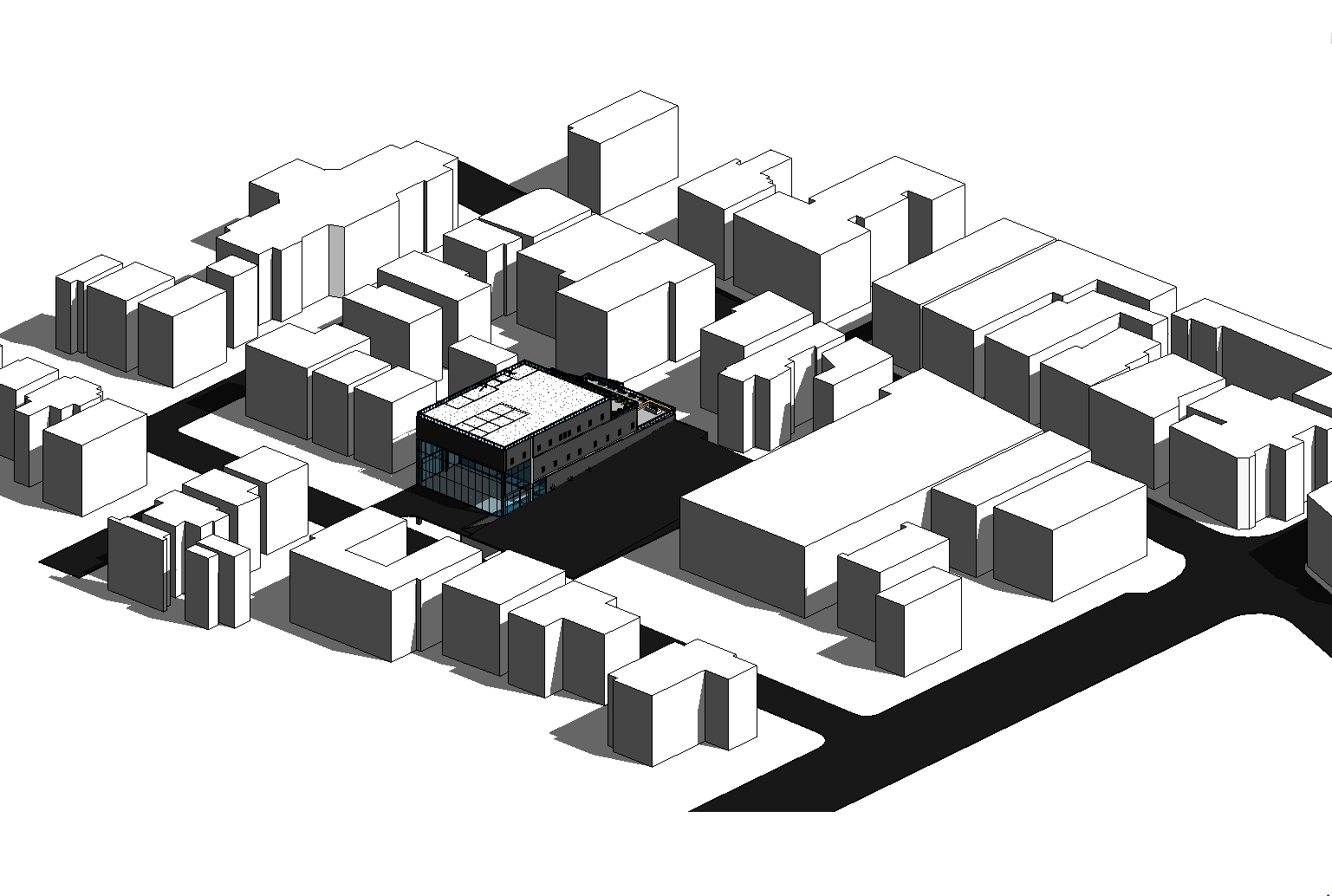
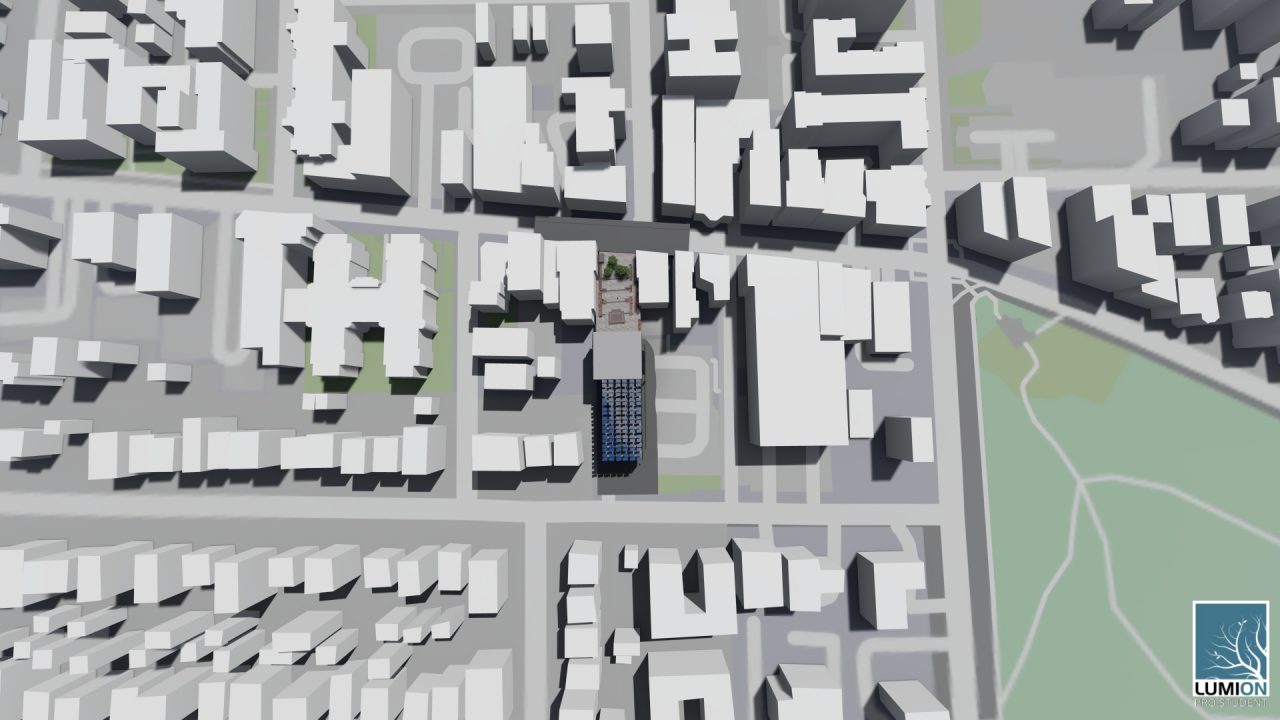
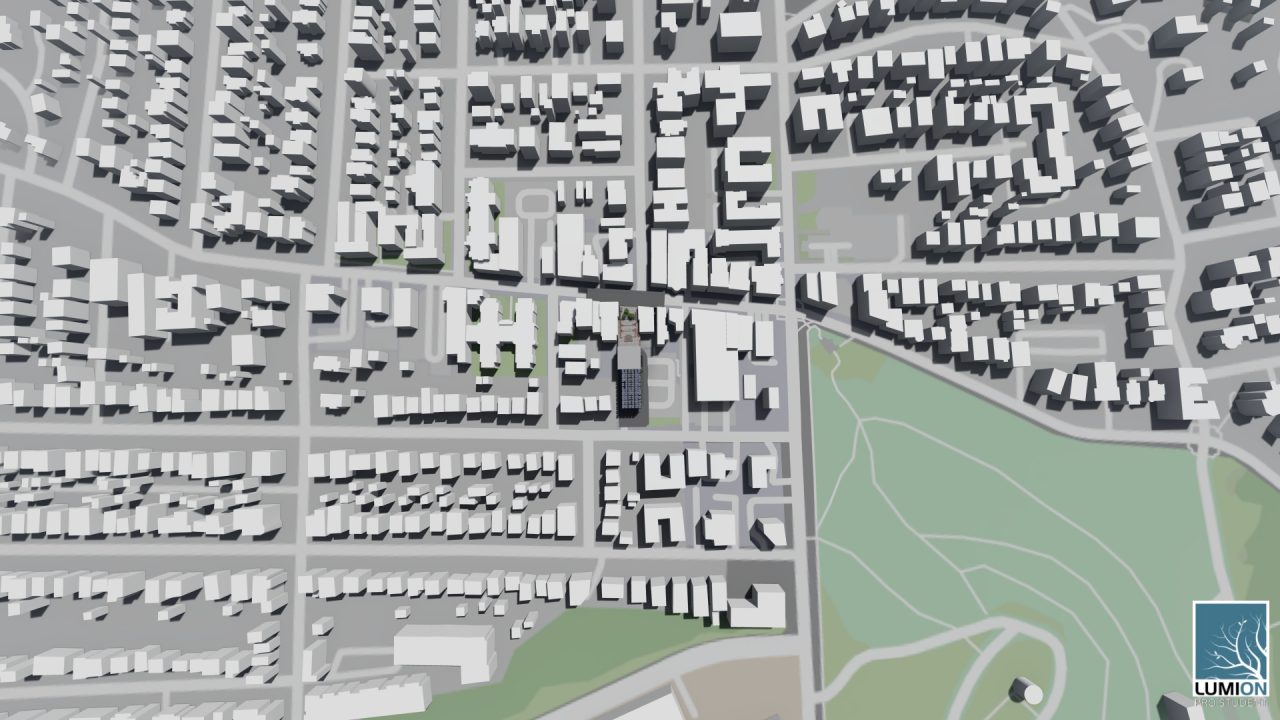
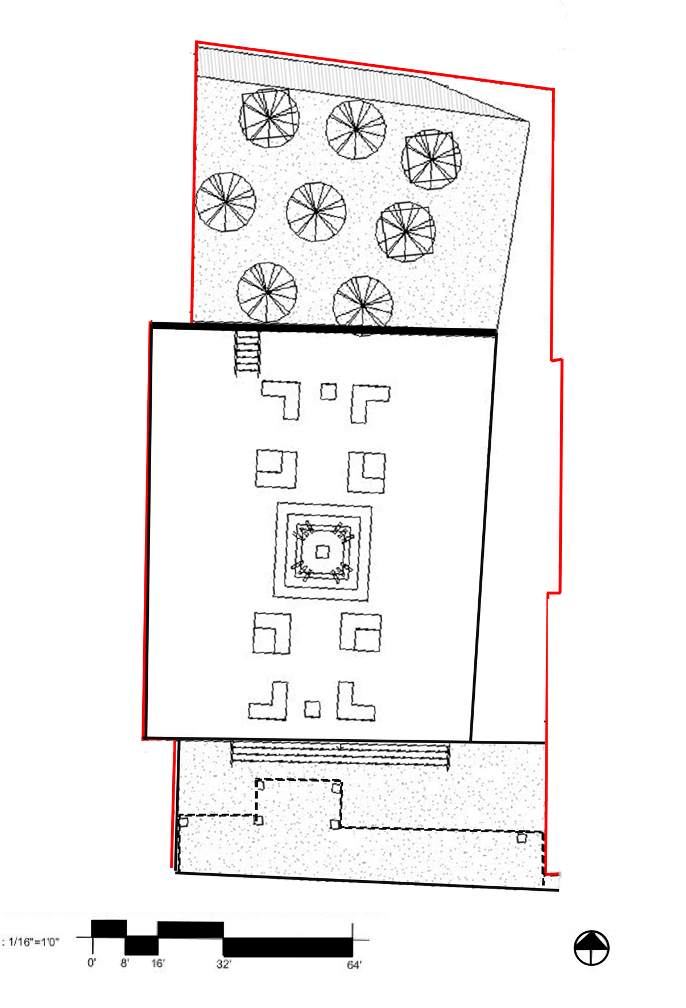
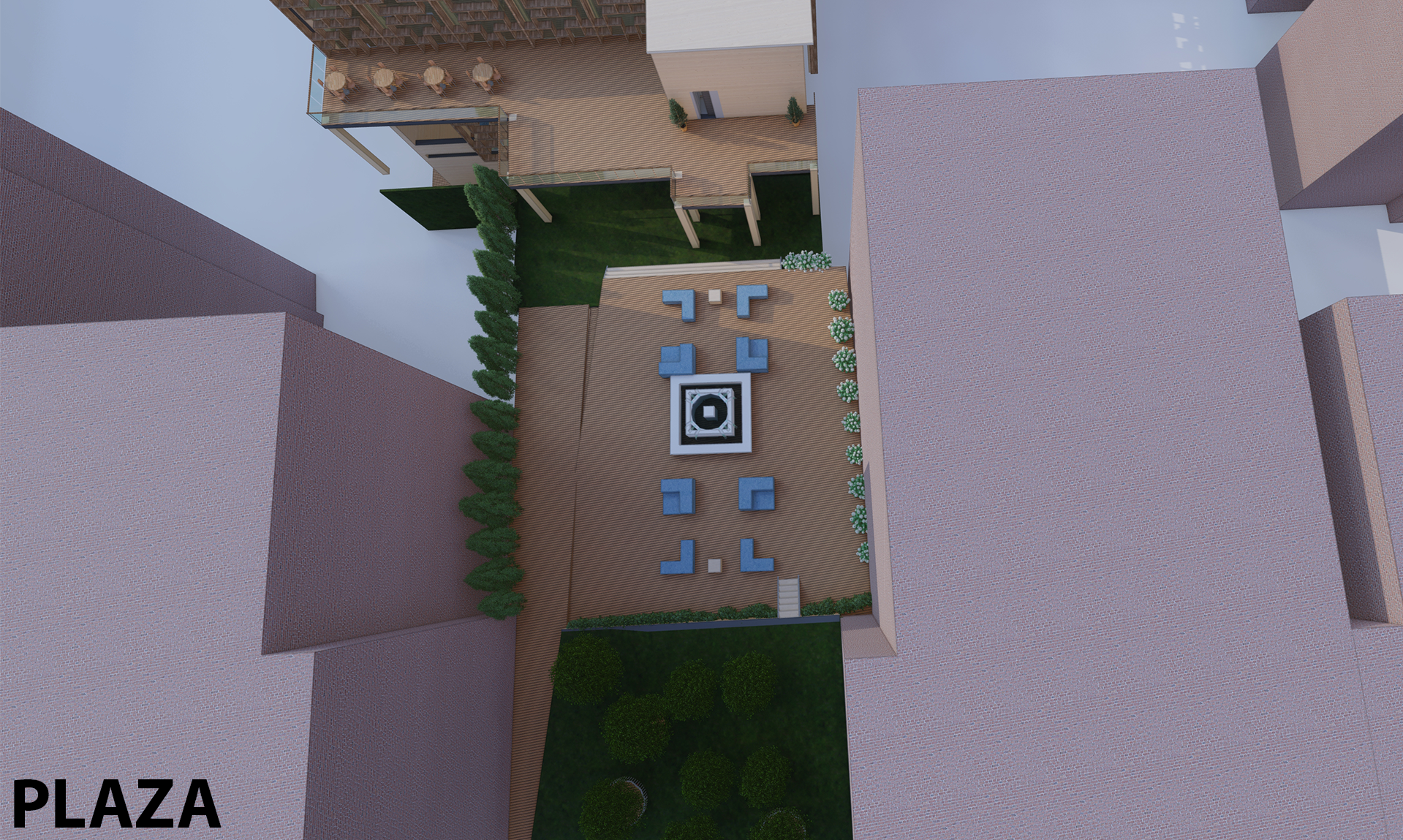
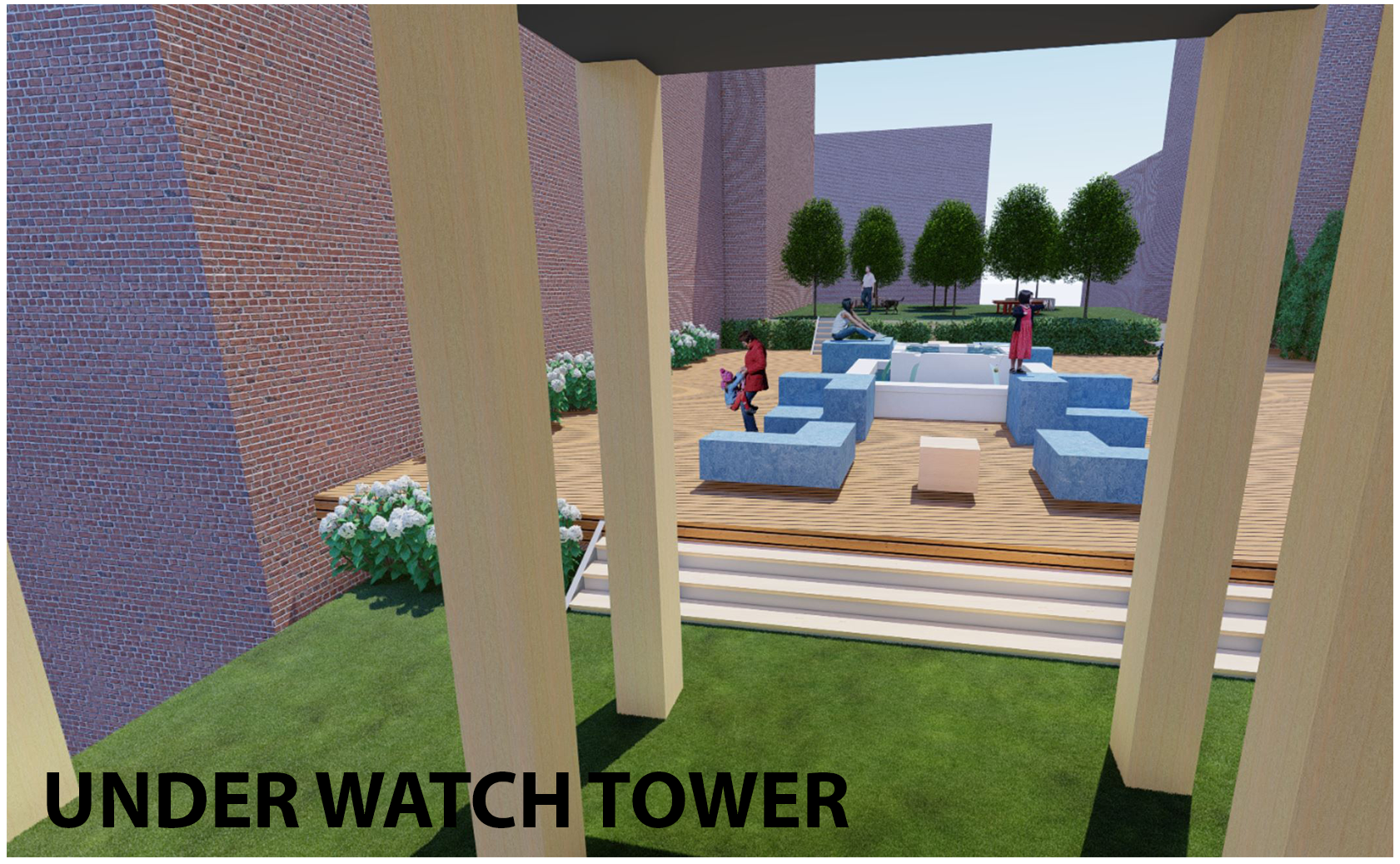
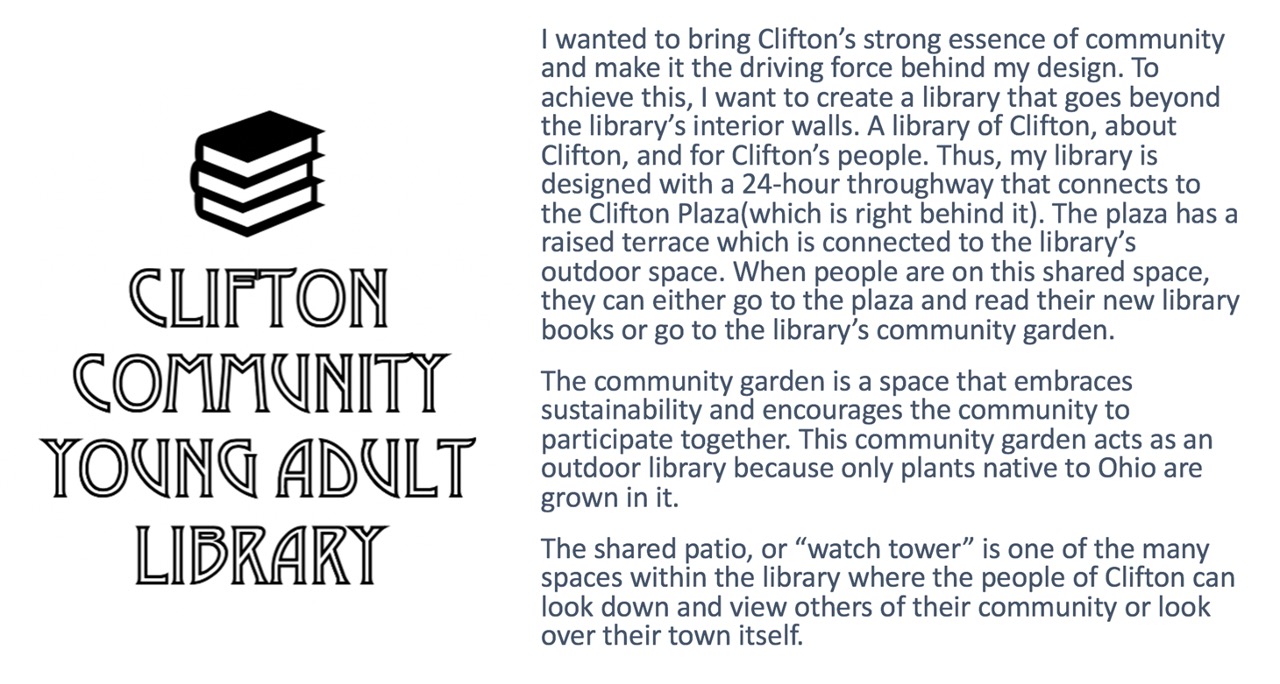
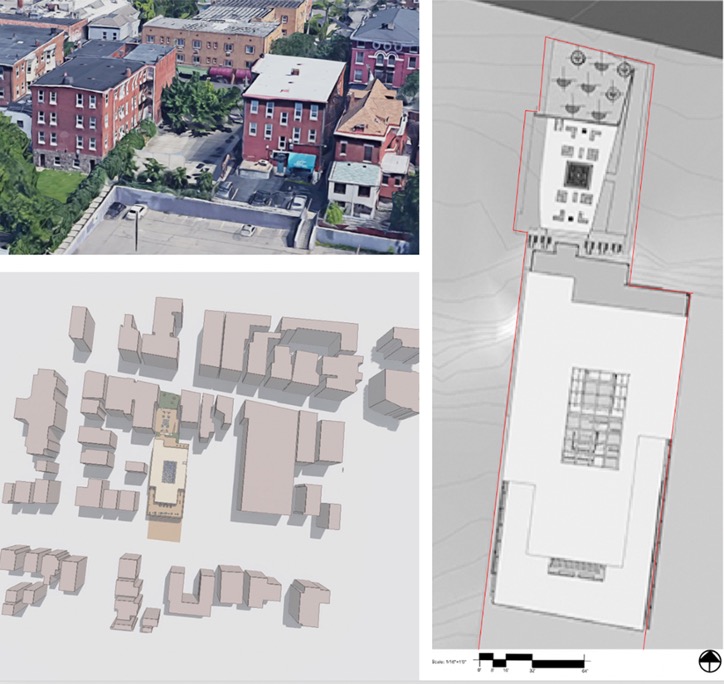
Focusing on building-site relationships, the integration of more green space in the Clifton area and adhering to what previously exists I aimed to create an effortless flow of continuous space from the Clifton Plaza to the Library.
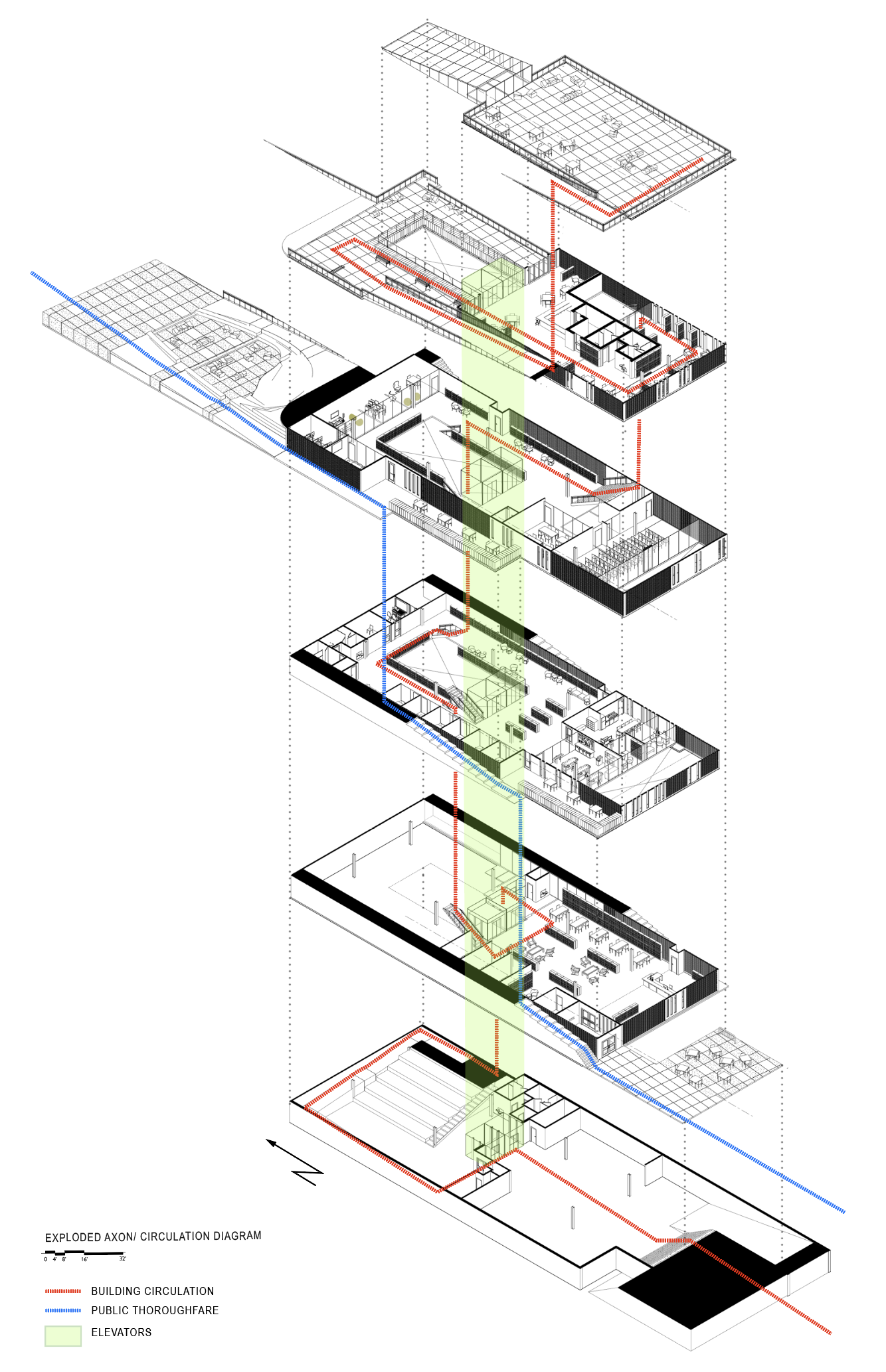
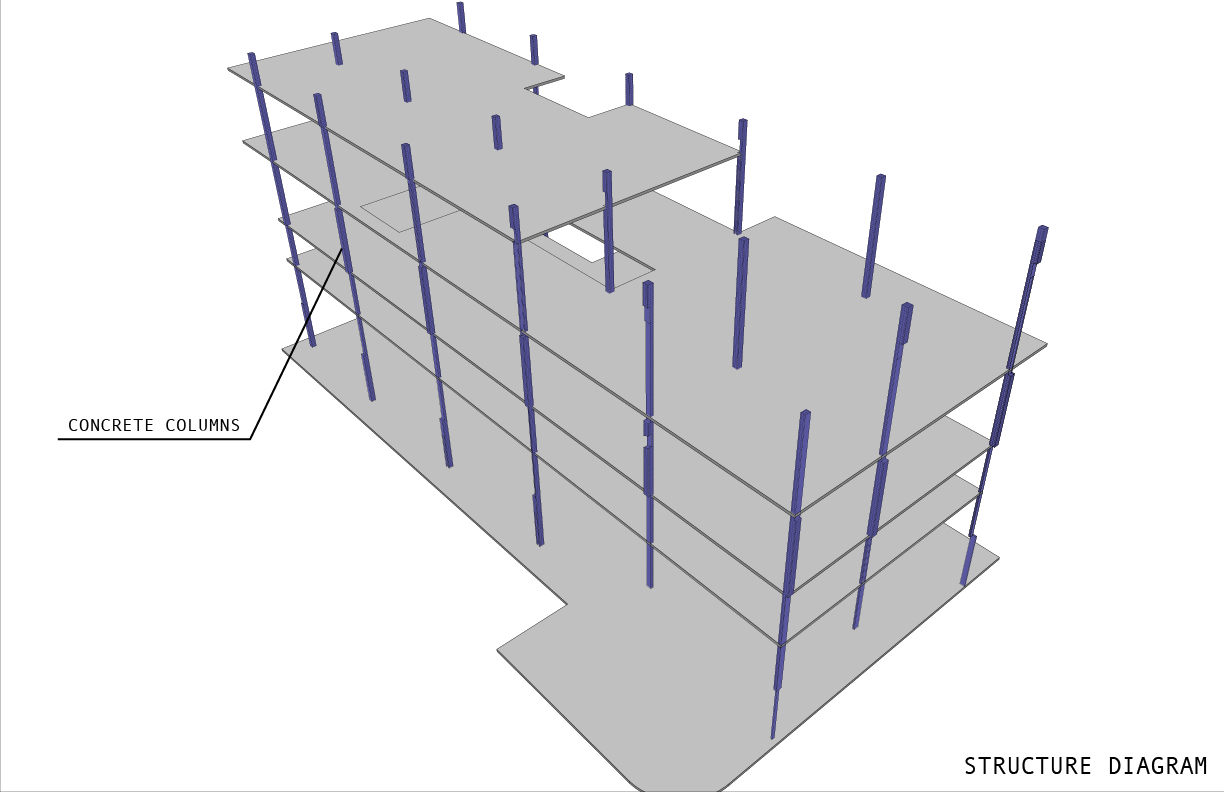
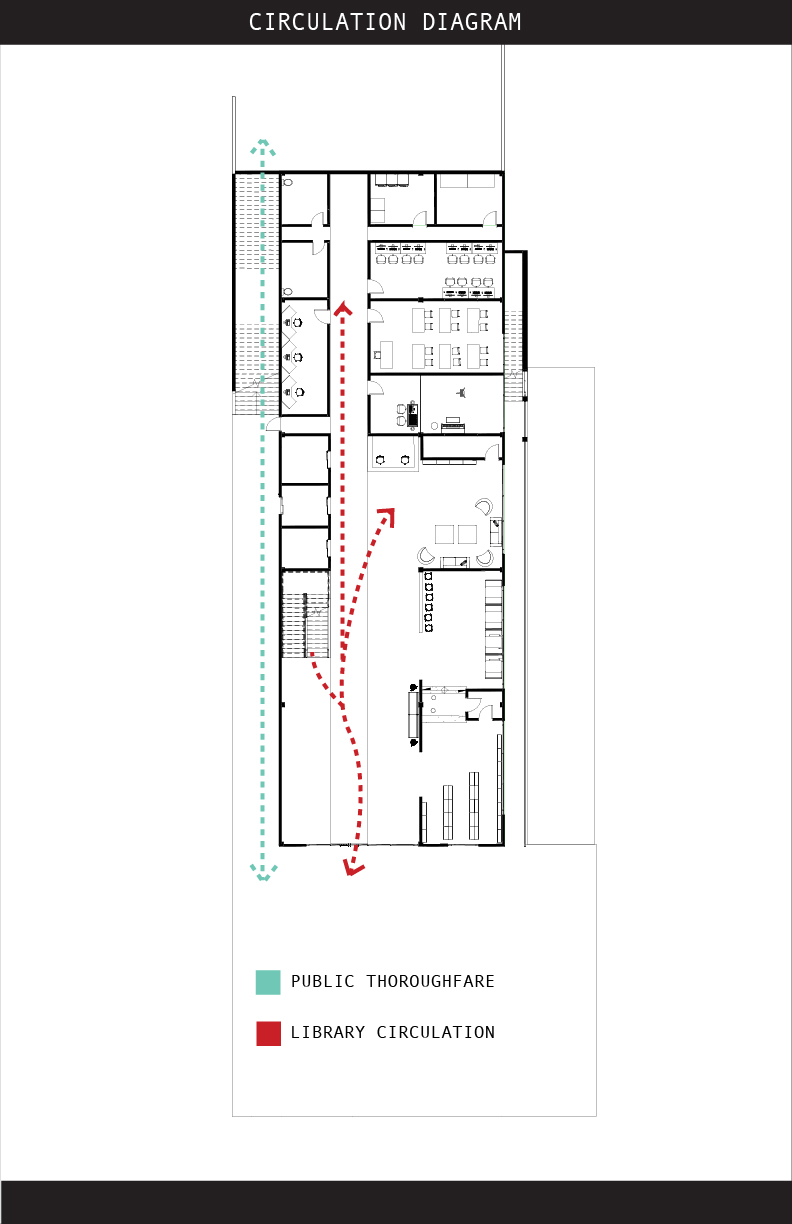
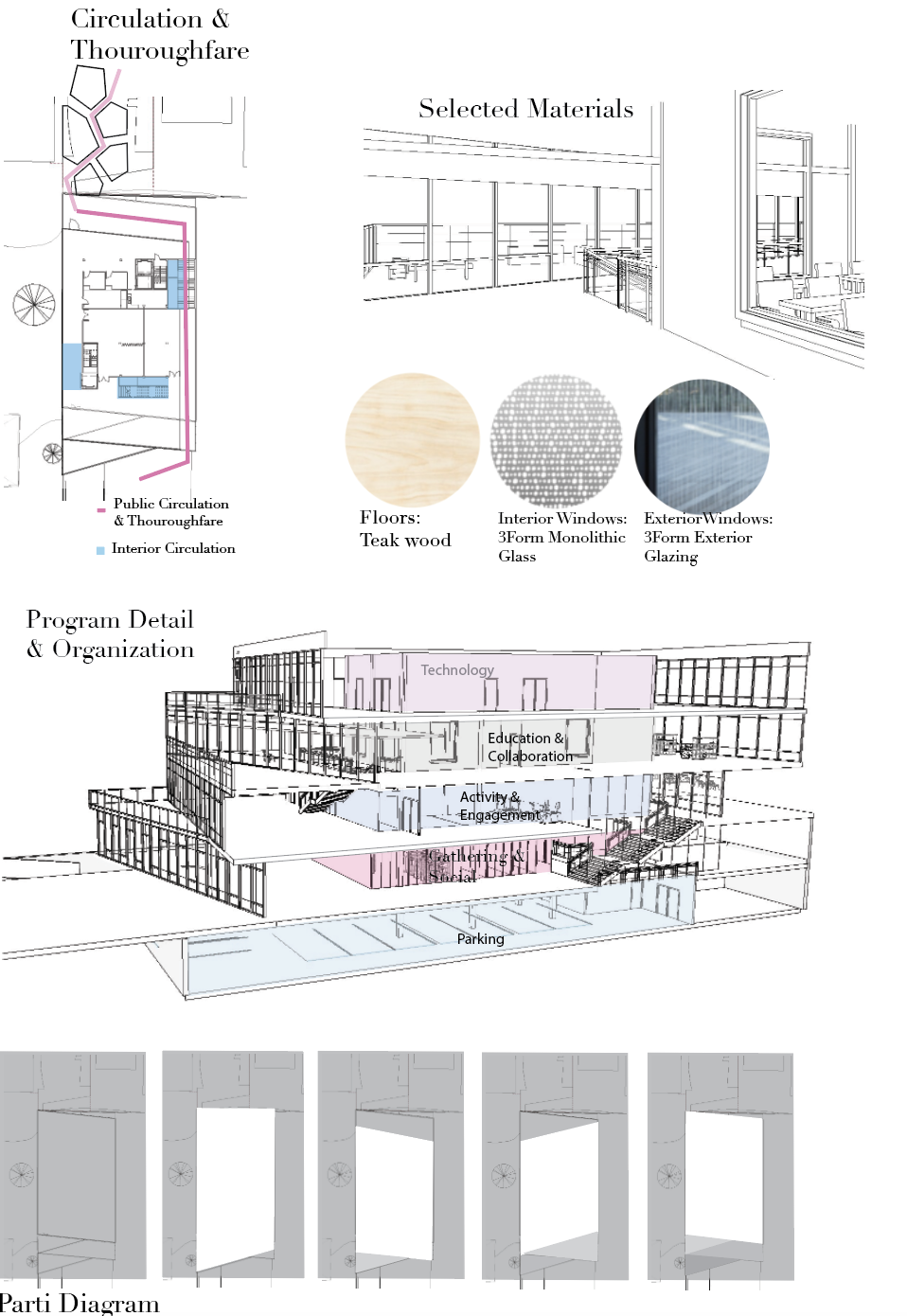
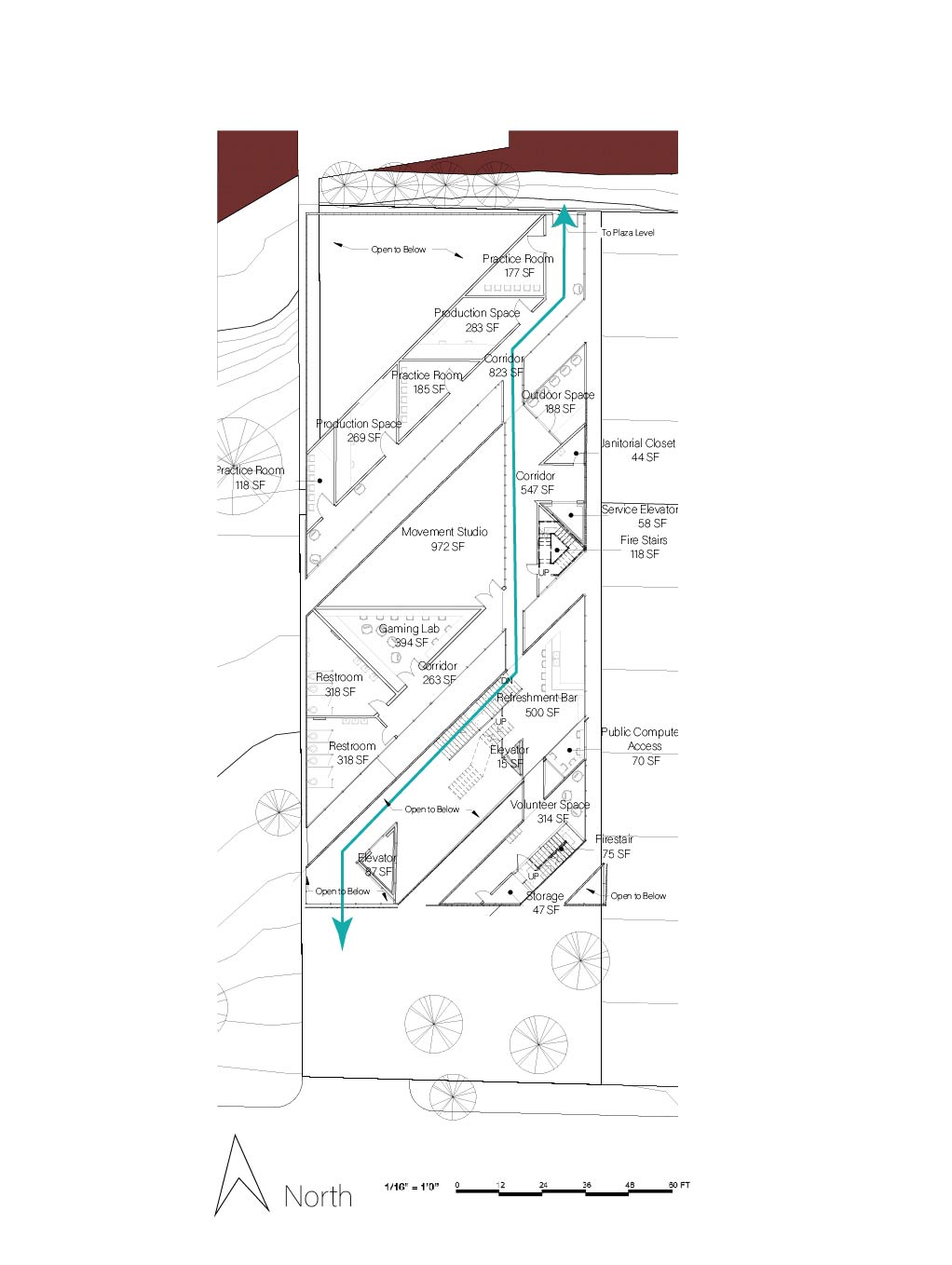
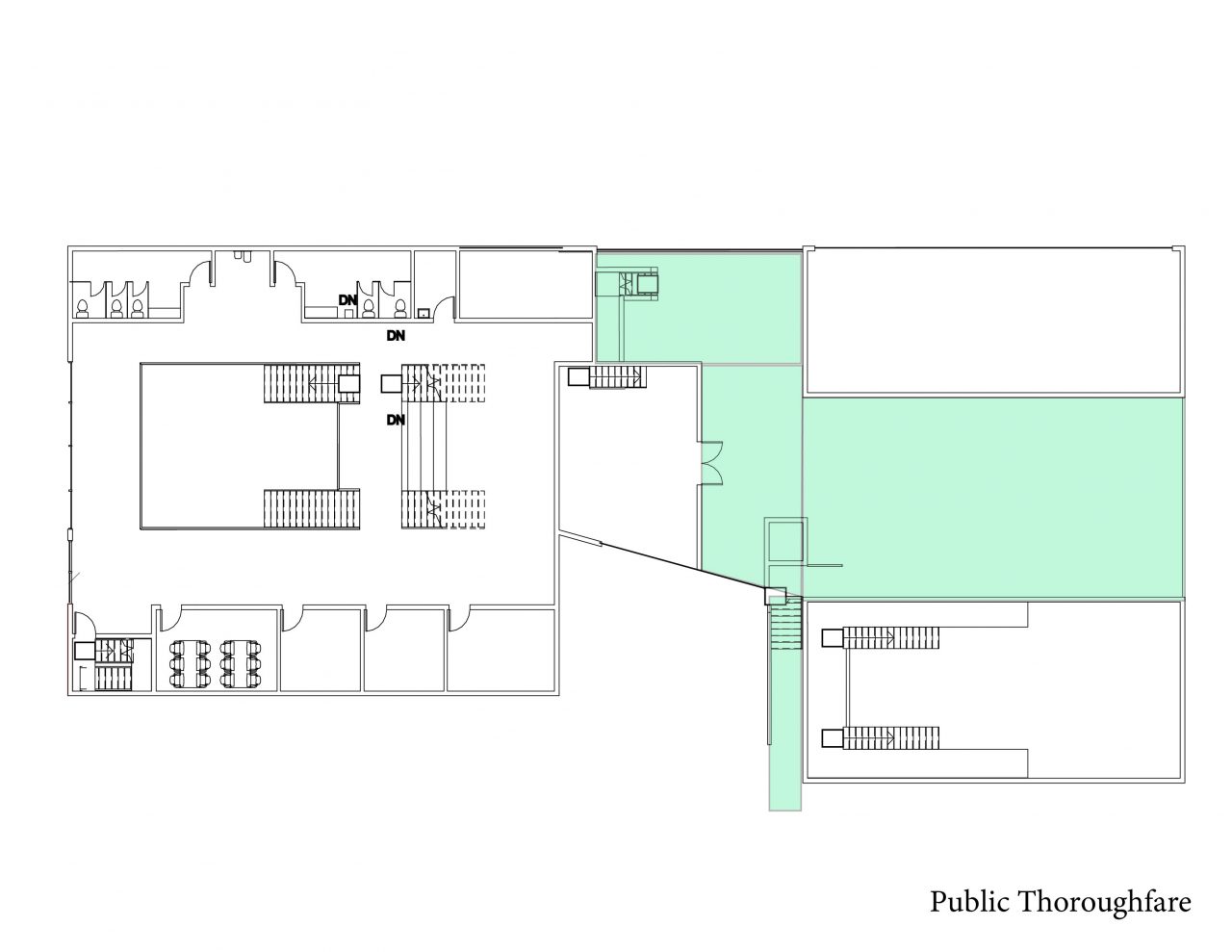
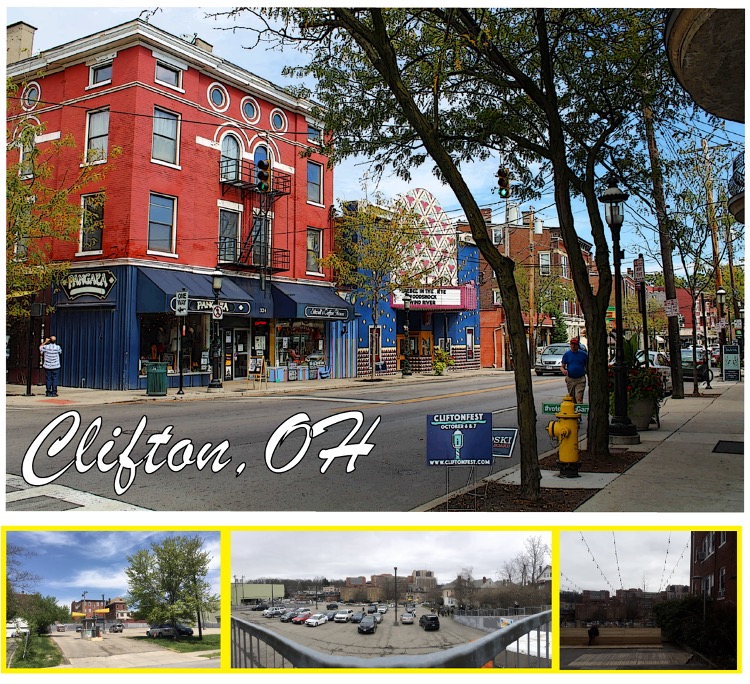
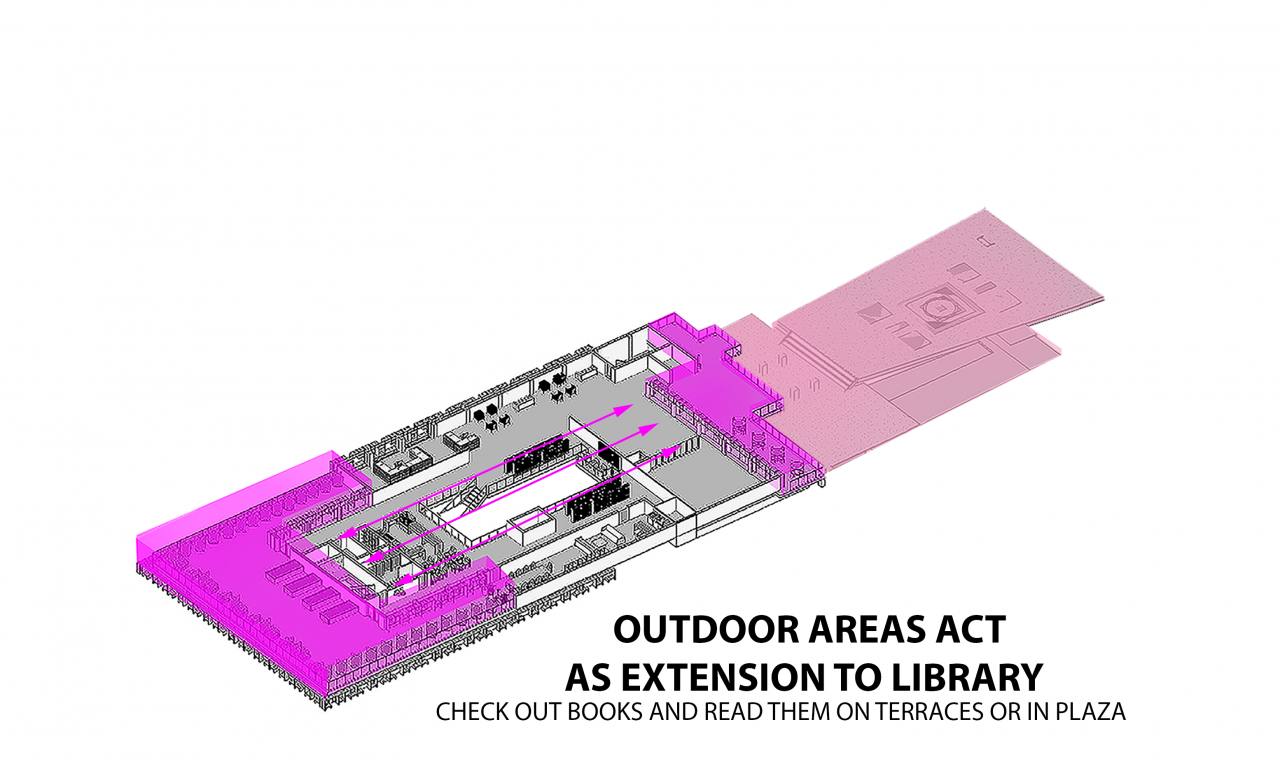
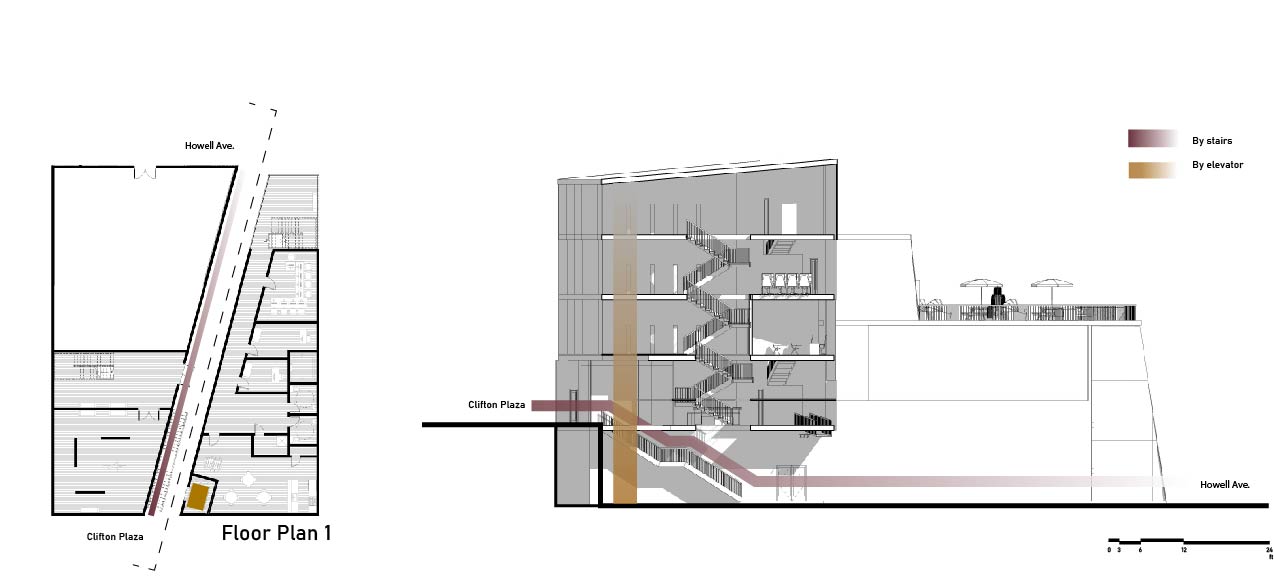
Clifton is a vibrant neighborhood with a strong sense of community which will be enhanced through the addition of the Clifton Young Adult Library. The library is meant to serve as an extension of the Clifton plaza and the library originates from the geometries and experiences created in the design of the Plaza. The library is created through the layering of modules with angles derived from the Plaza. As in my Plaza design, the pentagon geometries transform into squares on the interior where the library contains a central core of program elements that falls where the layers overlap and circulation surrounding this core. As the goal is to create a community space, the routes of circulation force users of the library to travel throughout the building and linger, rather than pass through. Throughout the library there are several levels and many opportunities for spaces and impromptu gathering areas, including outdoor terraces. The thoroughfare from the plaza to Howell mirrors the “zig-zag” circulation found within the plaza.
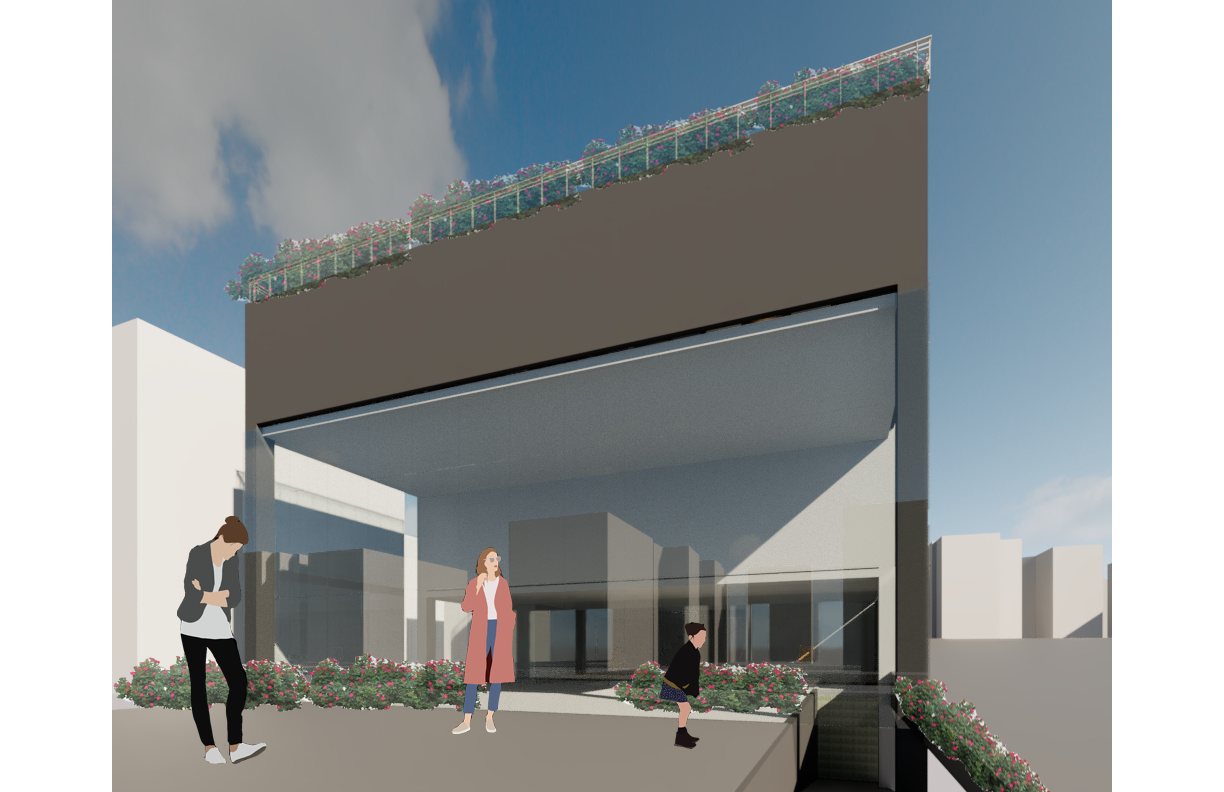
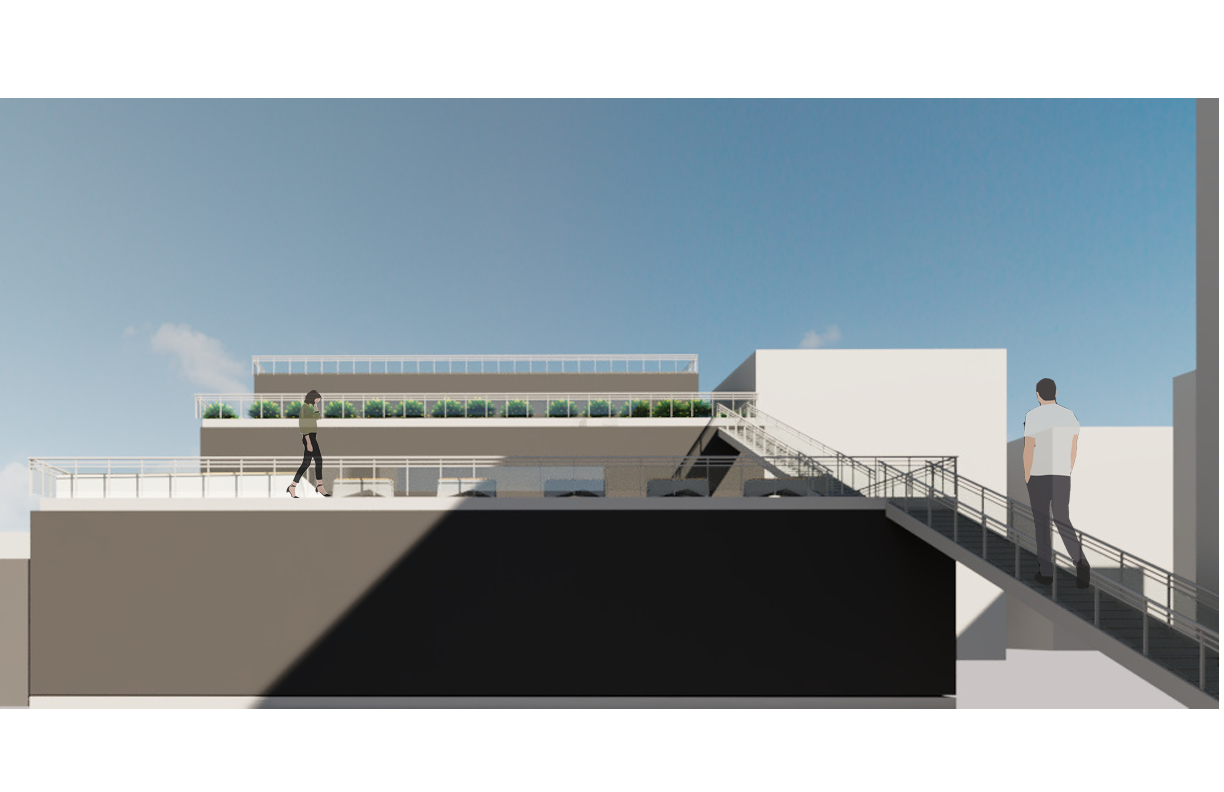
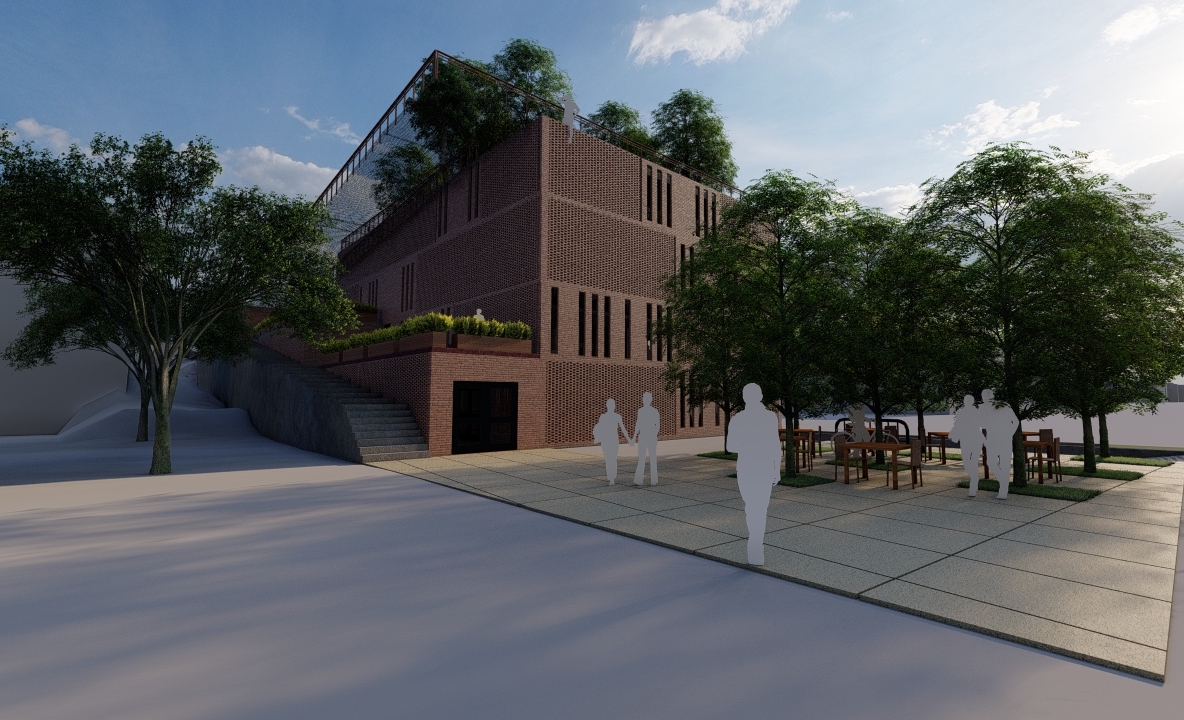
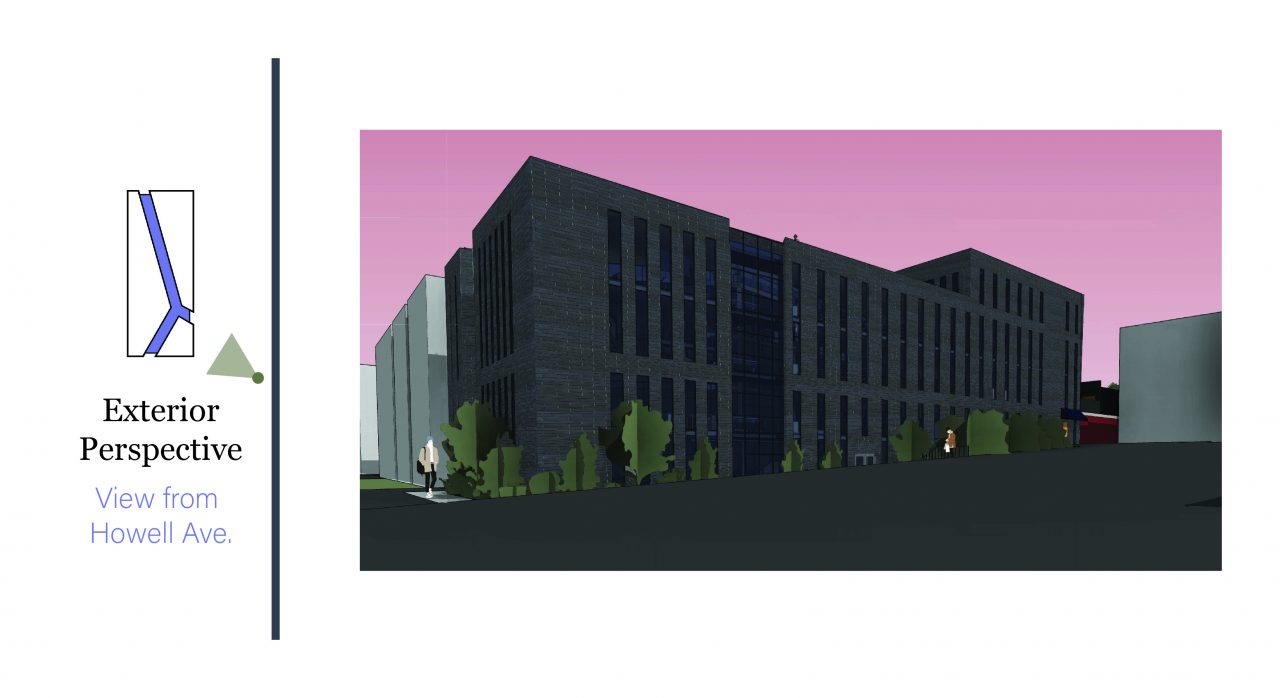
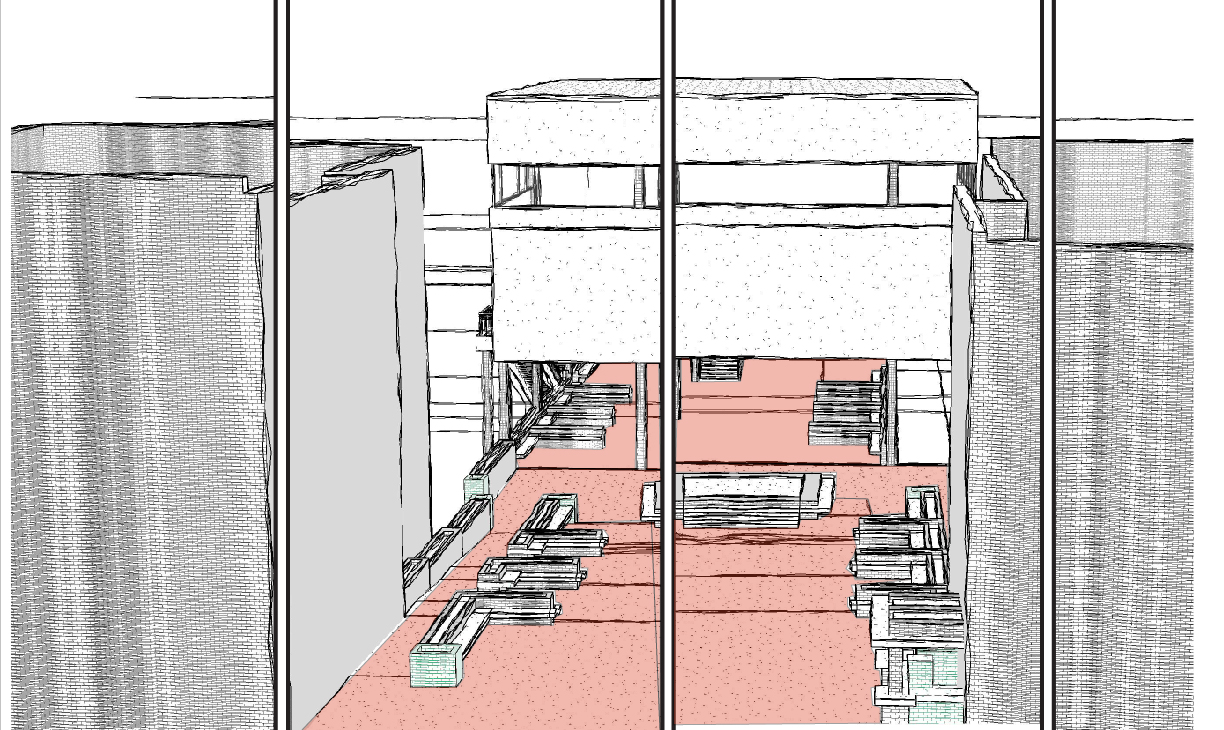
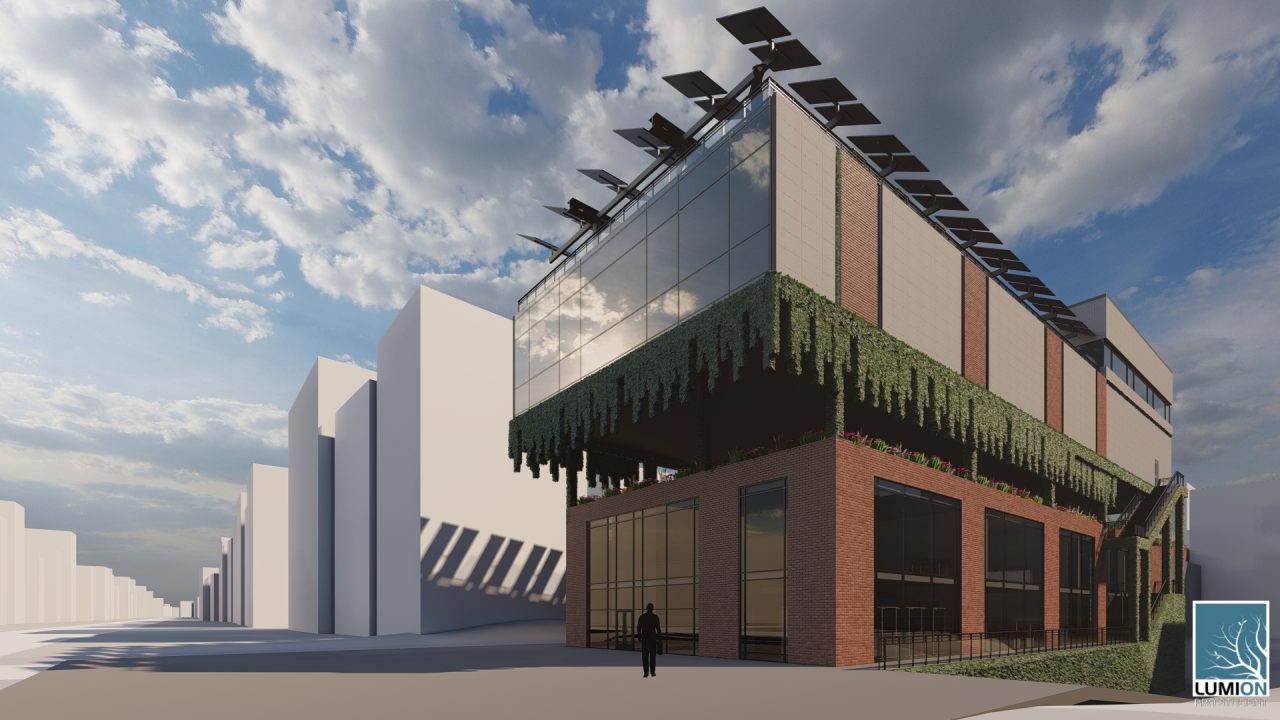
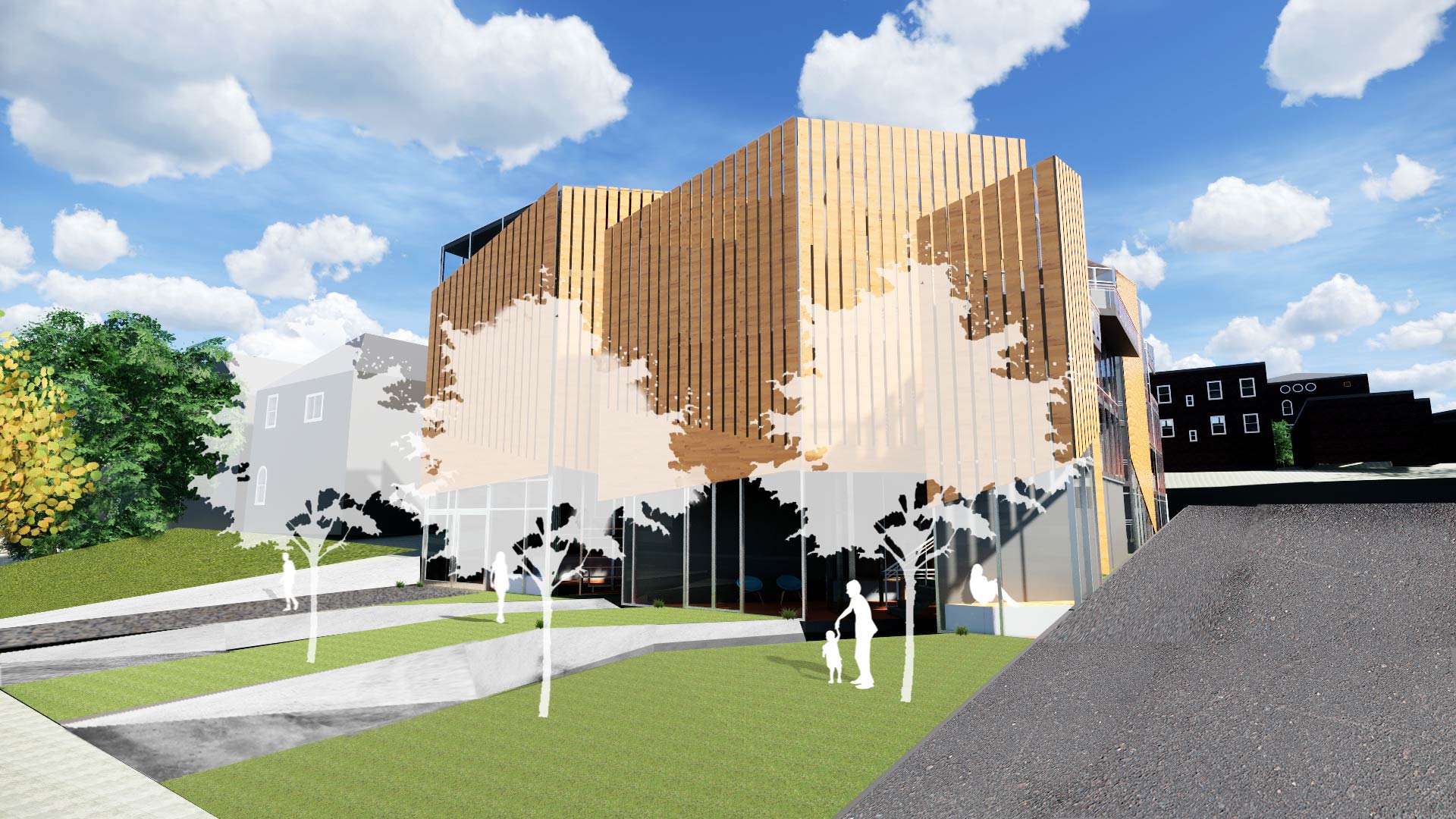
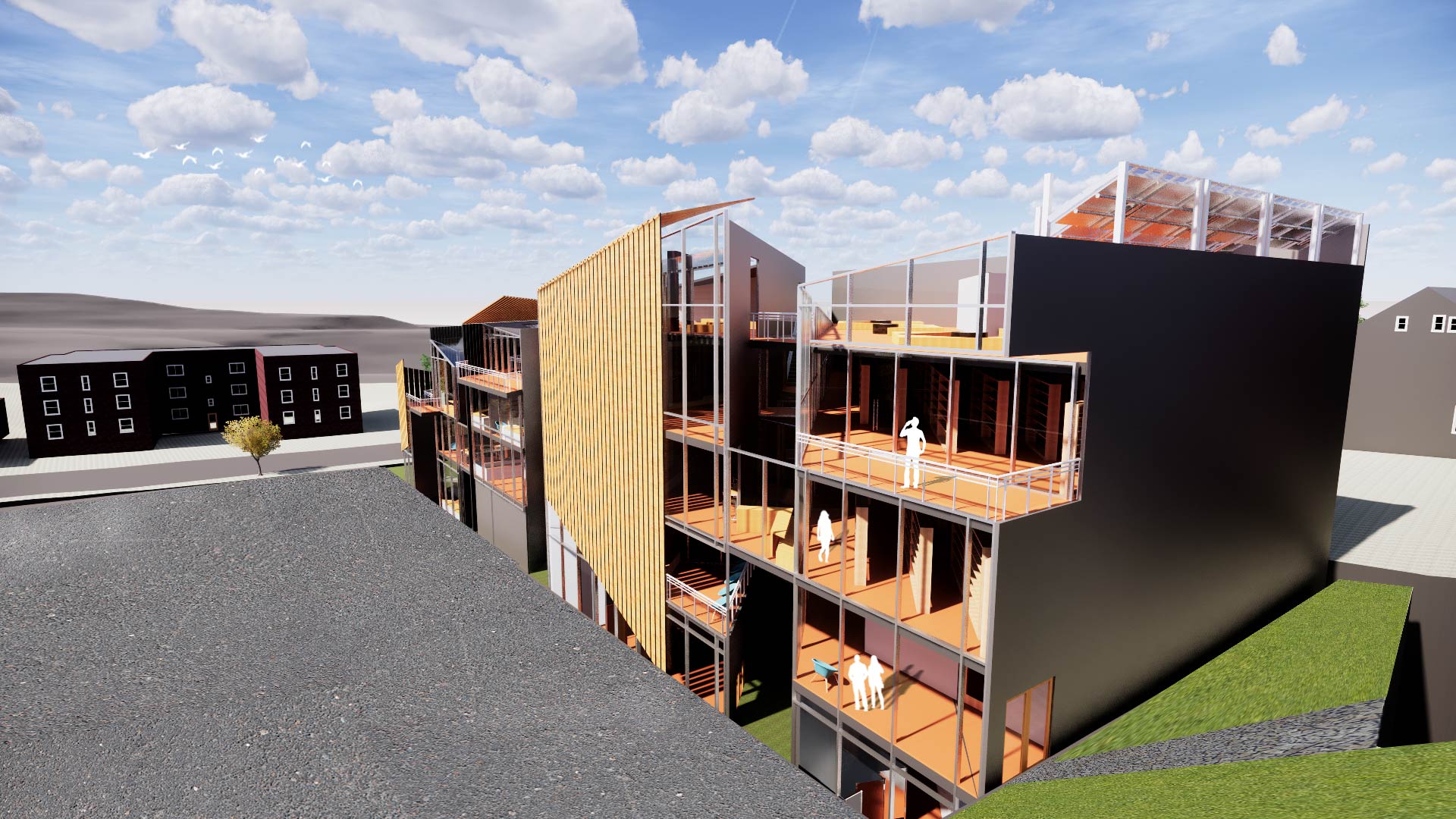
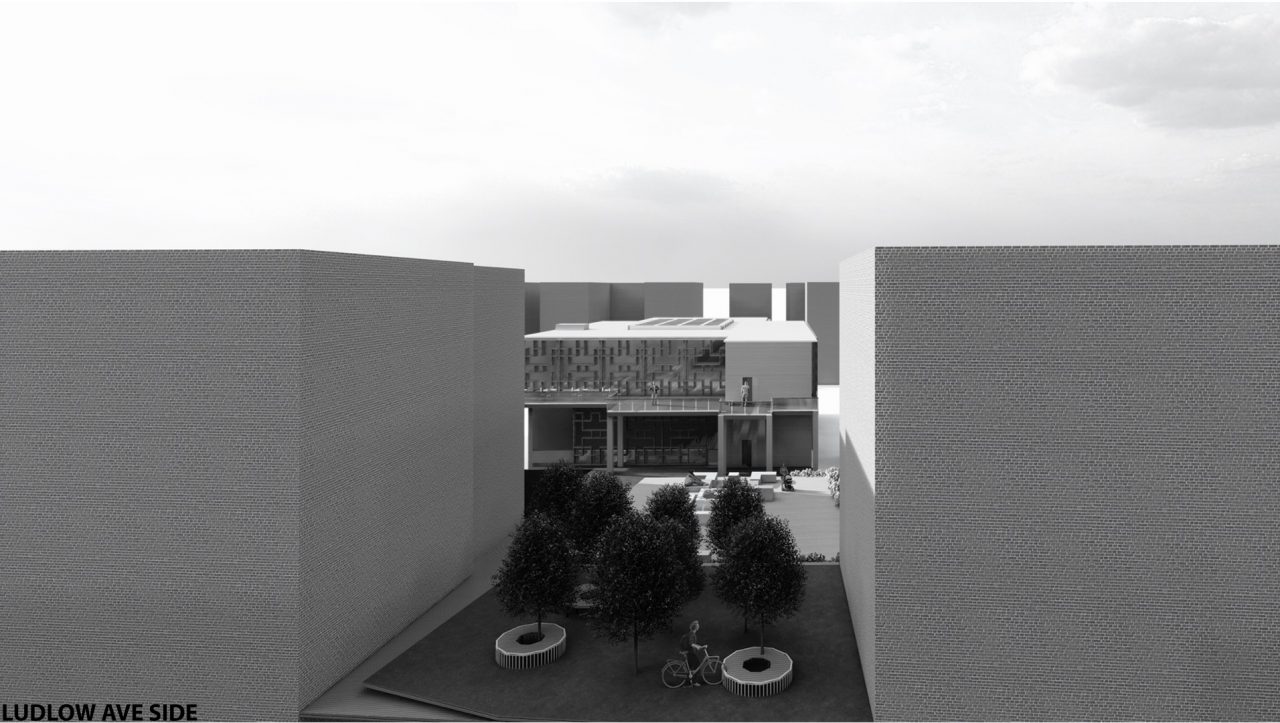
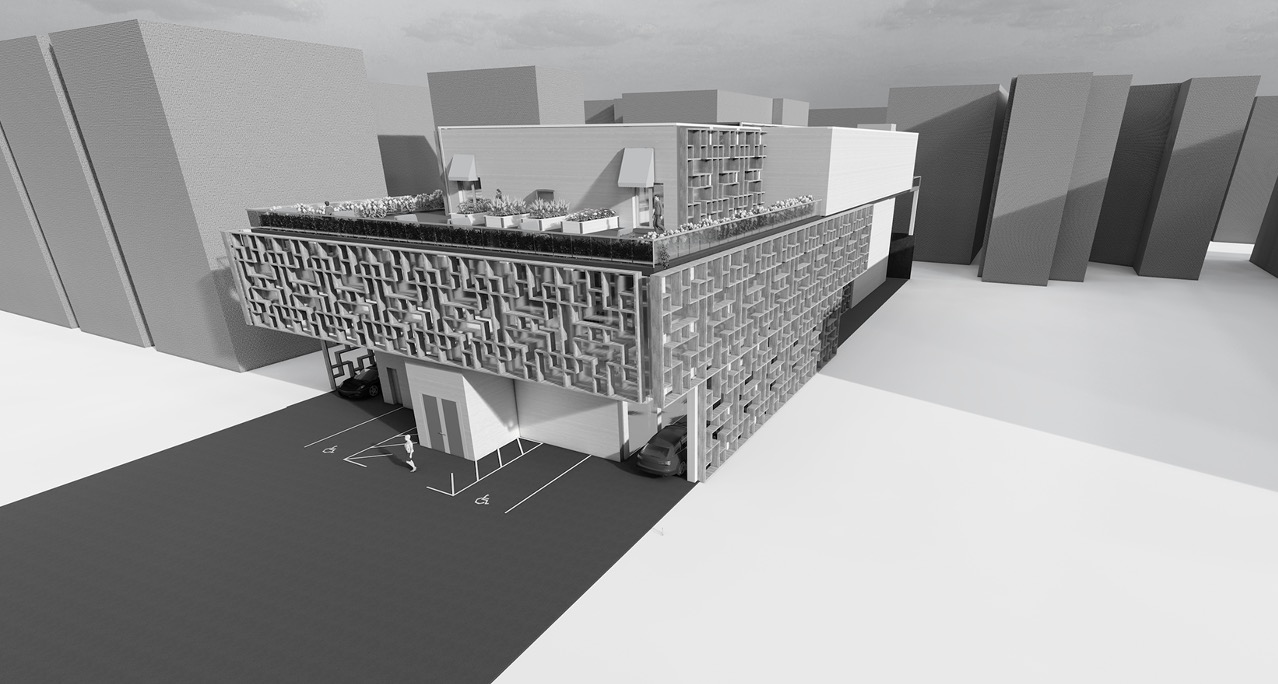
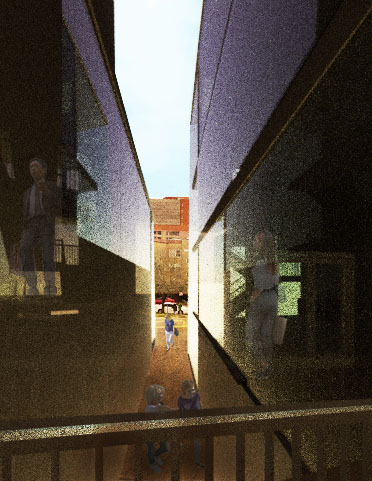
Exterior Rendering: Howell EntranceExterior Rendering: View from Ludlow/Plaza
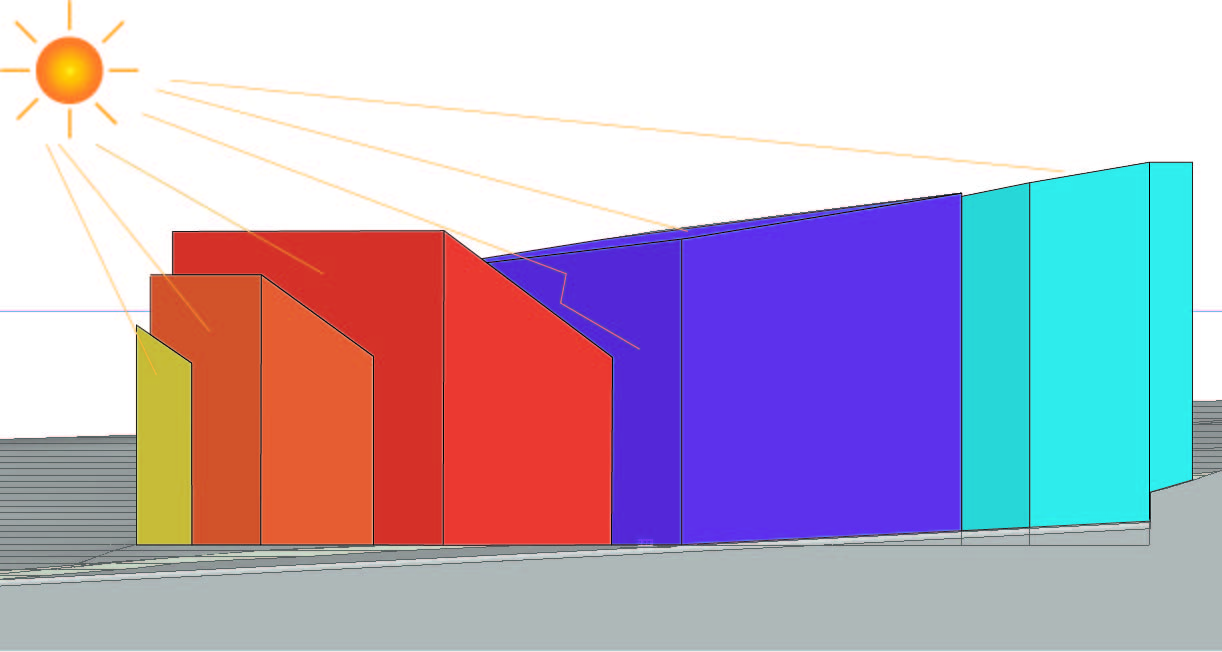
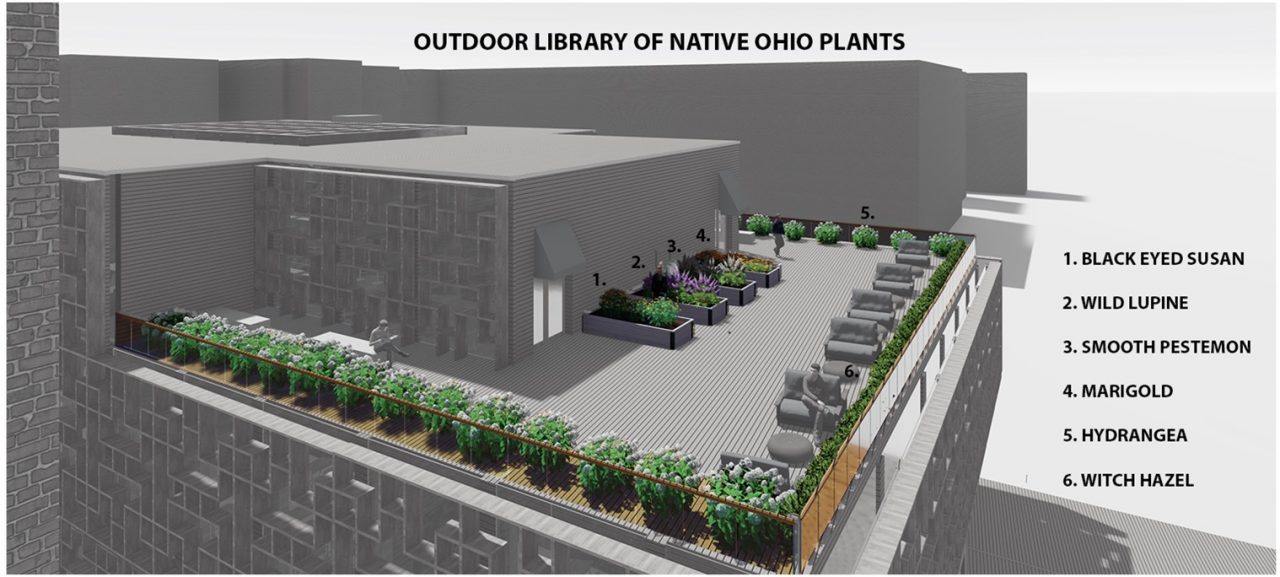
My concept for the Clifton Library project was circulation and Sustainability. My idea was to focus on gaining the most sunlight within my building. Therefore, I focused on on the South East corner of the site and worked to the back corner (North West corner). Then to allow more light into the buildings I divided them to allow light wells, and create more outdoor space for gardens, thus bringing in the Sustainability aspect of my project.
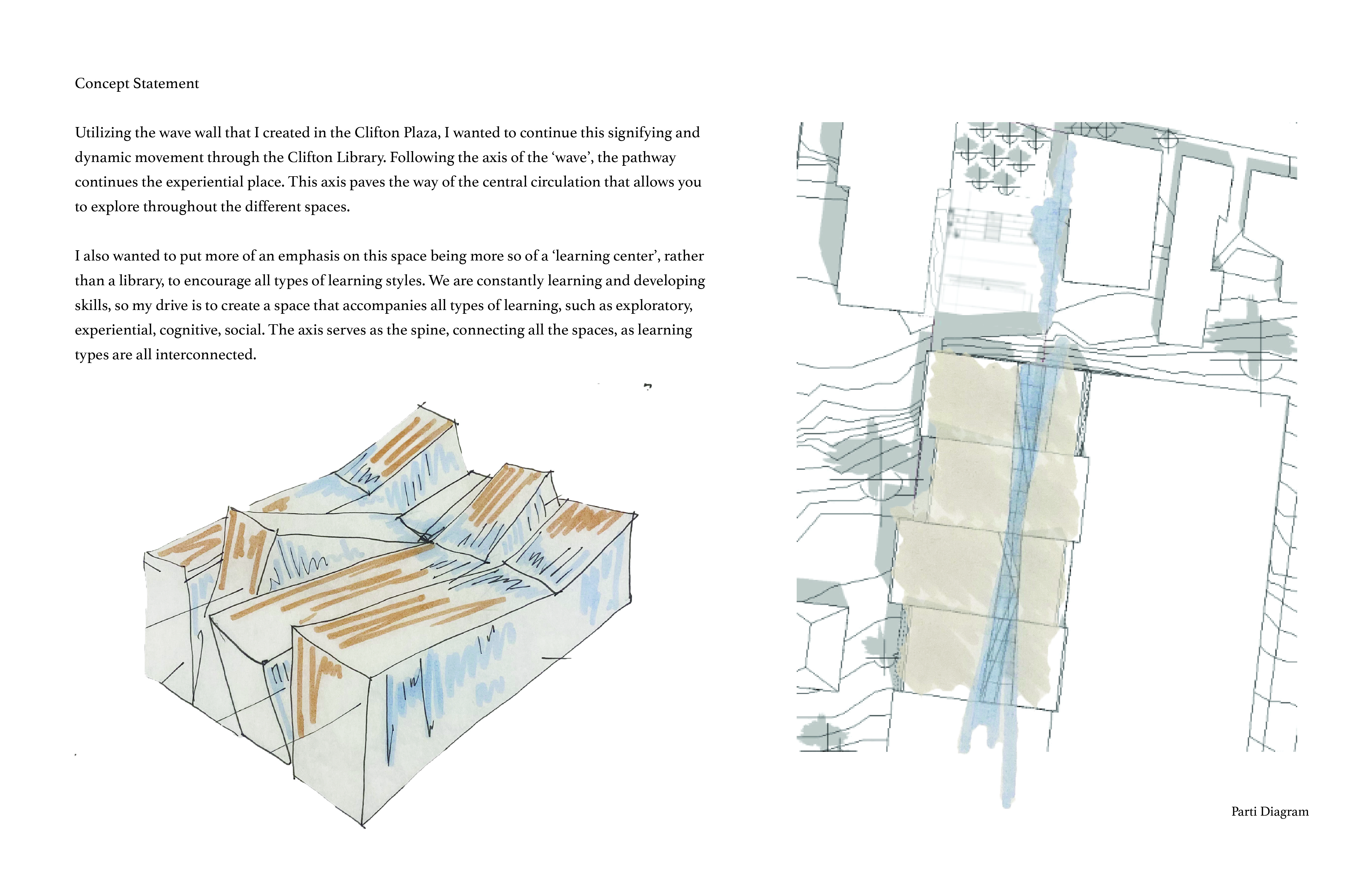
Parti Diagram
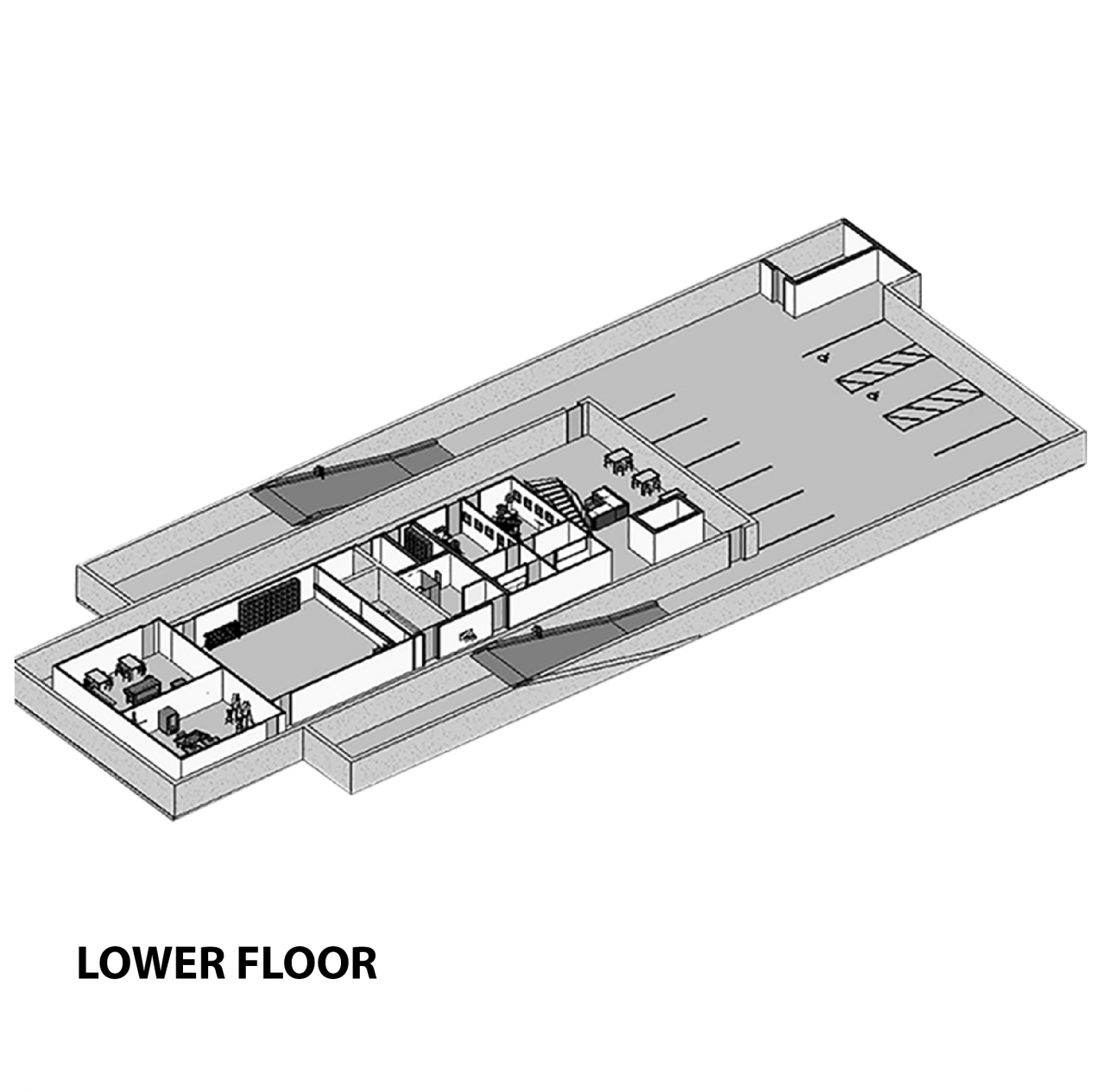
Plan View (Left) Axon View (Right)
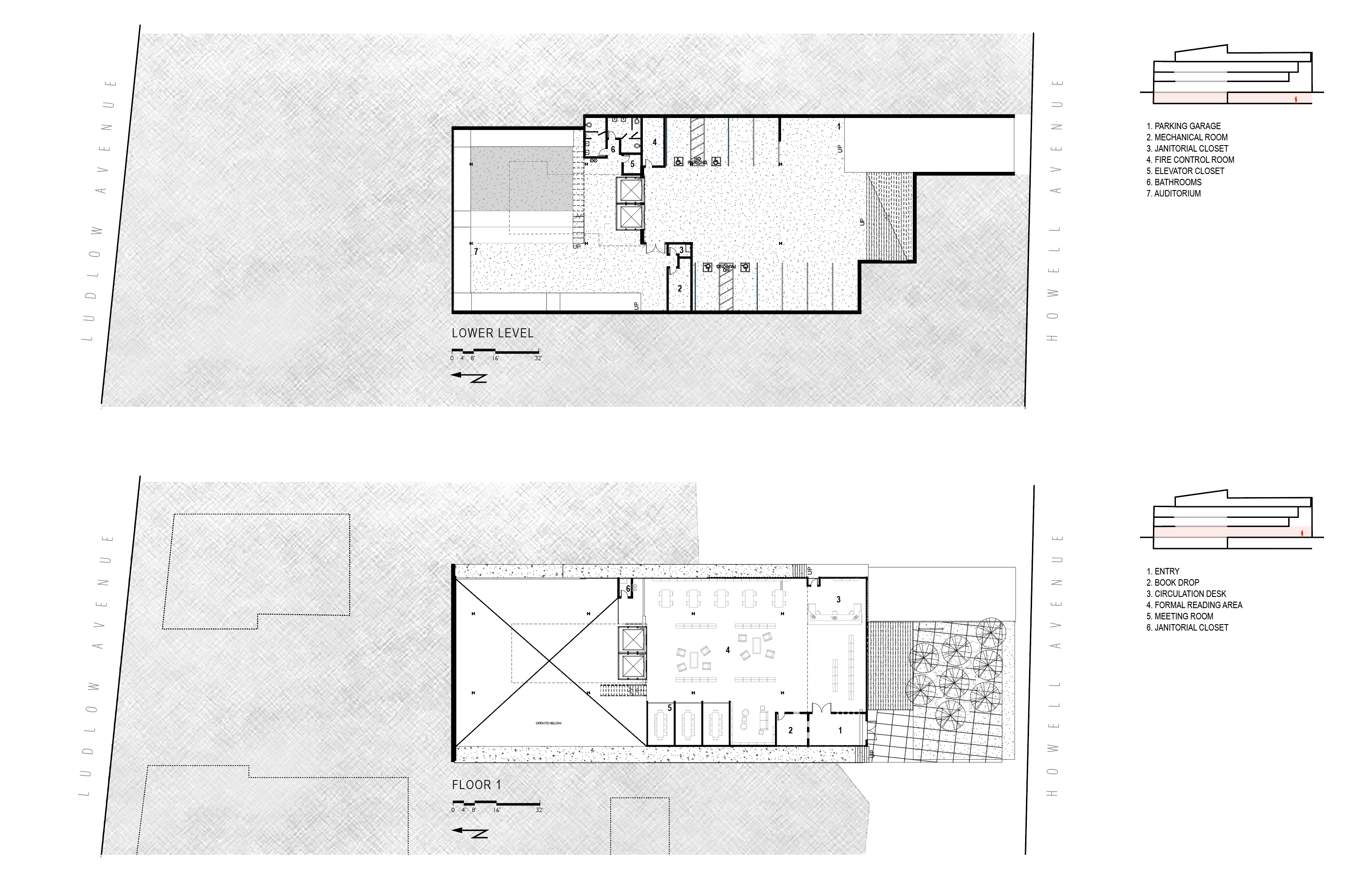
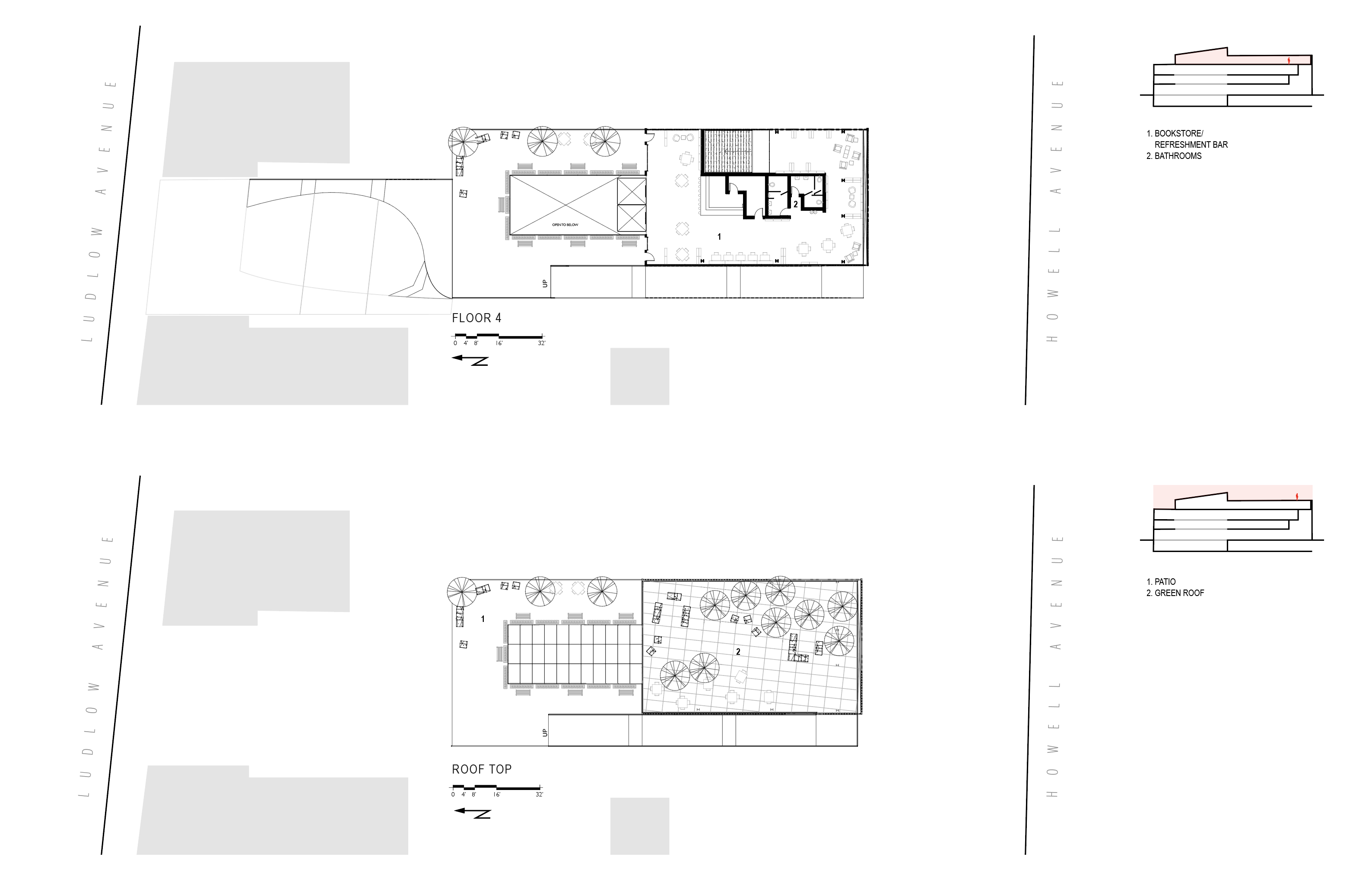
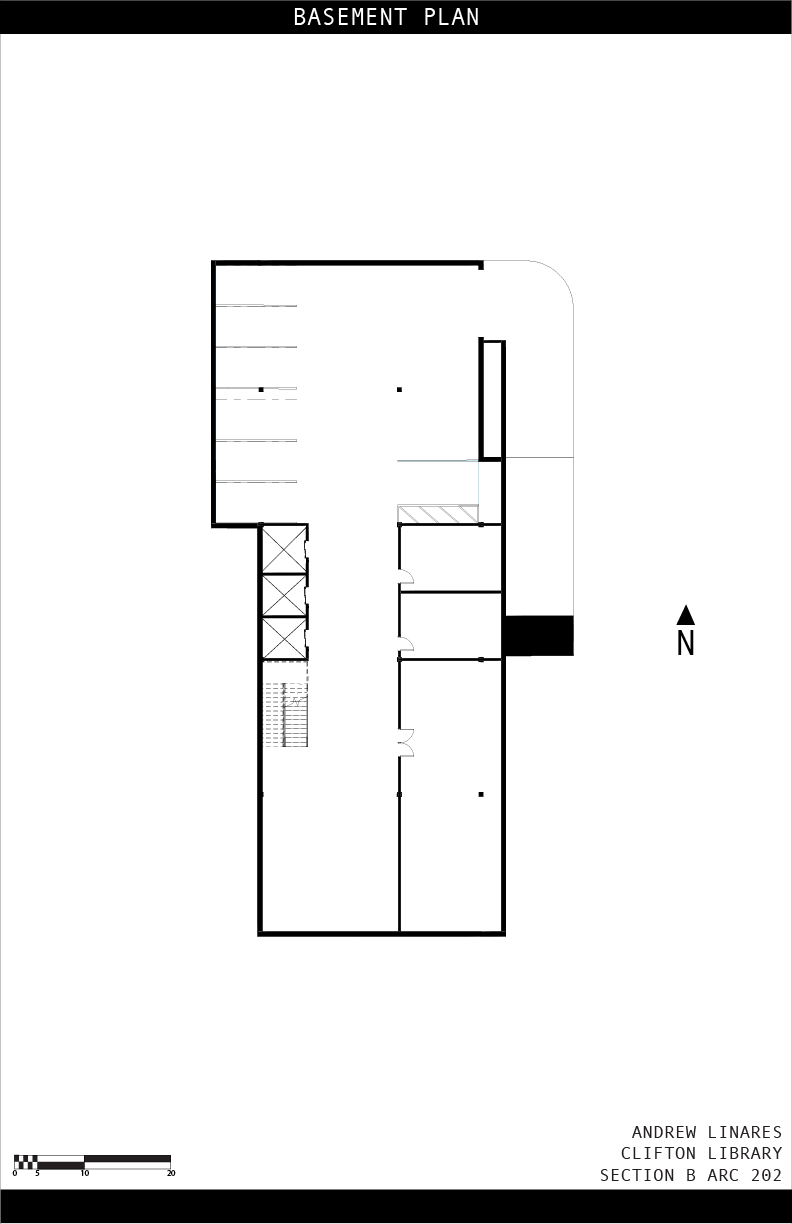
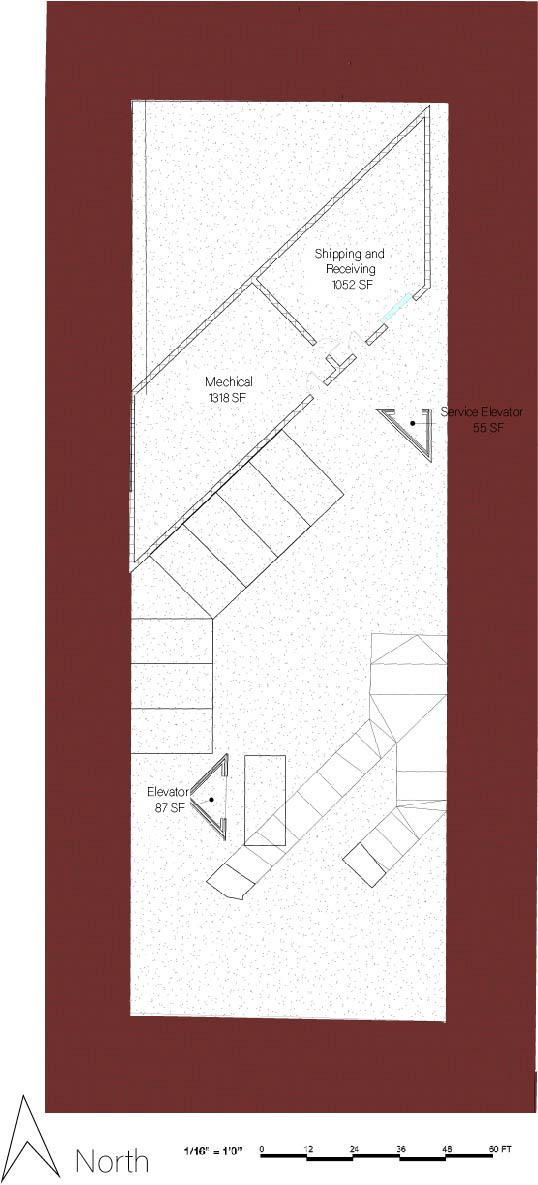
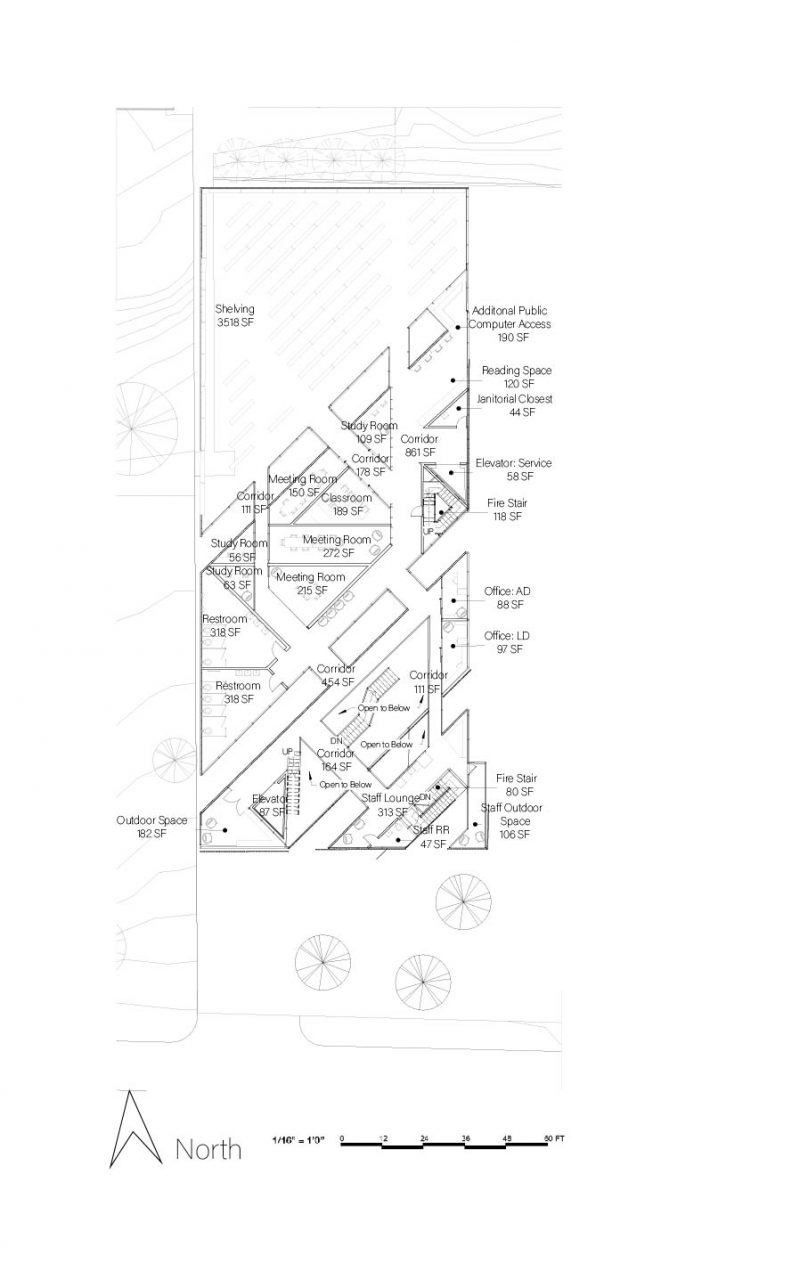
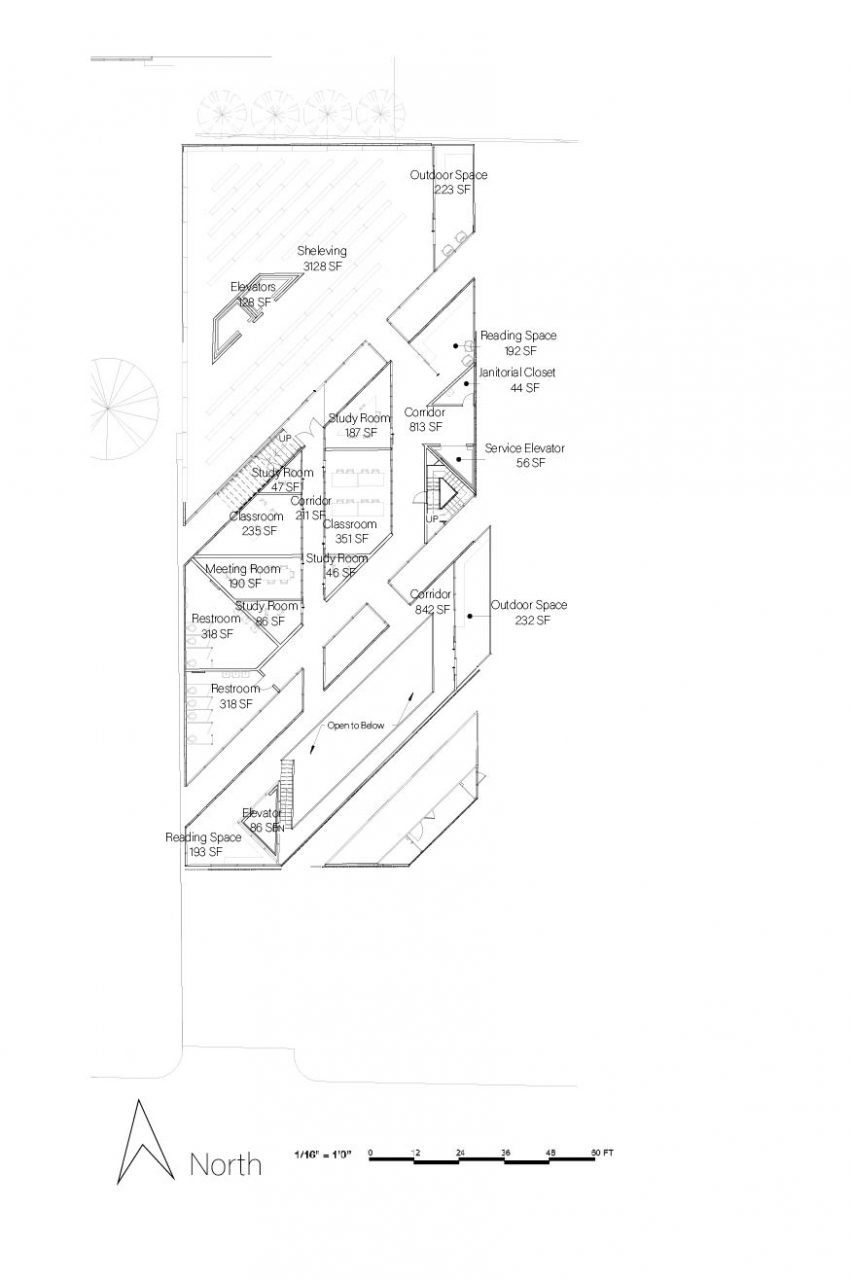
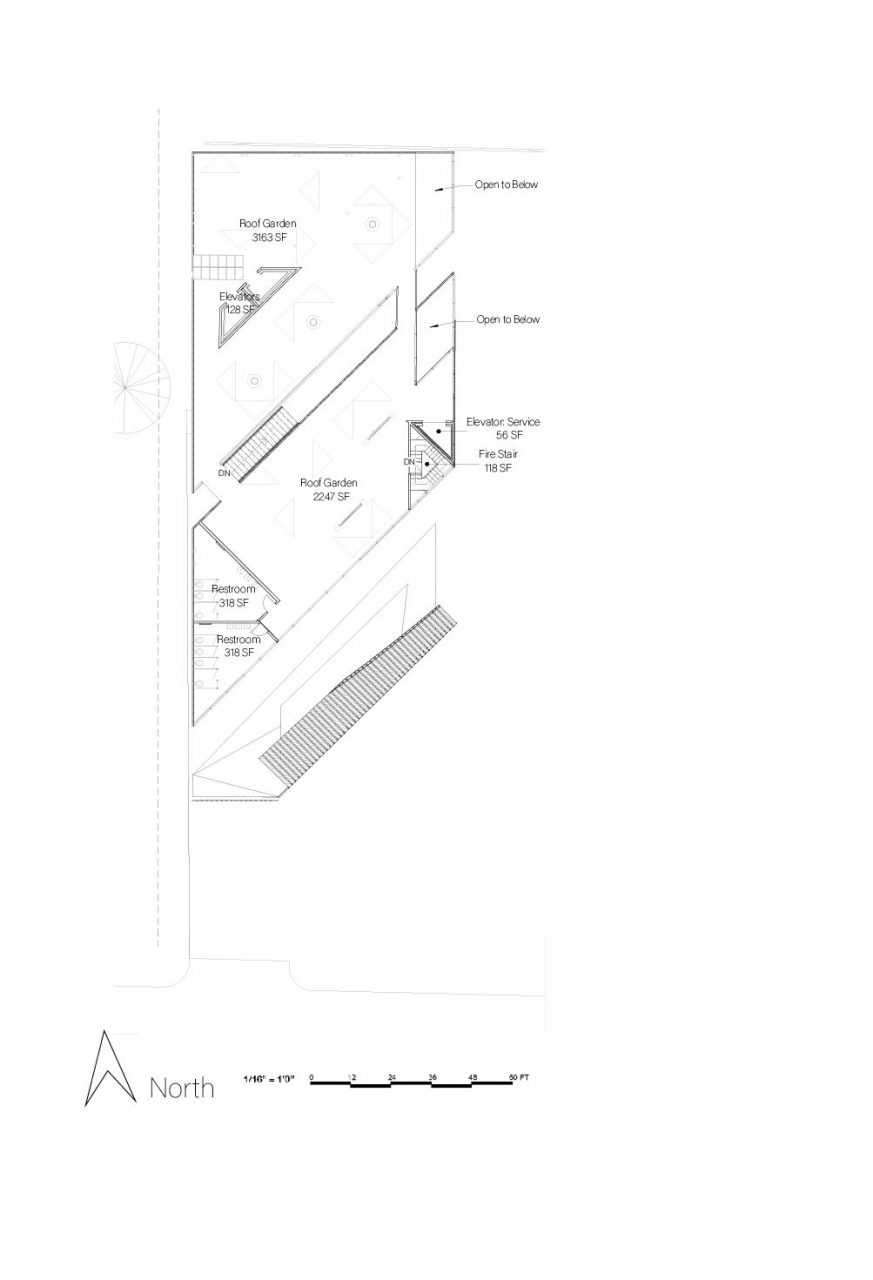
Plans
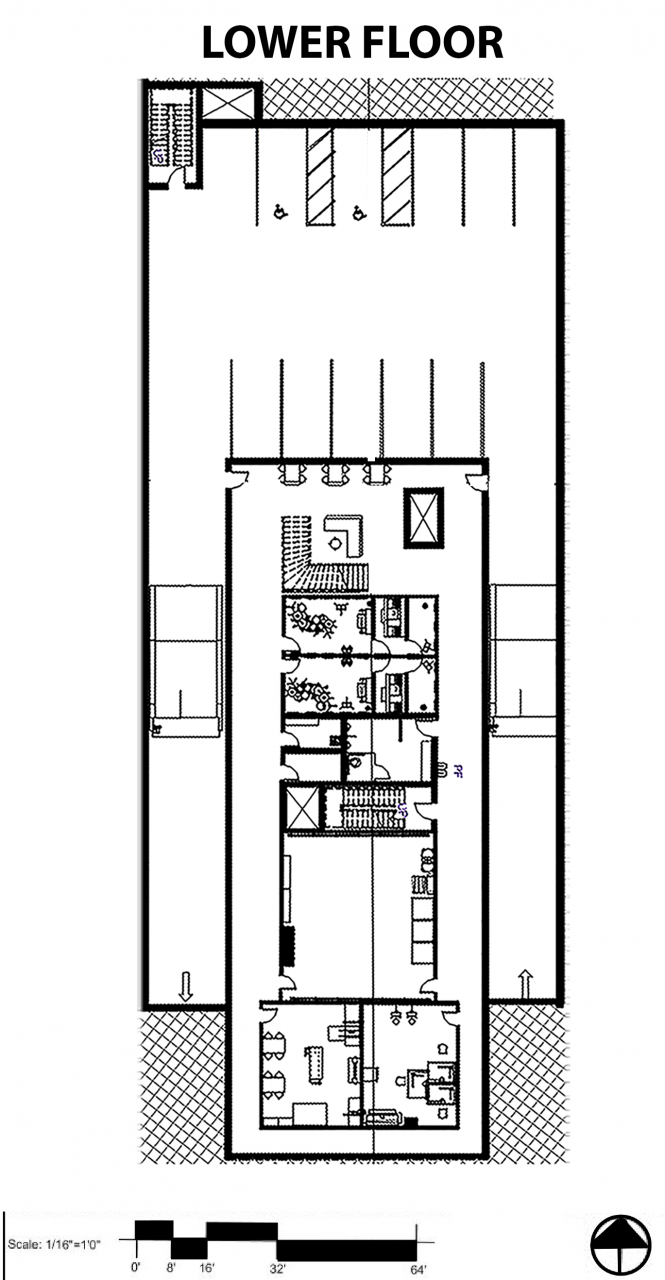
Parking Level (Below Grade)
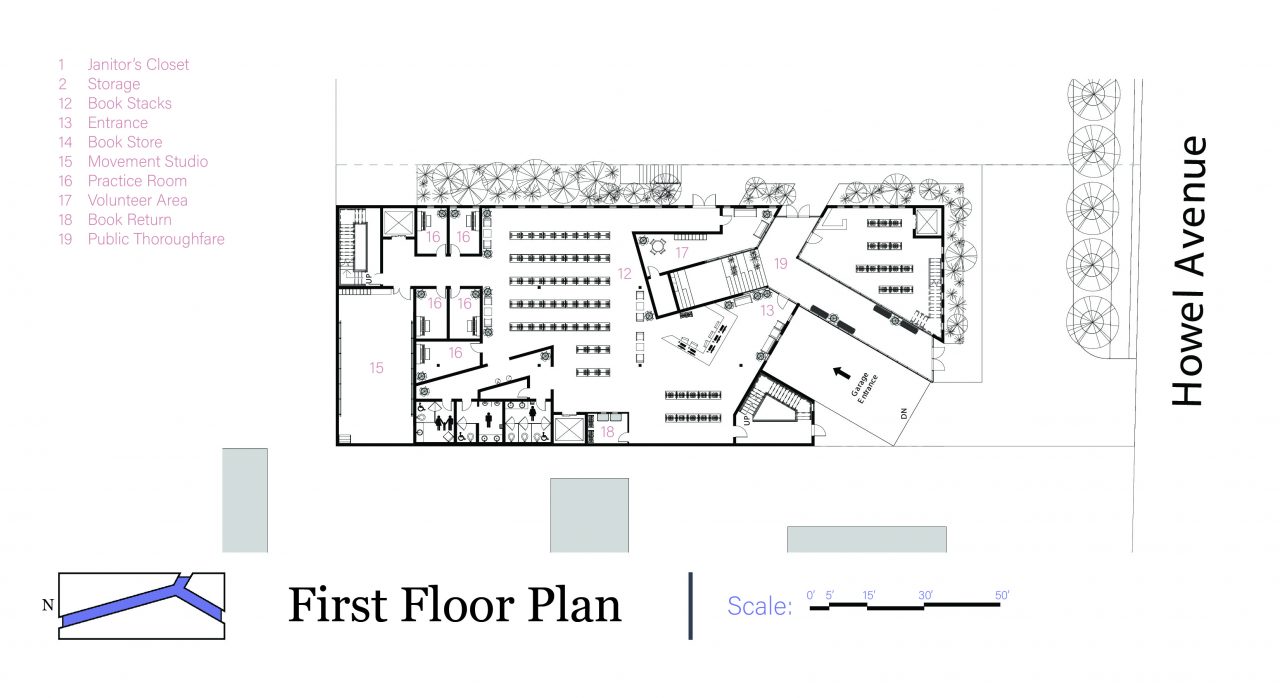
First Floor
Second Floor
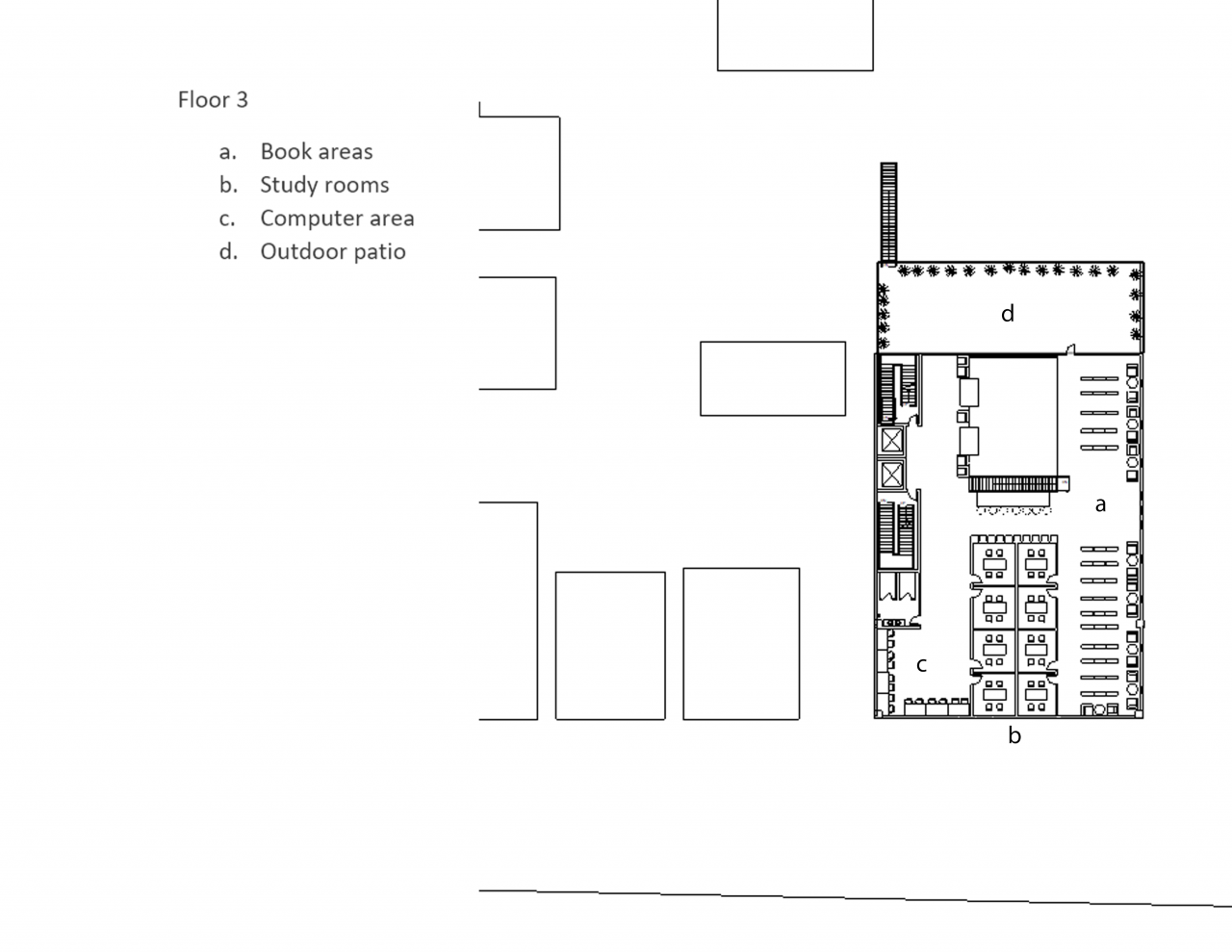
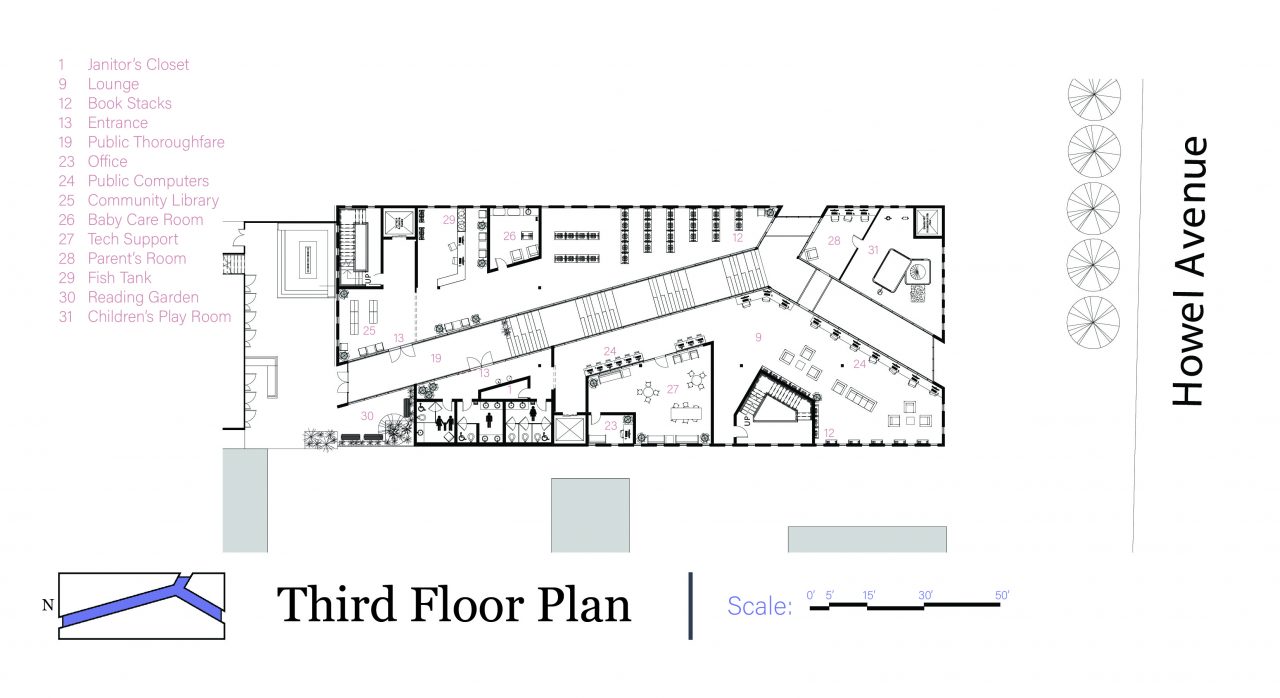
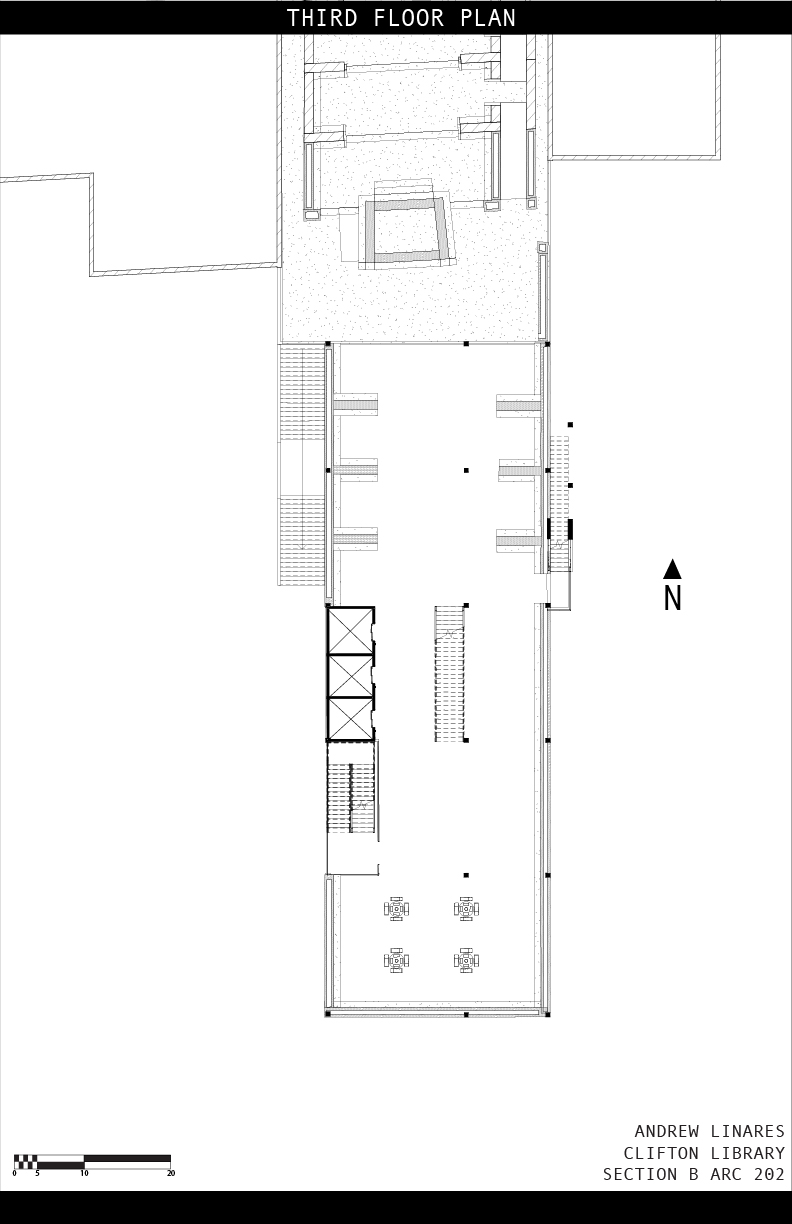
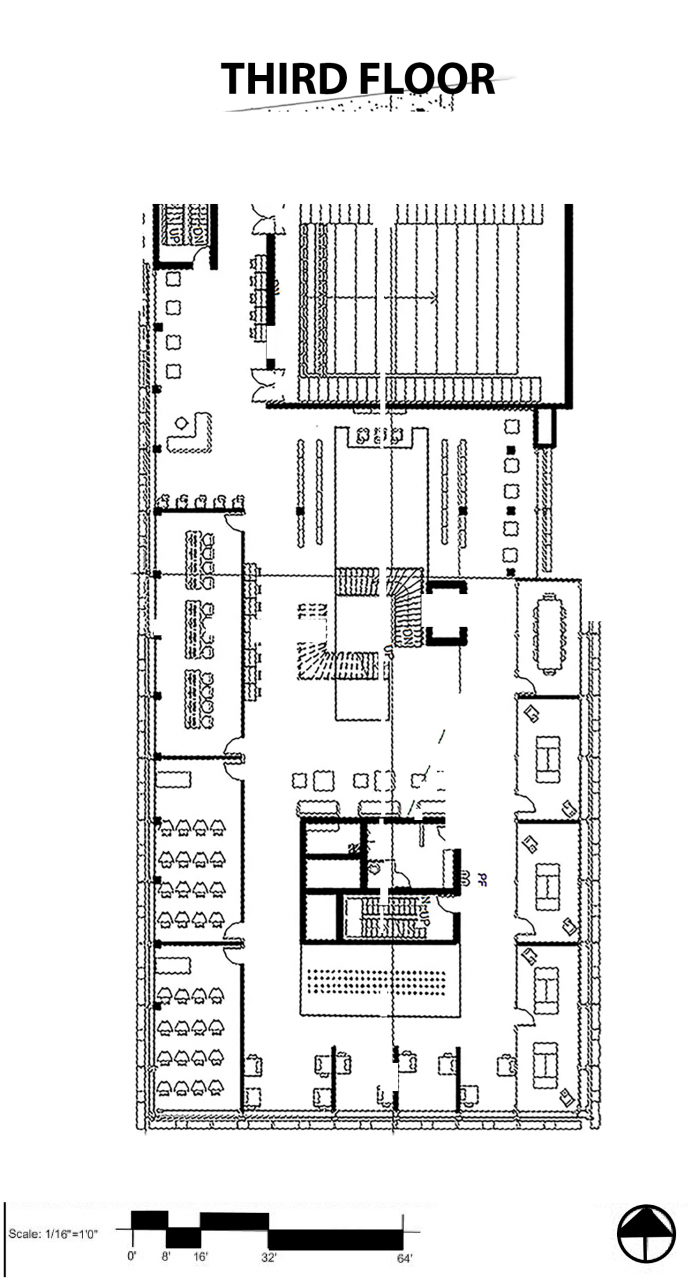
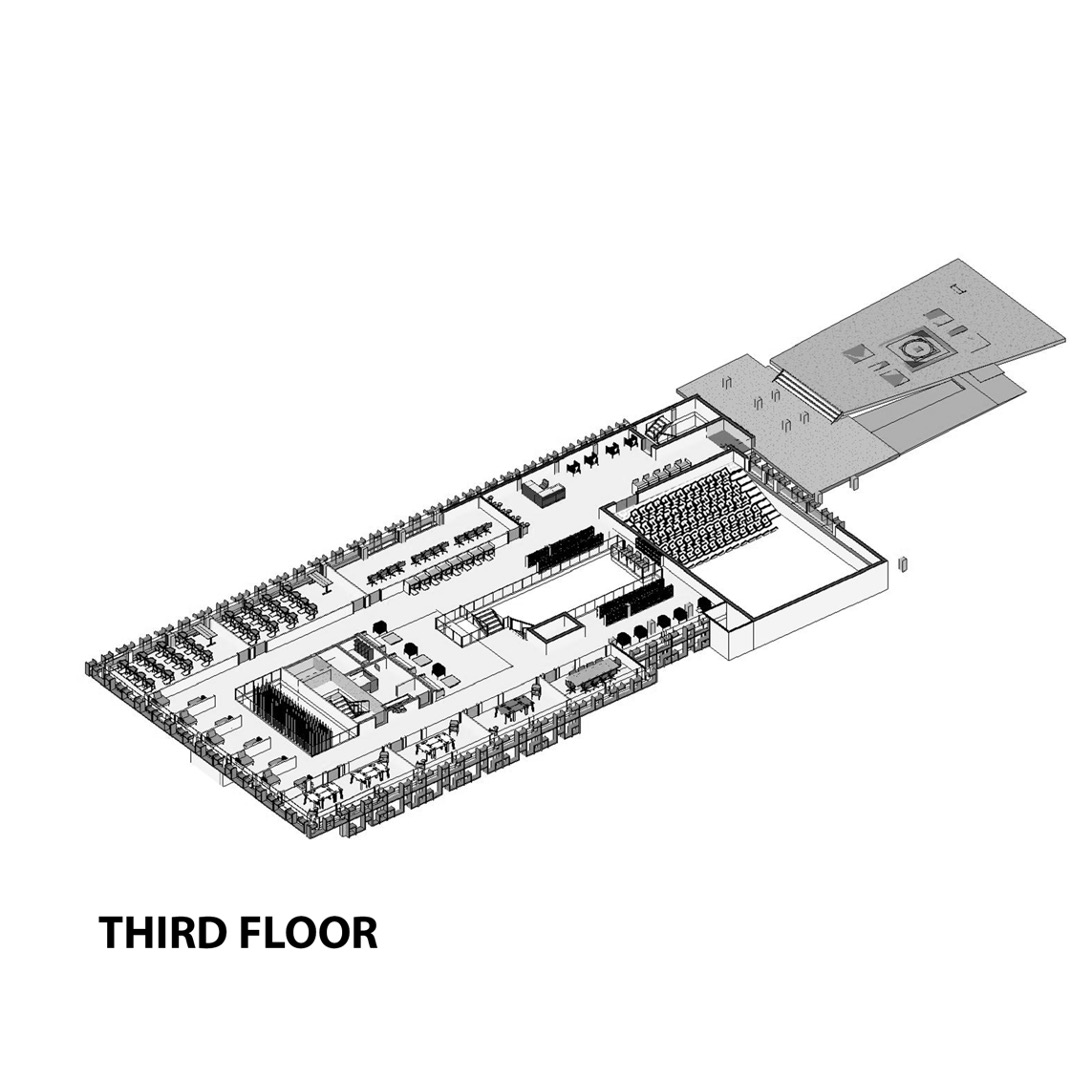
Third Floor
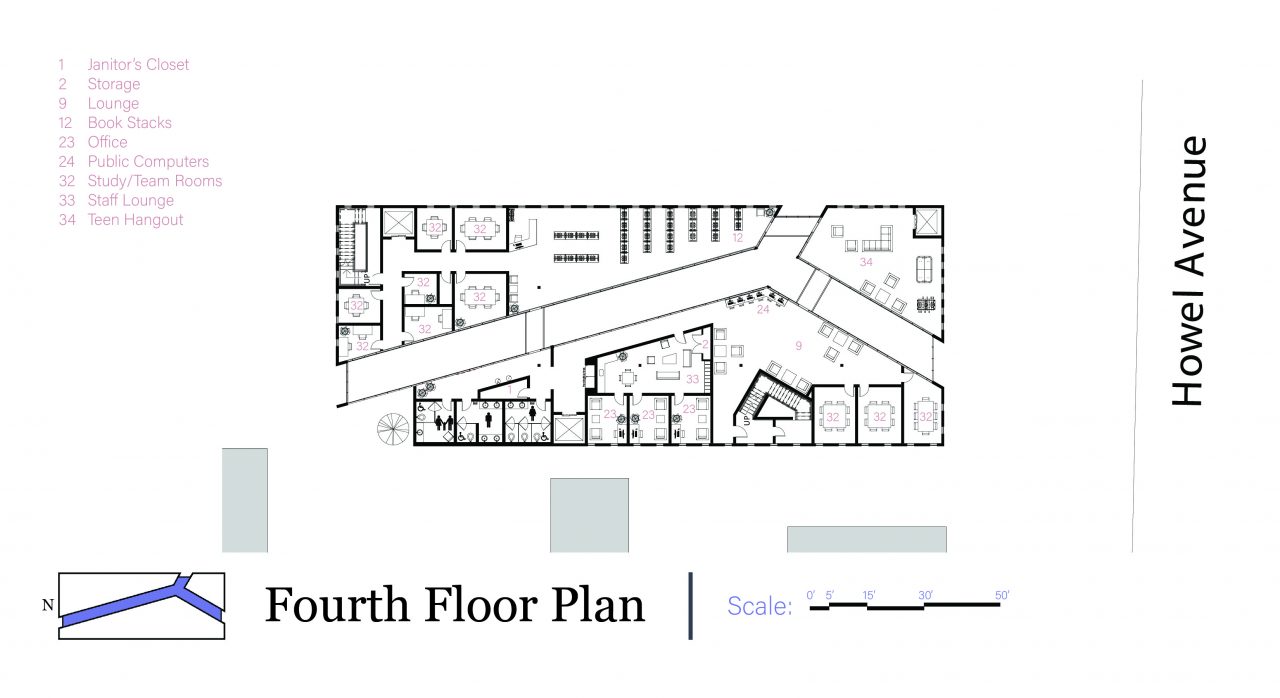
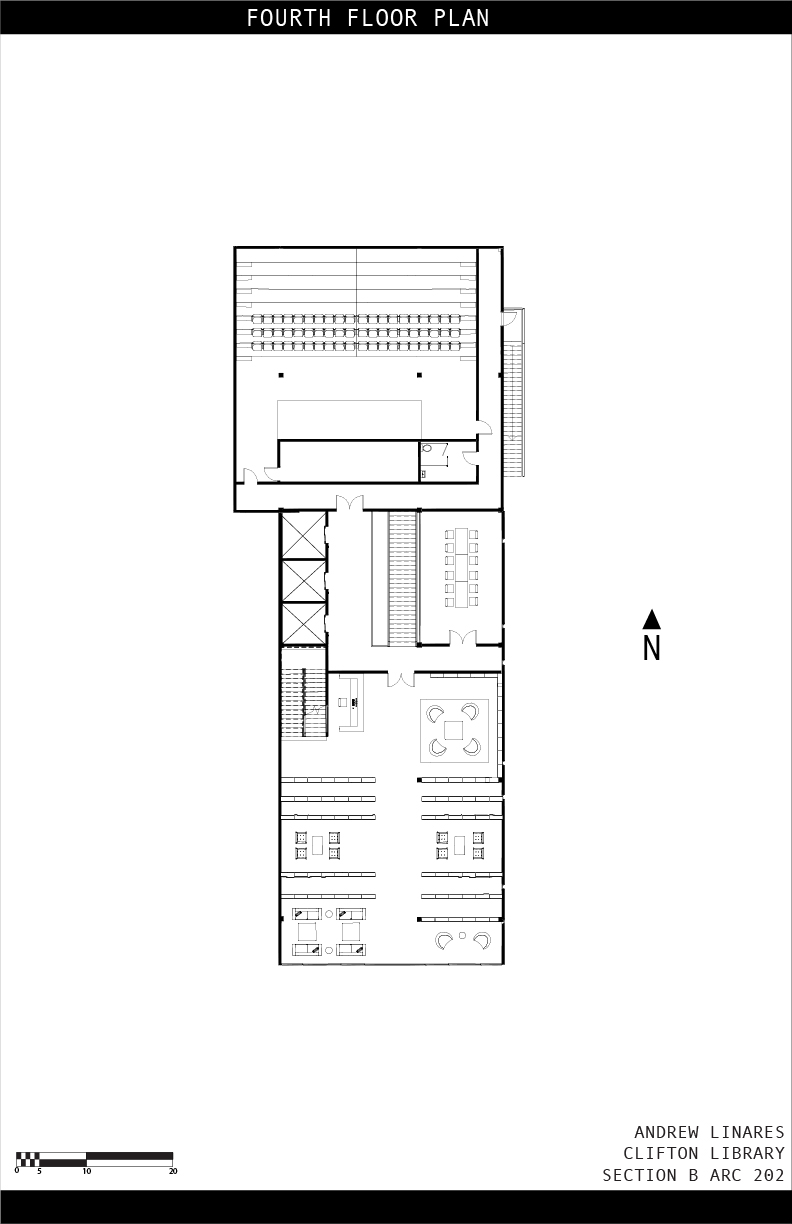
Fourth Floor
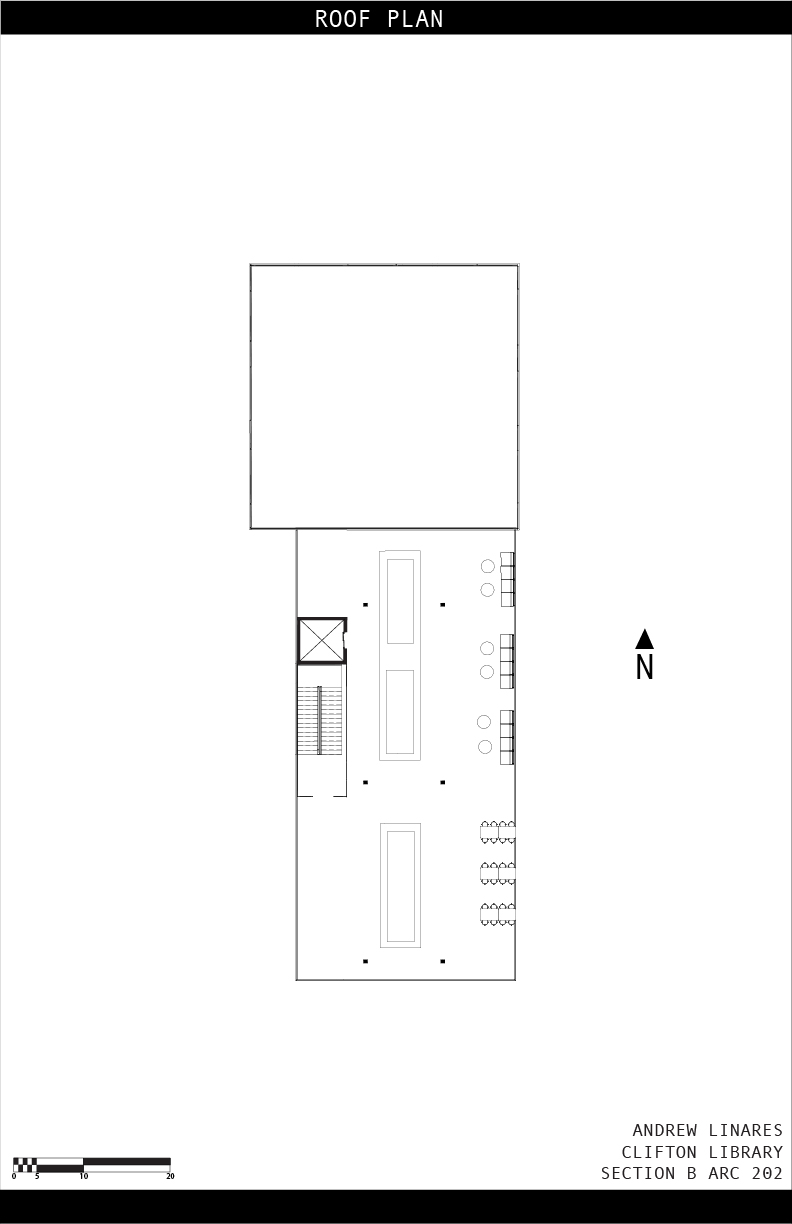
Roof Garden
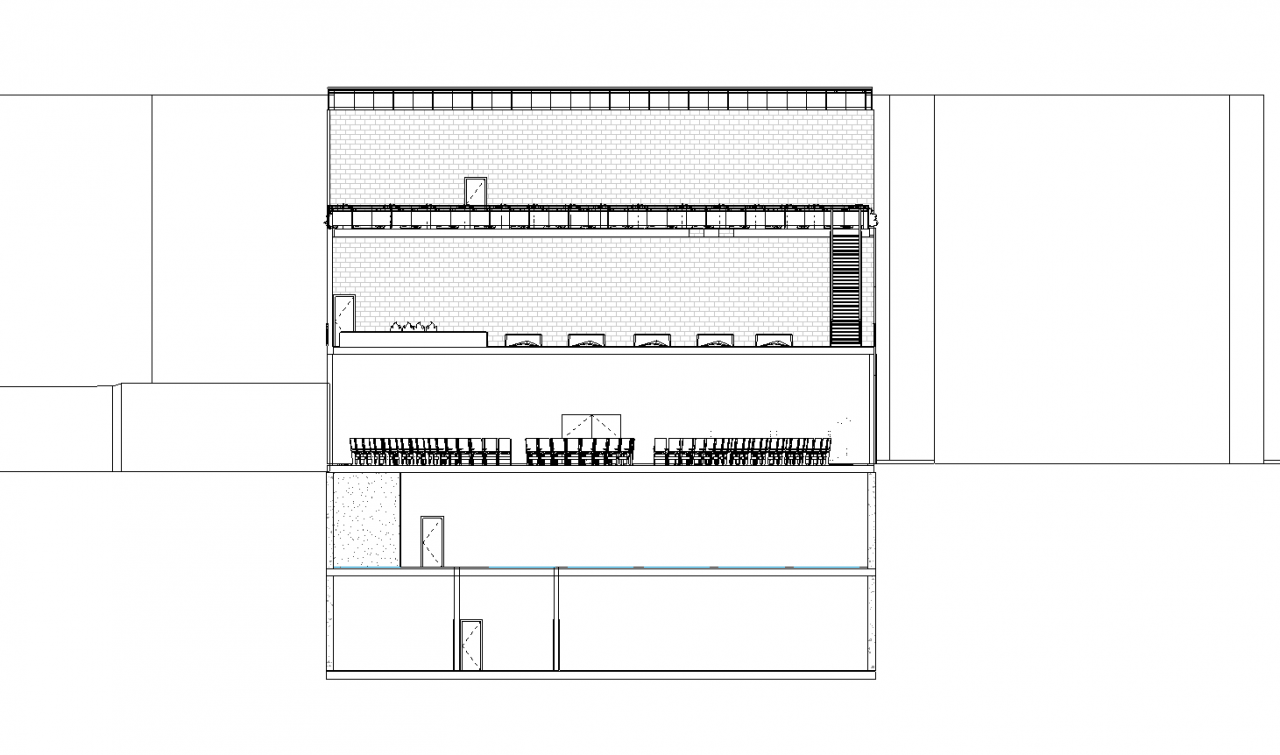
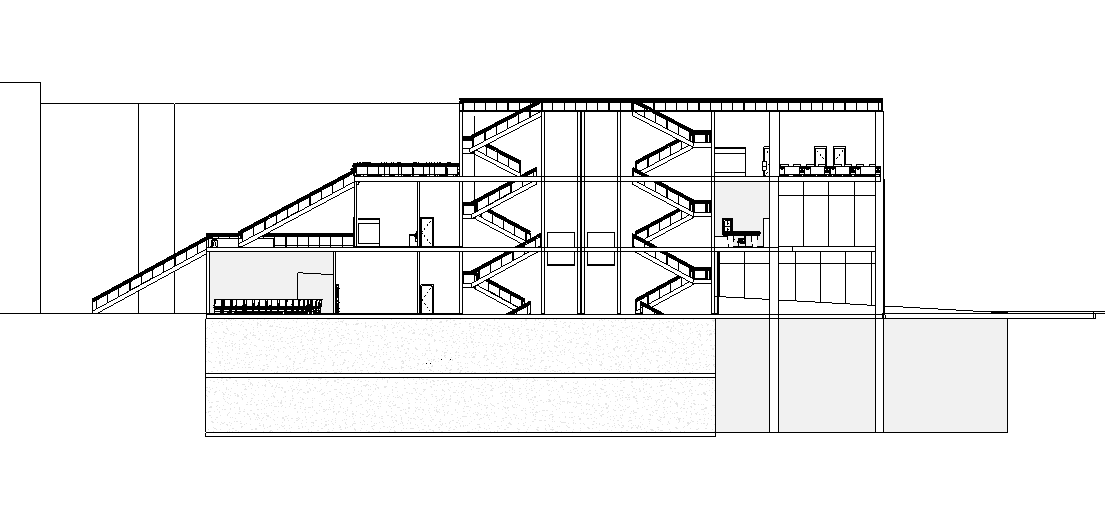
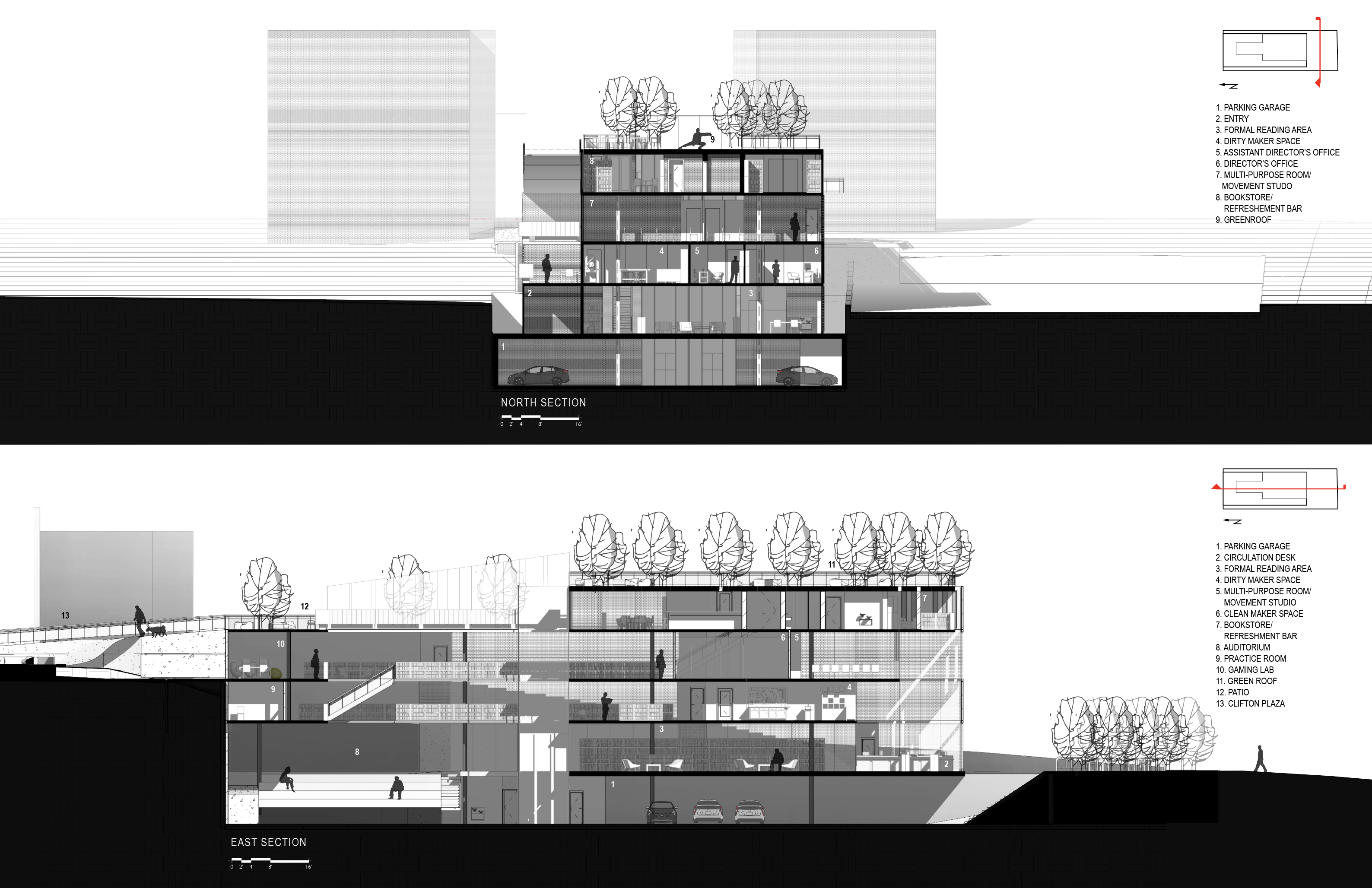
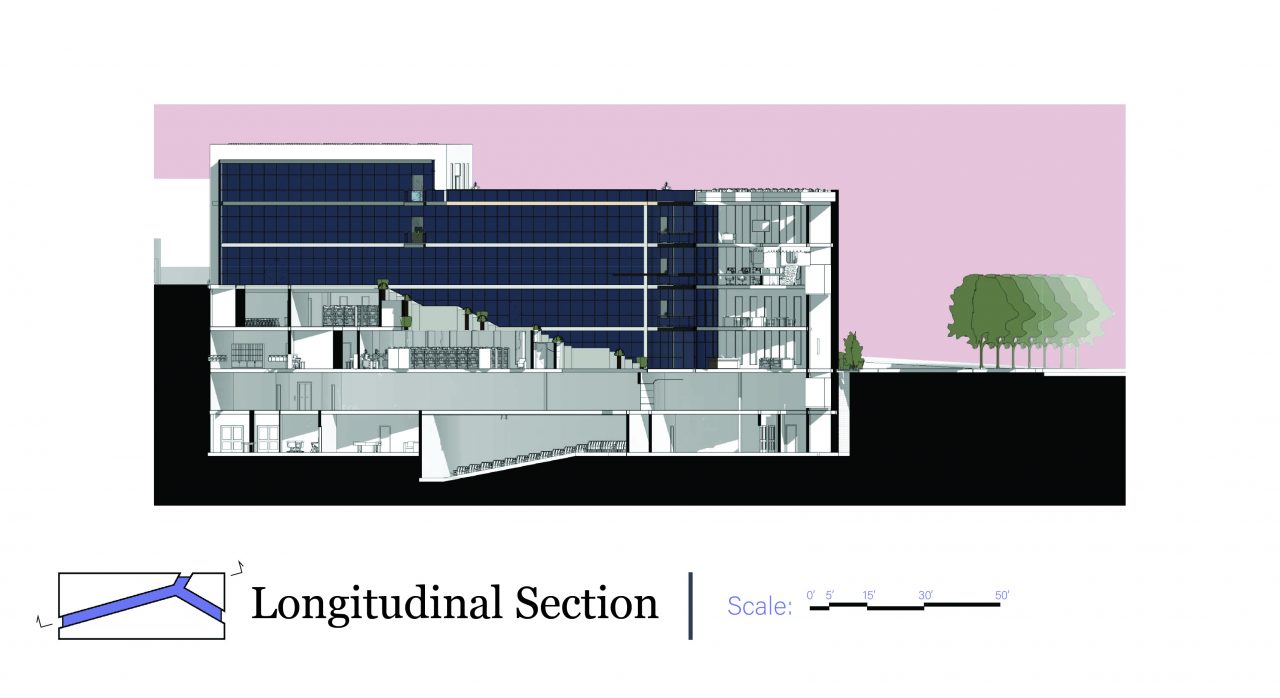
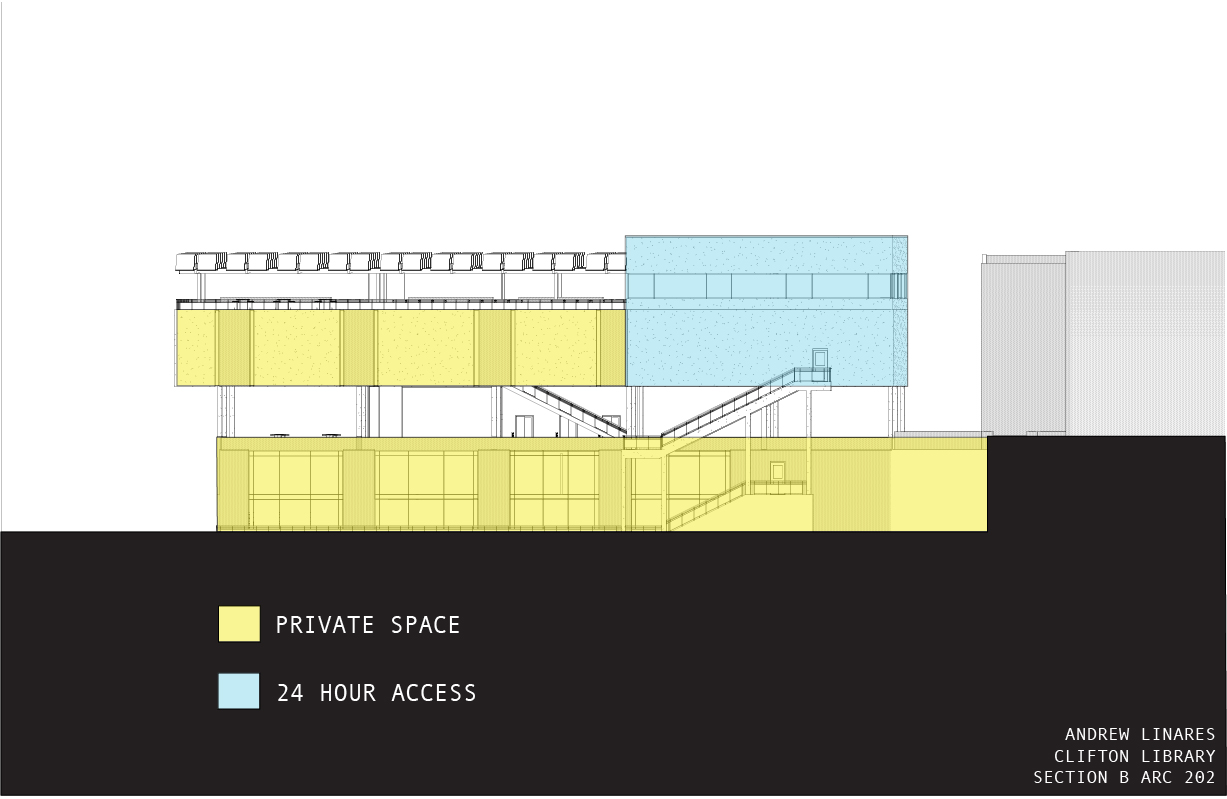
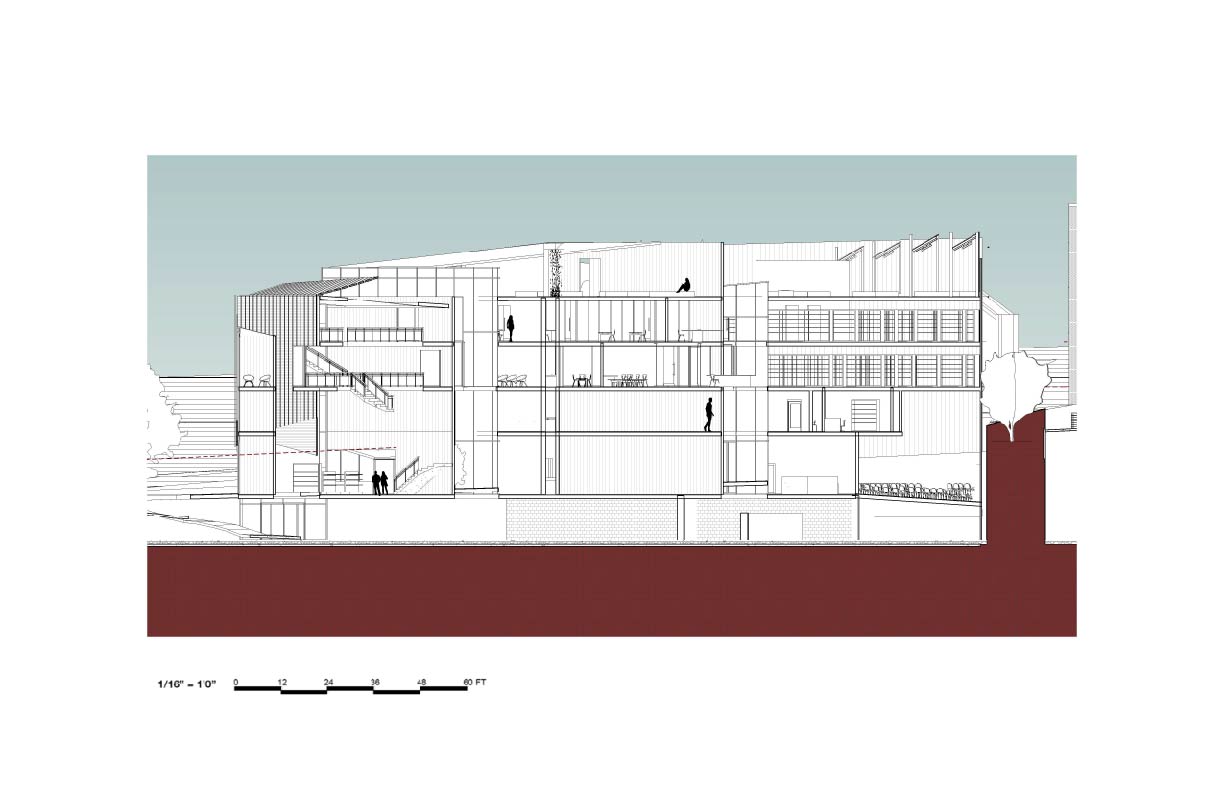
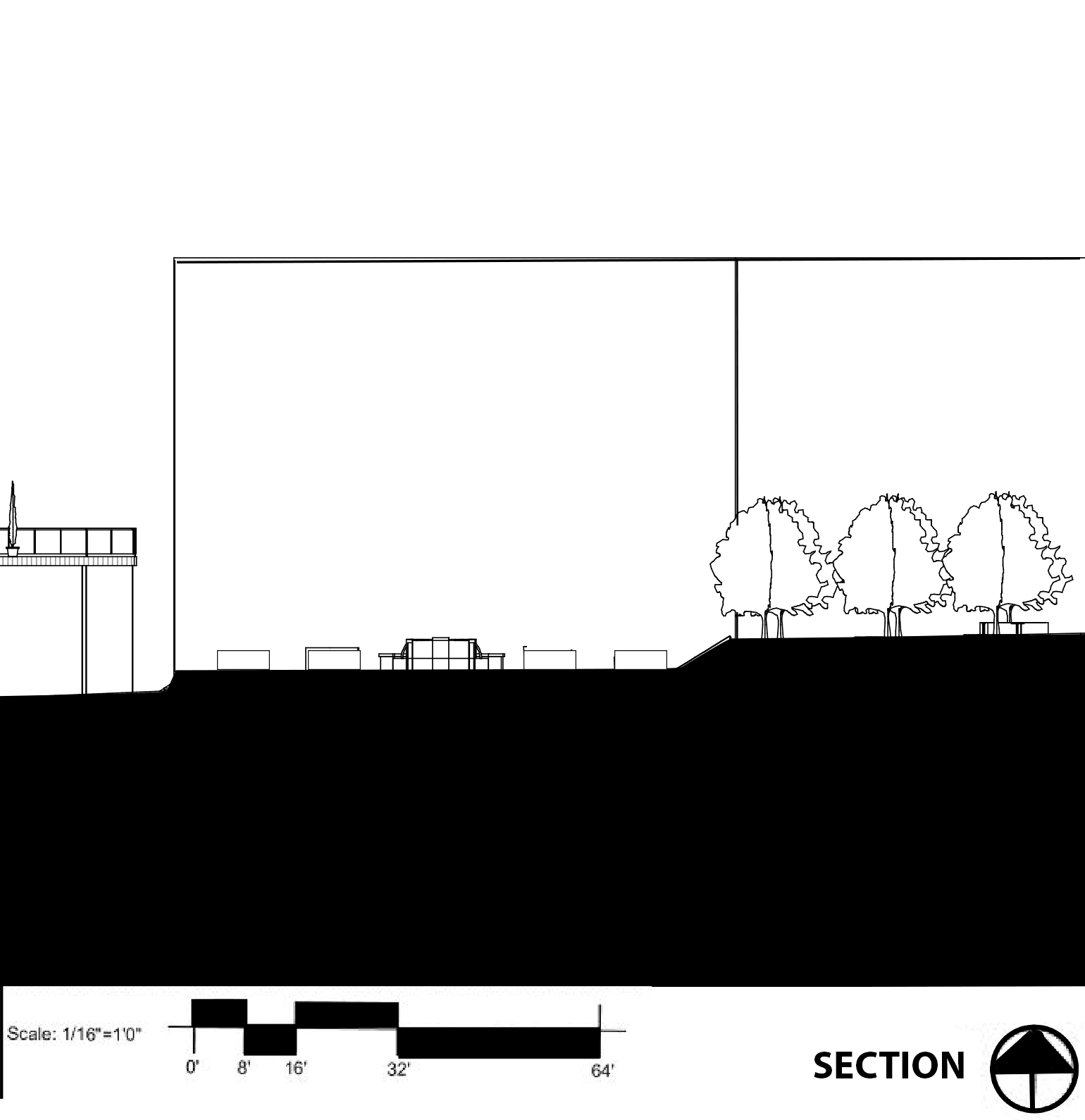
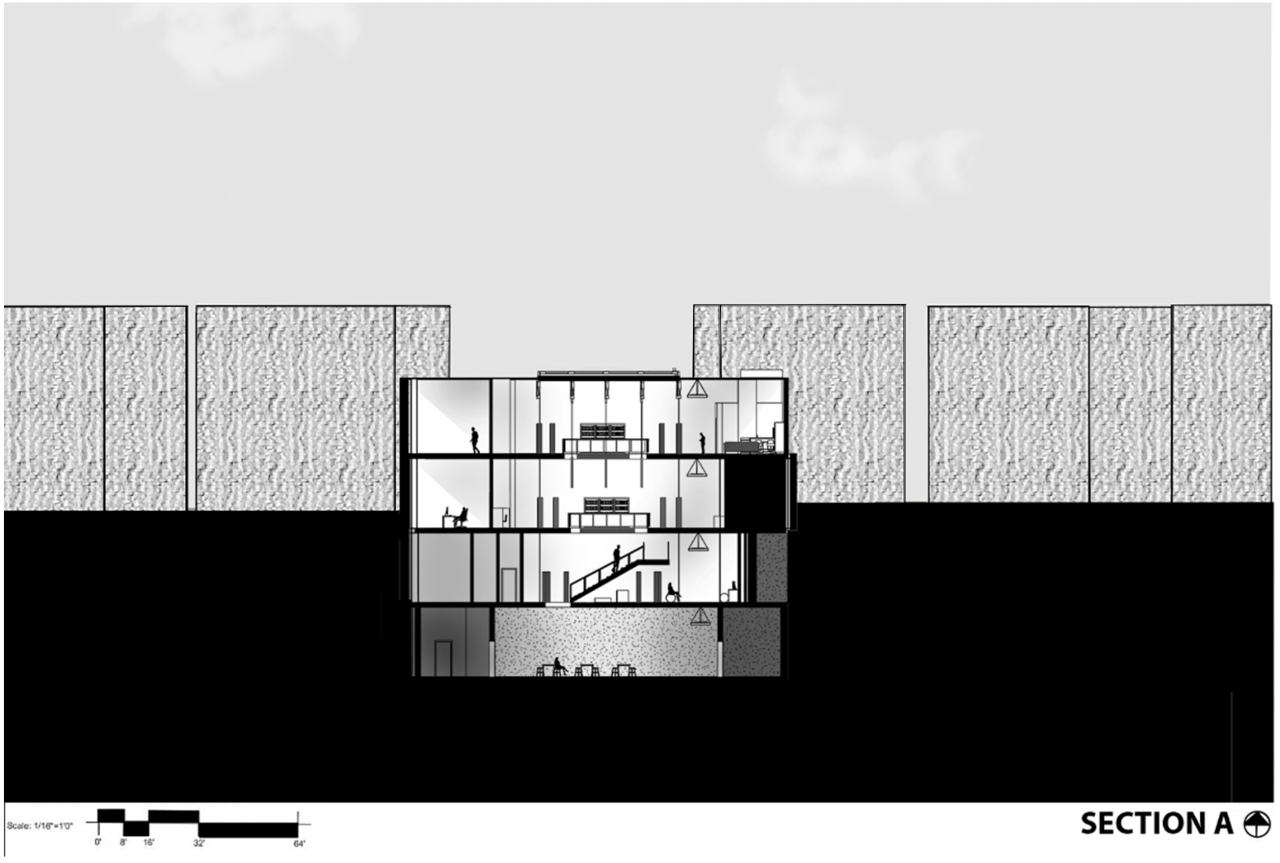
Sections
East-West SectionNorth-South Section
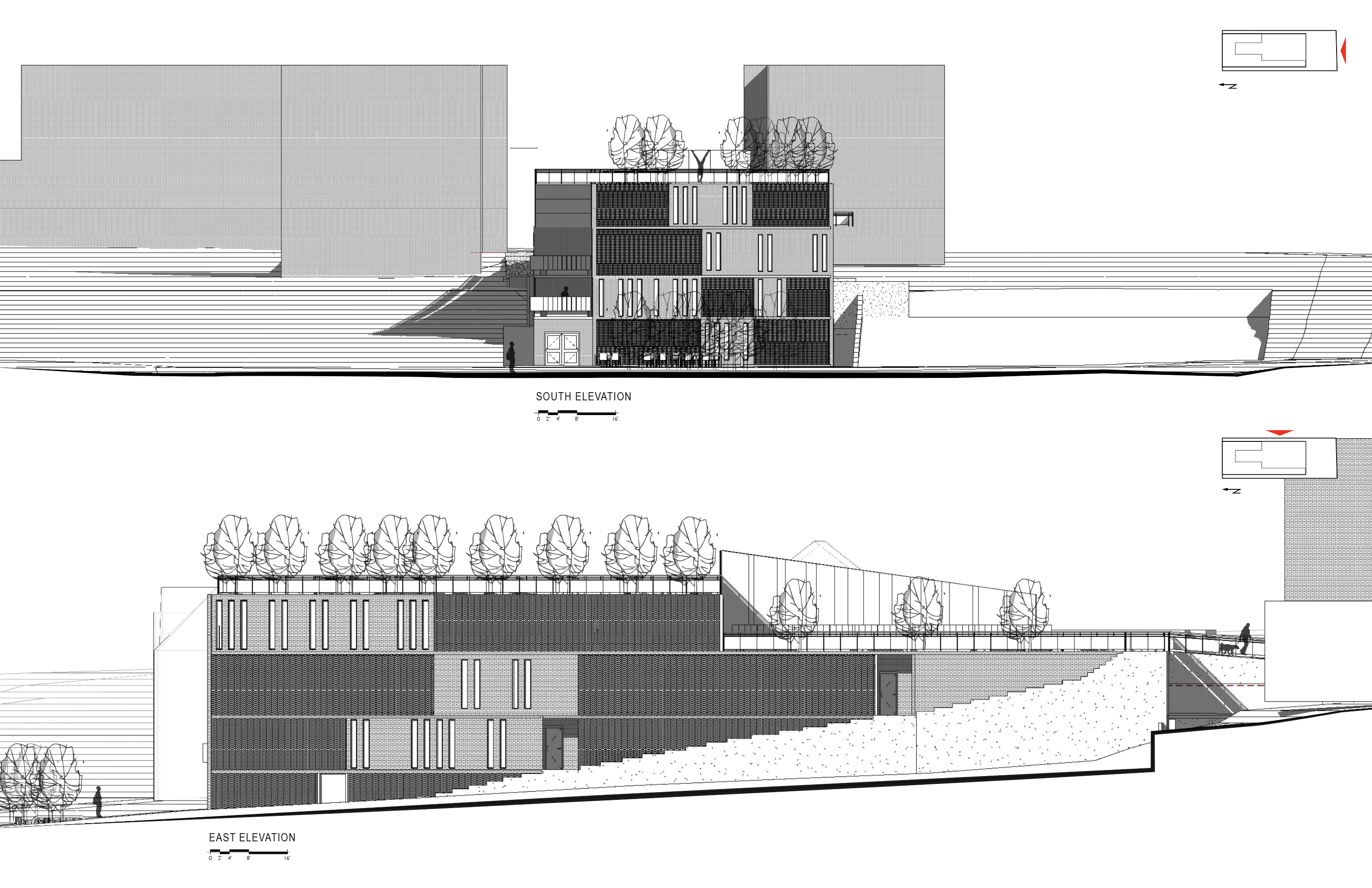
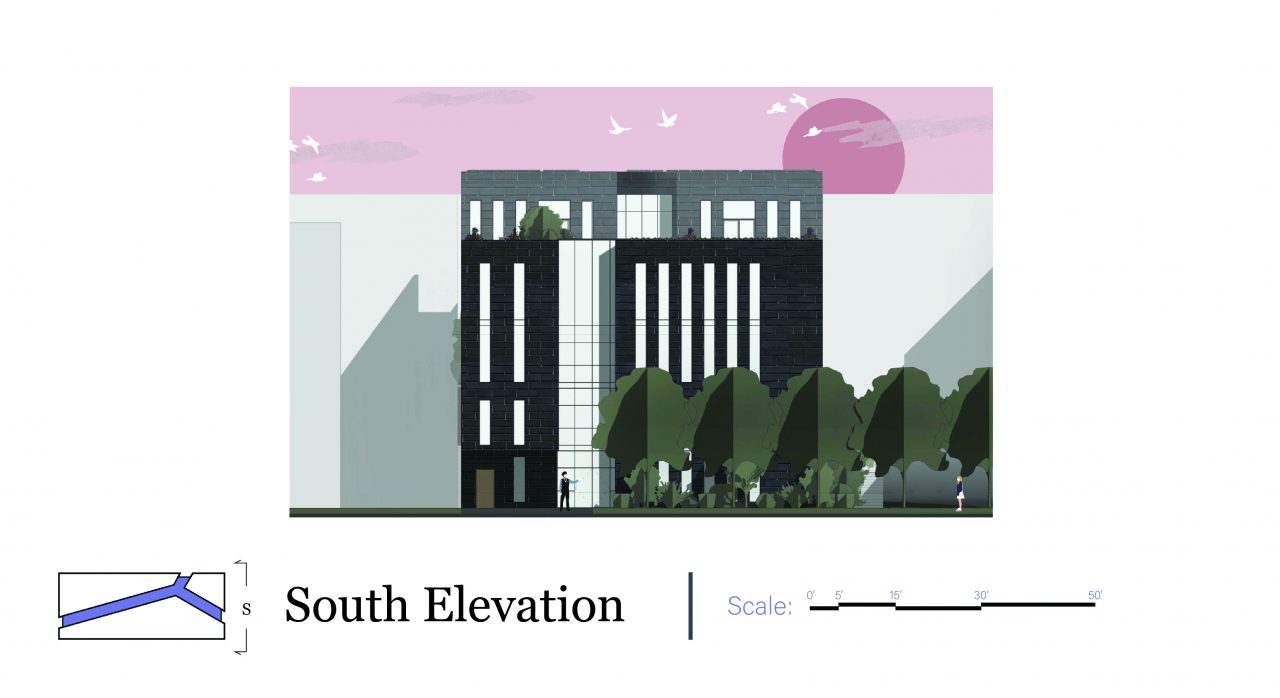
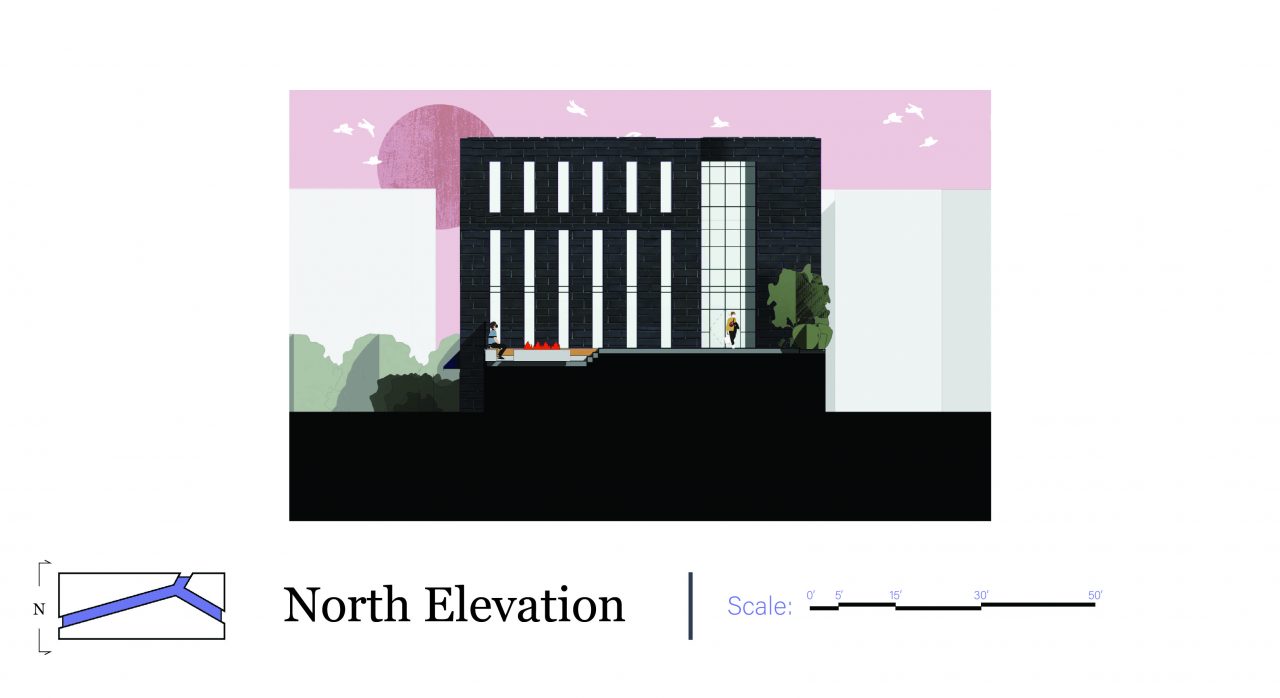
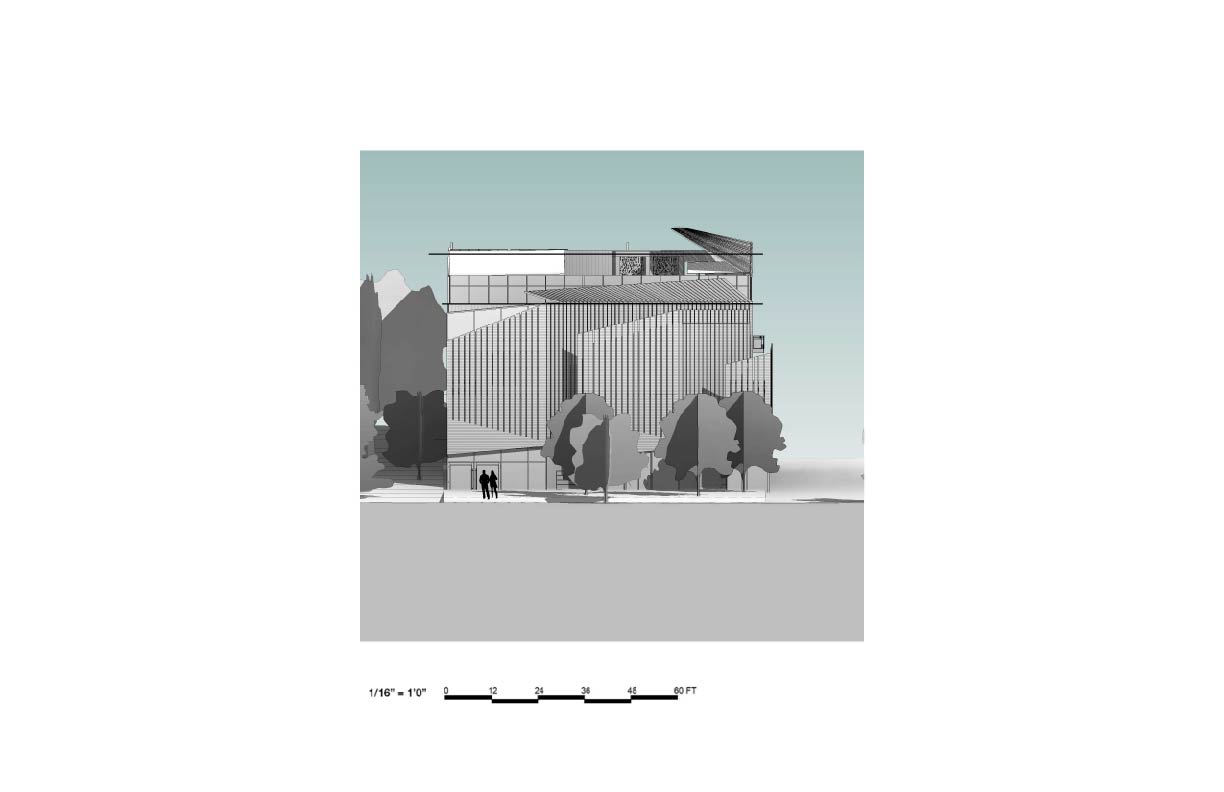
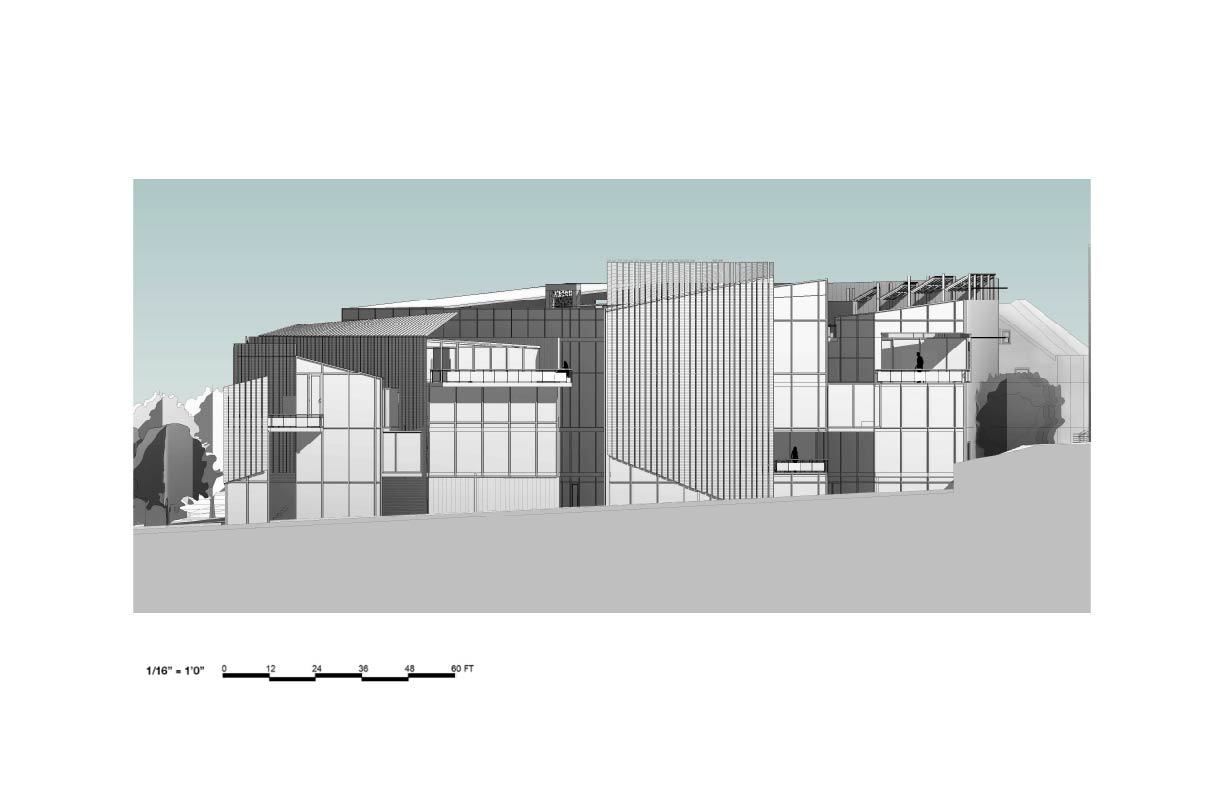
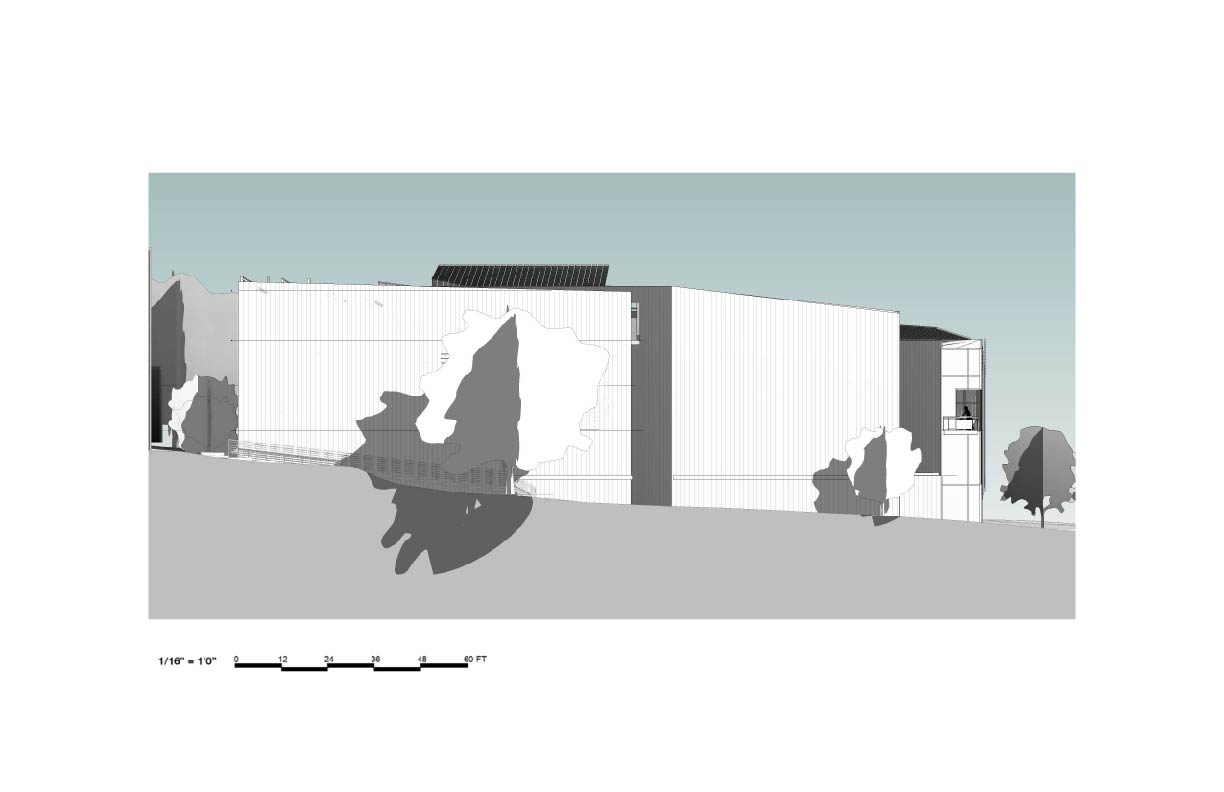
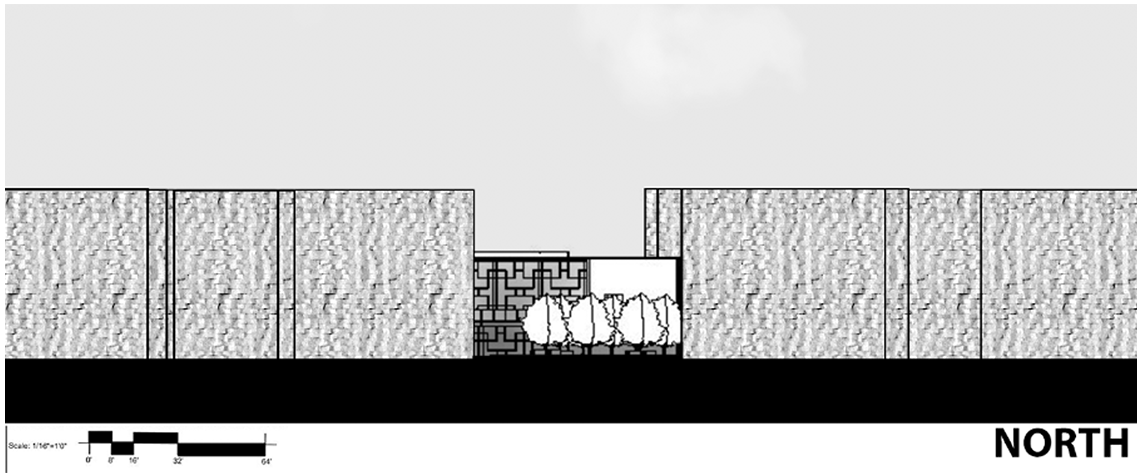
Elevations
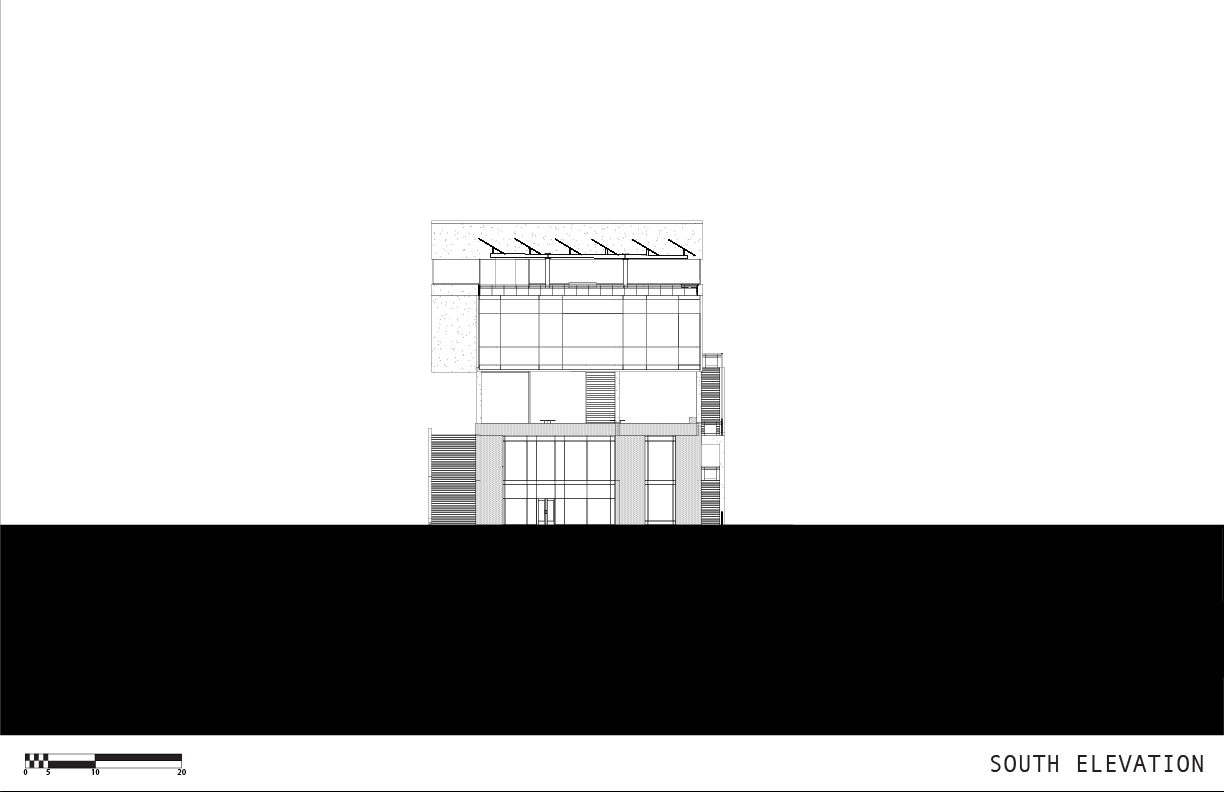
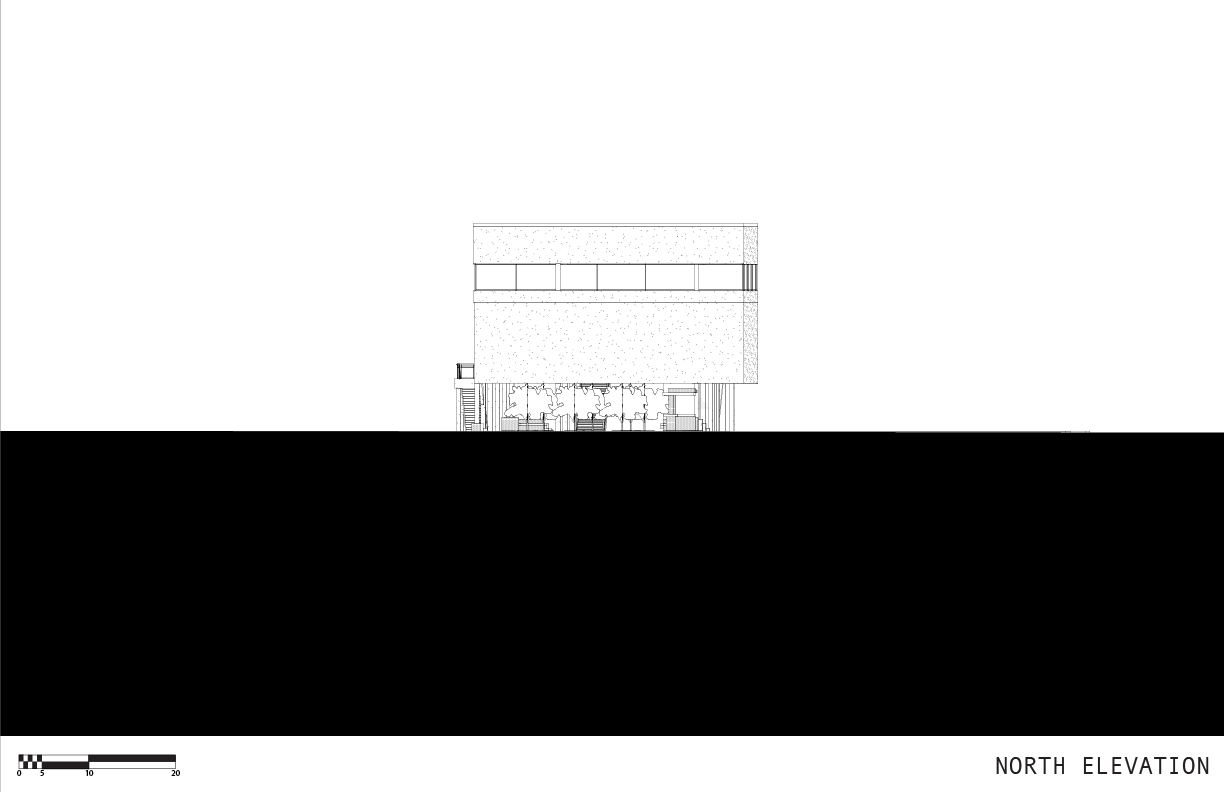
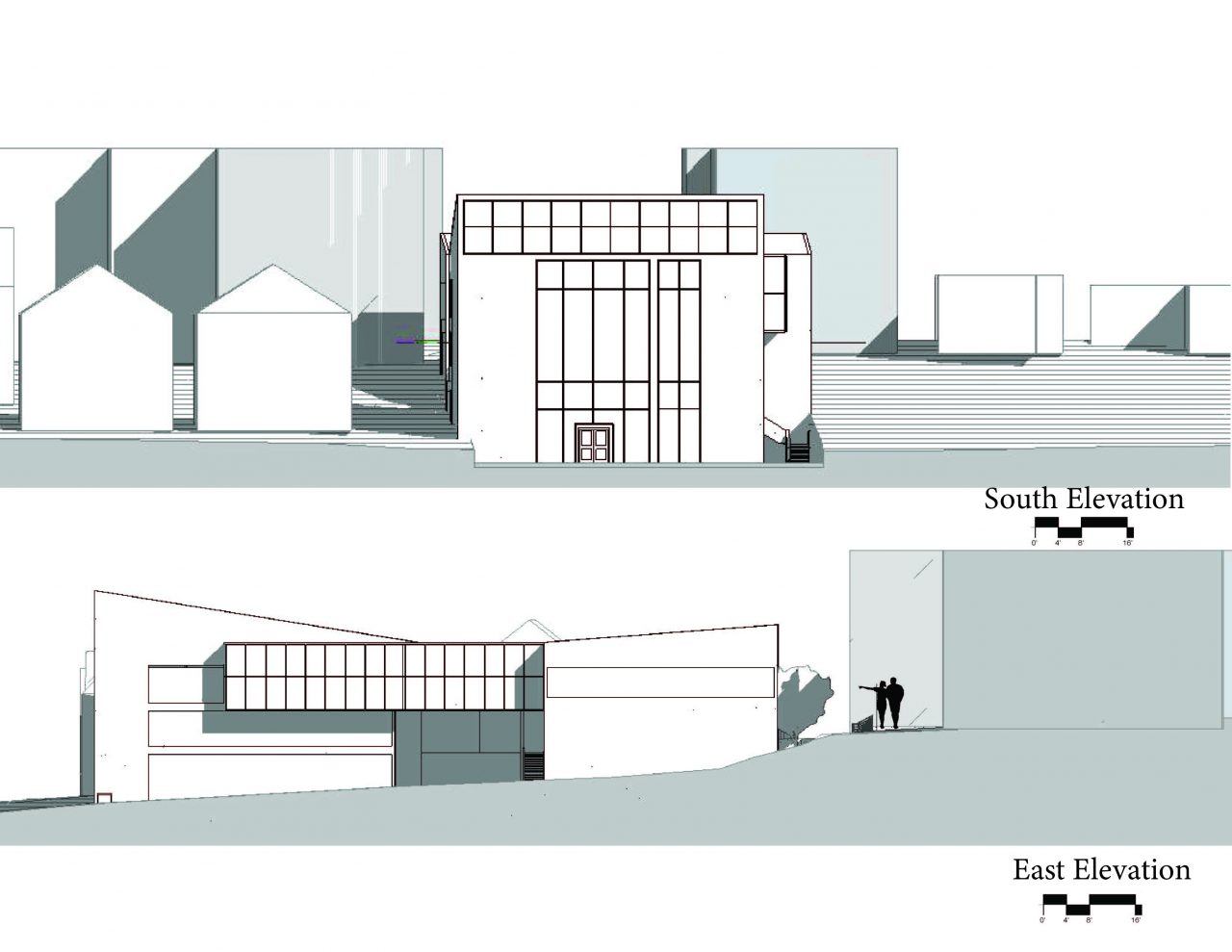
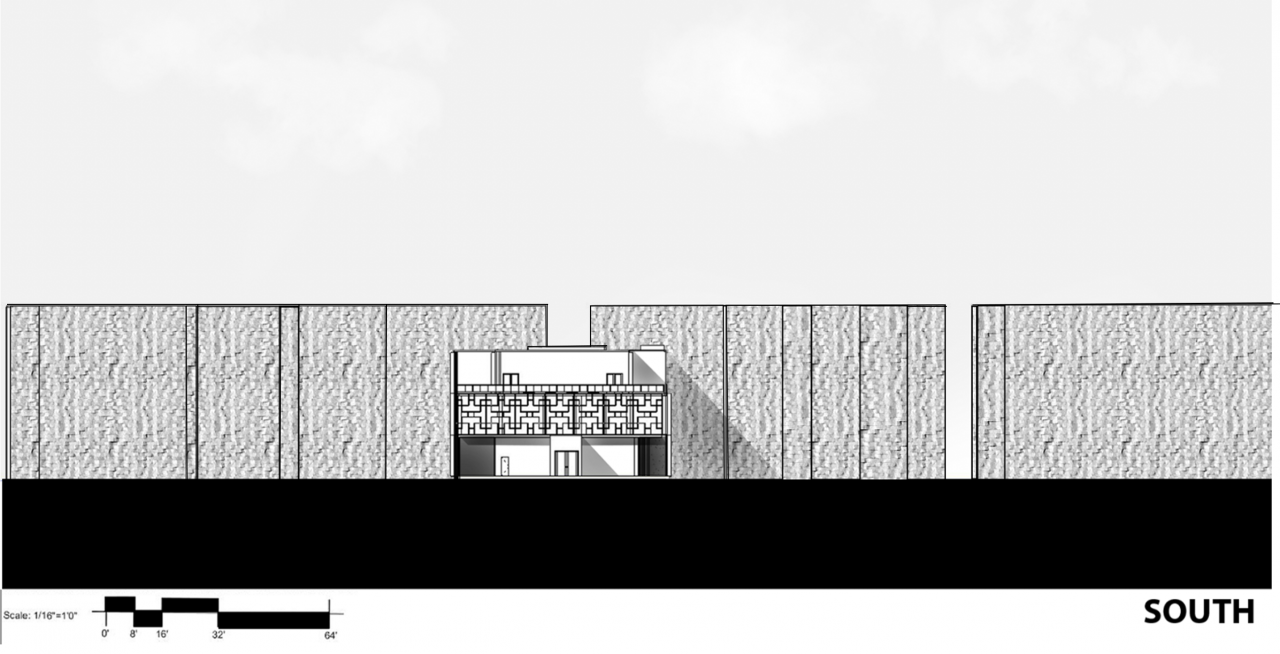
South Elevation
North Elevation
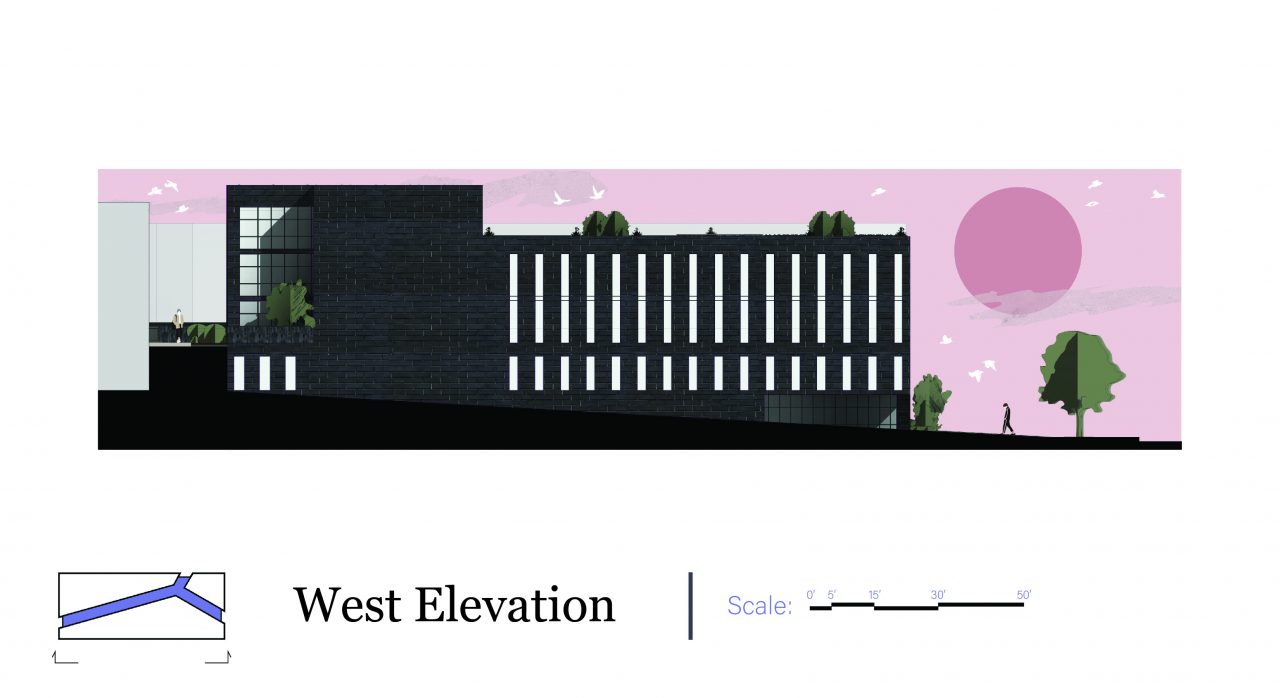
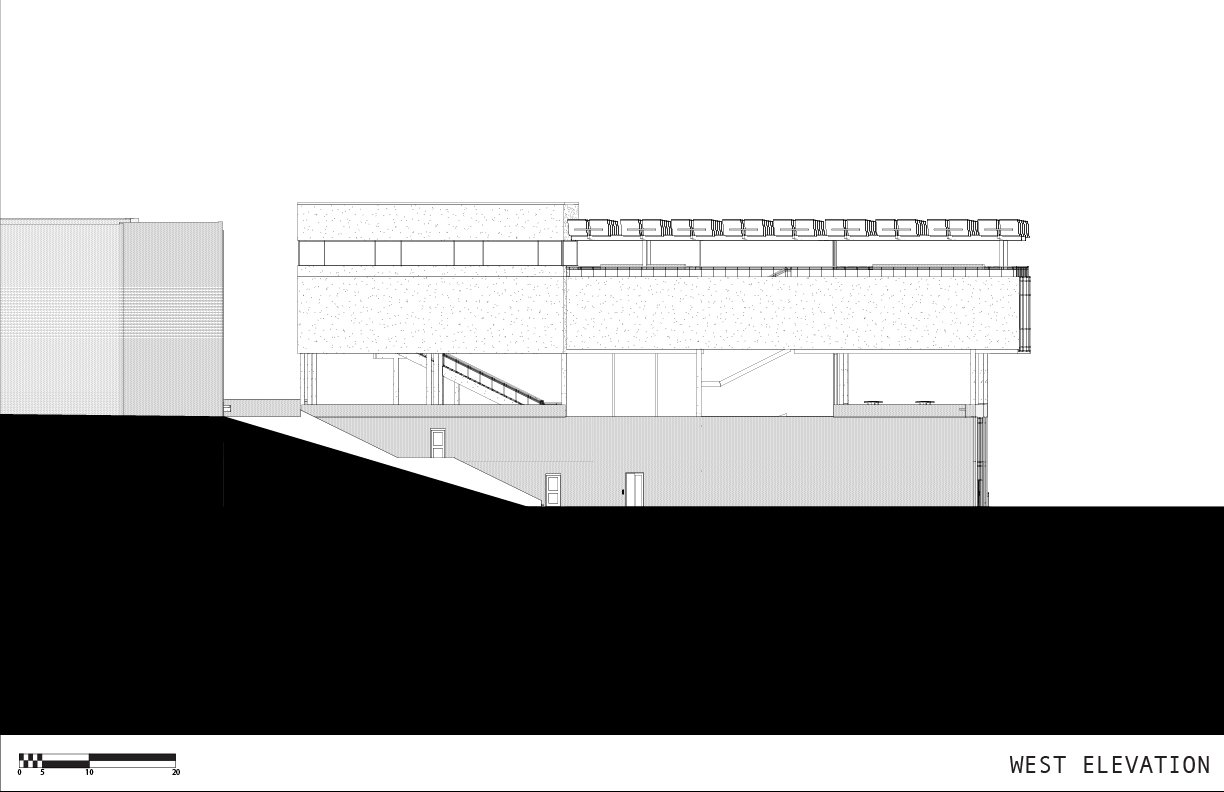
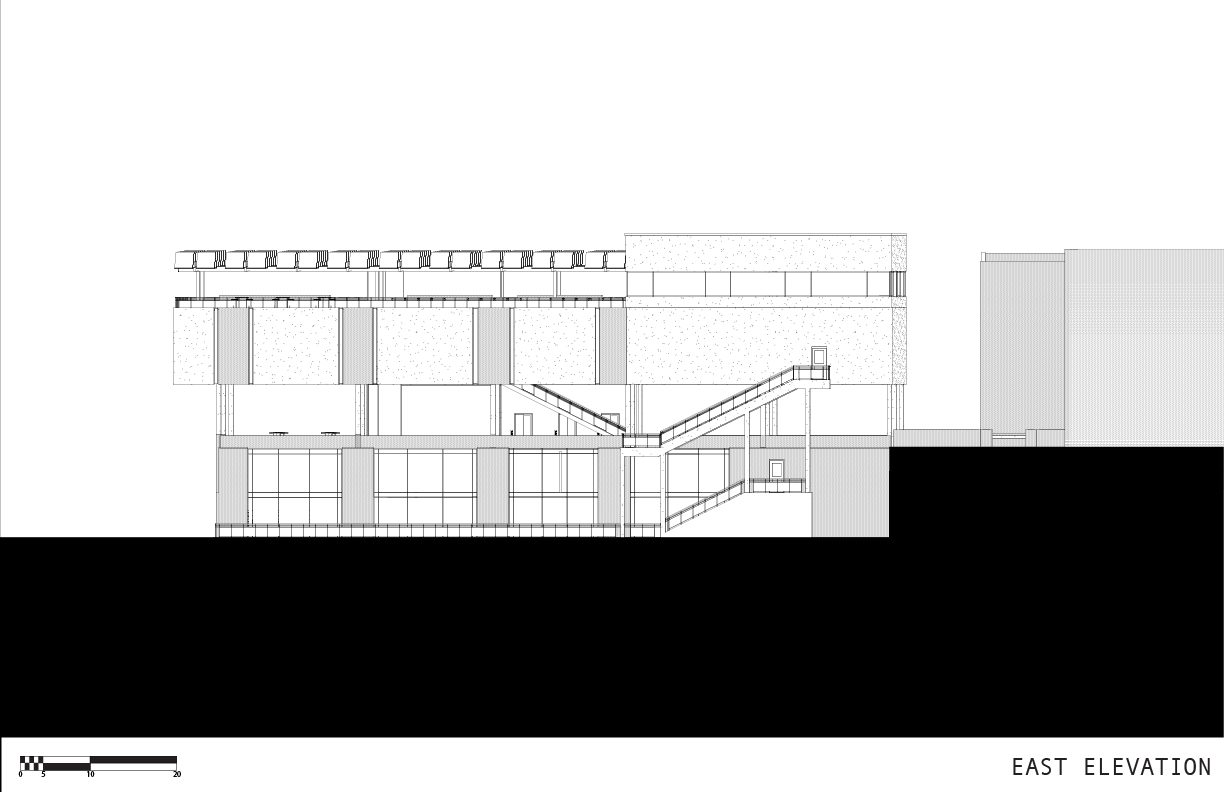
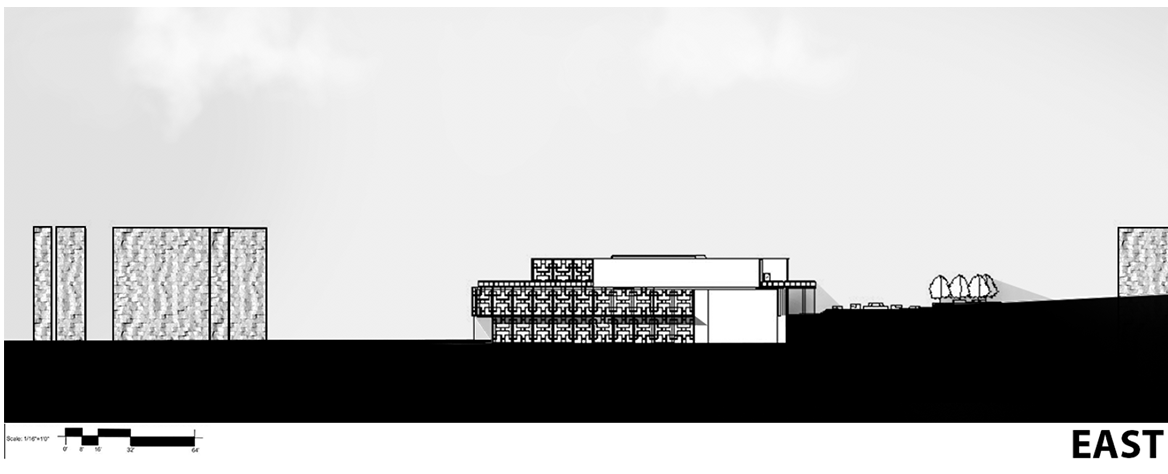
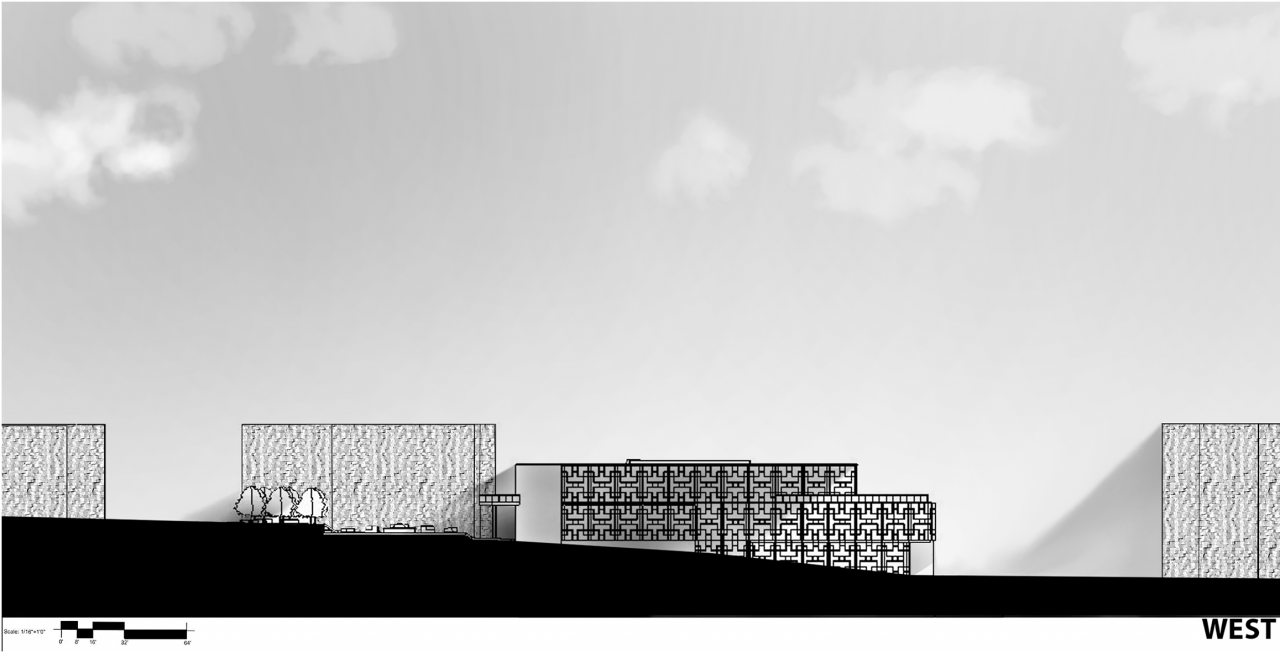
East ElevationWest Elevation
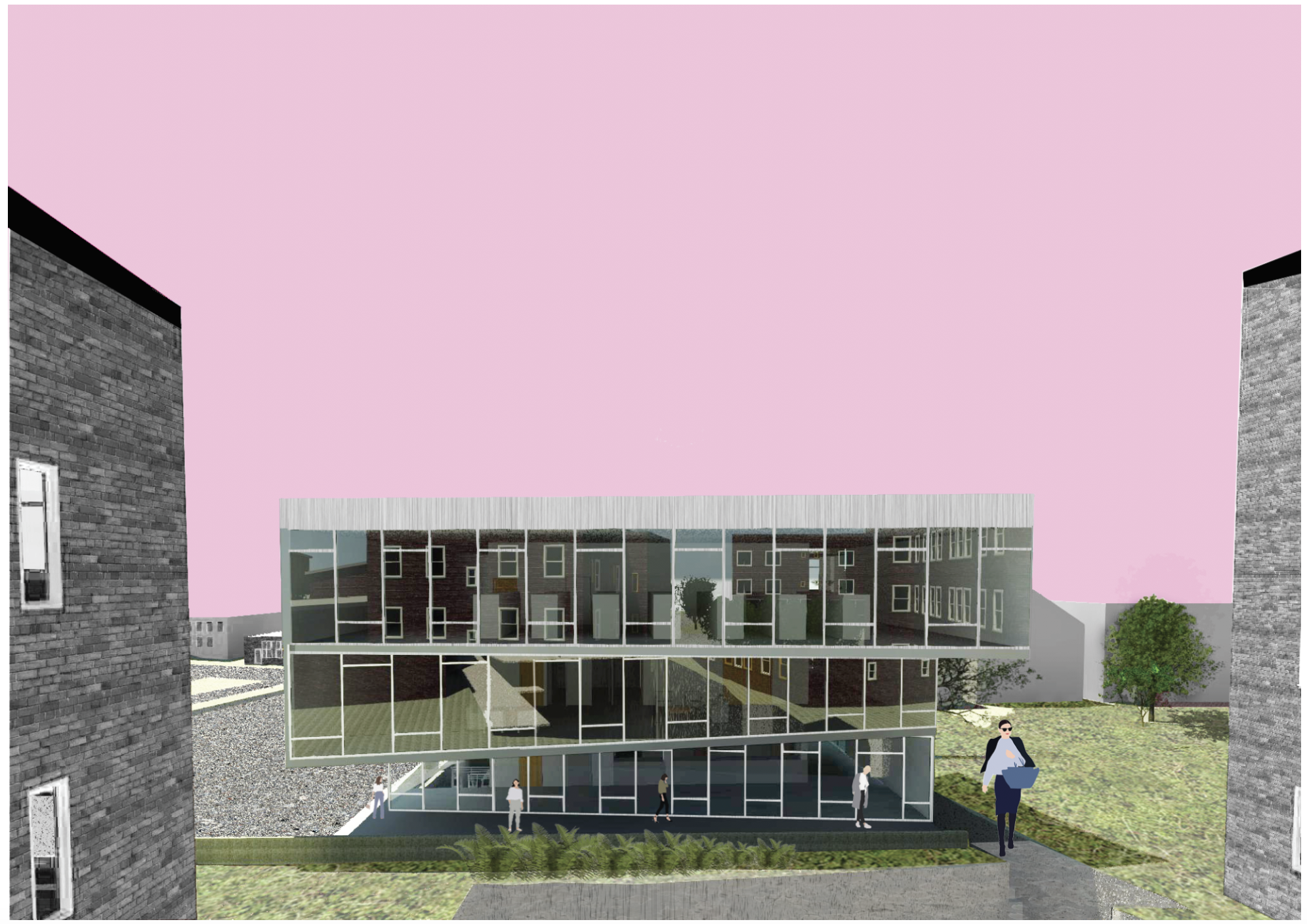
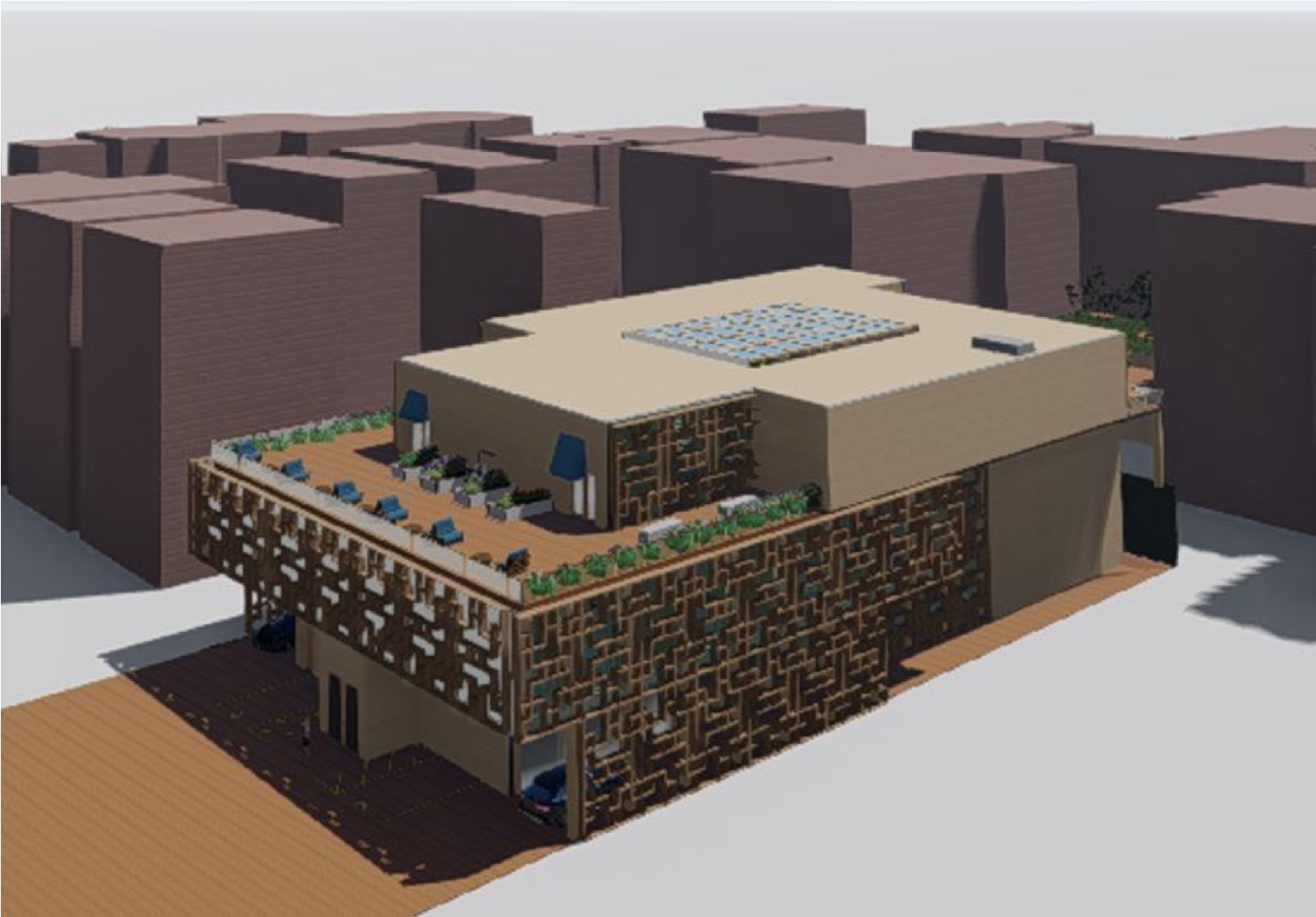
Exterior Perspectives
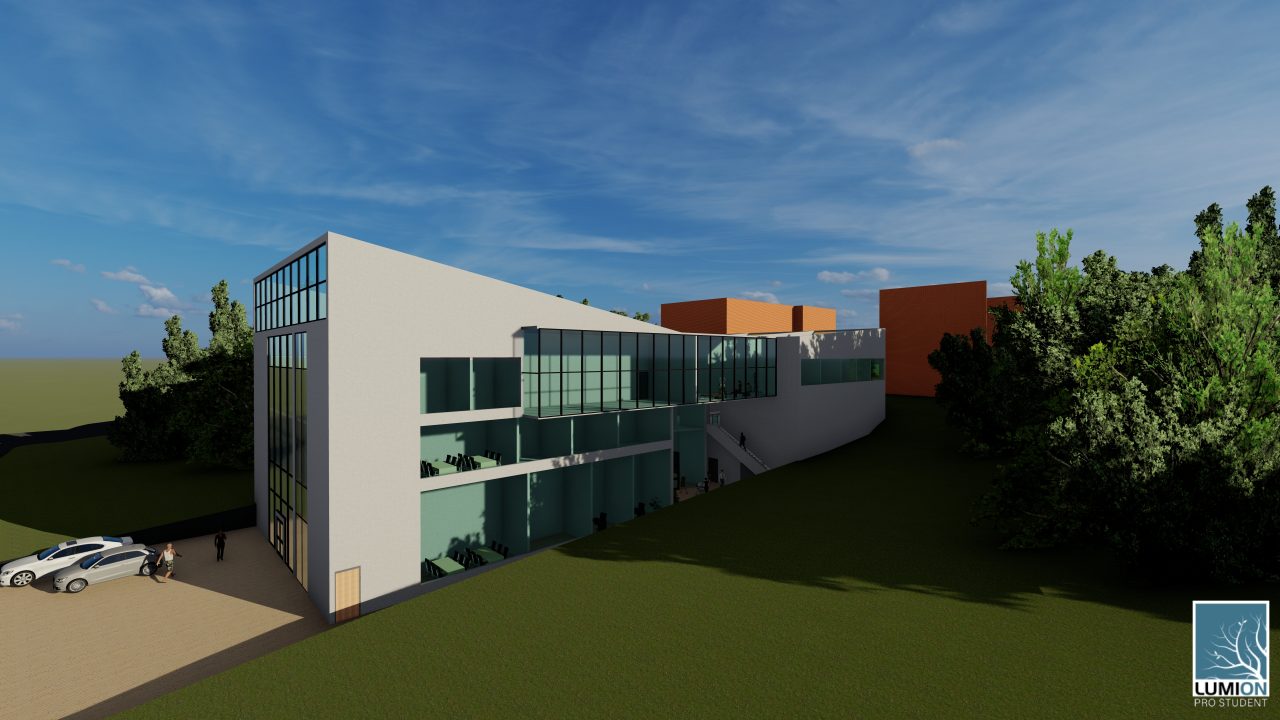
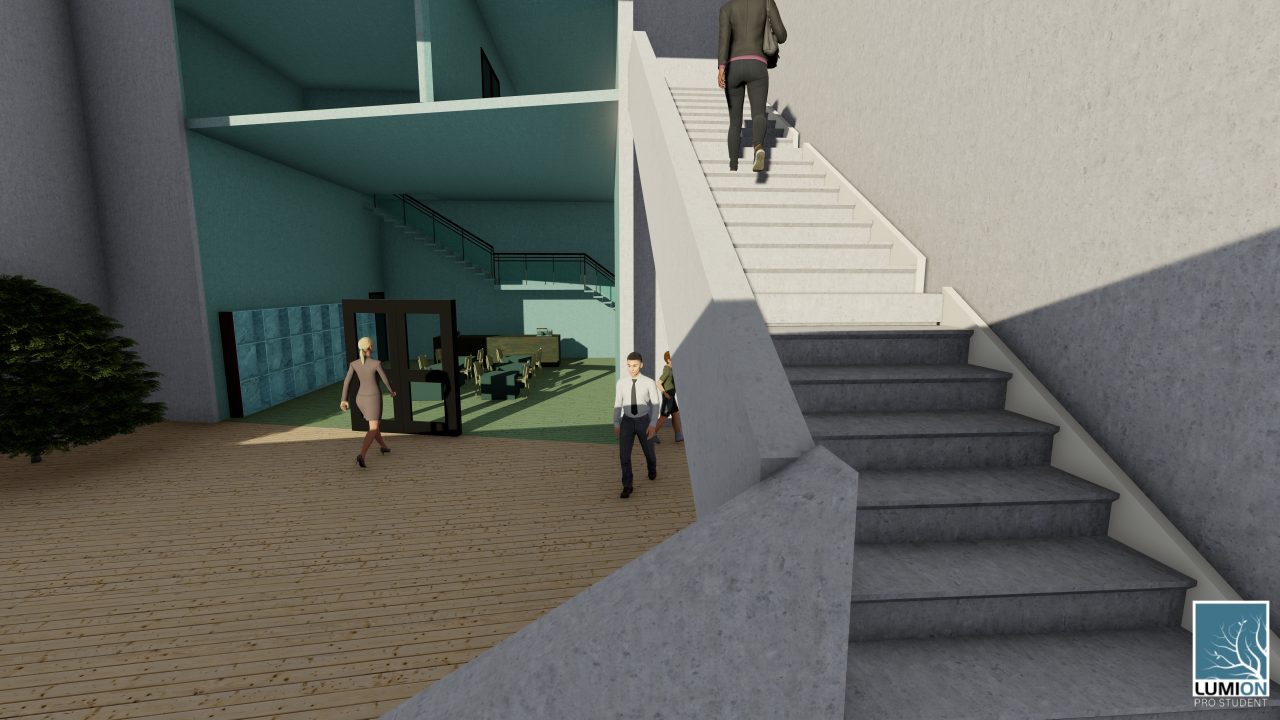
View from Howell StreetView from Howell StreetView from Ludlow Street
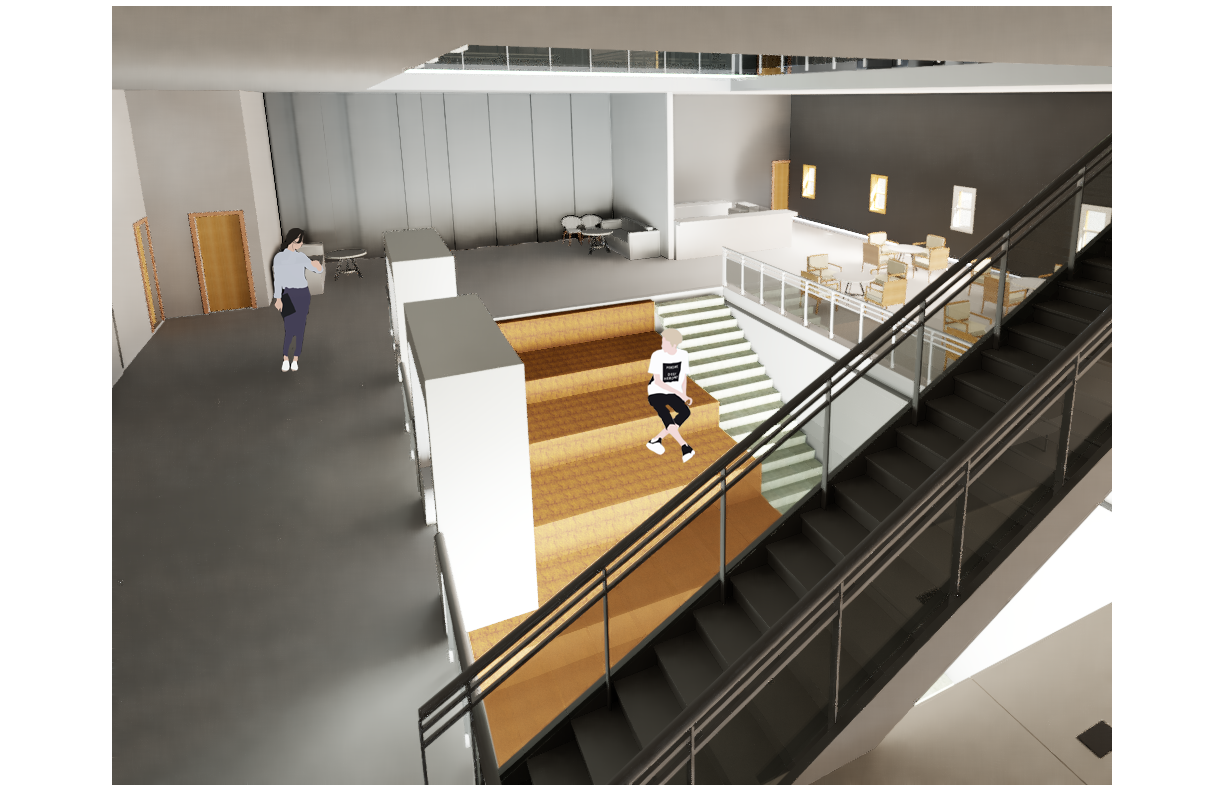
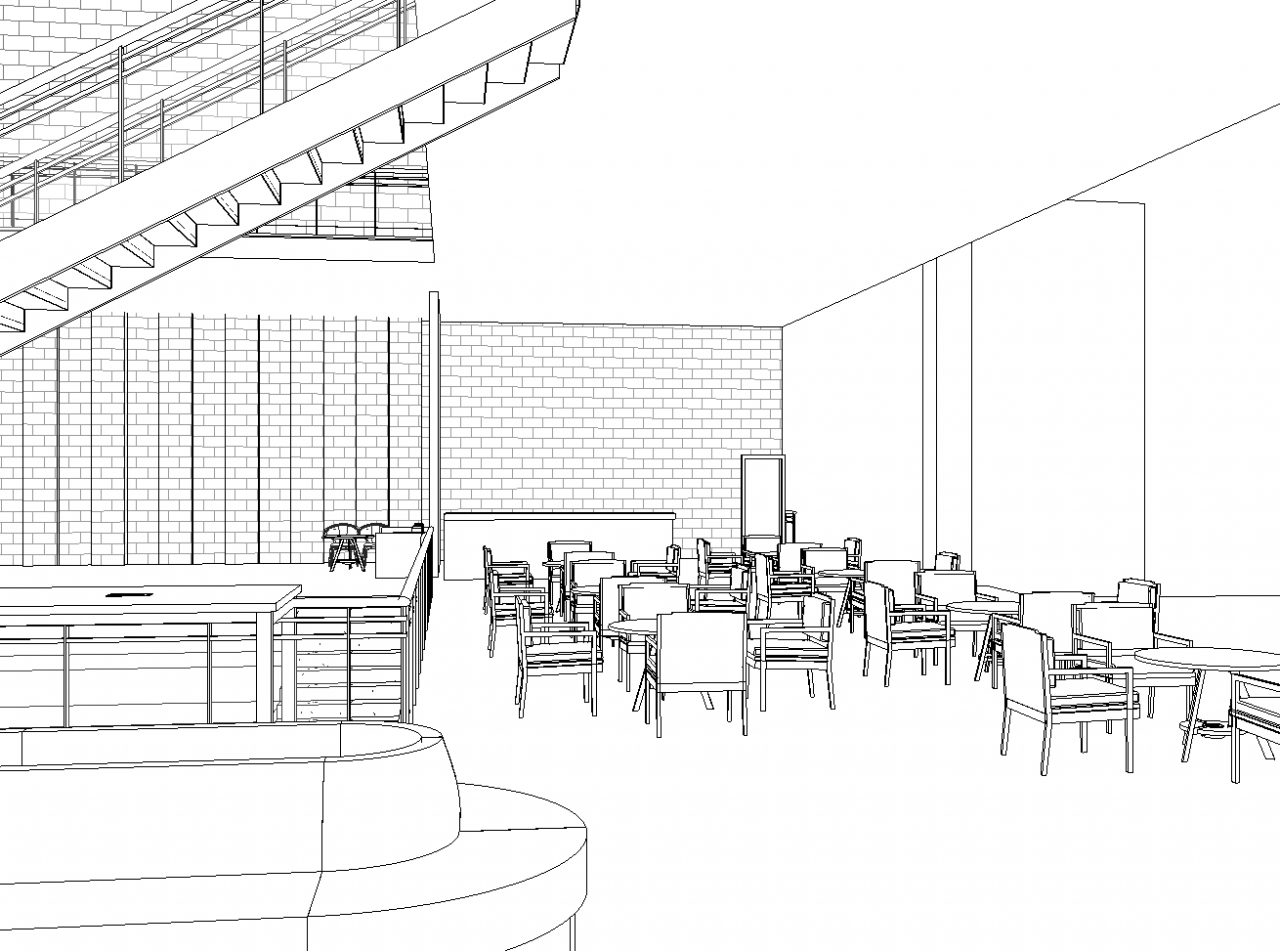
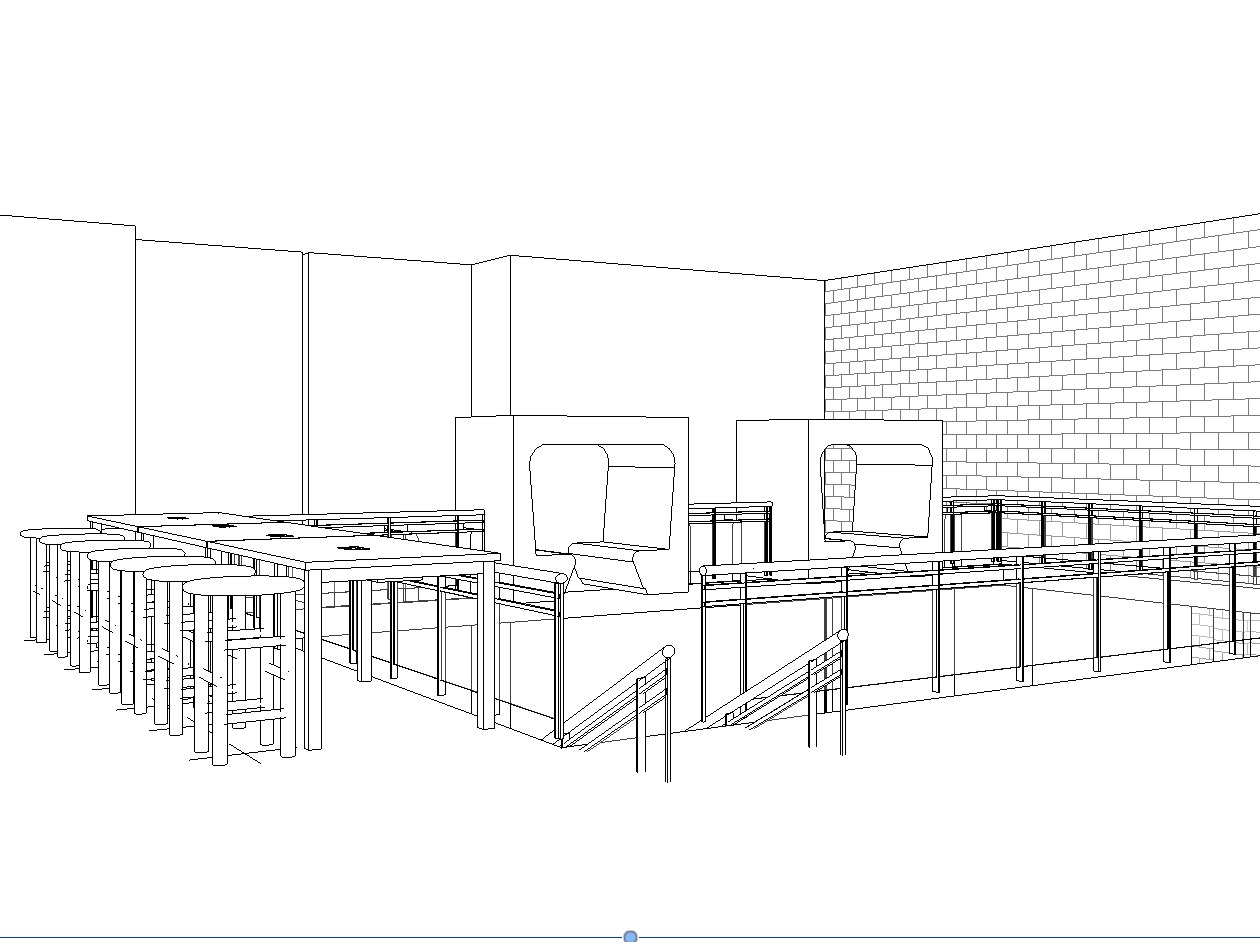
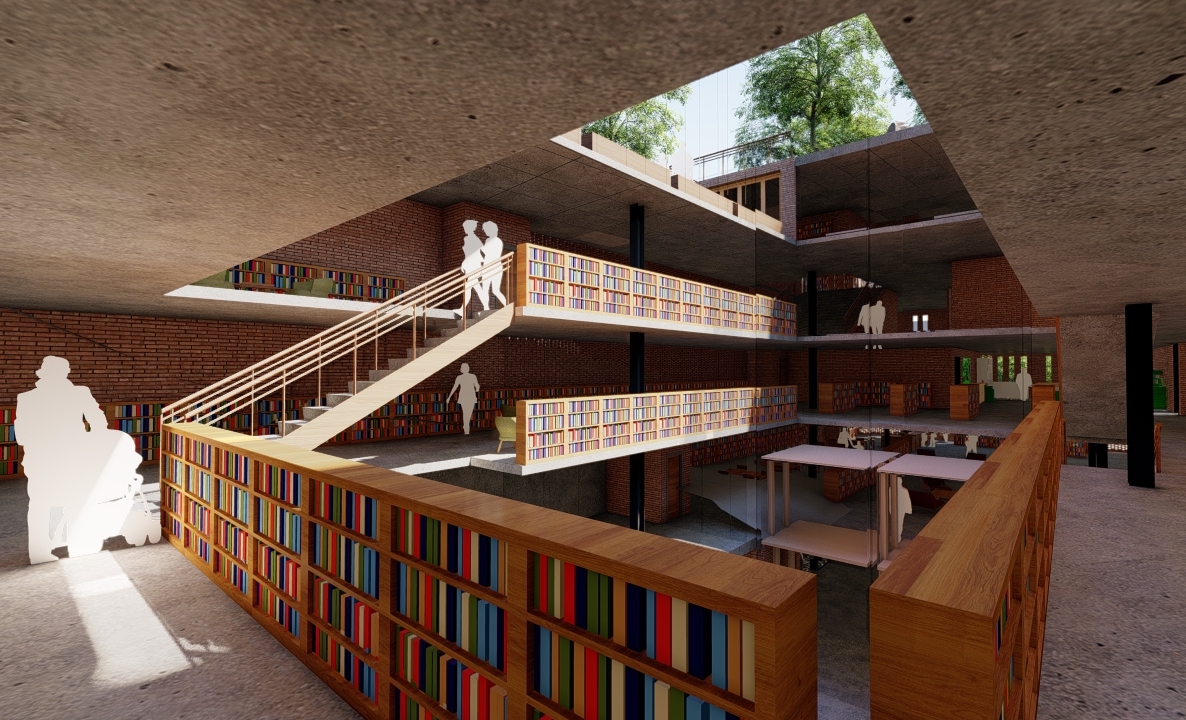
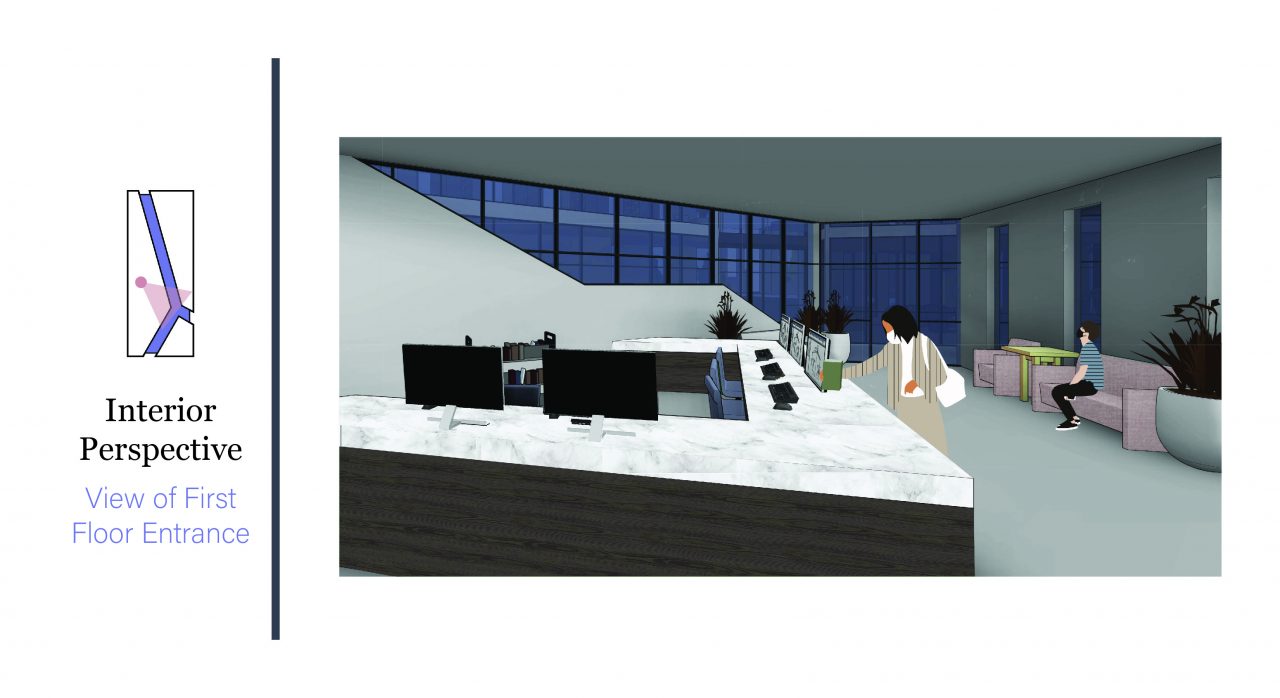
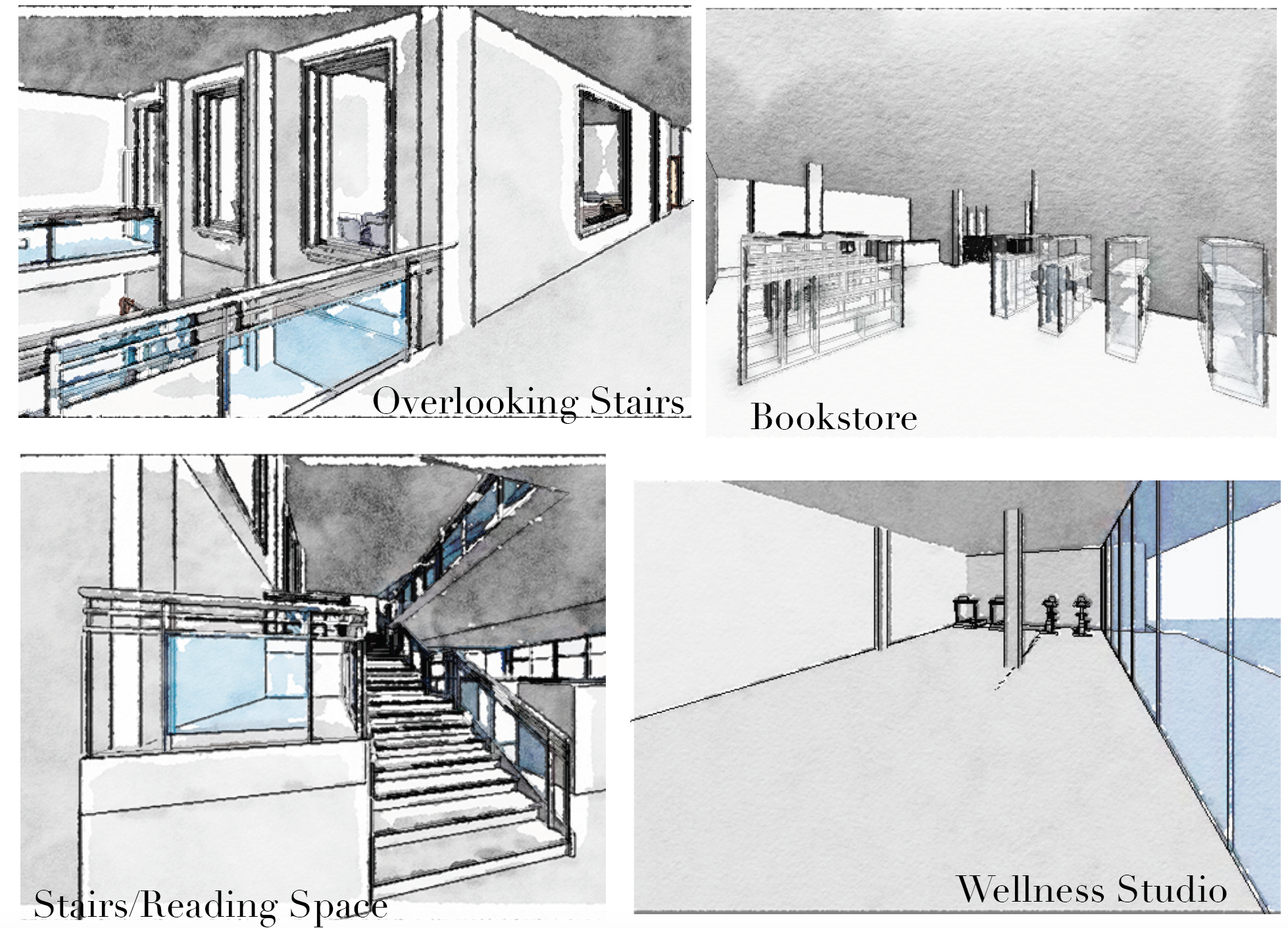
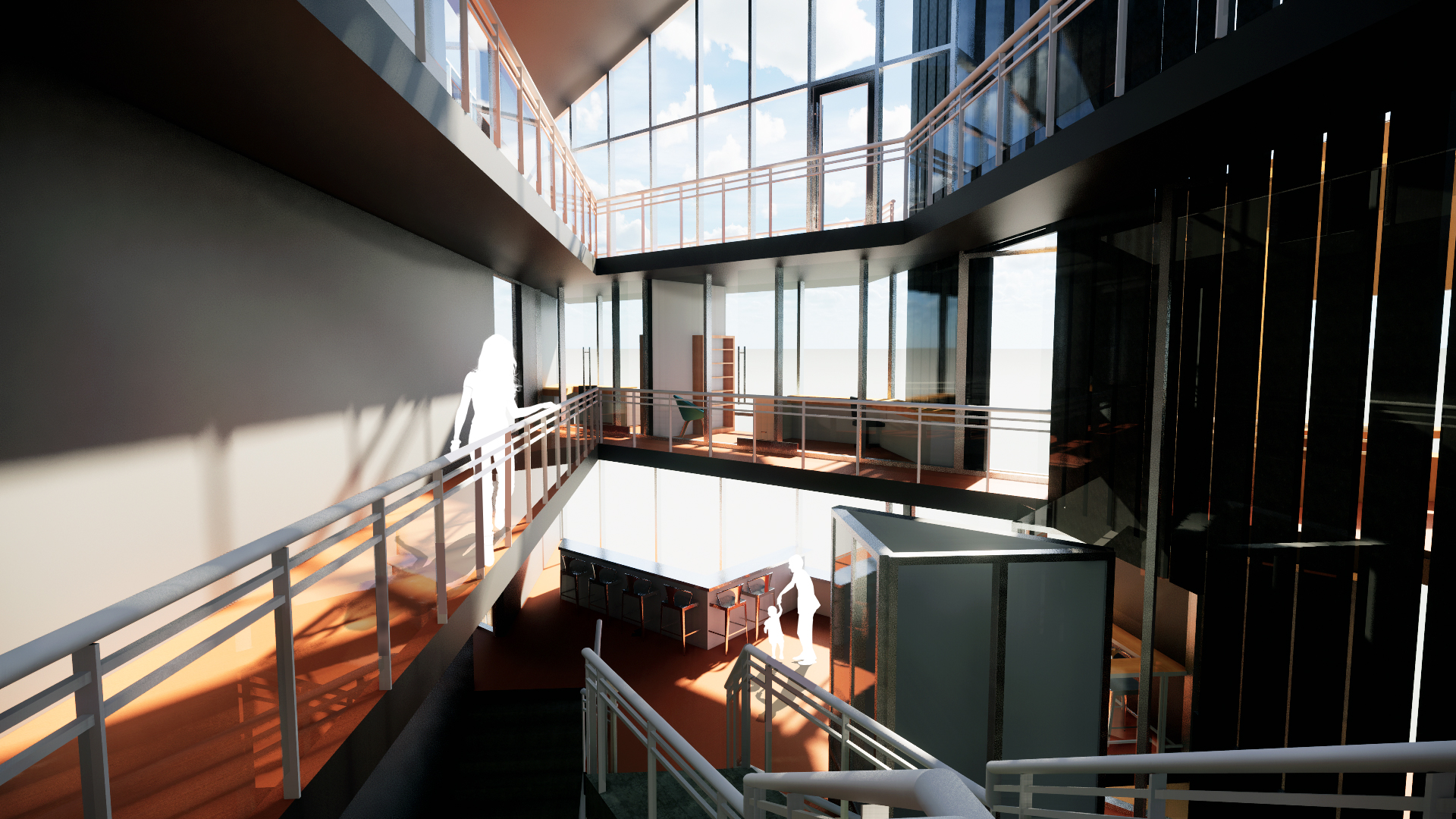
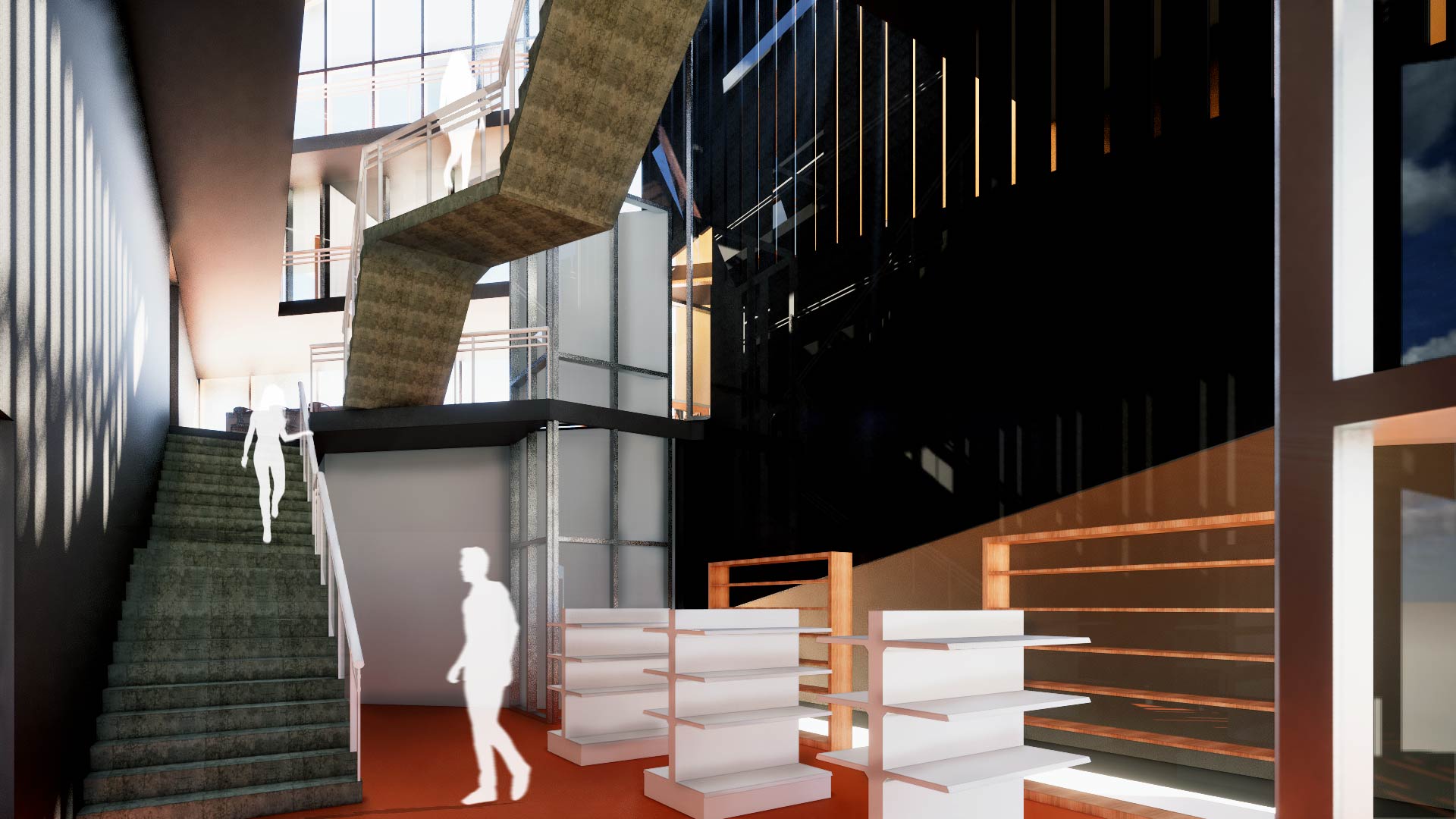
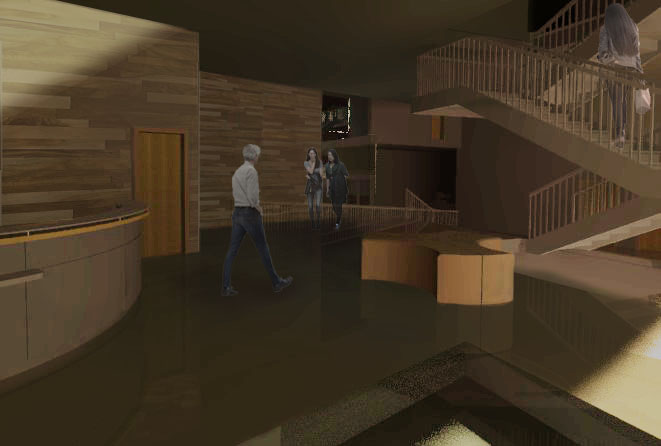
Interior Perspectives
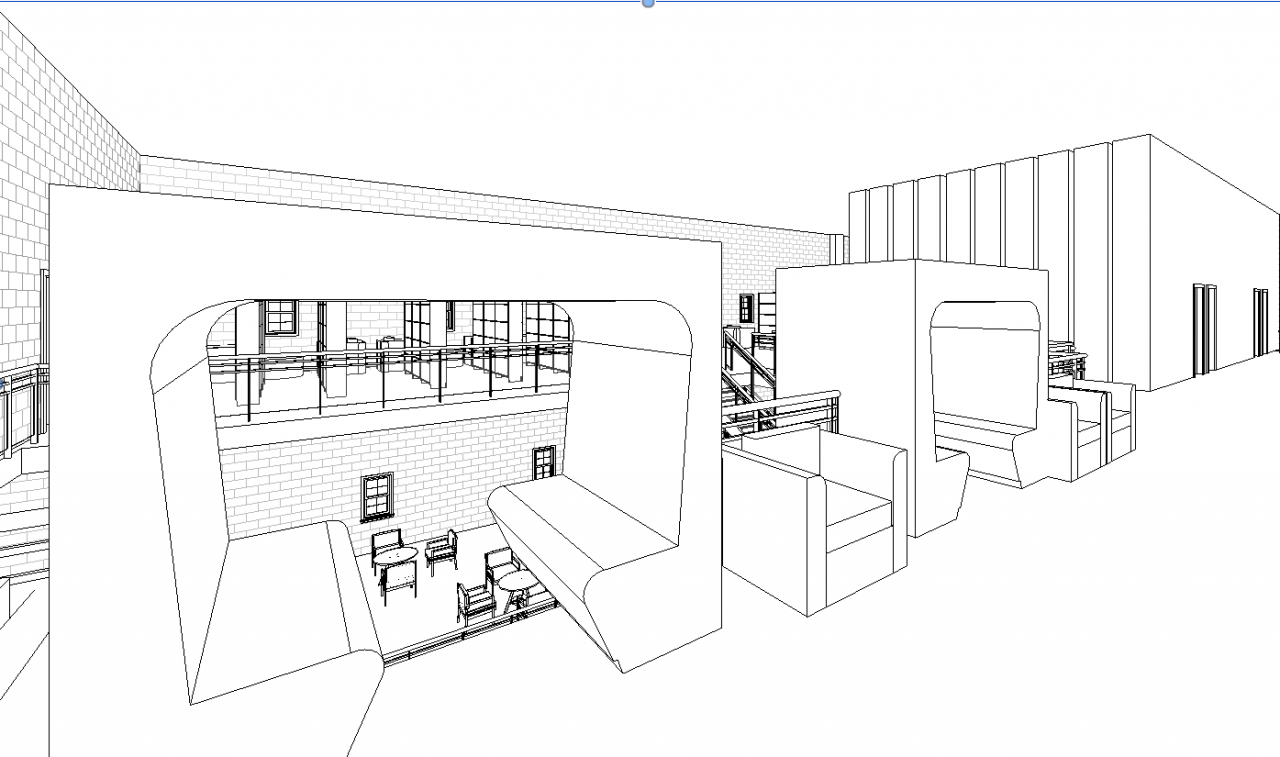
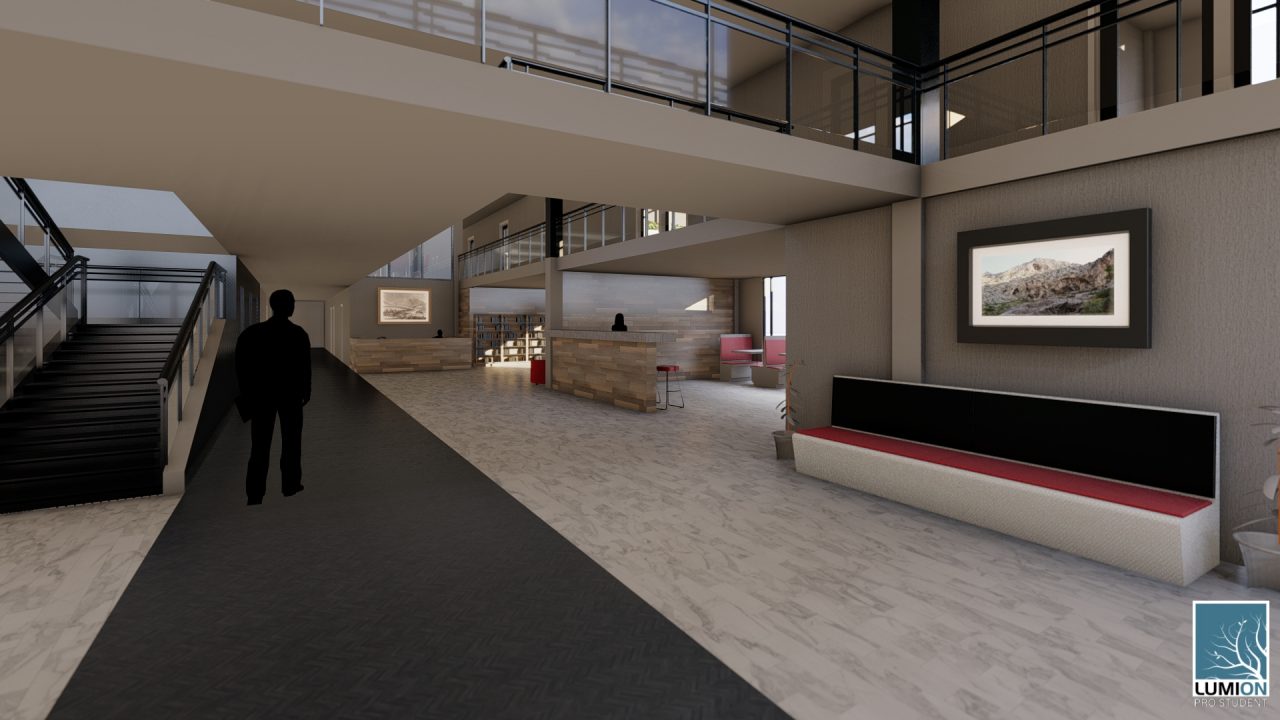
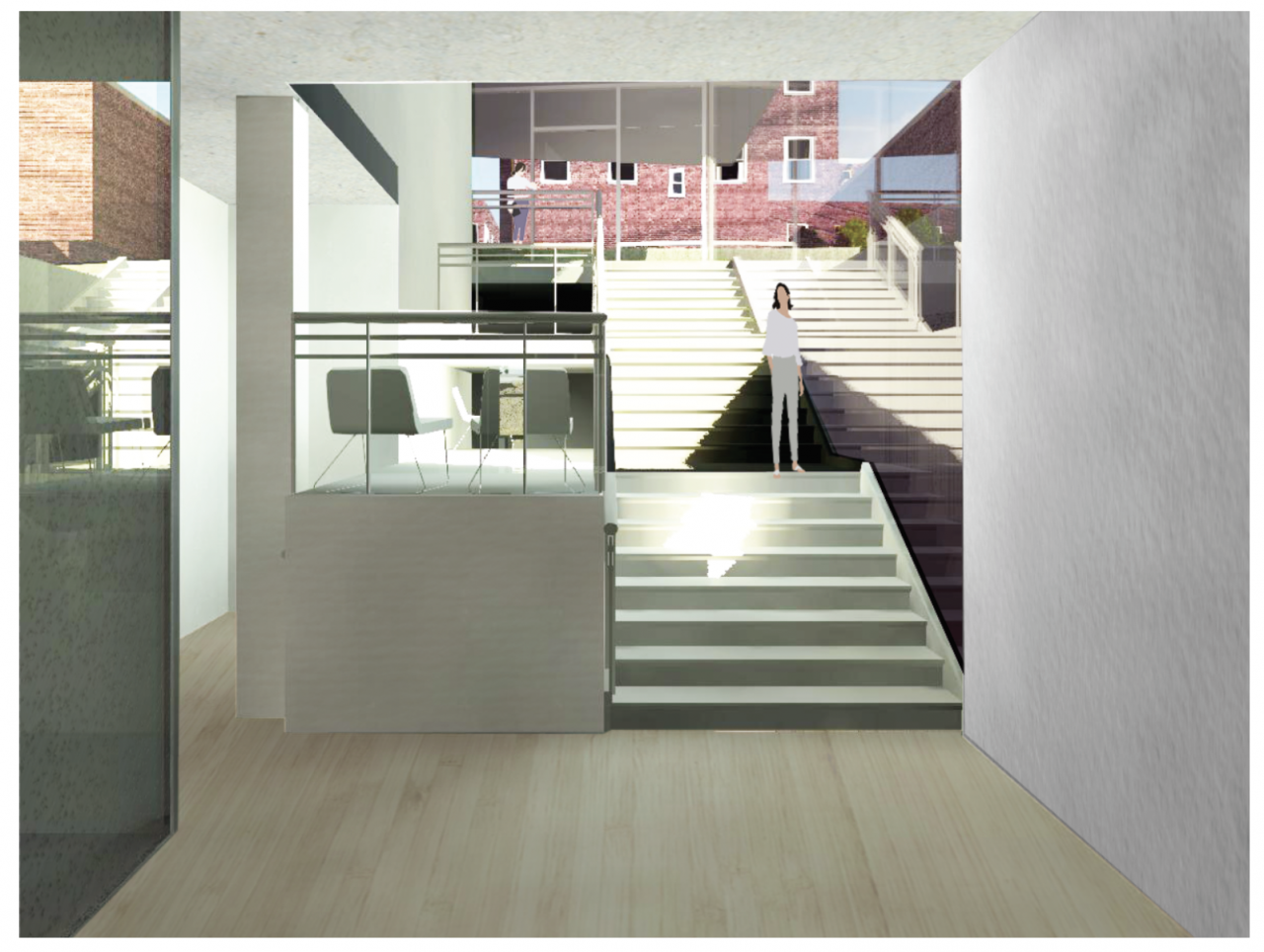
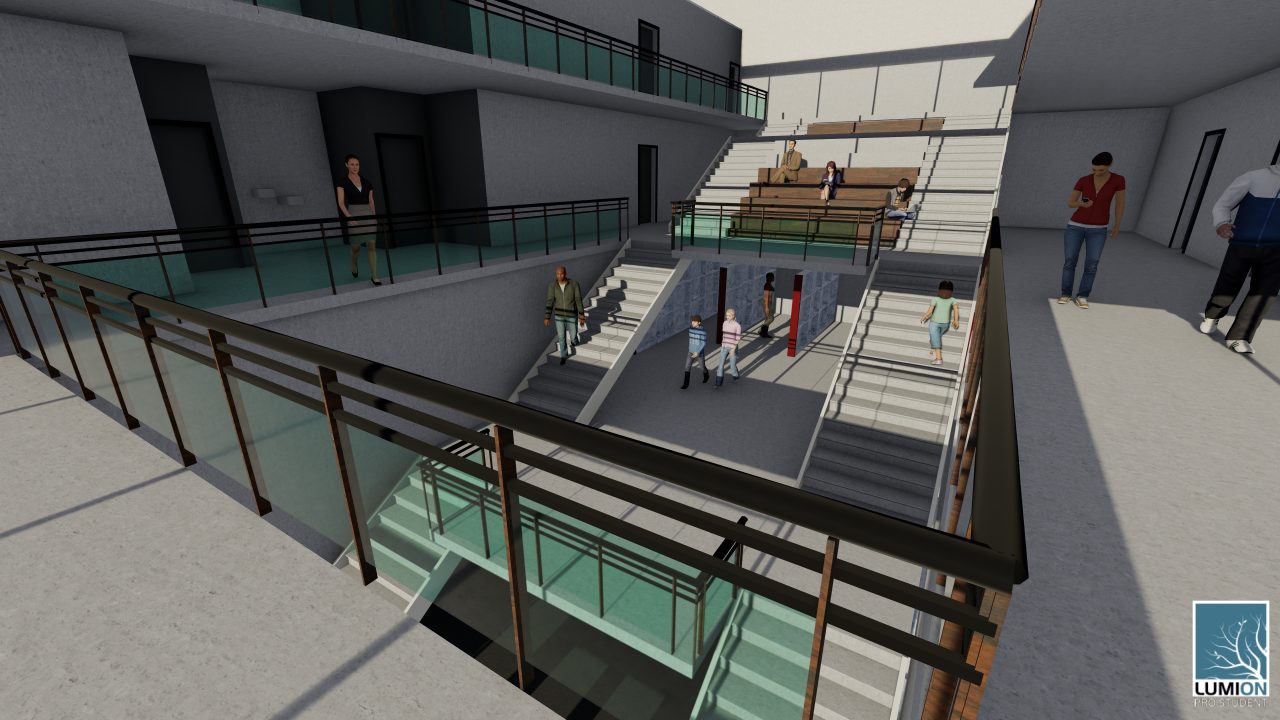
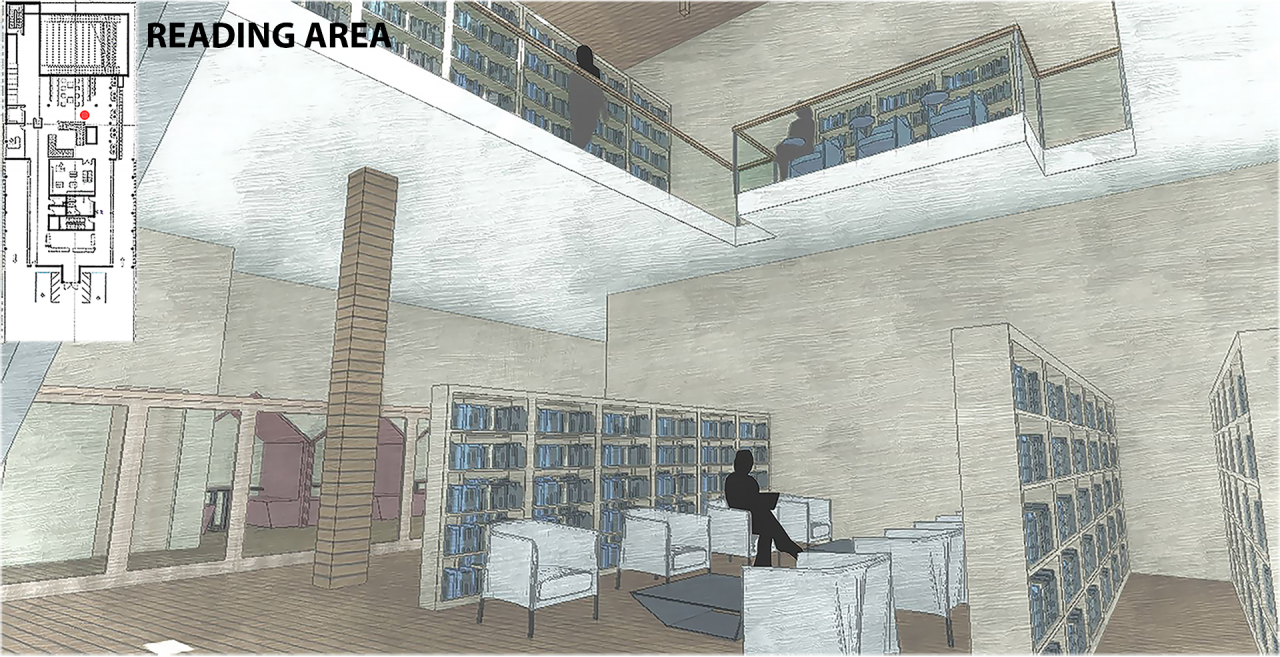
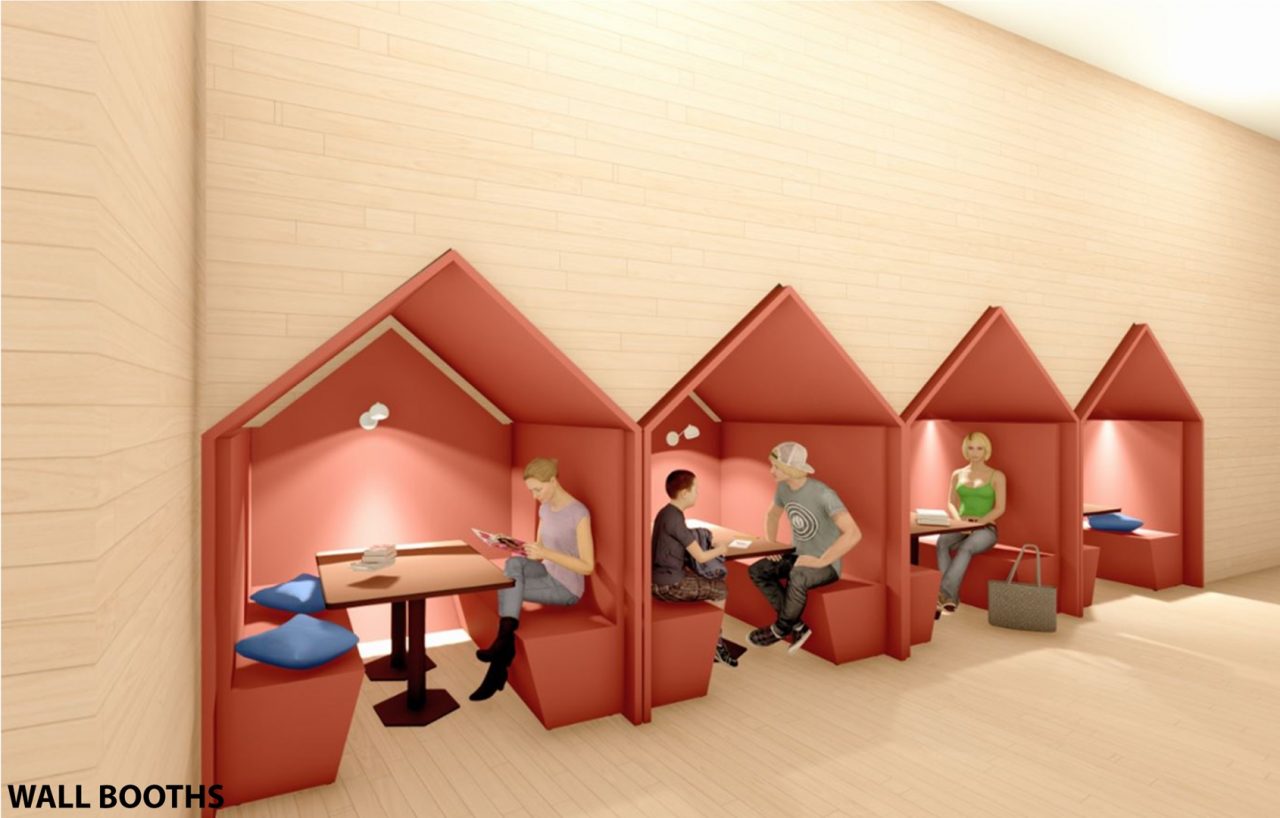
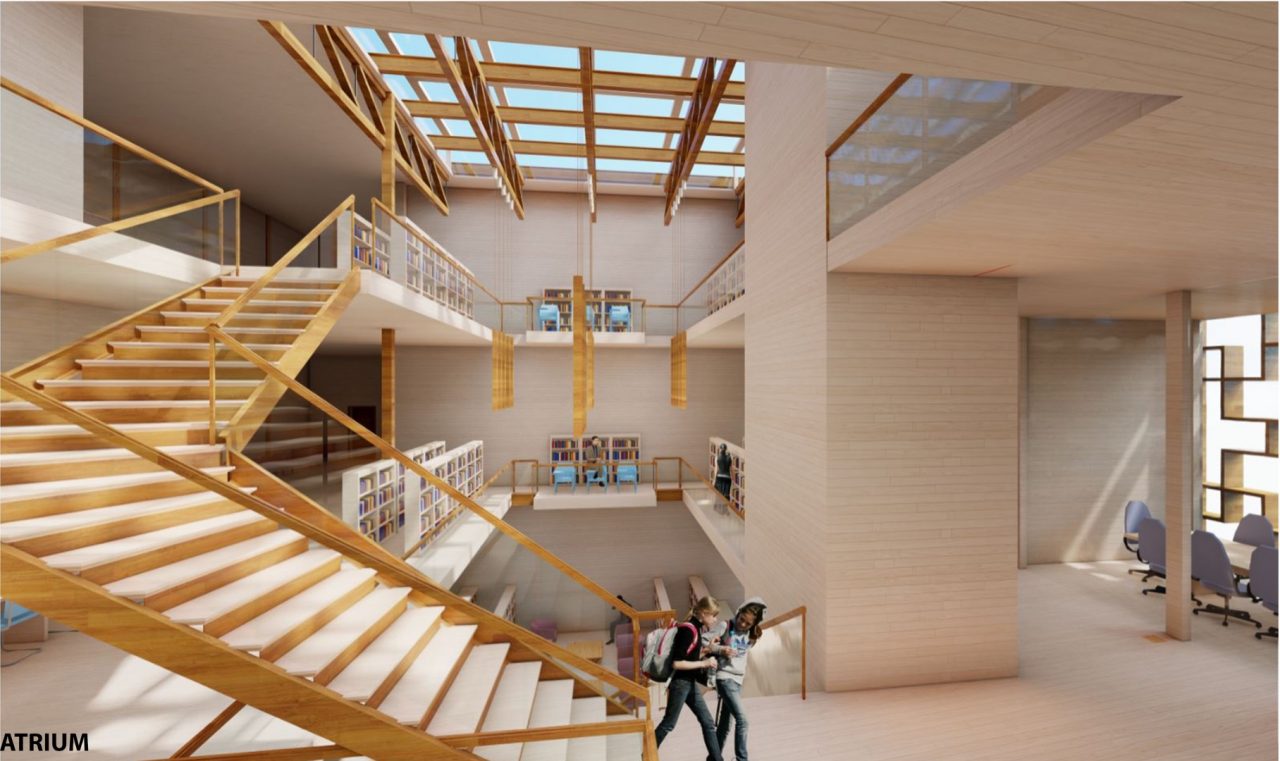
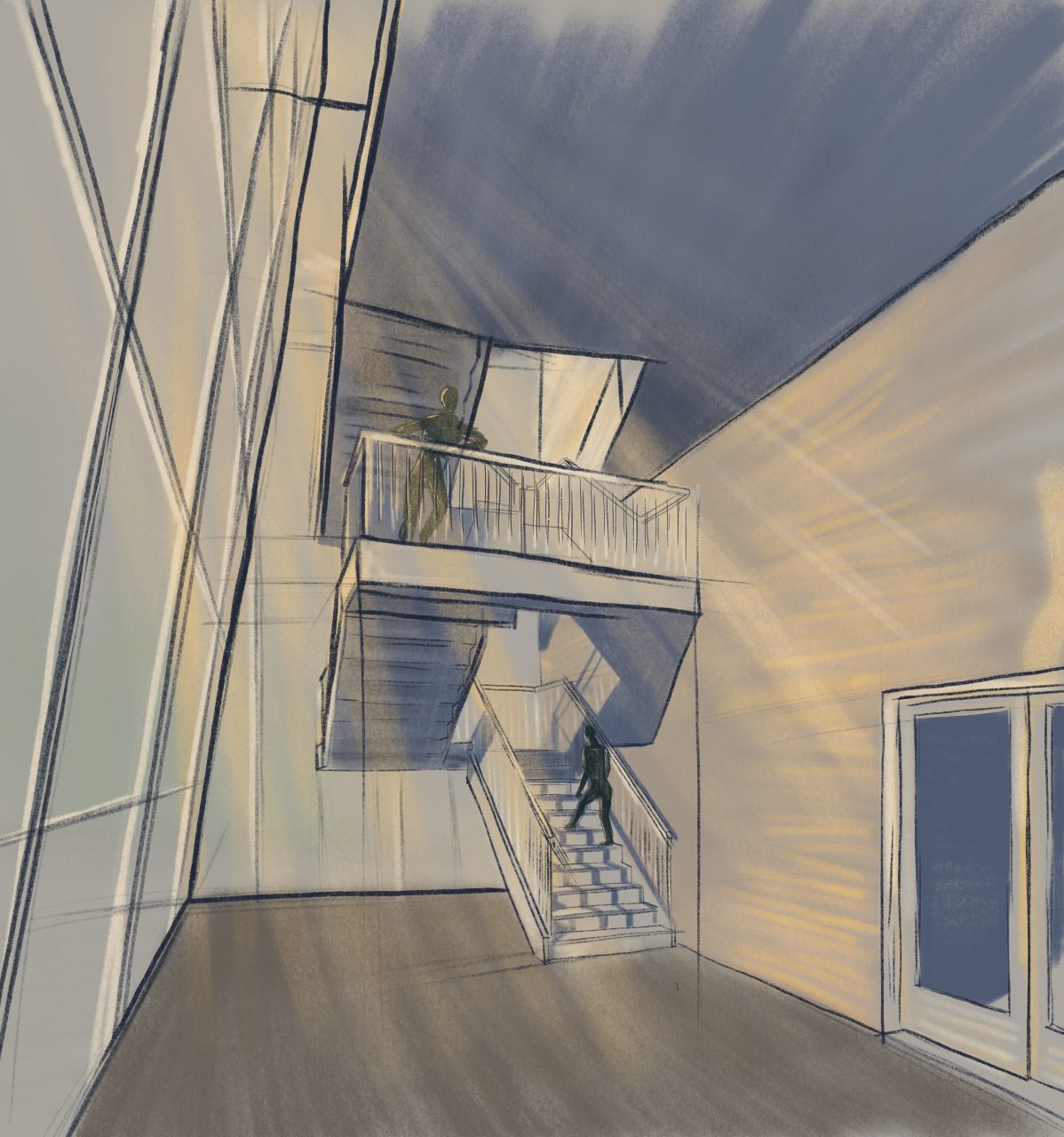
From Third Floor balcony look on to second floorFrom Third Floor balcony looking on to refreshment barFrom Lobby looking into bookstore area.
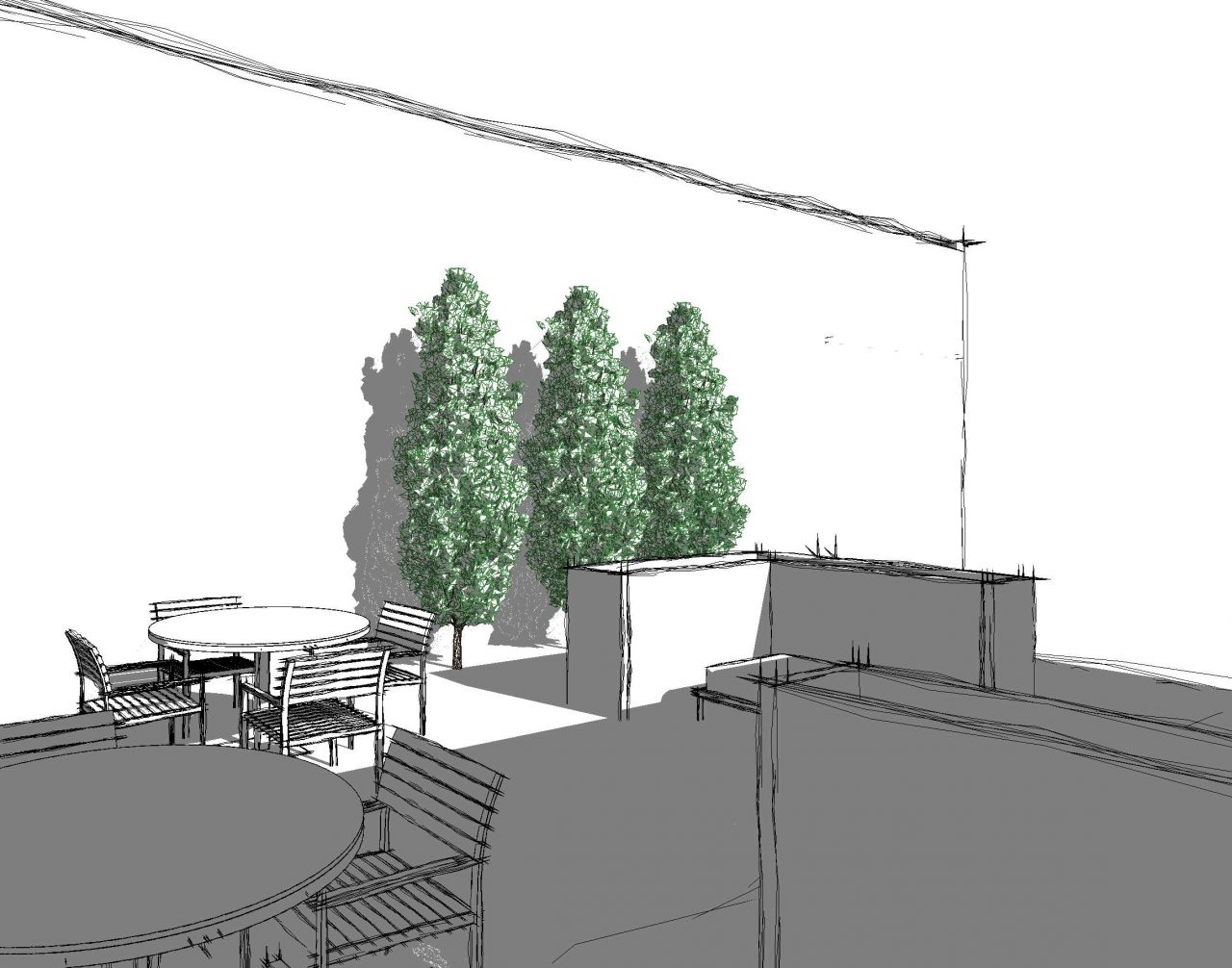
Vignettes
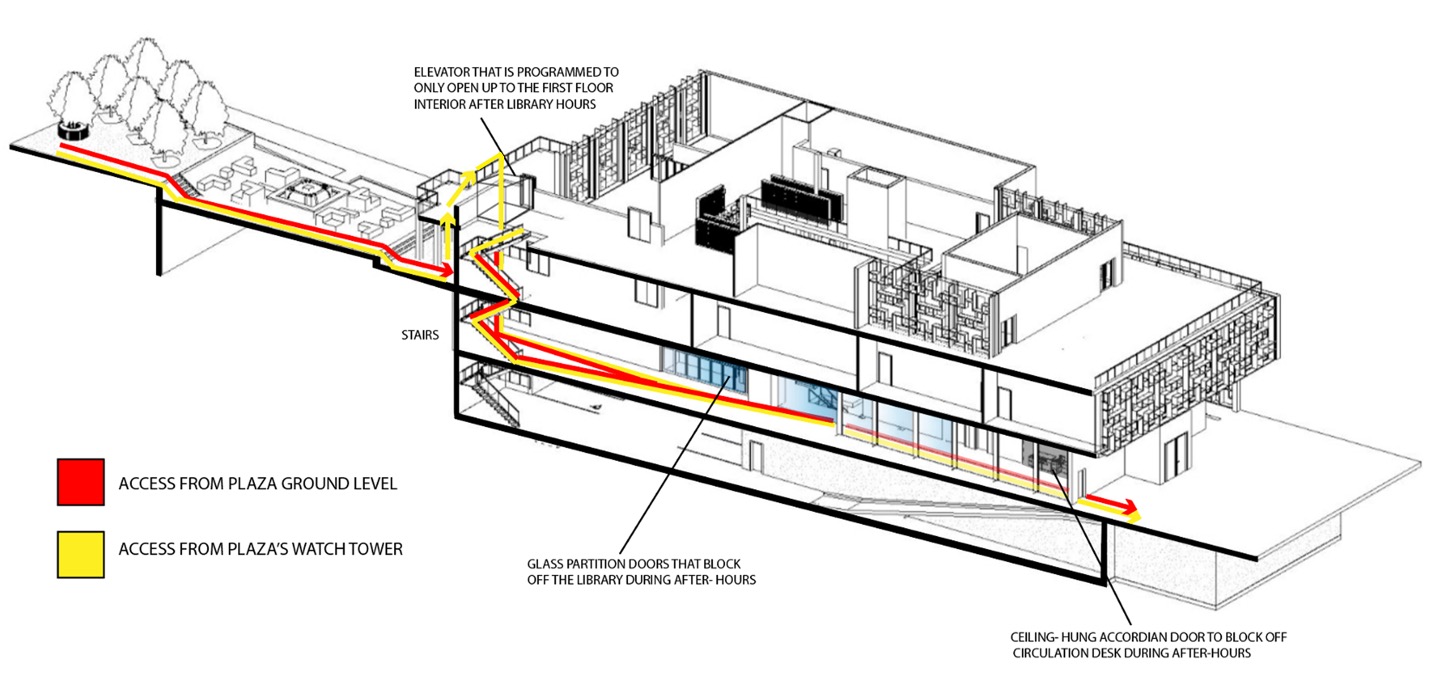
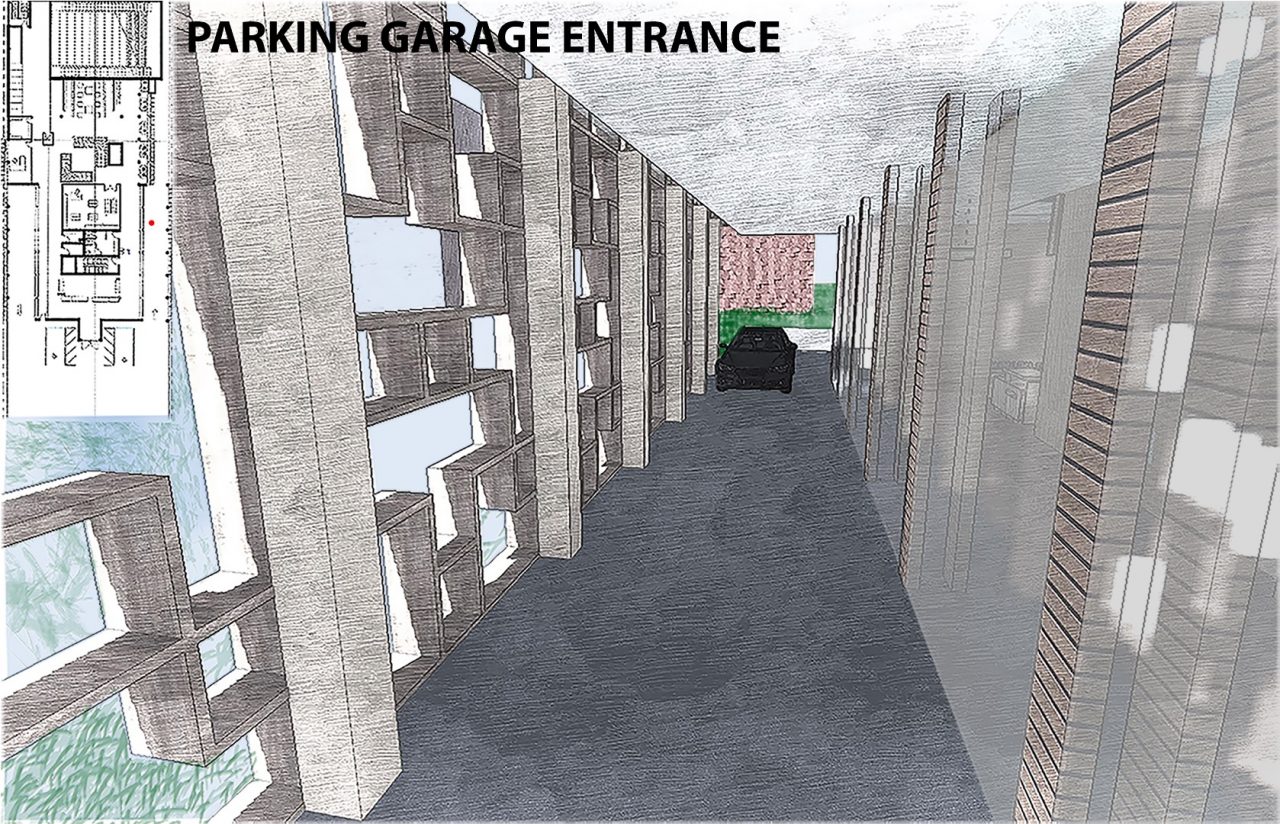
Public Thoroughfare
Sustainability Diagrams
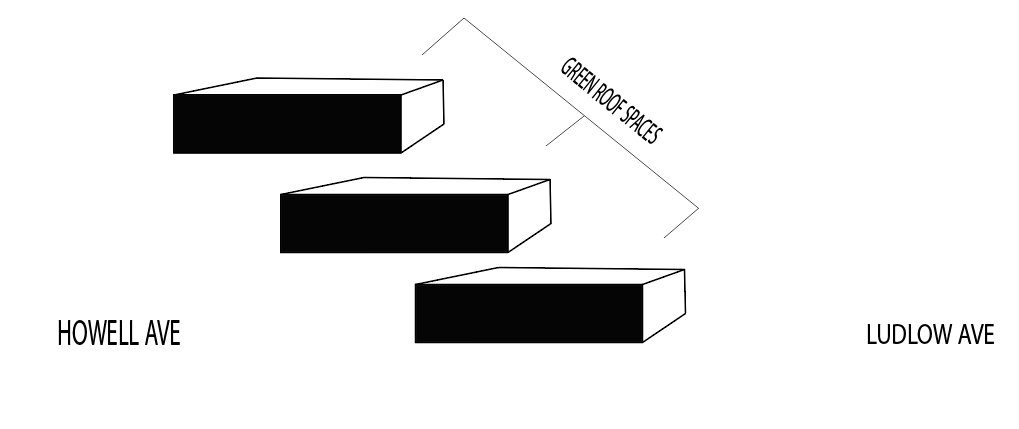
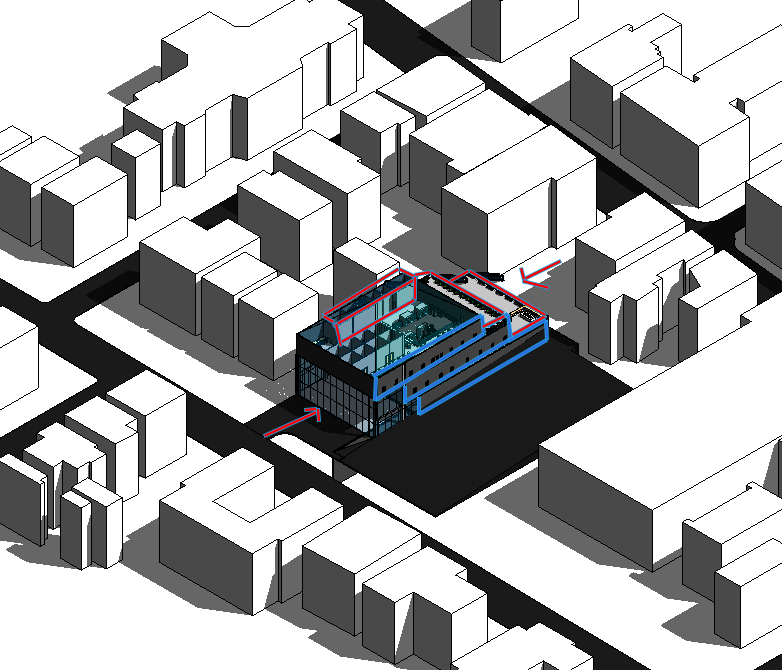
This diagram shows how the cuts into the building captures the light from the southern sun.This diagrams shows the green spaces that divide the buildings, and allow for outdoor space between them.
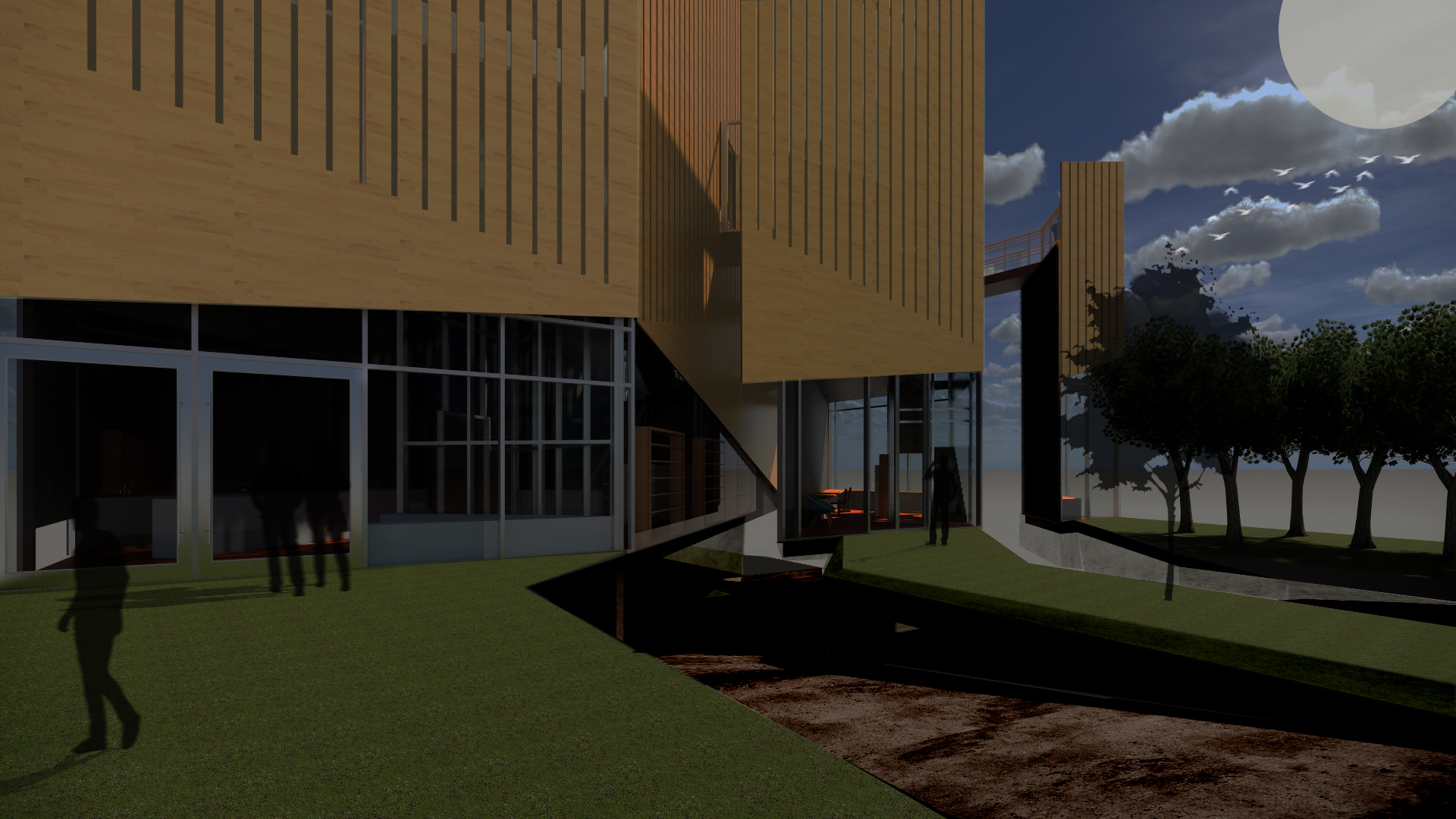
Night Rendering
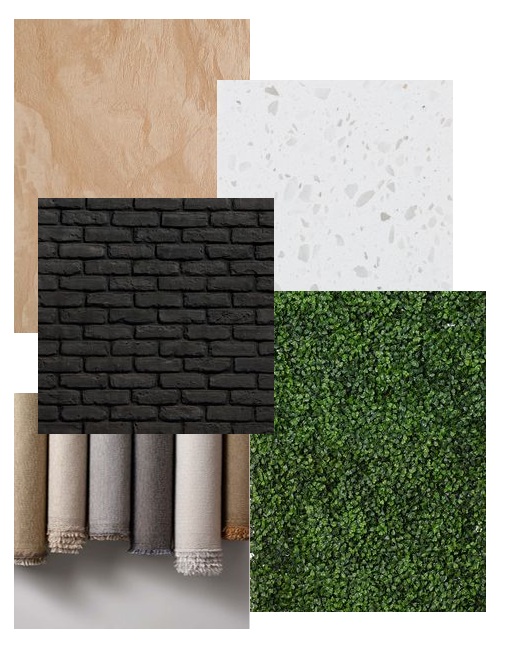
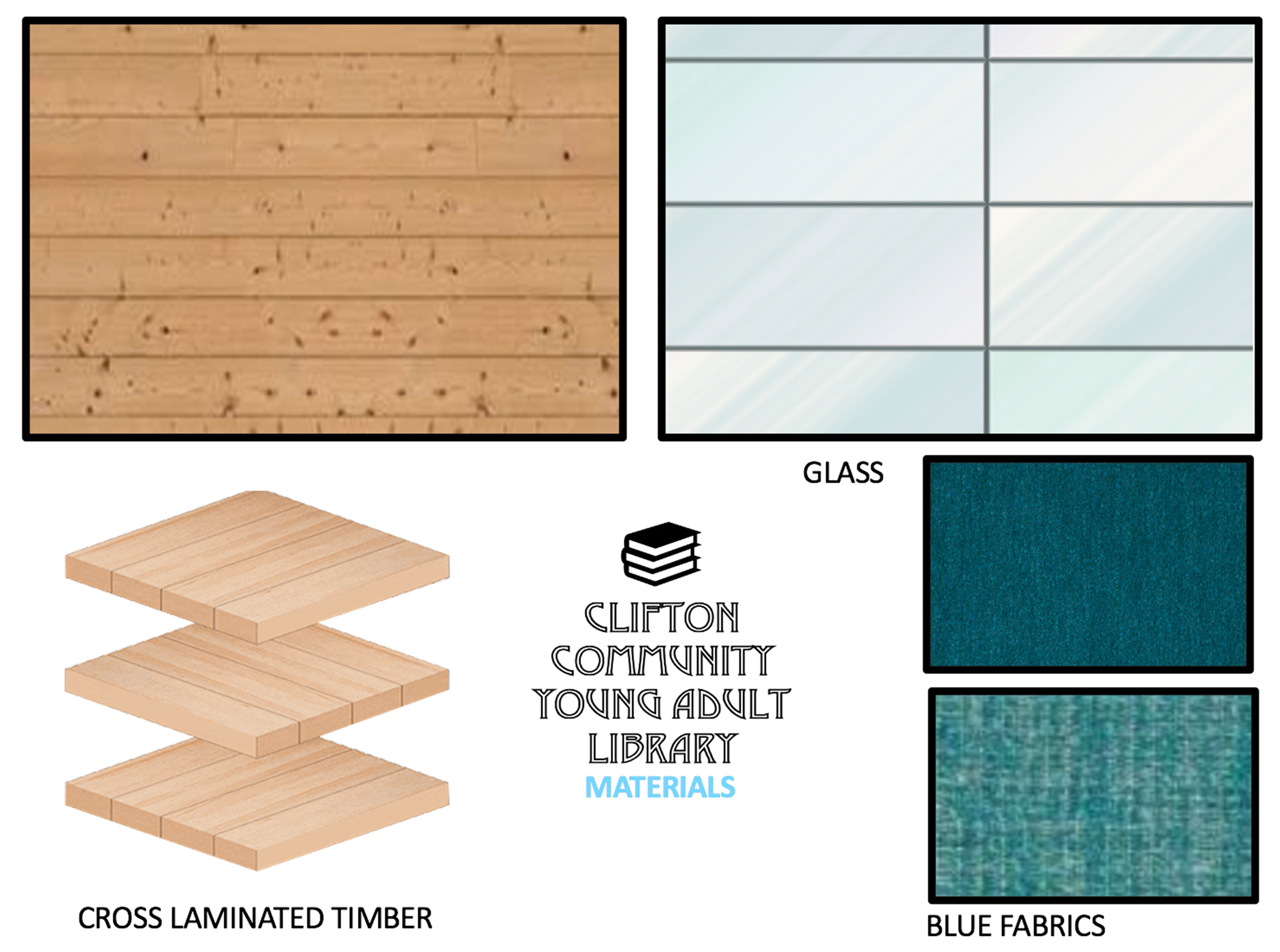
Materials Diagram
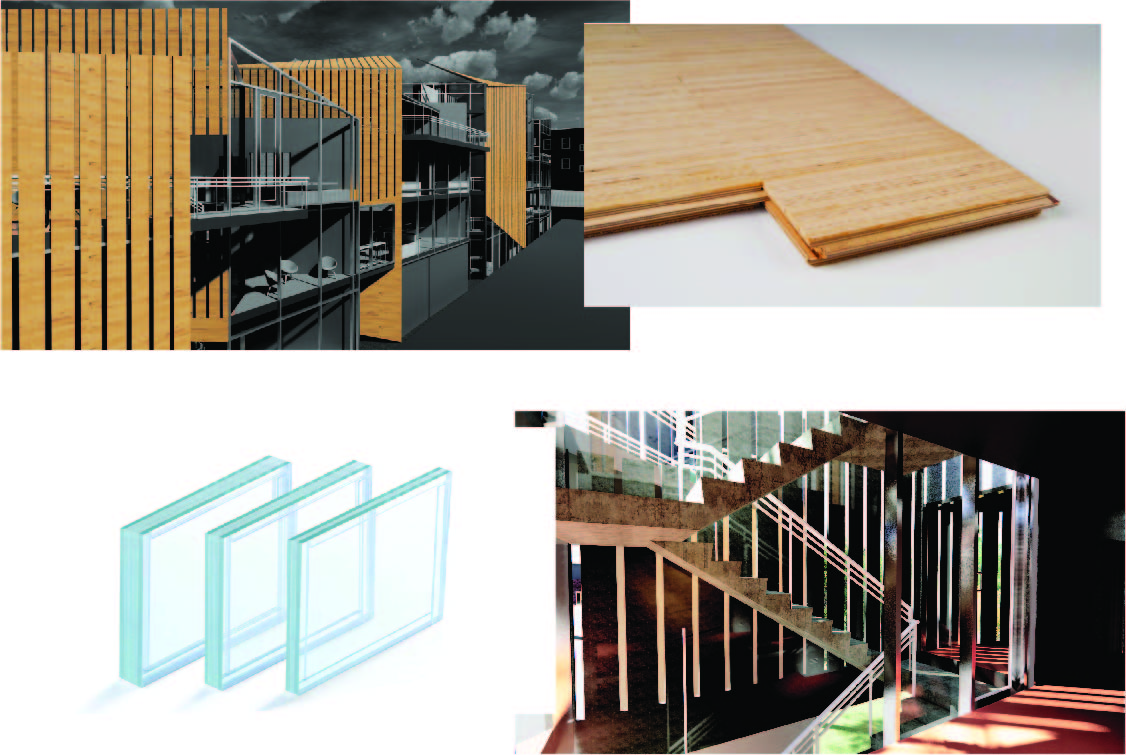
The upper image shows the use of wood panel throughout the exterior of the building that provides shading within the building. The material is produced by a company called Plexwood, it’s 100% recyclable, made from natural wood, and sustainable. Another special element within the project is a glass fire stair located within the staff building. This allows the staff tons of natural light but also and enjoyable stair to walk up down rather than using the main stairwell.
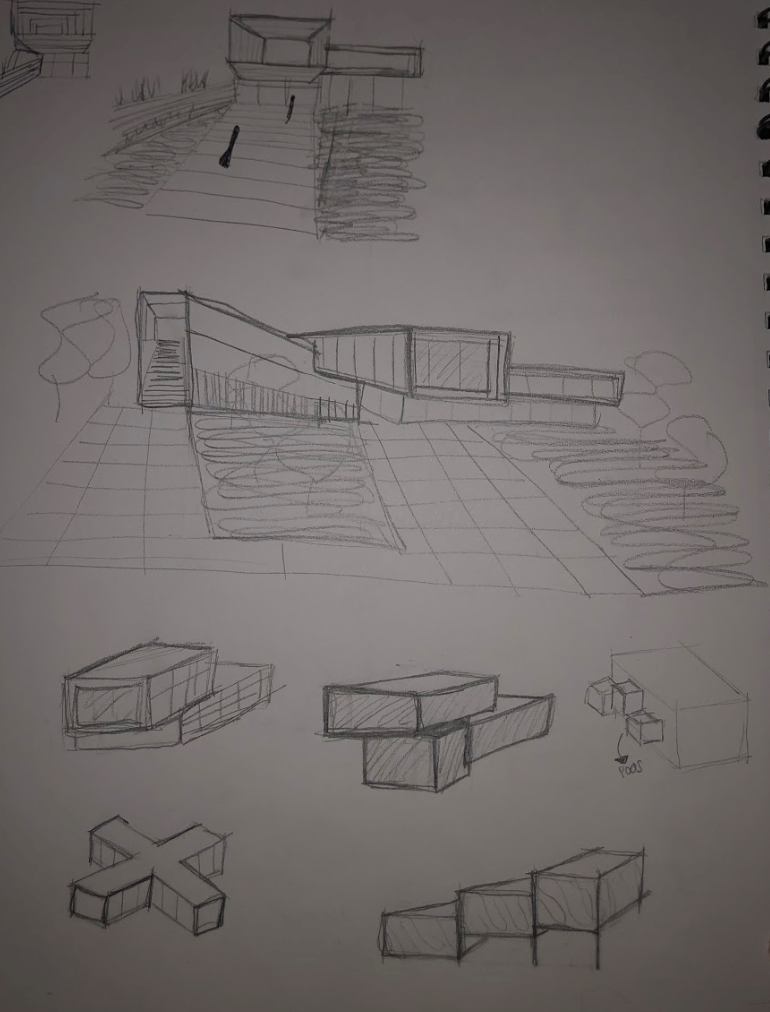
After reading the requirements for this project, the first thing I thought of was the various amount of spaces that we had to fit inside the dimensions that were given to us. I started to organize the spaces based on their respective activity. Although I wanted to separate these spaces I came to realize that I didn’t want two separate buildings rather, I wanted to have a connecting component that would allow two major spaces come together as one. The community connection is something I found important to Clifton. When visiting the site, everyone seems to be comfortable and interacting with one another. I wanted to create a design that resembles the importance of a community by providing an open and comfortable environment that would allow people to interact with one another.
Initial Sketches
Different Spaces
Massing/Parti
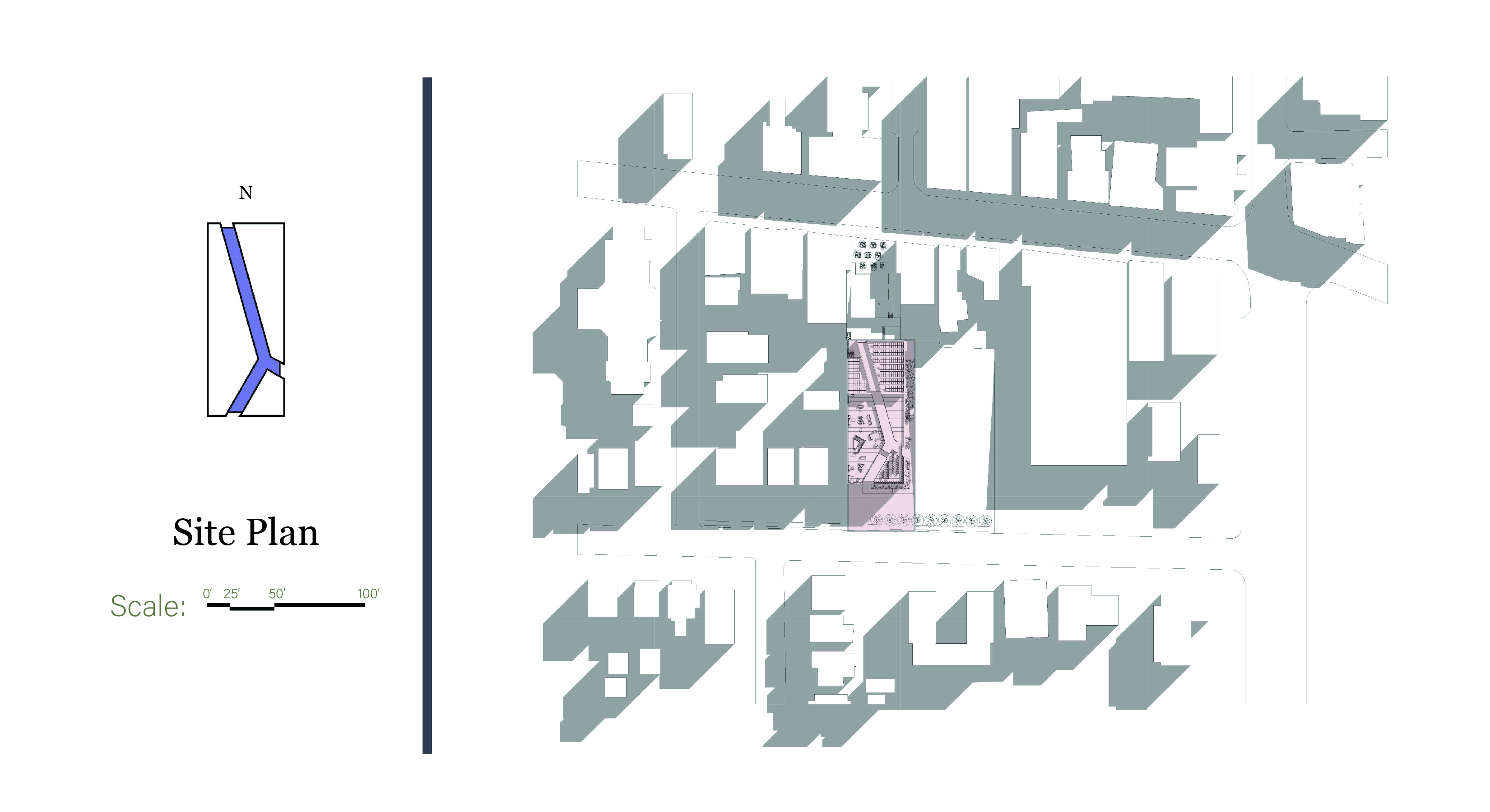
Site Plan
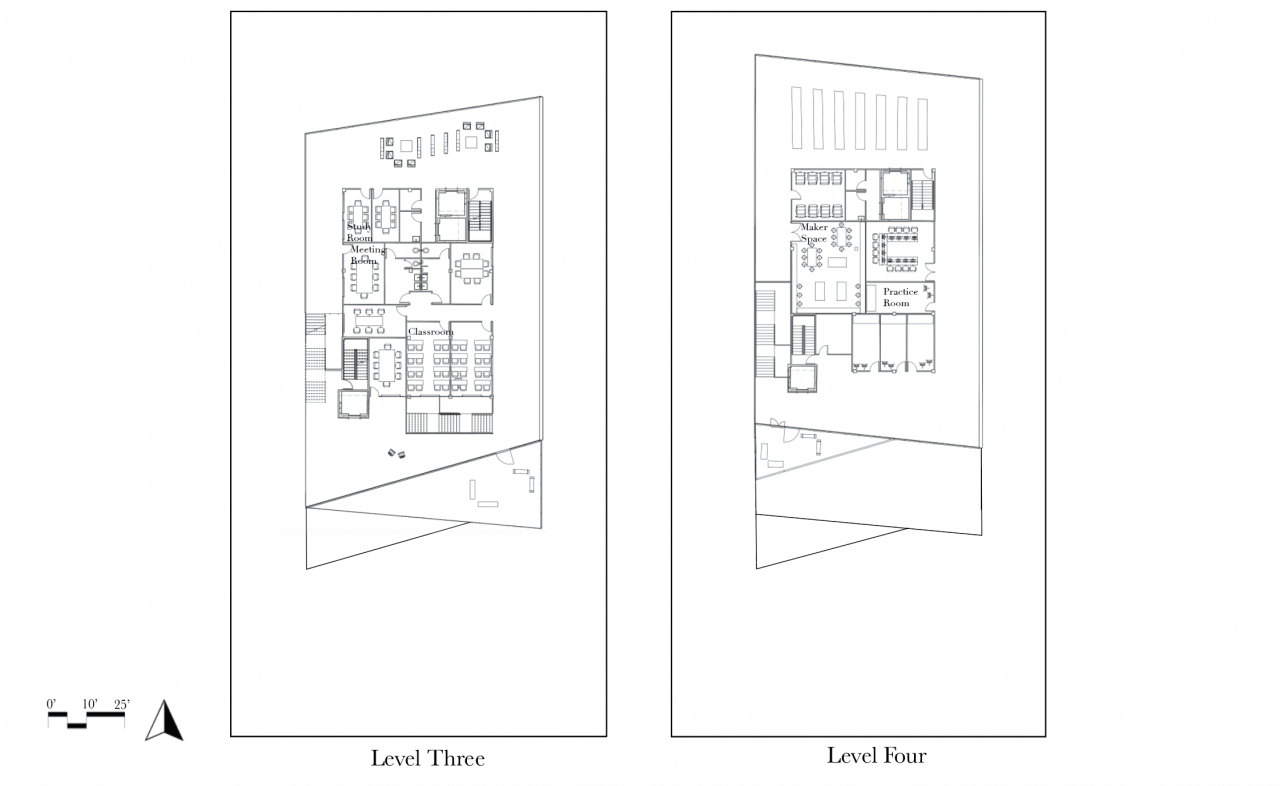
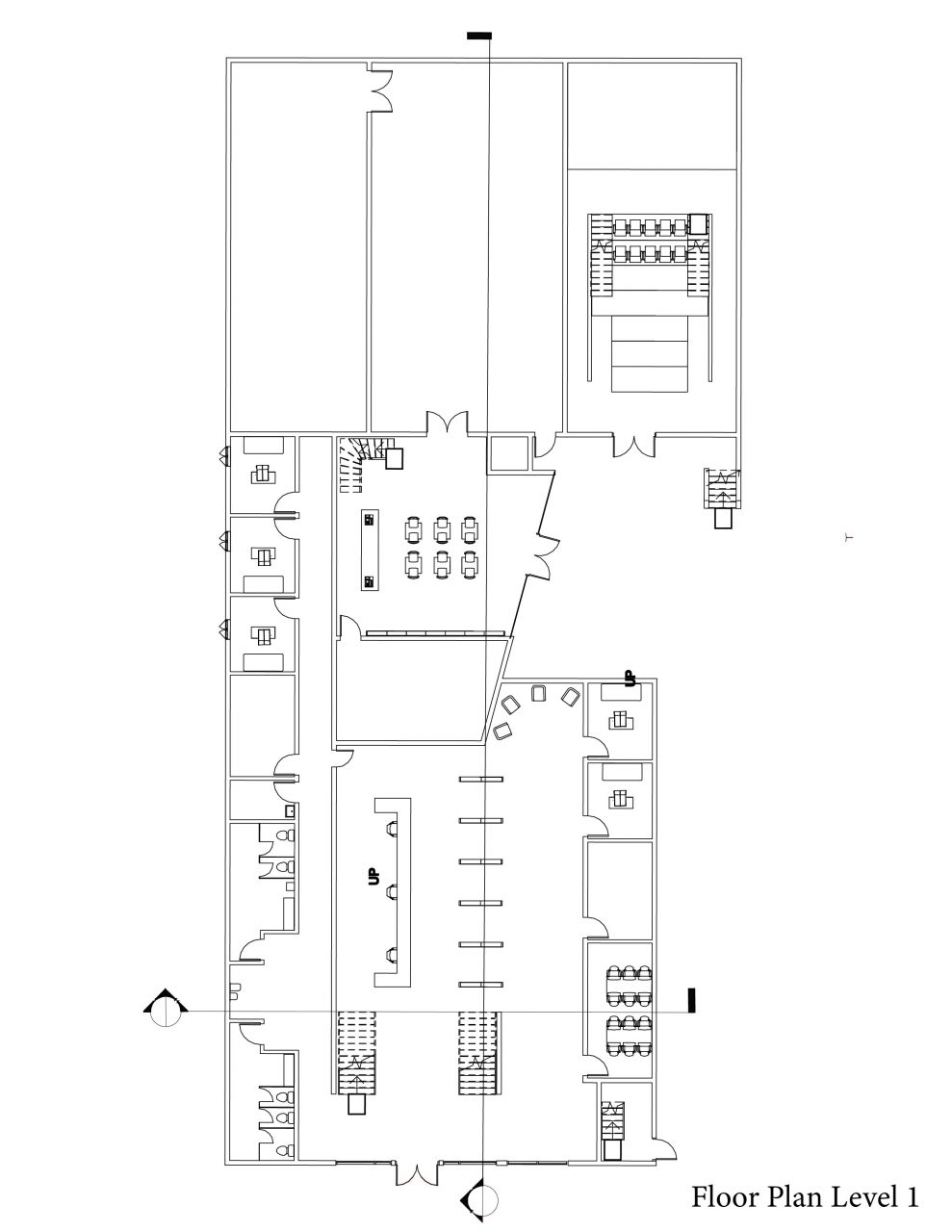
Floor Plans
Level One
Level Two
Level Three
Platform Level One
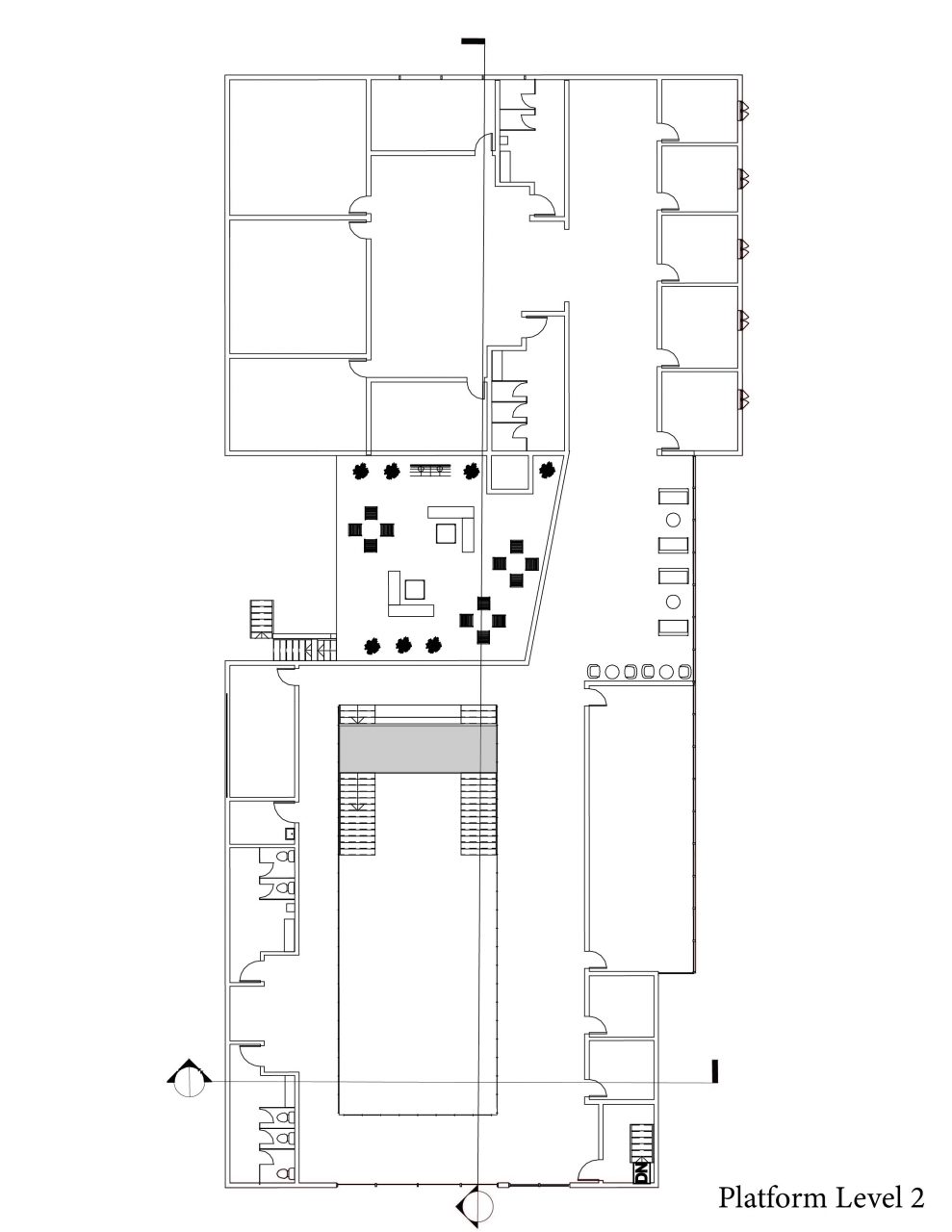
Platform Level Two
Sections
Longitudinal South Section and Transverse East Section.
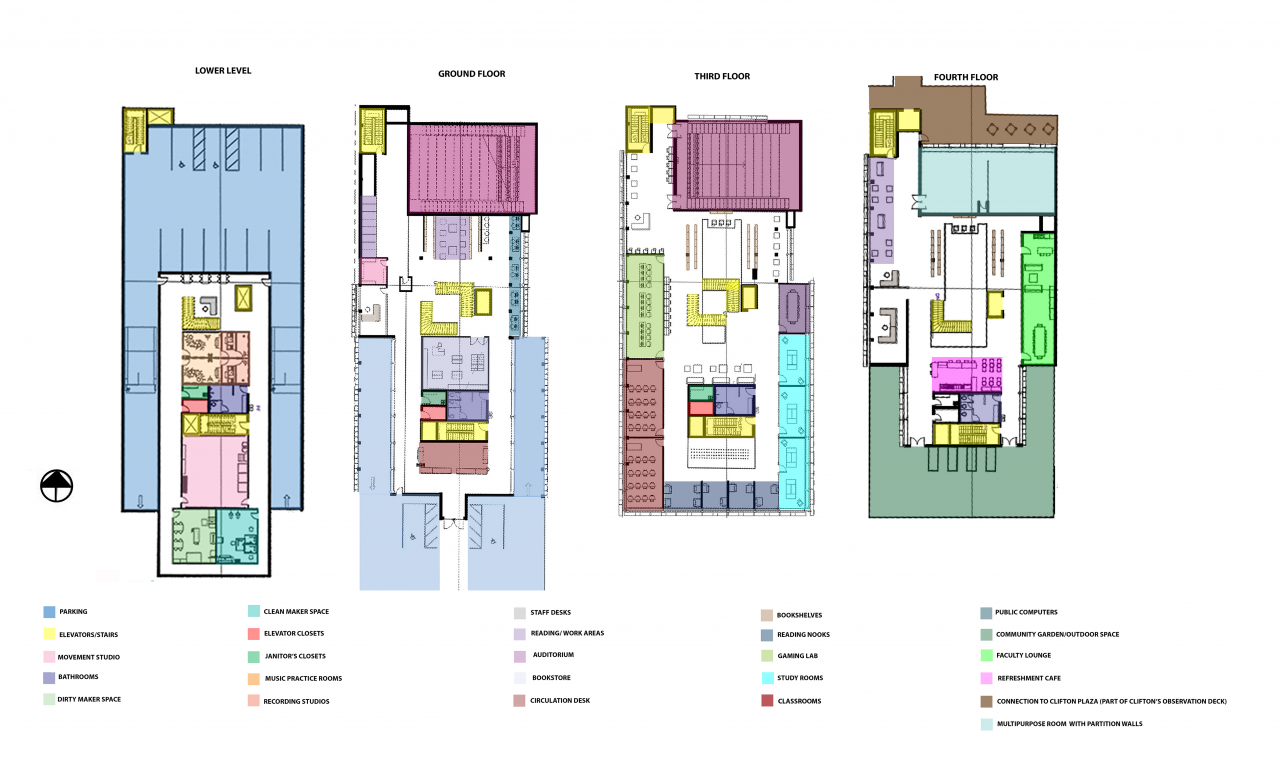
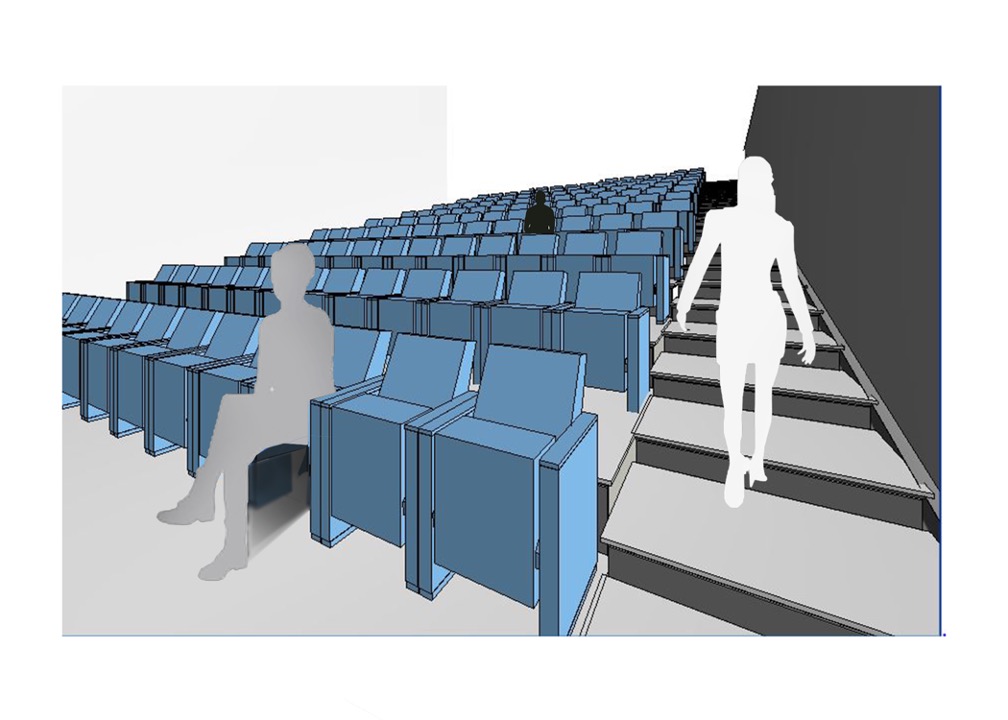
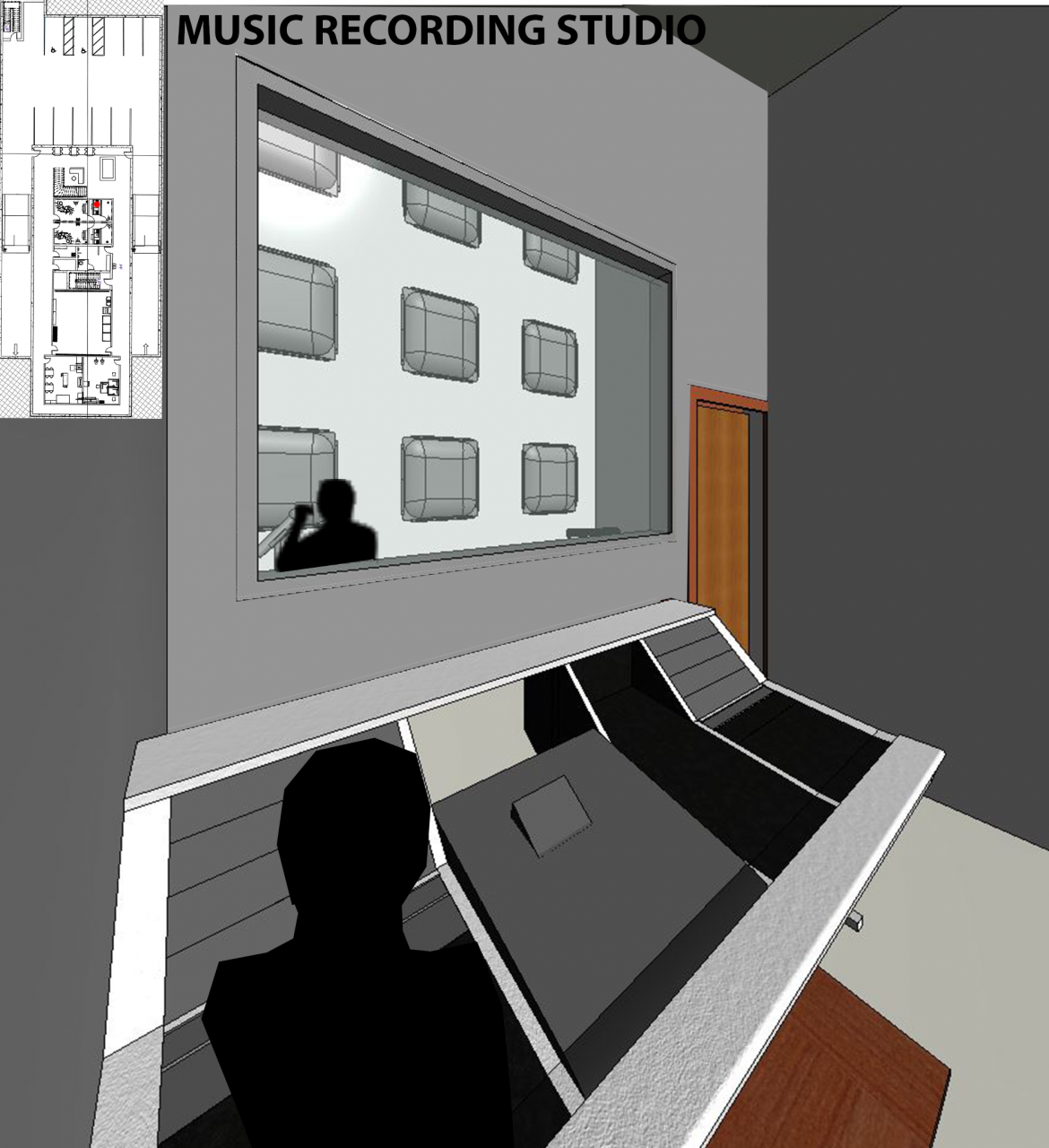
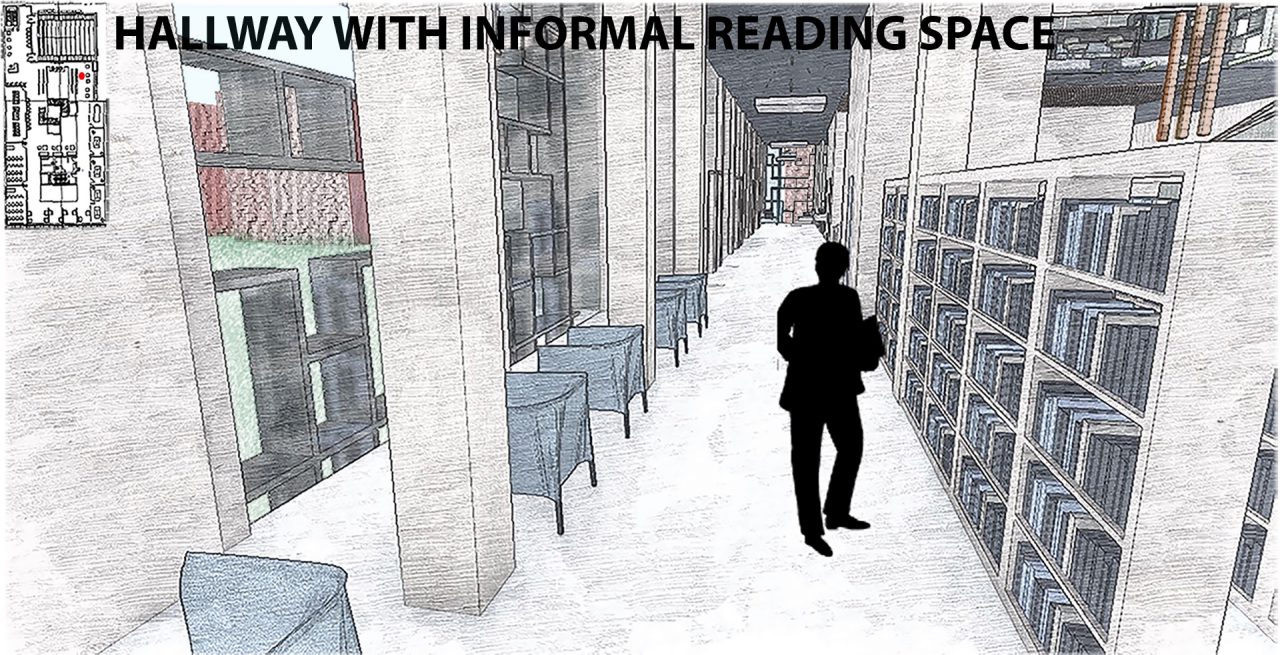
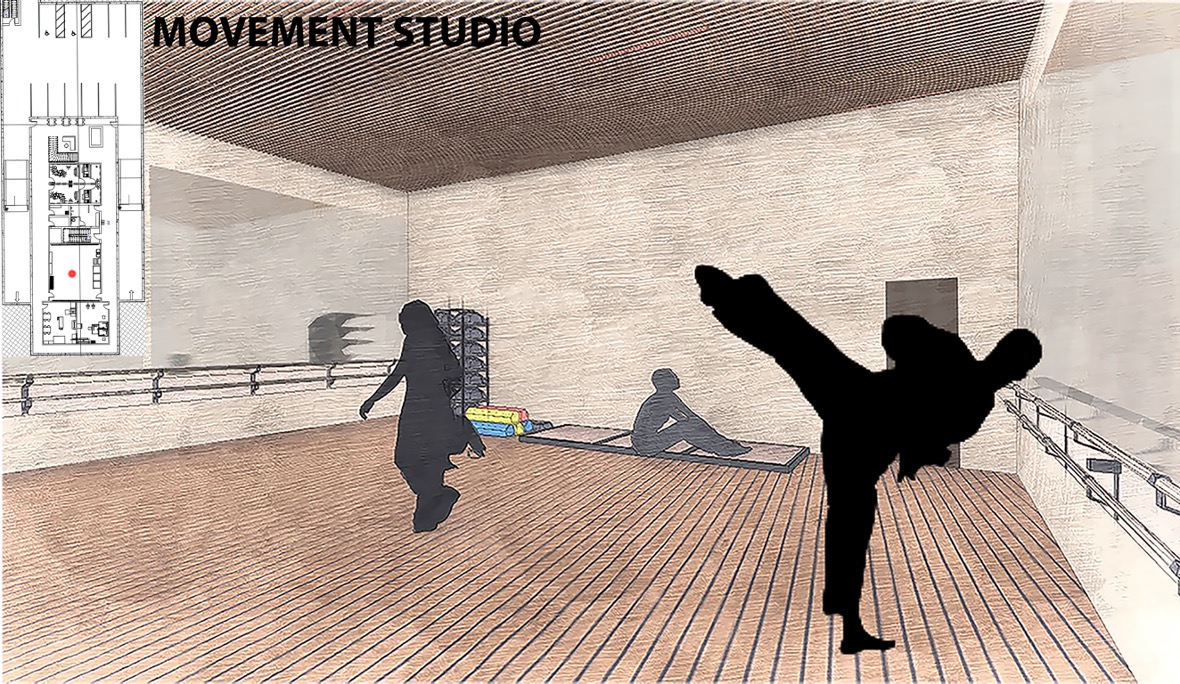
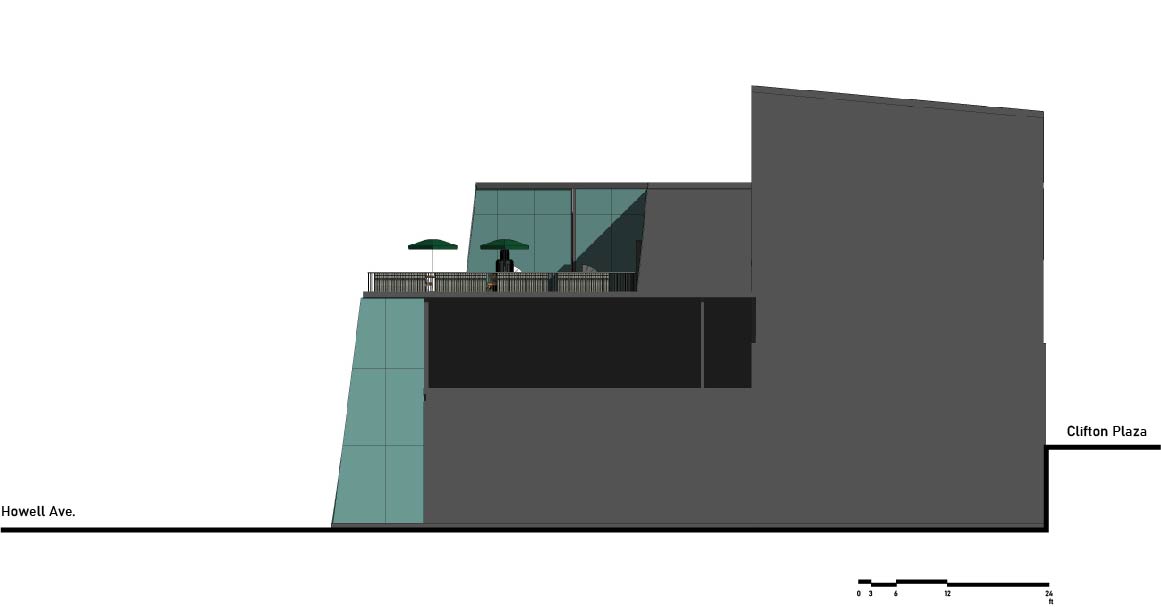
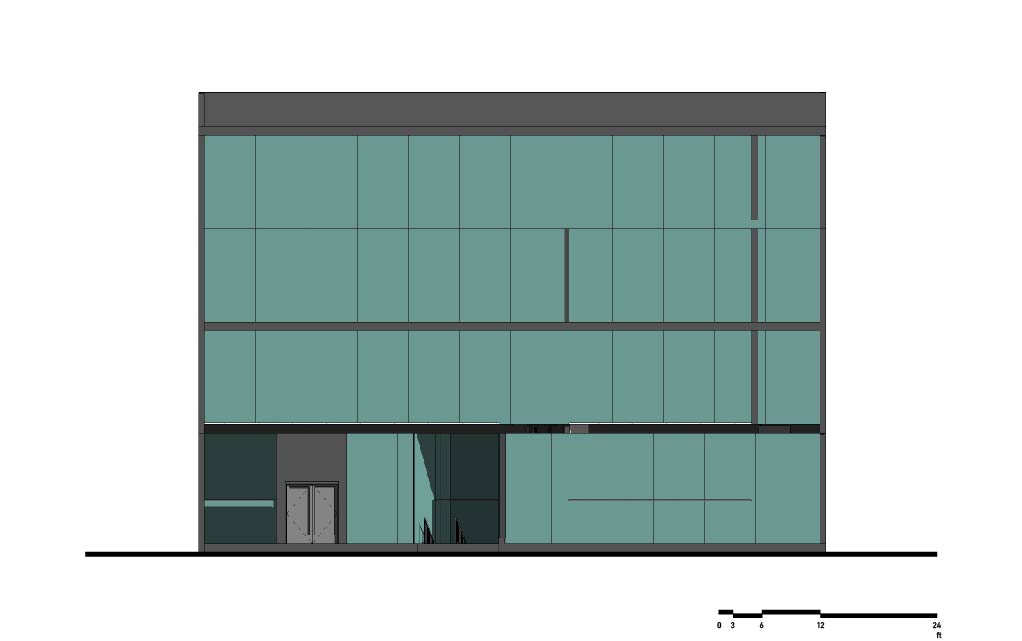
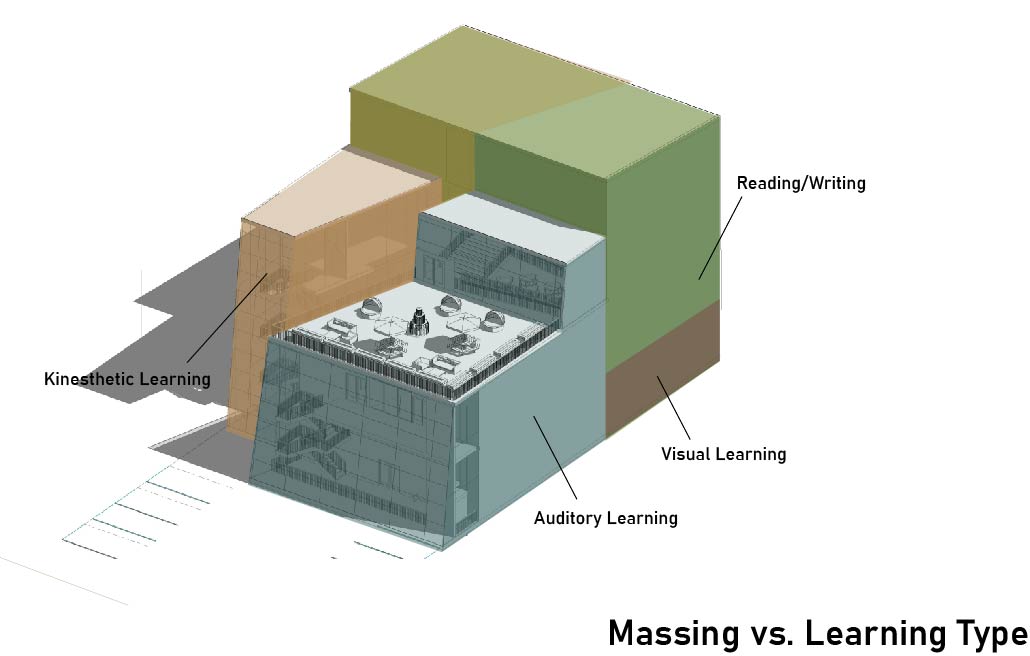
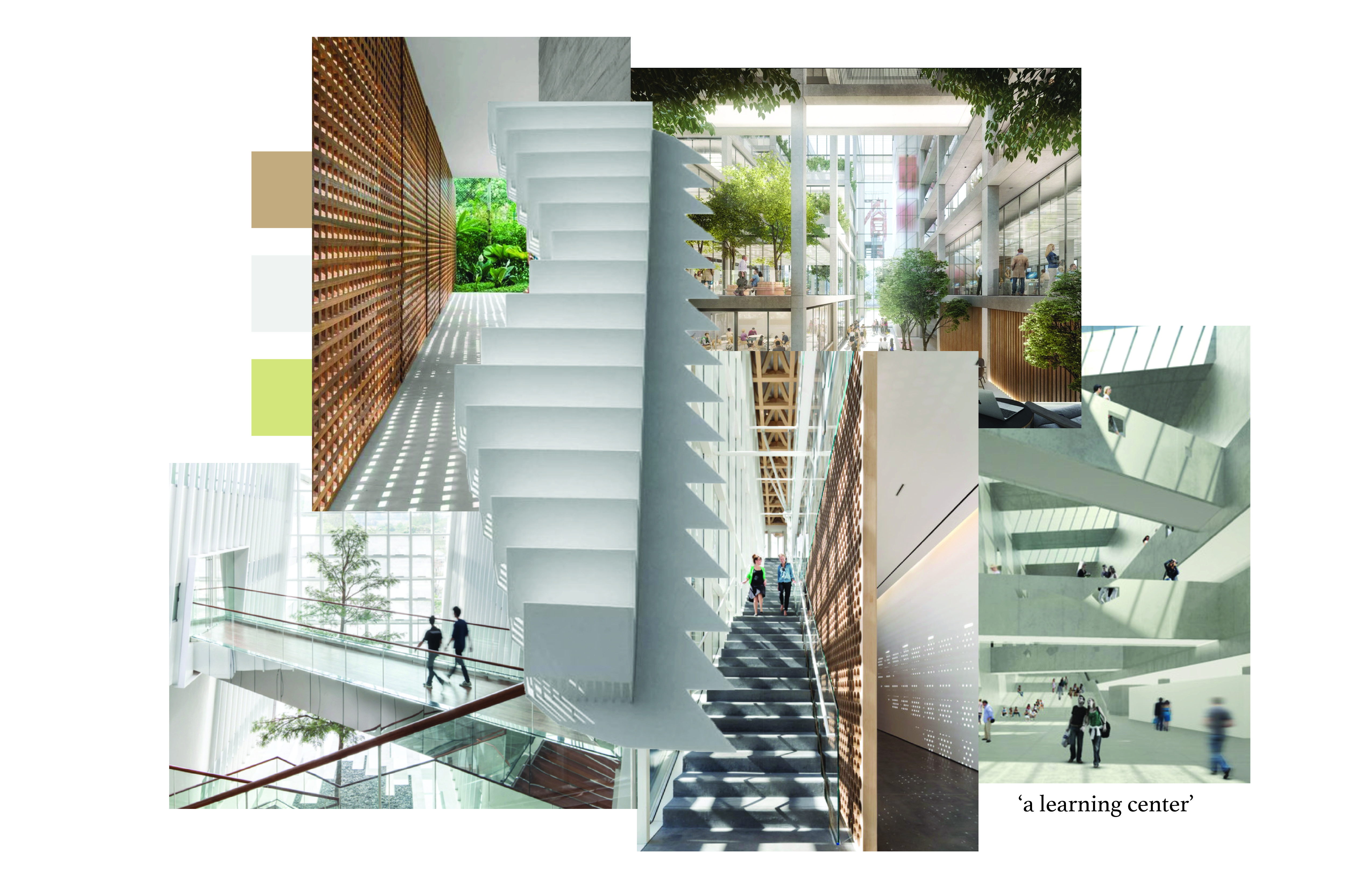
The goal of any library is to accommodate learning; however, not all learners are the same. The conventional library has a surplus of materials for reading and writing, along with a setting that aids both activities. While this is beneficial to many learners, it fails to recognize those whose brains retain information in different ways– what about those who learn through doing, or those who’d benefit from hearing spoken word? Today, four kinds of learners are commonly recognized: auditory, reading/writing, kinesthetic, and visual learners.
A contemporary library should not only address each learning type, but organize itself in a way that visitors can choose a learning environment for themselves.
Some facilities have grown to include spaces like classrooms and practice rooms, which is a step in the right direction– however, the average library still fails to offer services for visual learners (who, according to Forbes Magazine, make up a stunning 65% of people). Not only does my design cater to the atmospheric requirements of each learning type, but it is one of very few to recognize visual learners– along with the qualities that facilitate right-brained learning.