
How a Delivery Software API Transforms Modern Logistics Operations
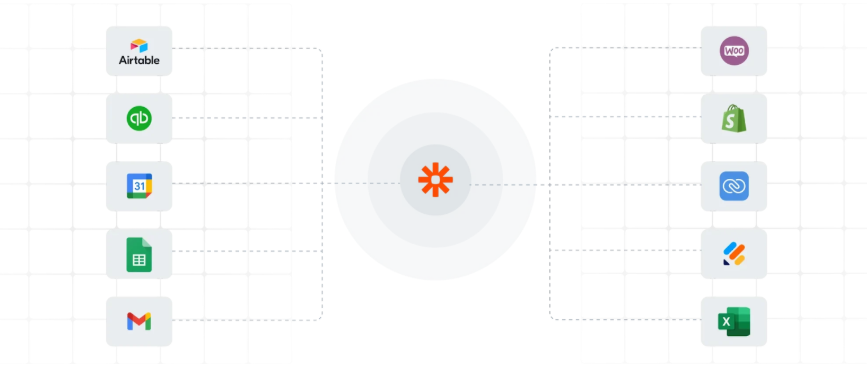
Modern delivery operations rely on speed, accuracy, and real-time information. As businesses scale, manual processes and disconnected systems quickly become obstacles. This is where a delivery software API becomes essential. It allows companies to connect their delivery platform with existing tools, automate workflows, and create a seamless logistics ecosystem.
From e-commerce and retail to healthcare and food distribution, companies are using a delivery software API to streamline operations, reduce manual work, and improve customer experiences. In this guide, we’ll explore how it works, why it matters, and how businesses can benefit from adopting it.
What Is a Delivery Software API, and How Does It Work?
A delivery software API is a set of rules and protocols that allows different software systems to communicate with each other. It acts as a bridge between your delivery platform and other tools such as ERP systems, POS software, e-commerce platforms, or accounting solutions.
Instead of manually transferring data between systems, an API enables automatic data exchange in real time. For example:
- Orders created in an e-commerce platform can automatically appear in the delivery system.
- Delivery statuses can update customer records instantly.
- Inventory levels can sync across systems without manual input.
According to the Cigo Tracker integrations page, the platform connects with partners and tools to optimize logistics, automate order tracking, and improve customer notifications.
Why Businesses Need a Delivery Software API
As delivery volumes grow, manual processes become inefficient and prone to errors. A delivery software API helps solve these issues by automating key logistics tasks.
1. Real-Time Data Synchronization
A delivery software API ensures that order, inventory, and customer data stay synchronized across systems. This reduces errors and eliminates the need for manual updates.
For example, integrations can connect delivery operations with ERP systems to sync order and inventory data in real time, improving accuracy and visibility.
2. Automated Job Creation
With a delivery software API, orders from external systems can automatically generate delivery jobs. This eliminates repetitive data entry and speeds up dispatching.
The Cigo Tracker API allows developers to automatically create, manage, and update delivery jobs, helping streamline operations.
3. Faster Communication
APIs support webhooks and event-driven notifications, enabling real-time alerts for delivery events. This allows businesses to respond quickly to changes and keep customers informed.
Key Features of a Modern Delivery Software API
Not all APIs are the same. A powerful delivery software API should offer several core capabilities to support efficient logistics operations.
Automated Order Integration
A good delivery software API can automatically sync orders from platforms like e-commerce or POS systems. This reduces delays and ensures deliveries are processed immediately.
Data Retrieval and Reporting
The API should allow businesses to access delivery data for tracking, analytics, and reporting. This improves decision-making and operational transparency.
Webhooks and Notifications
Event-driven notifications keep systems updated in real time. For example, when a delivery is completed, the API can automatically notify the customer or update the accounting system.
Integration with Business Tools
A flexible delivery software API should connect with a wide range of systems, including:
- ERP platforms
- POS systems
- E-commerce platforms
- Accounting tools
- Route optimization software
Some platforms even integrate with automation tools to connect with thousands of other applications, streamlining workflows across the business.
Benefits of Using a Delivery Software API
Increased Efficiency
A delivery software API eliminates manual data entry, saving time and reducing human error. Automated processes allow teams to focus on higher-value tasks.
Improved Accuracy
Since data flows directly between systems, there is less risk of incorrect addresses, missing orders, or outdated inventory levels.
Better Customer Experience
Real-time tracking, automated notifications, and accurate delivery estimates help build customer trust and satisfaction.
Scalability
As your business grows, a delivery software API can handle increased order volumes without requiring additional manual work.
Common Use Cases for a Delivery Software API
E-Commerce Integration
Online stores can use a delivery software API to send orders directly to the delivery platform. This ensures faster processing and real-time updates for customers.
Retail and POS Systems
Retailers can automatically create delivery jobs based on in-store purchases. This removes the need for manual scheduling.
Healthcare and Pharmacy Deliveries
Pharmacies and healthcare providers can use a delivery software API to automate prescription deliveries, route planning, and proof-of-delivery processes.
Food and Grocery Distribution
Food distributors can sync orders and delivery schedules, reducing errors and ensuring timely deliveries.
How a Delivery Software API Improves Workflow Automation
Automation is one of the biggest advantages of using a delivery software API. Here’s how it transforms daily operations:
- Order Creation
Orders are automatically imported from external systems. - Route Optimization
Delivery routes are generated based on real-time data. - Driver Dispatching
Jobs are assigned to drivers automatically. - Real-Time Tracking
Delivery statuses update across all systems. - Customer Notifications
Customers receive automatic updates and confirmations.
This automated workflow reduces delays, minimizes manual work, and ensures consistent performance.
Choosing the Right Delivery Software API
When selecting a delivery software API, businesses should consider several factors:
Ease of Integration
Look for an API with clear documentation, sample code, and developer support.
Compatibility
Ensure the API integrates with your existing systems, such as ERP, POS, or e-commerce platforms.
Real-Time Capabilities
Choose a delivery software API that supports real-time updates, webhooks, and notifications.
Security and Reliability
The API should follow security best practices and provide reliable performance for mission-critical operations.
Best Practices for Implementing a Delivery Software API
Start with a Clear Integration Plan
Identify which systems need to connect and what data should flow between them.
Test in a Staging Environment
Before going live, test the delivery software API to ensure everything works correctly.
Monitor Performance
Track API usage, response times, and error rates to maintain smooth operations.
Train Your Team
Make sure staff understand how automated workflows function and how to manage exceptions.
The Future of Logistics with Delivery Software API Technology
The logistics industry continues to evolve rapidly. Businesses are increasingly relying on automation, real-time tracking, and data-driven decisions. A delivery software API plays a central role in this transformation.
In the future, we can expect:
- More AI-driven route optimization
- Predictive delivery scheduling
- Deeper integration with IoT devices
- Fully automated logistics ecosystems
Companies that adopt a delivery software API today will be better prepared for these advancements.
Conclusion
A delivery software API is no longer a luxury; it’s a necessity for modern logistics operations. By connecting systems, automating workflows, and enabling real-time data exchange, it helps businesses operate faster, more accurately, and more efficiently.
From automated job creation to real-time notifications and seamless integrations, a delivery software API transforms how deliveries are managed. Companies that implement this technology can reduce manual work, improve customer experiences, and scale their operations with confidence.
If your organization is looking to streamline logistics and build a fully connected delivery ecosystem, Cigo Tracker delivery software API offers a reliable, scalable, and future-ready solution designed to support growing delivery operations.